

Content
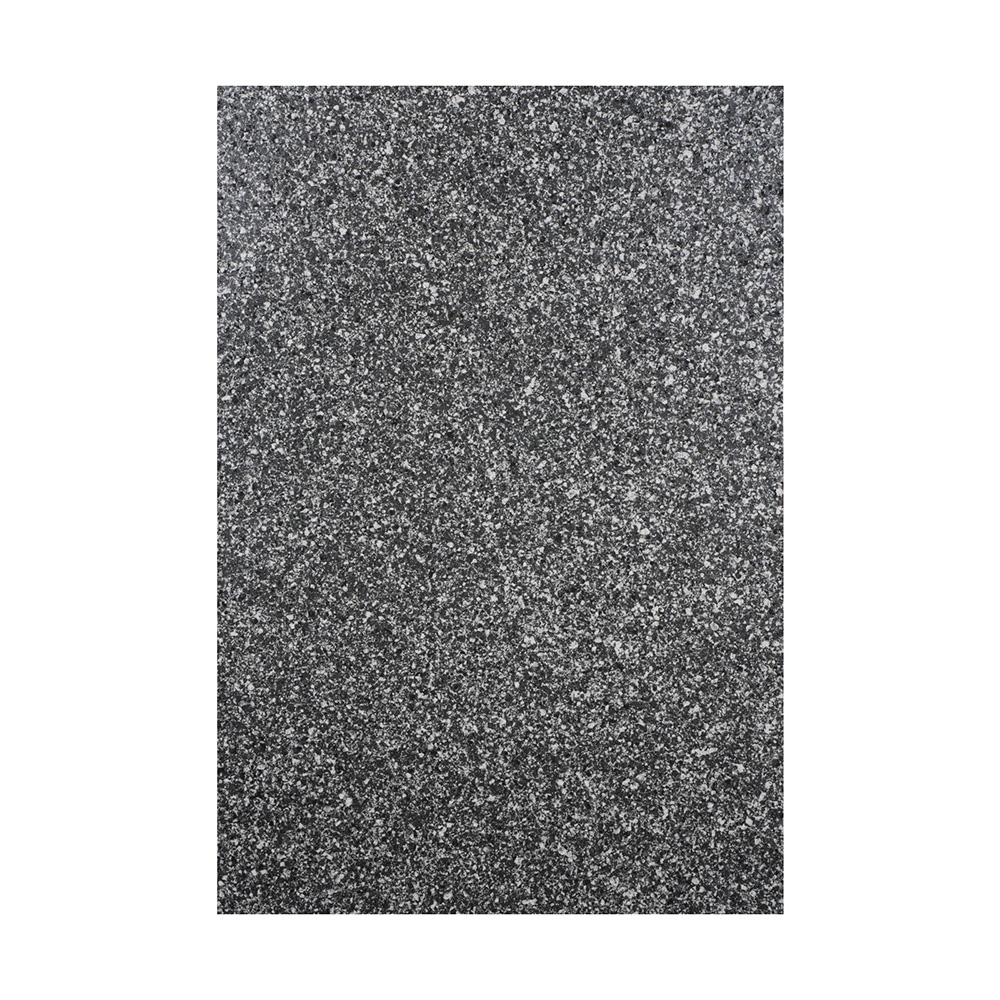
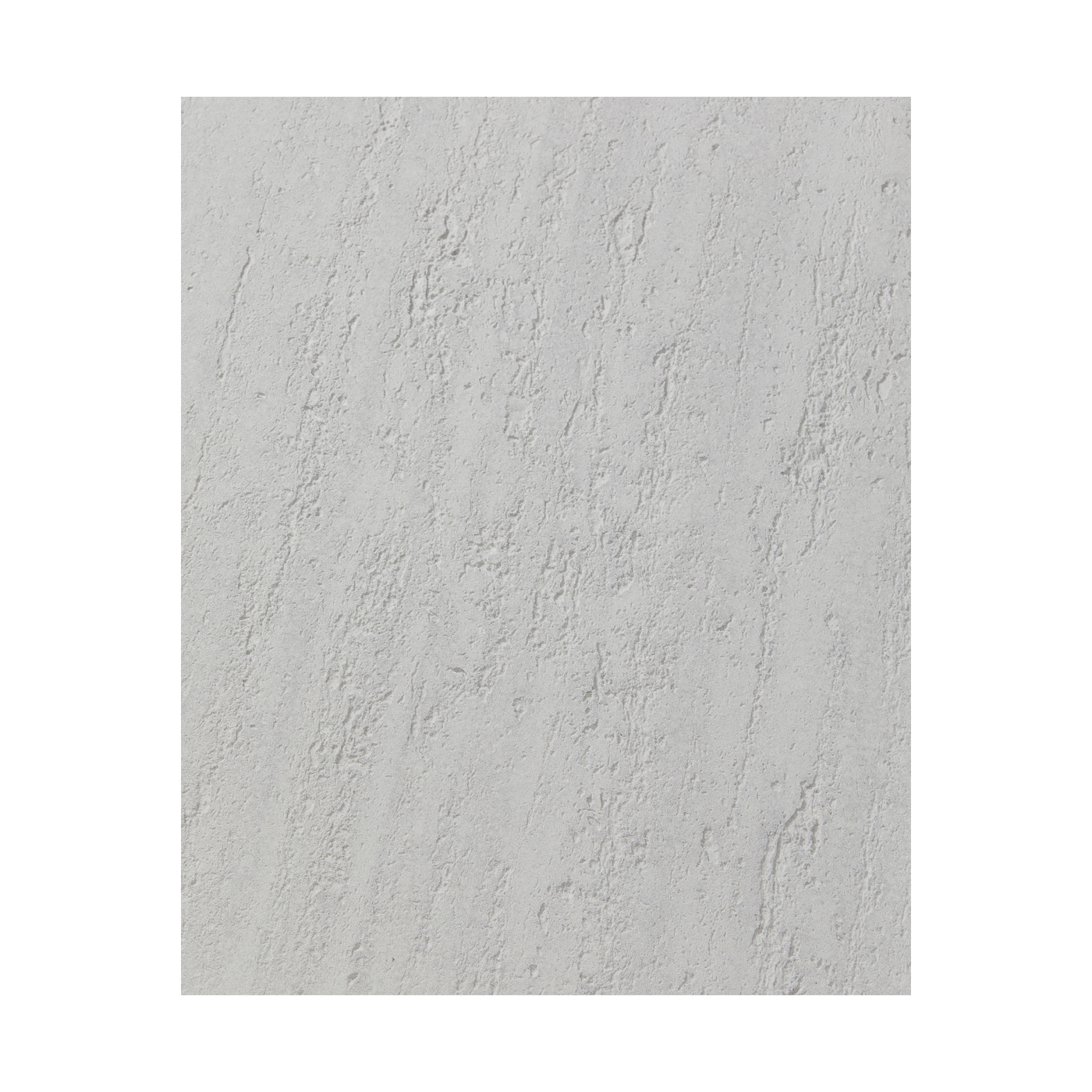
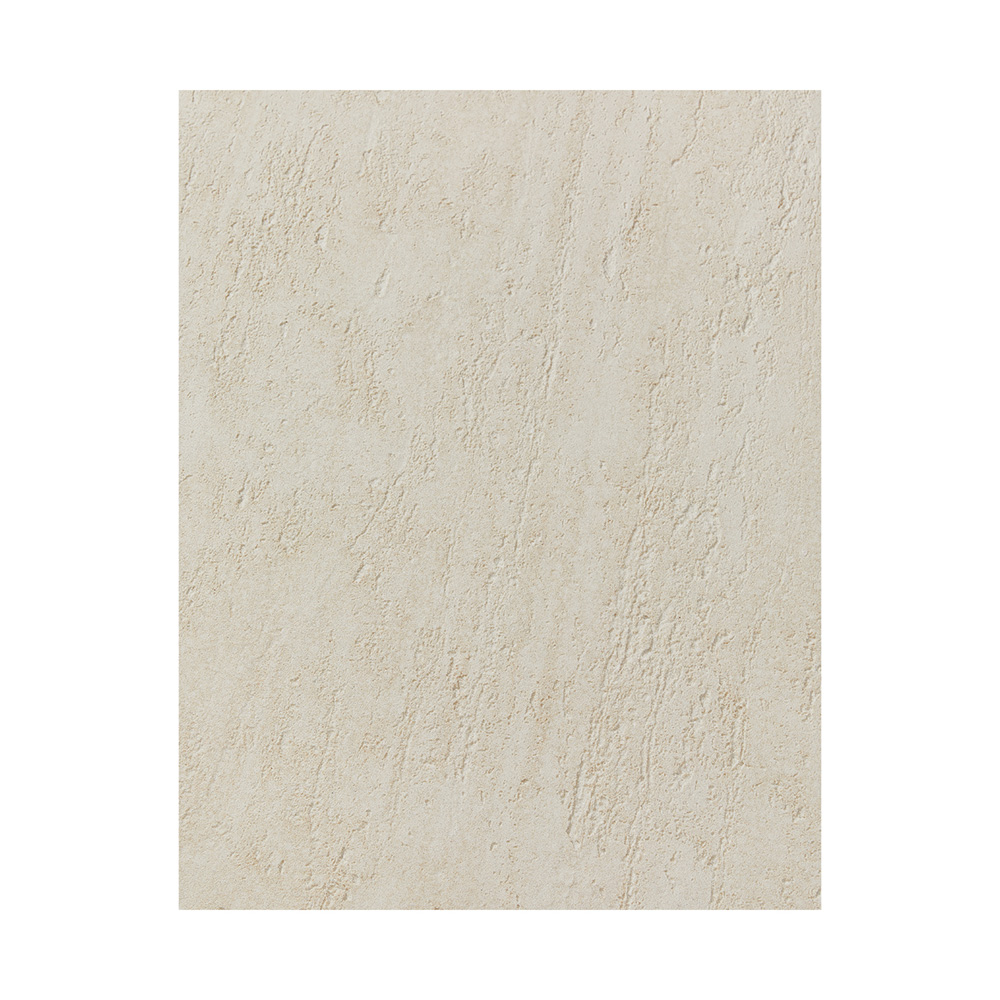
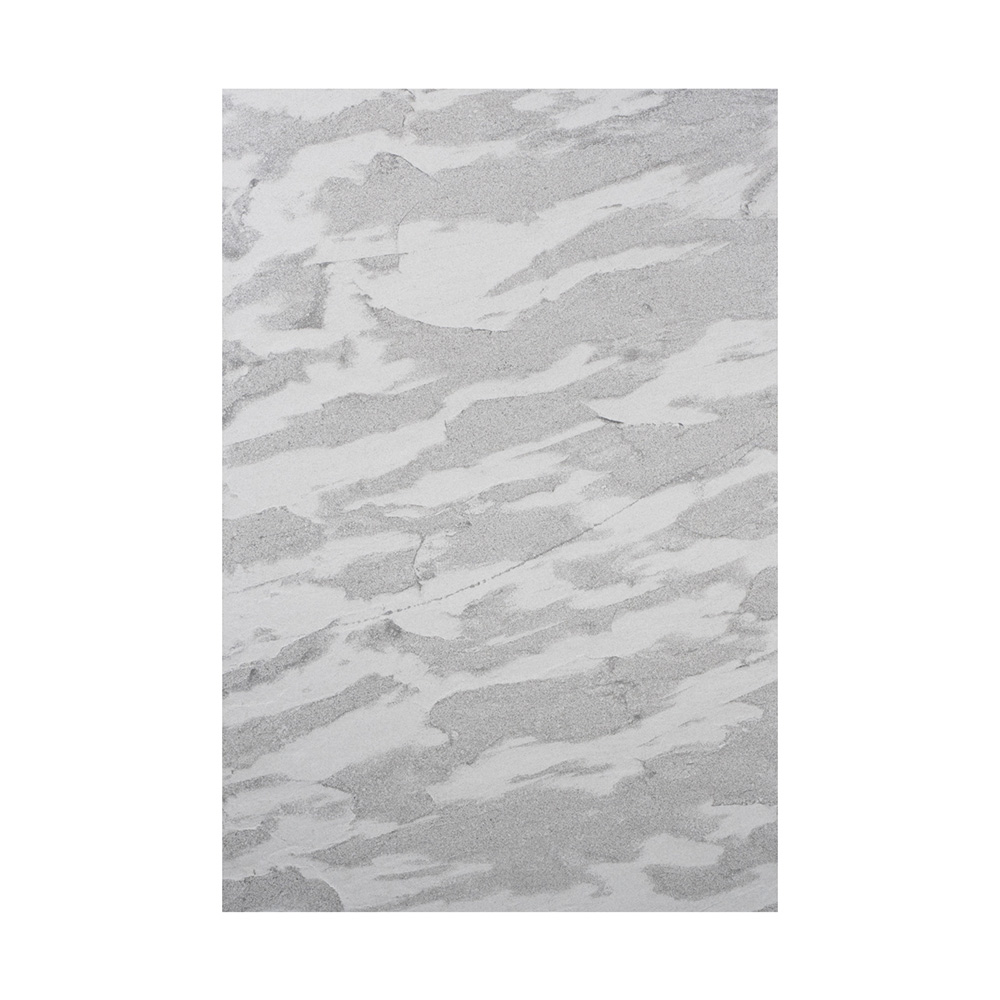
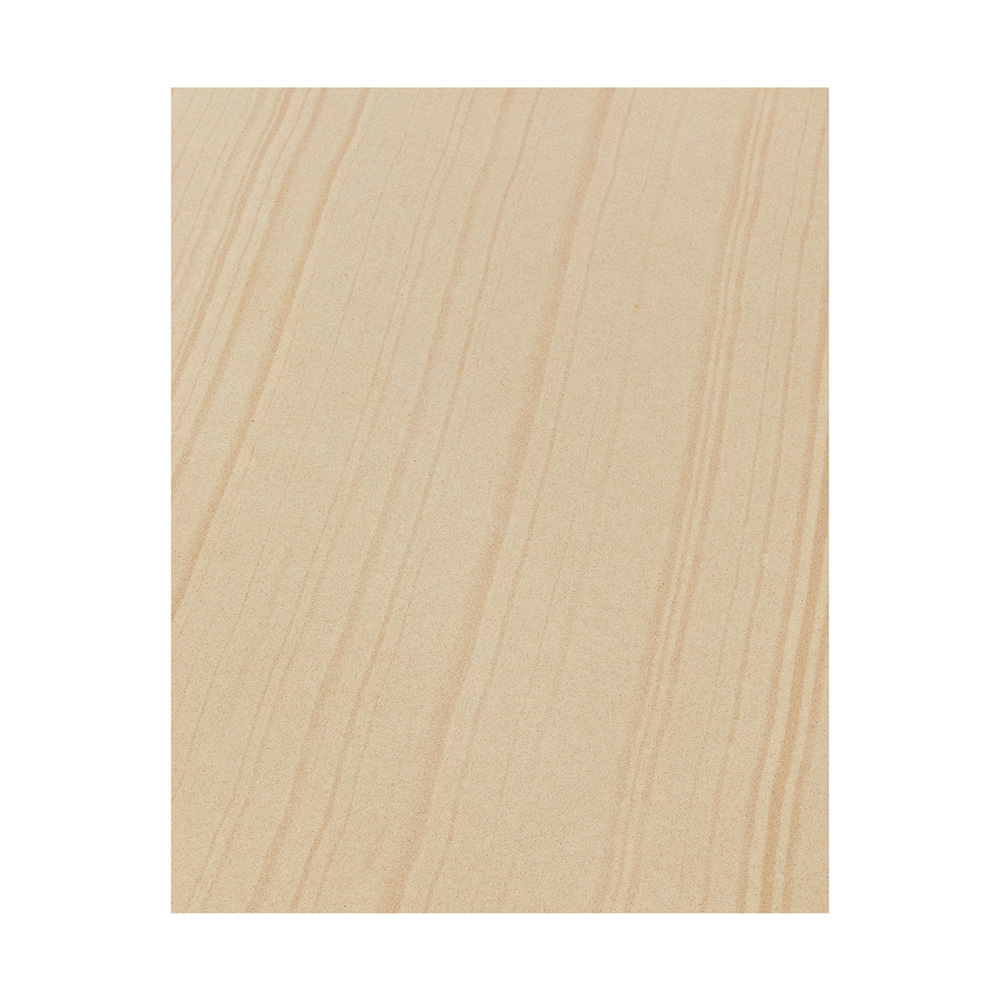
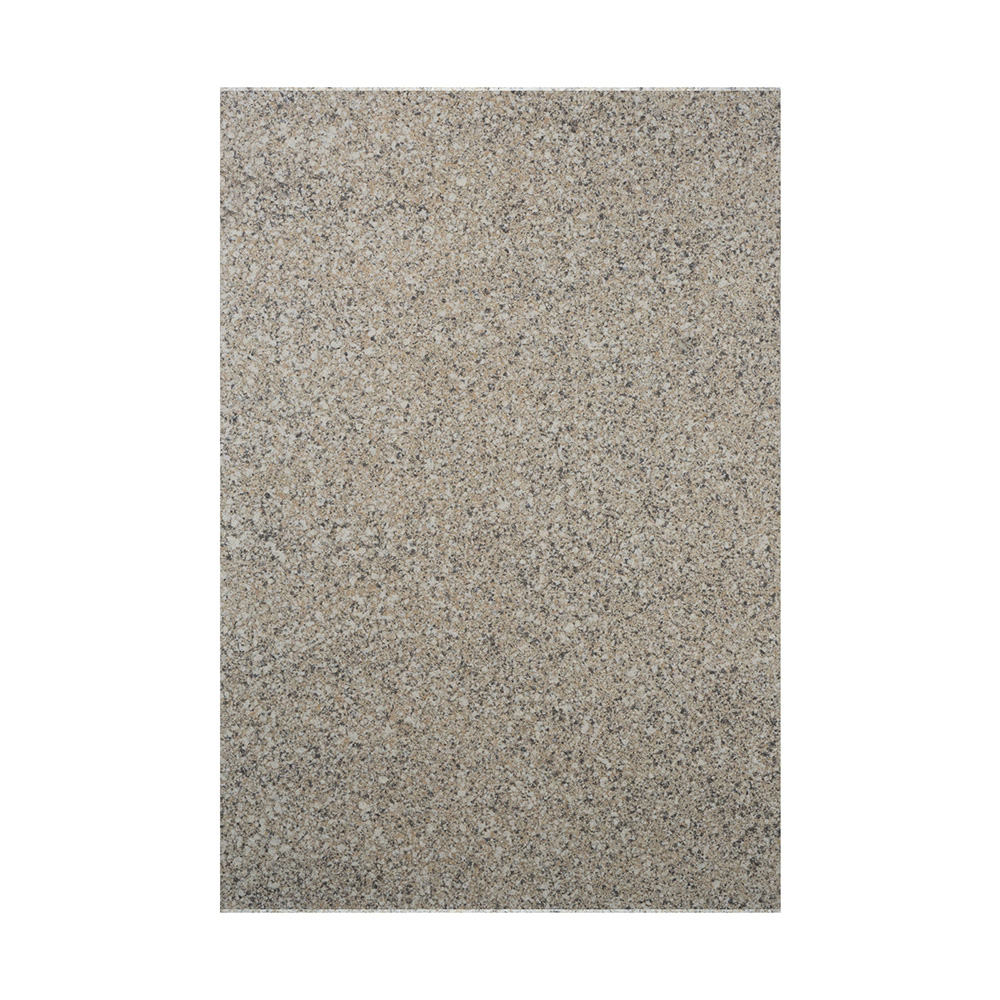
Faux stone wall panels for exterior use are engineered cladding products designed to replicate the appearance of natural stone — without the weight, cost, or labor-intensive installation that comes with it. Made from materials such as high-density polyurethane, fiber cement, or composite polymer, these panels are manufactured to mimic textures like stacked slate, fieldstone, river rock, and limestone with remarkable accuracy.
The global market for exterior wall cladding, including faux stone products, was valued at over $95 billion in 2023 and is projected to grow steadily through 2030, driven by demand in residential renovation, commercial construction, and hospitality development. For architects, contractors, and property developers, faux stone panels offer a compelling balance between aesthetics and practicality.
Faux stone panels outperform natural stone cladding in several critical areas for exterior applications:
Not all faux stone panels are created equal. The material composition determines durability, appearance, and suitability for specific exterior environments.
| Material | Weight (per sq ft) | UV Resistance | Typical Lifespan | Best Use Case |
|---|---|---|---|---|
| Polyurethane (PU) | 0.5–1.5 lbs | Moderate (needs coating) | 15–25 years | Residential accent walls |
| Fiber Cement | 2–4 lbs | High | 25–40 years | Full exterior facades |
| Composite Polymer | 1–2.5 lbs | High | 20–35 years | Commercial & high-humidity zones |
| Thin Veneer Stone | 5–10 lbs | Very High | 40+ years | Premium architectural projects |
Sourcing from the right faux stone wall panels exterior manufacturer directly impacts product quality, lead times, and long-term project outcomes. When evaluating suppliers — particularly factories offering OEM services — buyers should assess the following criteria:
A credible faux stone wall panels exterior factory should operate dedicated mold libraries with hundreds of texture options, automated mixing and casting lines for consistent density, and climate-controlled curing facilities. Monthly output capacity matters for large commercial or export orders — factories producing under 50,000 sq ft per month may not reliably serve B2B volumes.
OEM partnerships go beyond applying a brand logo. A qualified faux stone panels for exterior walls OEM manufacturer should offer custom colorways matched to Pantone or RAL standards, proprietary texture development from client-supplied samples or concepts, private-label packaging and documentation, and product testing to regional standards such as ASTM, CE, or ISO certifications.
Reputable manufacturers implement multi-stage QC including raw material testing, in-process dimensional checks, and finished-product inspections for surface uniformity, color consistency, and mechanical strength. Request factory audit reports or third-party inspection certificates (SGS, Bureau Veritas) before committing to large orders.
Hangzhou Justone New Material Co., Ltd. is a national high-tech enterprise specializing in the R&D, production, and sales of new wall decoration materials. R&D activities began in 2011, and the company was officially registered in 2013. Justone is committed to providing safe, green, and energy-saving wall decoration solutions.
Through continuous innovation in process formulas and production equipment, the company has obtained more than ten patents related to flexible stone products and is the inventor of the full quartz sand mold imitation granite flexible stone technology. Please feel free to contact us if you have any needs.
The faux stone panels OEM market is concentrated in manufacturing hubs across China, Turkey, and Eastern Europe, with Chinese factories accounting for an estimated 60–70% of global faux stone panel exports as of 2024. For international buyers, this offers significant cost advantages but also requires careful due diligence.
Key considerations for OEM buyers include:
Even the highest-quality faux stone wall panels will underperform if improperly installed. For exterior walls, follow these proven practices to ensure durability and appearance retention:
Several developments are influencing how manufacturers and buyers approach faux stone exterior cladding:
Sustainability pressure: Buyers increasingly require environmental product declarations (EPDs) and prefer panels manufactured with recycled content or low-emission binders. Factories adopting water-based colorants and solvent-free adhesive systems are gaining competitive advantage in European and North American markets.
Digital texture rendering: Advanced 3D scanning technology allows manufacturers to replicate specific regional stone varieties with sub-millimeter accuracy, enabling specifiers to match existing natural stone features on renovation projects.
Large-format panels: Demand is rising for panels exceeding 24" × 48", reducing installation time and visible joint lines. This format is particularly popular in commercial hospitality and retail facade applications.
Fire-rated systems: Following tightened building codes in multiple jurisdictions post-2020, manufacturers are investing in non-combustible substrate combinations and intumescent backing layers to achieve Class A fire ratings for high-rise exterior use.
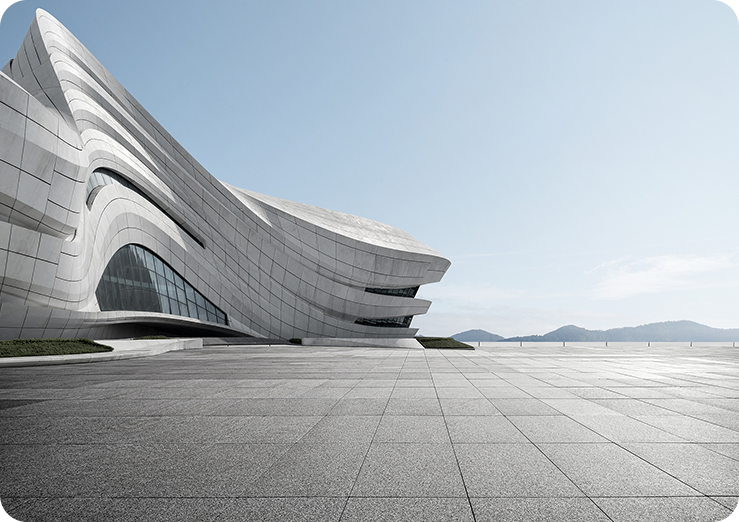

Justone is Thin Flexible Stone Veneer Sheet Supplier in China.The company takes innovation-driven development as its core, regards promoting the progress of the industry as its responsibility, deeply engages in the chemical composite building materials track, and demonstrates its professional expertise in this field.



 English
 Français
 Español
 Português
 عربى
عربى