

Content
Flexible stone may be considered for selected hotel and resort renovation areas in Southeast Asia when the retained wall is stable, dry and compatible with the complete bonding system. Its thin, lightweight format may reduce selected demolition, handling and wet-trade work, which can support phased renovation in guestrooms, corridors, lobbies and commercial areas.
However, suitability cannot be decided from climate or product weight alone. Project teams must first investigate leakage, condensation, mould, hollow tiles, weak coatings and movement cracks; classify every application zone; confirm the primer and adhesive; review fire and hygiene requirements; and approve a representative mock-up. The decorative veneer must not be used to conceal unresolved moisture or unstable substrates.
Southeast Asia is not one uniform market, and regulations differ among Singapore, Malaysia, Thailand, Vietnam, Indonesia, the Philippines and other countries. Nevertheless, many hospitality projects in the region share demanding operating conditions:
Malaysia's meteorological authority describes the national climate as having relatively uniform temperature, high humidity and copious rainfall, with Northeast and Southwest Monsoon regimes. Singapore also publishes official rainfall, temperature and relative-humidity data through its national weather services. These climate references explain why moisture assessment matters, but they do not prove that one finish or wall assembly is suitable for every location.
A beachfront resort, an urban business hotel, a mountain retreat and an airport hotel can expose wall finishes to very different moisture, salt, temperature, cleaning and impact conditions. The project must therefore be evaluated by country, building, zone and wall condition.
Potential applications may include:
This is not a universal application list. A product considered for a dry guestroom wall may not be suitable for a shower enclosure, commercial kitchen, frequently washed service corridor or exposed coastal façade. Each zone requires its own performance and maintenance review.
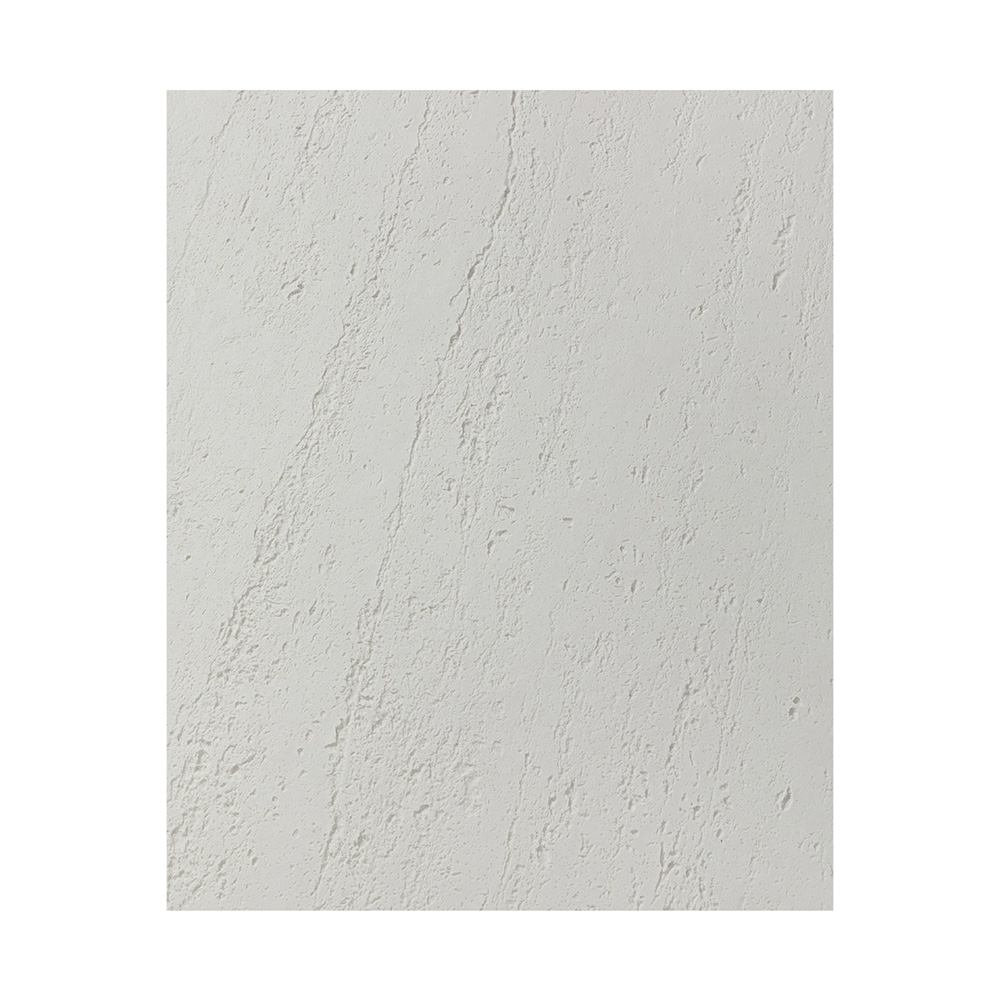
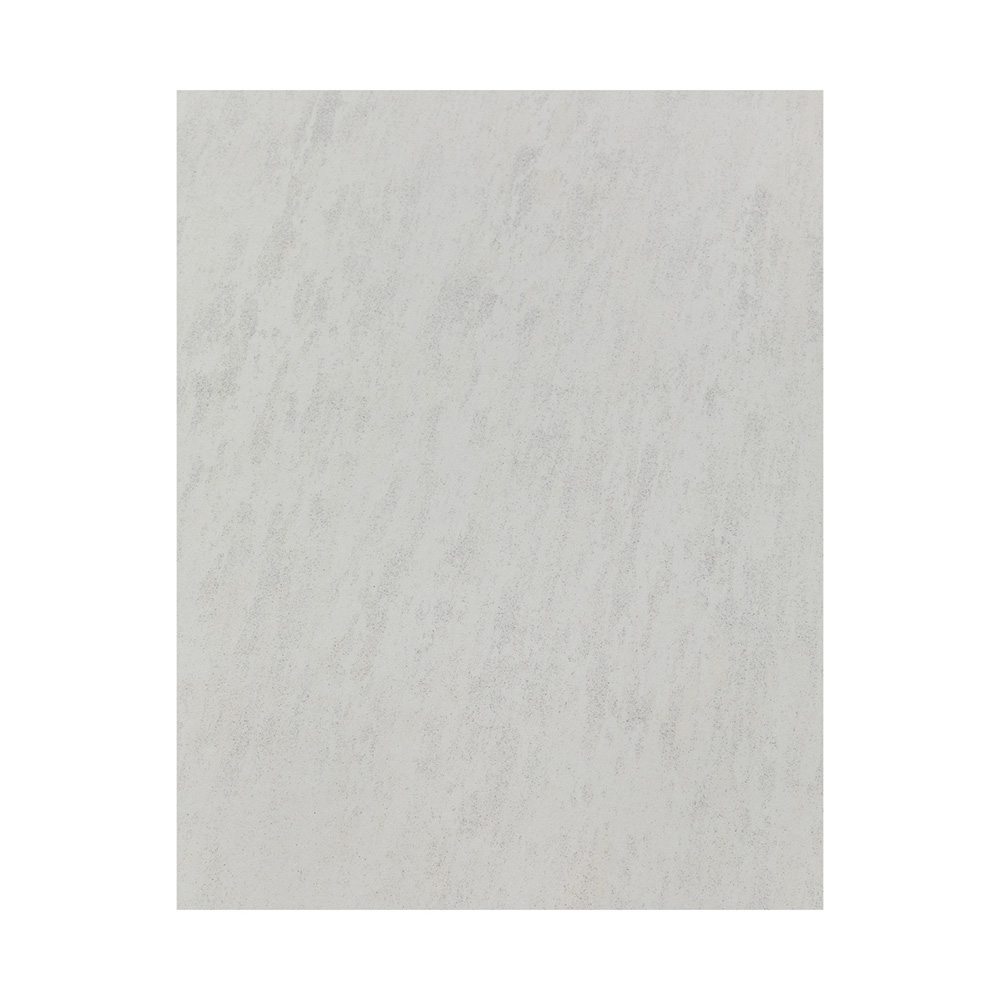
A light travertine-look veneer for interior walls, worth shortlisting for lobby backdrops, reception walls and guestroom feature areas after substrate and system review.
View Product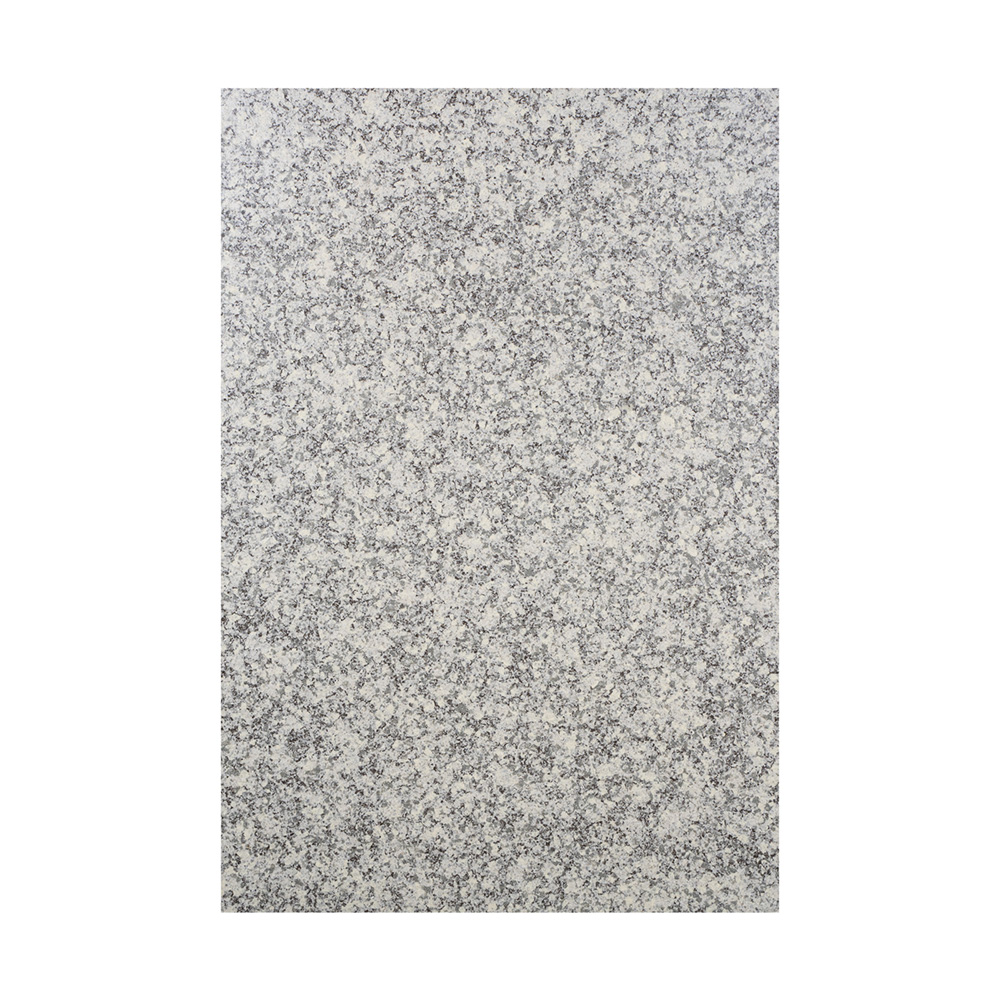
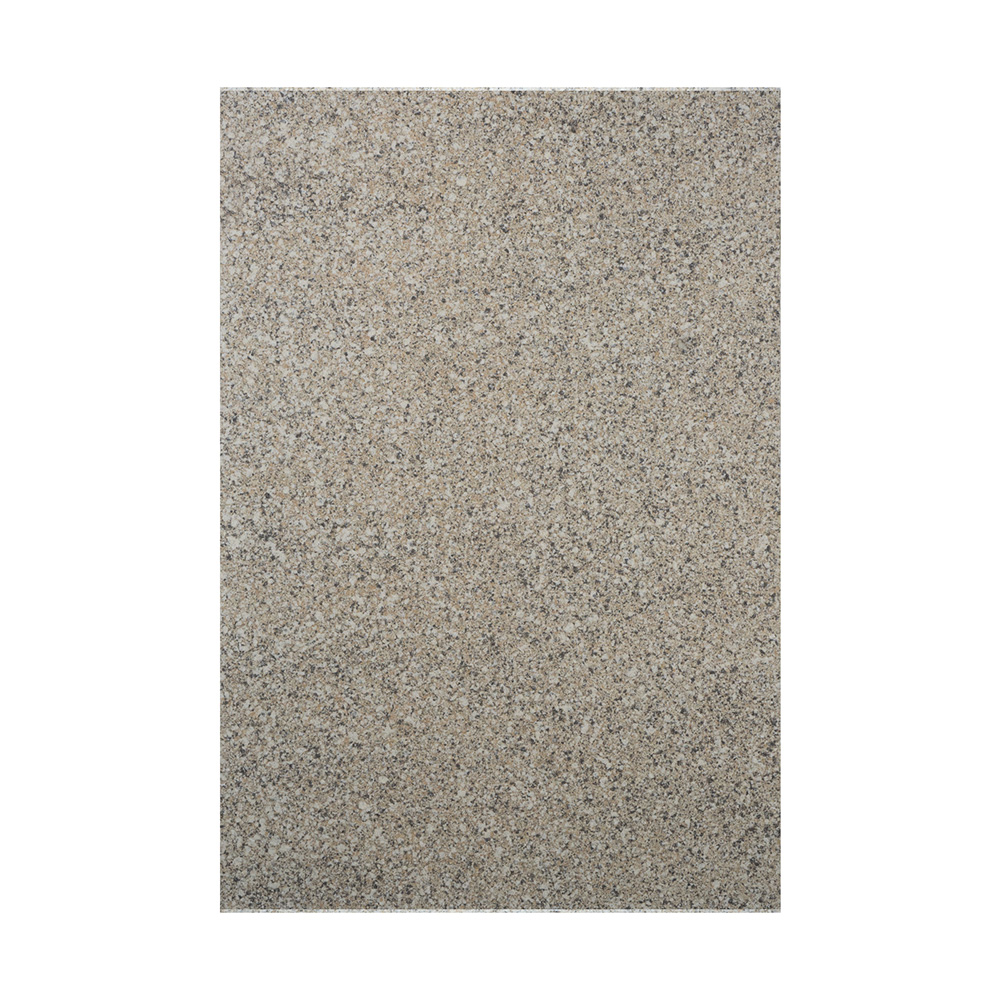
A natural-texture granite-look option listed for hotel use, suitable to evaluate for lift lobbies, corridors and columns where a stone appearance is required.
View ProductSometimes, but only after inspection, preparation and verification.
JUSTONE's published installation information identifies ceramic tiles and existing paint films as potential base surfaces and explains that different substrates require dedicated primers. It also excludes weak substrates. Therefore, retaining an existing finish is a conditional construction decision, not a blanket promise of "no demolition."
Inspect for:
Remove unstable areas and repair the base. A new veneer cannot make detached tiles behind it reliable.
Confirm:
If the old coating fails, the complete new build-up may separate with it, regardless of adhesive strength.
Review board fixing, joint stability, plaster strength, flatness, cracks and moisture. Movement cracks must be diagnosed rather than hidden. Designed movement joints must remain functional through the new finish.
Visible mould is a symptom, not a substrate category. Before finishing, determine whether the cause is:
Remove contaminated or unsound material as required, correct the moisture source and allow the wall to reach the limits specified by the primer and adhesive supplier. Do not rely on a decorative veneer to block odours, stop leakage or prevent mould from returning.
Air-conditioned buildings require particular attention. Warm, moisture-laden outdoor air can meet colder interior surfaces, while service penetrations, façade defects and poorly insulated interfaces may create local condensation. The building, waterproofing and mechanical systems may therefore need review before decorative work begins.
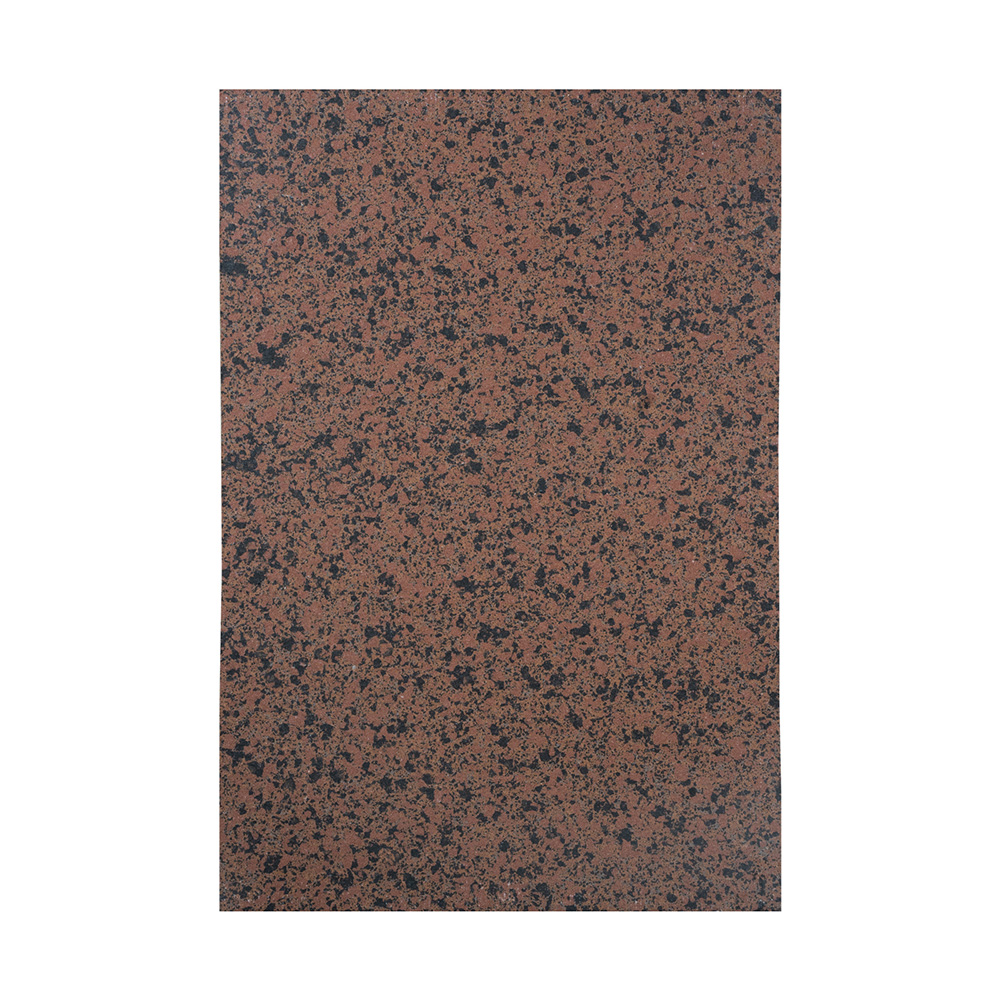
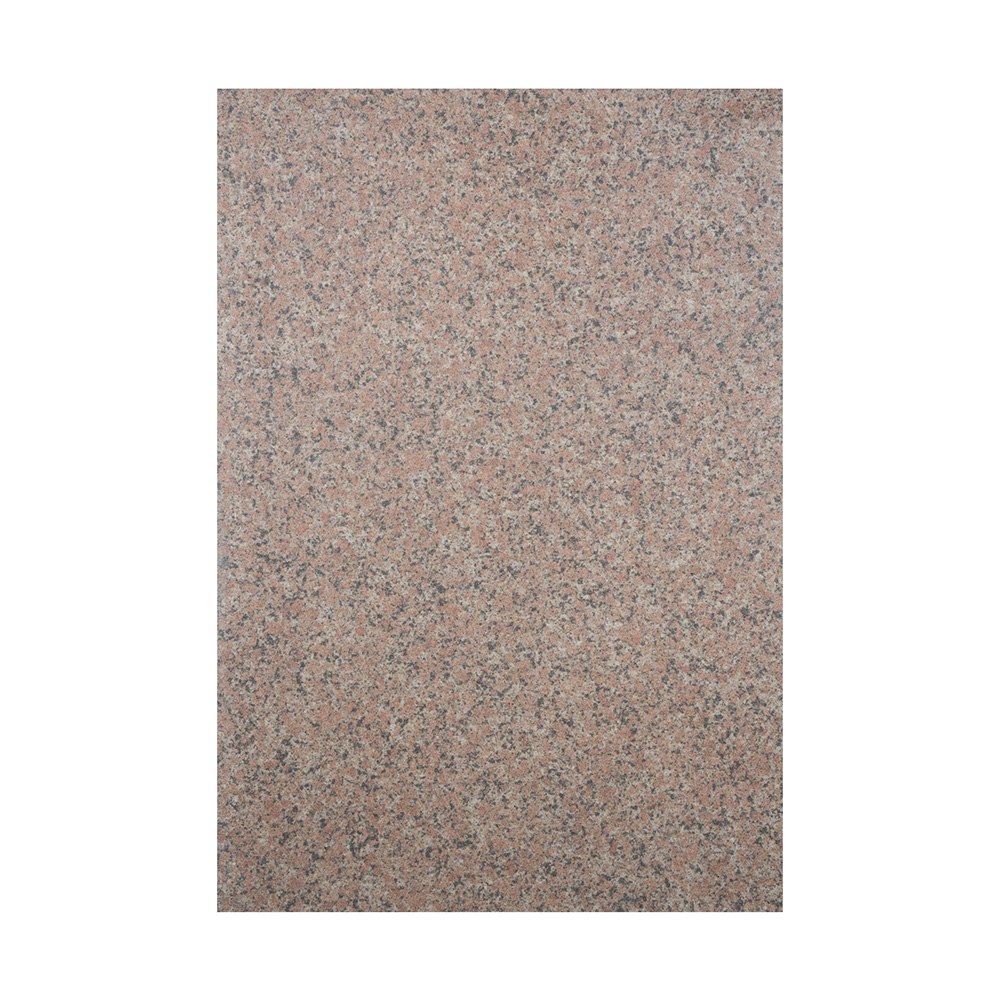
Positioned for humid, tropical conditions. A relevant candidate for sheltered public areas, though the veneer is a finish and never a substitute for waterproofing or leak repair.
View Product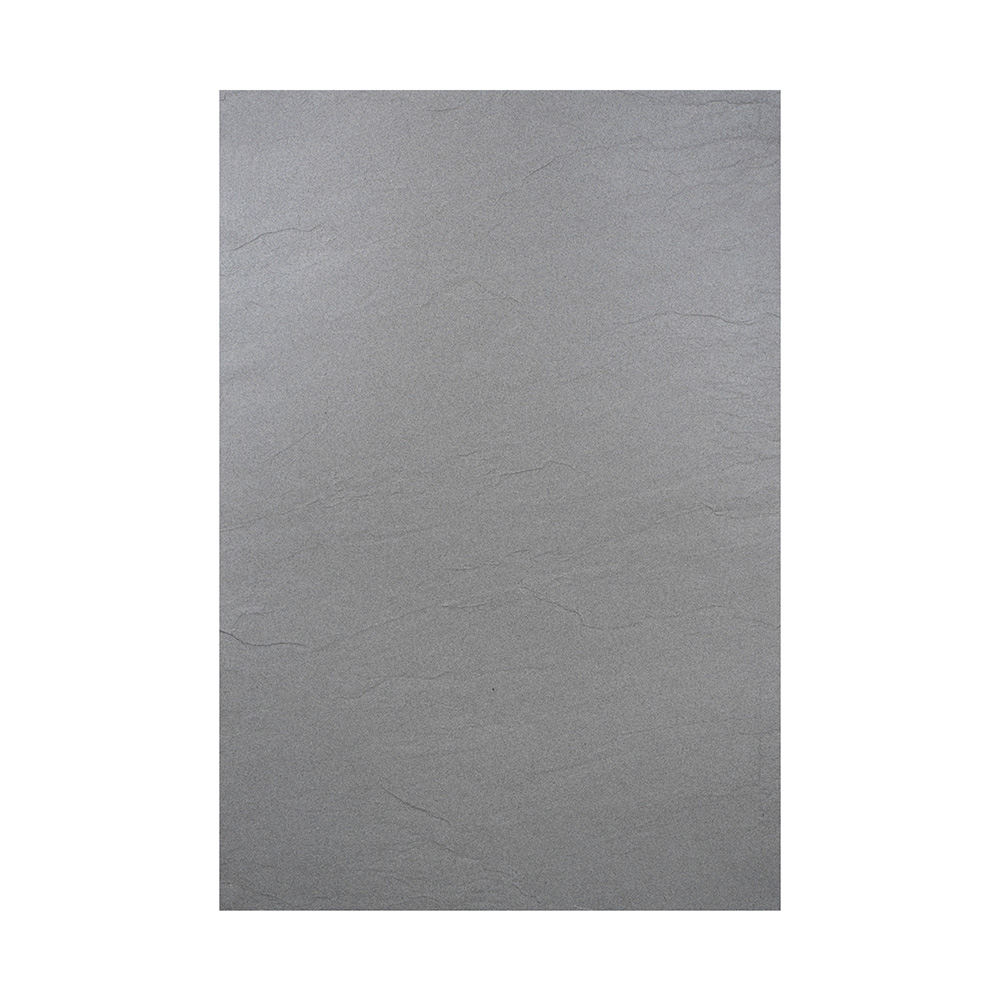
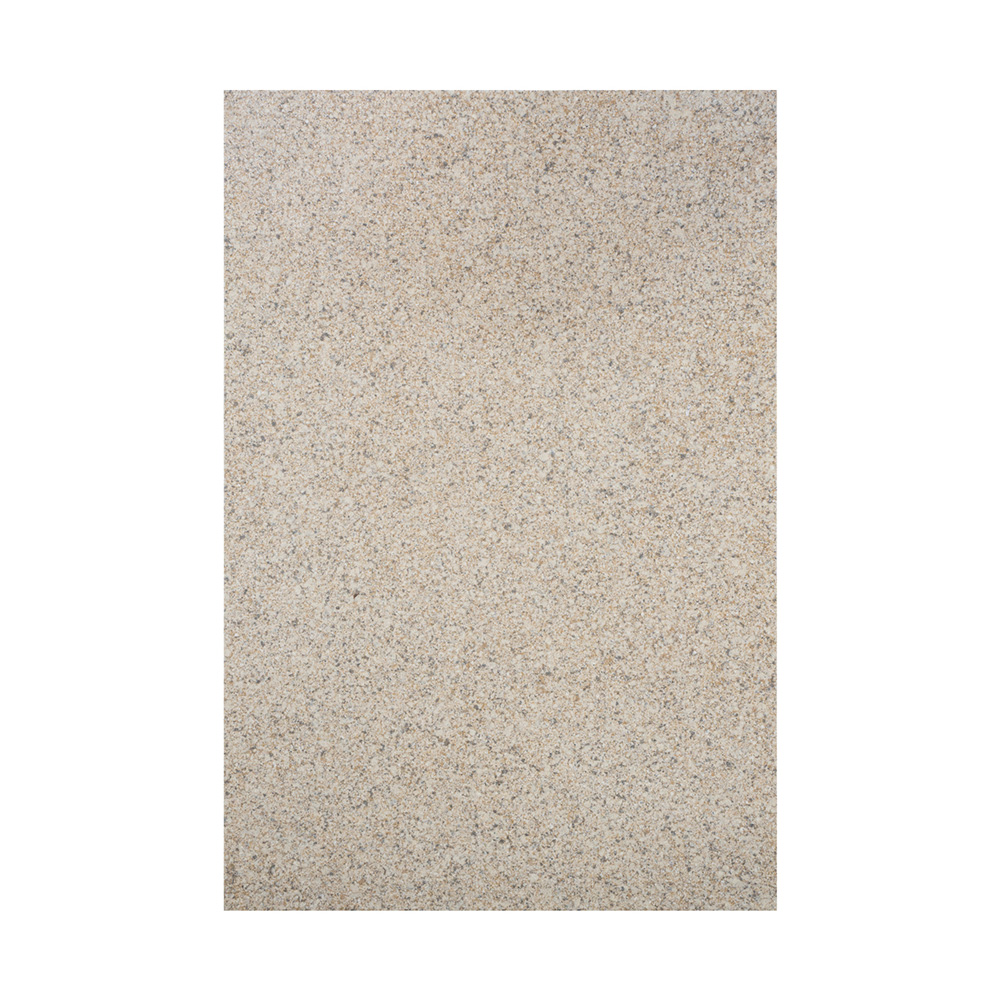
A slate-texture veneer described as waterproof and moisture-proof, suited to review for restaurant, spa reception and bar feature walls away from direct wet or high-heat zones.
View Product| Hotel or resort zone | Main risks | What the project team should verify |
| Guestrooms | Programme, furniture protection, condensation, low-odour work | Wall moisture, retained coating strength, phased handover and ventilation during curing |
| Lobbies and reception | Public safety, appearance continuity, impact, operating access | Mock-up quality, edge details, protection zones and work-hour controls |
| Corridors and lift lobbies | Luggage impact, cleaning, evacuation routes | Impact exposure, fire requirements, corners, trims and repair strategy |
| Restaurants and cafés | Grease, cleaning chemicals, heat and hygiene | Exact wall location, cleaning method and interfaces with kitchens or wet services |
| Bathrooms and spas | Leakage, waterproofing, sealants, penetrations | Underlying waterproofing, moisture source and approval for the exact zone |
| Coastal public areas | Humidity, salt-laden air, wind-driven rain, metal corrosion | Exposure category, metal trims, drainage, sealants and maintenance frequency |
| Back-of-house areas | Trolleys, equipment impact and intensive cleaning | Service conditions and whether a more robust finish is required |
A successful lobby sample must not be used to approve bathrooms, coastal terraces or service corridors without separate assessment.
There is no single "Southeast Asia approval." Requirements vary by country, city, hotel operator, landlord, development, free zone and scope of work.
Confirm whether the project requires:
The appointed local consultant should define the applicable process. Supplier information supports the material review but does not replace regulatory approval.
Record every wall type and defect by location. Classify areas for:
Use photographs and room references. This prevents one successful mock-up from being applied to unrelated substrates across the property.
The project review should cover the complete interface:
retained substrate, preparation, primer, levelling layer, adhesive, selected flexible stone, then joints, edges and trims
Request written compatibility information for the actual substrate and selected JUSTONE Flexible Stone SKU. Verify installation temperature, open time, curing, permitted layer thickness, wet-area limitations, cleaning resistance and exposure conditions. Do not substitute the adhesive solely because another product is described as "flexible" or "waterproof."
Hotels include guestrooms, escape routes, assembly areas, kitchens, spas and public spaces with different performance requirements. A product-level fire classification does not automatically approve a completed wall assembly.
Any fire documentation should identify the exact product, thickness, backing, adhesive, substrate and installation represented by the test. Likewise, cleaning, hygiene and emissions requirements should be reviewed for the actual application. Country-specific and project-specific requirements must be confirmed locally.
The mock-up should use the actual:
Place the mock-up in a representative area when practical. After the agreed curing period, assess appearance, flatness, joints, edges, cleaning response and adhesion. For uncertain retained surfaces, include an agreed on-site adhesion test and document the failure mode.
A realistic renovation programme should define:
Flexible stone may reduce selected heavy handling and demolition activities, but total downtime depends on repairs, approvals, access, curing and inspections. "Zero downtime" should not be promised before a site-specific plan is approved.
| Existing condition | Recommended direction |
| Stable, dry tile and compatible bonding system confirmed | Consider overlay after preparation, mock-up and approval |
| Local hollow tiles or isolated damage | Remove affected areas, repair and reassess flatness |
| Widespread hollow or moving tile | Remove the unstable finish |
| Strong retained coating with verified compatibility | Consider retention after preparation and testing |
| Chalking, peeling or unknown weak coating | Remove to a sound layer |
| Active leakage, rising damp or condensation | Stop and repair the moisture source first |
| Mould with unresolved cause | Investigate, remediate and control moisture before finishing |
| Structural or active movement crack | Refer for technical review; do not conceal it |
| Exact fire or service performance not documented | Pause approval until the proposed assembly is reviewed |
For a Southeast Asian hotel or resort project, prepare:
Documents for another SKU, thickness, backing, substrate or adhesive combination should not be used as proof for the proposed system.
It may be evaluated for selected wall locations, but the tiles must be secure and the moisture and waterproofing conditions must be confirmed. Shower interiors and continuously wet zones require project-specific waterproofing and system approval. The decorative veneer itself is not the waterproofing layer.
No. Cleaning the visible surface does not resolve leakage, condensation, trapped moisture or ventilation problems. The cause must be identified and controlled, and unsound or contaminated layers must be treated as required before installation.
It may be considered for selected areas after reviewing humidity, salt-laden air, wind-driven rain, metal trims, sealants, drainage and maintenance. Suitability must be demonstrated for the exact product, wall assembly and exposure; the beachfront location alone does not establish performance.
Some projects can be phased by room, floor or zone, but continued operation depends on dust, noise, odour, access, curing, fire routes and operator rules. A logistics and handover plan must be approved before making programme commitments.
No. Lower finish weight does not make hollow tile, weak paint or a moving substrate reliable. Every retained layer must support the complete new build-up.
Send the country and project location, hotel zone, existing substrate, wall photographs, moisture history, selected texture, approximate area, indoor or outdoor exposure, fire and cleaning requirements, programme and available drawings. This helps identify the relevant product and installation information for the next review stage.
Flexible stone can be a useful decorative option for selected Southeast Asian hotel and resort renovations when the project needs a thin stone-look finish and the existing wall can be responsibly retained. Its value depends on correct diagnosis and system compatibility, not on covering defects.
The reliable process is to assess each zone, resolve moisture and unstable substrates, confirm local approvals, review the complete material stack, build a representative mock-up and plan installation around hotel operations. This allows owners, designers and contractors to decide where overlay is appropriate and where removal or a different finish remains necessary.

Justone is Thin Flexible Stone Veneer Sheet Supplier in China.The company takes innovation-driven development as its core, regards promoting the progress of the industry as its responsibility, deeply engages in the chemical composite building materials track, and demonstrates its professional expertise in this field.


 English
 Français
 Español
 Português
 عربى