

Content
Stone has always communicated permanence. But rigid slabs are heavy, unforgiving on curved surfaces, and slow to install — trade-offs that have pushed many architects toward imitation materials. Flowing Flexible Stone breaks that compromise. It delivers the organic, wave-like surface texture of natural stone in a format that bends, rolls, and adapts to virtually any substrate.
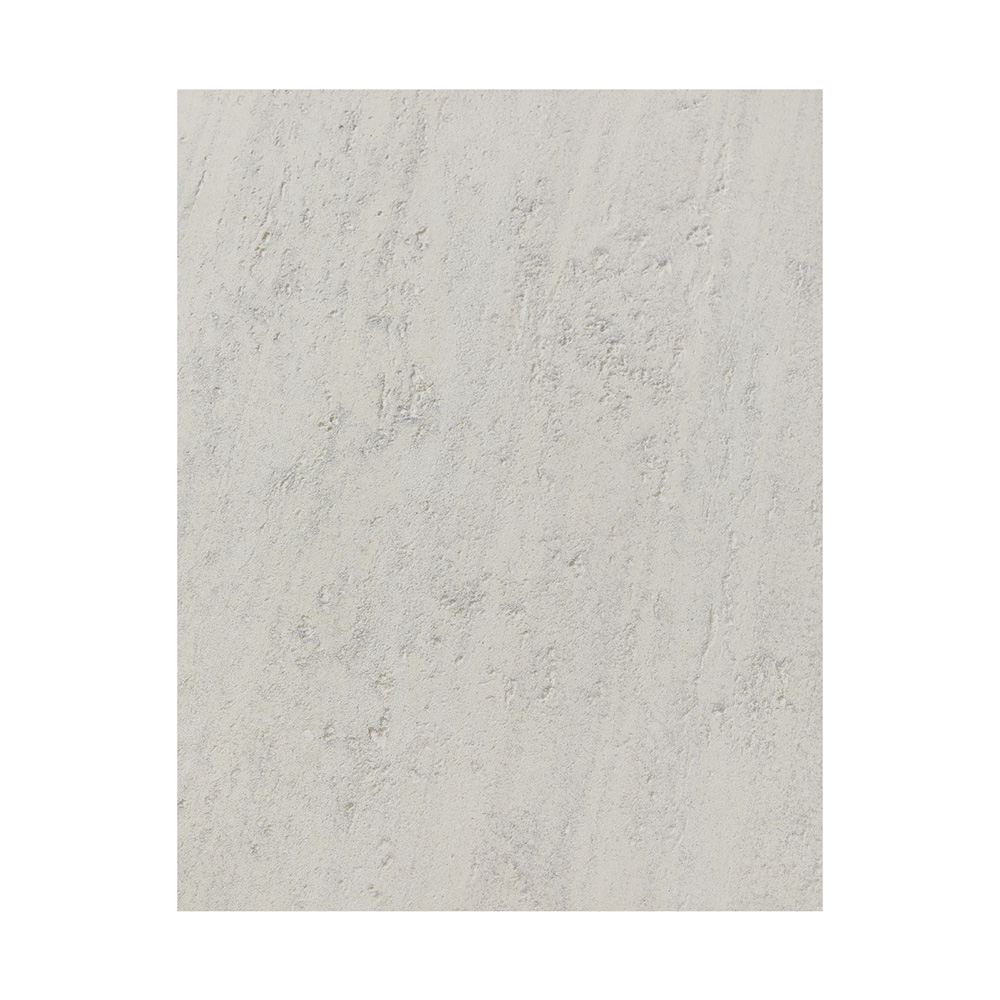
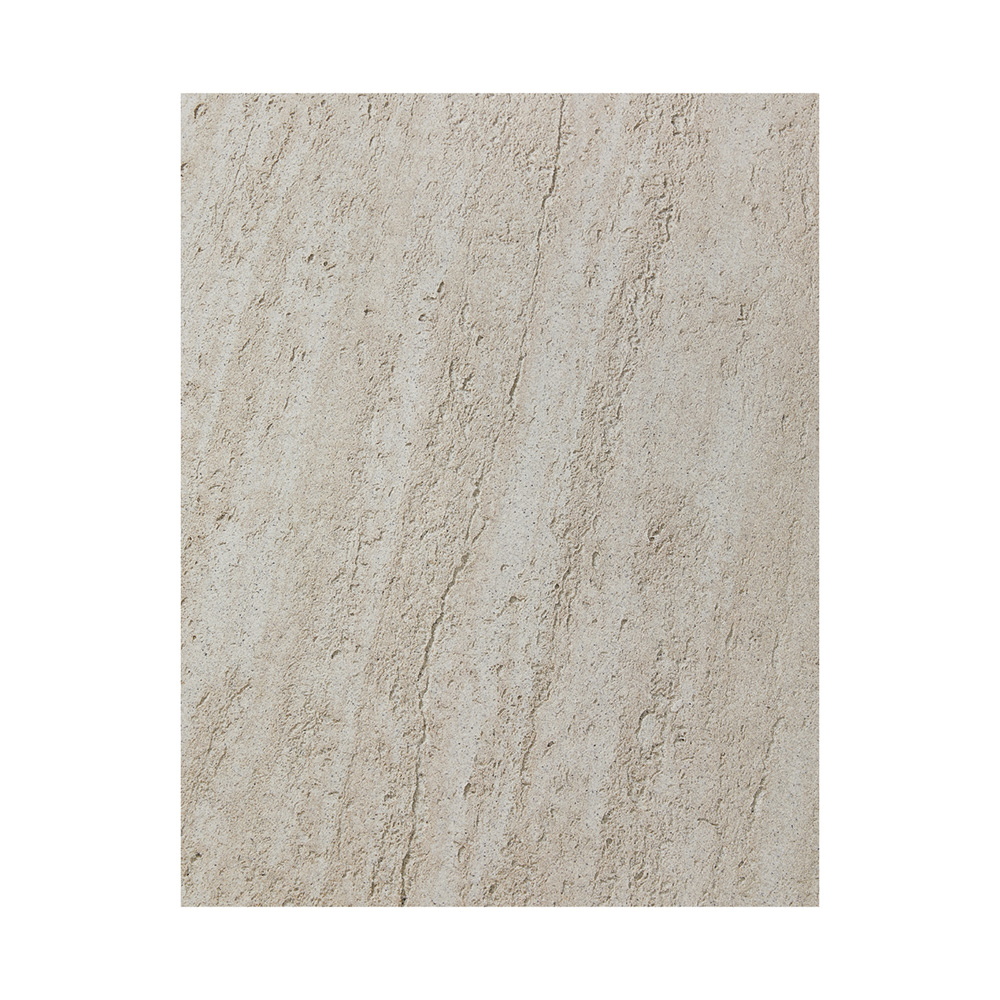
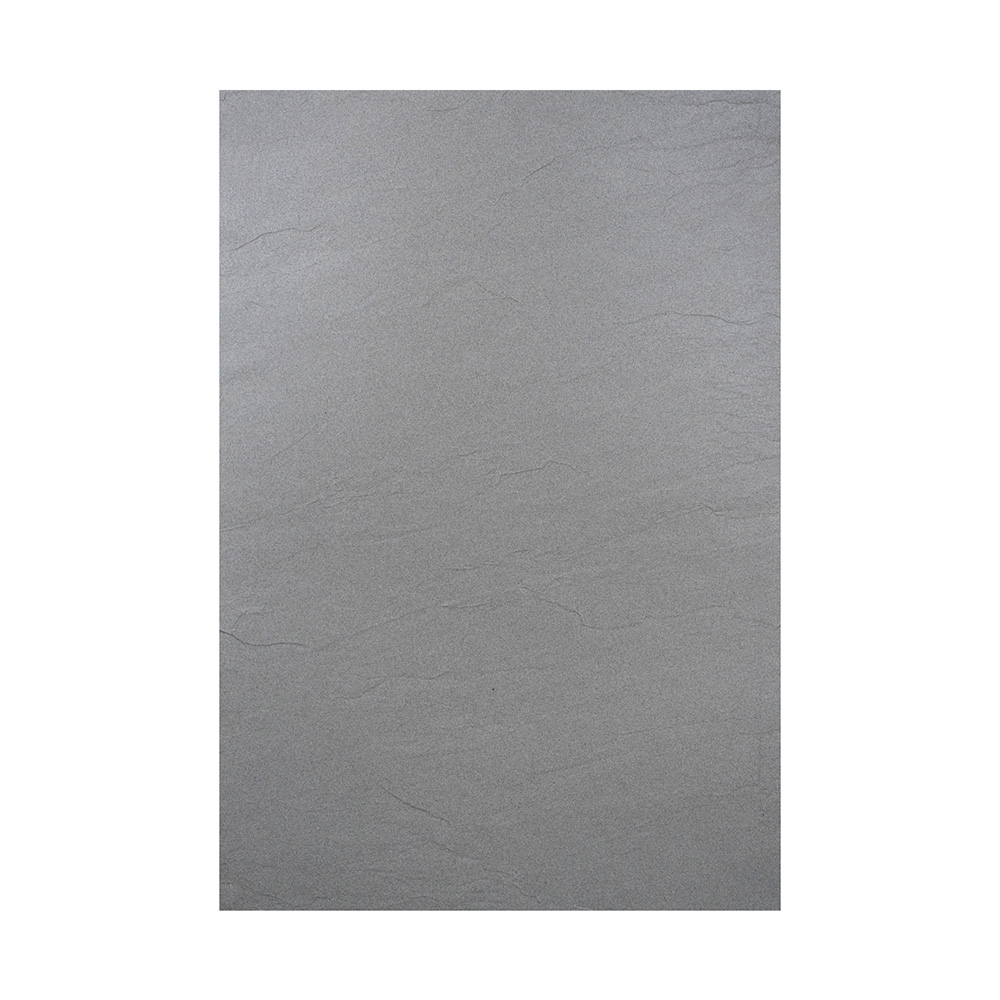
The "flowing" in the name is literal. Unlike flat-faced or grooved veneers, this panel replicates the undulating striations found in sedimentary rock formations — the kind of surface that catches light differently at every angle. Pair that with genuine flexibility, and you get something that rigid stone categorically cannot offer: the ability to clad columns, arched doorways, and curved feature walls without cutting, chiseling, or custom fabrication. Explore the full flexible stone veneer product range to see how Flowing Flexible Stone sits within a broader family of textures and finishes.
Good looks mean little without verified performance. Here is what the 600×900mm Flowing Flexible Stone veneer delivers on paper — and in the field.
| Parameter | Specification |
|---|---|
| Sheet Size | 600 × 1200 mm |
| Thickness | Approx. 2.5-3.5 mm |
| Weight | Lightweight — significantly below conventional stone tile |
| Fire Rating | Class A (fireproof) |
| Water Resistance | Waterproof — suitable for indoor and outdoor environments |
| UV Resistance | Yes — colorfast under long-term sun exposure |
| Flexibility | Bendable — conforms to curved and irregular surfaces |
| Application | Interior and exterior walls, columns, arches, facades |
The Class A fire rating is particularly relevant for high-rise and commercial projects where building codes impose strict material requirements. Waterproof performance, meanwhile, makes this veneer equally at home on exterior facades and bathroom feature walls — no sealant anxiety, no moisture-driven delamination.
The 600×1200mm format is intentionally large. Bigger sheets mean fewer seams, which is exactly what you want when the design calls for uninterrupted flowing texture across a wide accent wall or hotel lobby facade. The surface movement does the visual work; visible grout lines would only interrupt it.
Curved surfaces are where this material genuinely separates itself from the competition. Traditional stone on a cylindrical column requires precision cutting and considerable waste. Flowing Flexible Stone wraps the column in one continuous piece, preserving the organic grain direction and eliminating the patchwork look. The same principle applies to arched entryways, concave reception desks, and barrel-vault ceilings.
For flat-surface projects — exterior building facades, living room feature walls, commercial shopfronts — the large sheet size speeds up coverage while the distinctive flowing texture adds visual depth that flat-faced tiles simply lack. Architects looking for complementary textures should also consider travertine flexible stone panels for a more classical pored surface, or linear flexible stone veneer for a cleaner, horizontal-striped effect.
At 2.5–3.5 mm thick and weighing a fraction of conventional stone tile, Flowing Flexible Stone does not require mechanical anchoring systems or structural wall reinforcement. Standard tile adhesive bonds it directly to concrete, brick, cement board, or even existing tile surfaces — making renovation applications particularly efficient. No demolition, no additional load calculations.
The large 600×1200mm sheet format compounds the time savings. Fewer pieces per square meter means fewer adhesive applications, fewer alignment checks, and a faster path to project completion. On a typical exterior facade installation, labor hours drop substantially compared to small-format tile or natural stone slab work. For a closer look at the full process and technical requirements, the installation advantages guide covers substrate preparation, adhesive selection, and cutting technique in detail.
One practical note: because the sheets are flexible during handling but rigid once bonded and dried, positioning matters. Work in sections, check alignment before the adhesive sets, and trim edges with a standard utility knife — no wet saw required for straight cuts.
UV resistance keeps the color stable over years of sun exposure — no bleaching, no chalking, no fading to a pallid version of the original. The waterproof construction prevents the freeze-thaw cracking that shortens the lifespan of porous natural stone in cold climates. And because the surface is non-porous, cleaning requires nothing more aggressive than mild soap and water.
For designers and specifiers, Flowing Flexible Stone represents a straightforward value proposition: the visual impact of natural stone, the safety compliance of a Class A fire-rated panel, and the adaptability of a material that bends to fit the design rather than forcing the design to fit the material. Whether the project is a luxury residential renovation or a large commercial facade, the specifications hold up — and so does the surface.
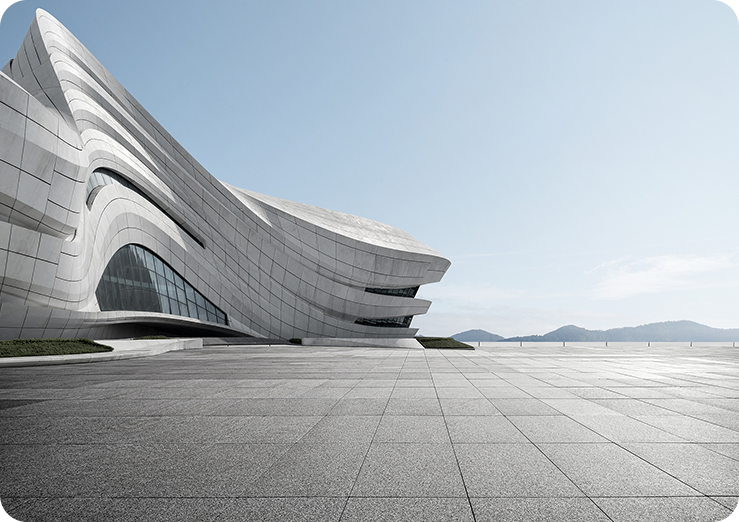

Justone is Thin Flexible Stone Veneer Sheet Supplier in China.The company takes innovation-driven development as its core, regards promoting the progress of the industry as its responsibility, deeply engages in the chemical composite building materials track, and demonstrates its professional expertise in this field.



 English
 Français
 Español
 Português
 عربى
عربى