

Content
Choosing the wrong wall cladding for a climate zone doesn't announce itself immediately — it shows up two winters later as spalling corners, faded facades, or smoke damage that could have been avoided. Flexible stone brick veneer solves many of these problems, but only if you match the product's rated performance to your actual project conditions. Here's what you need to know about fire rating, freeze-thaw resistance, and UV durability before you specify.
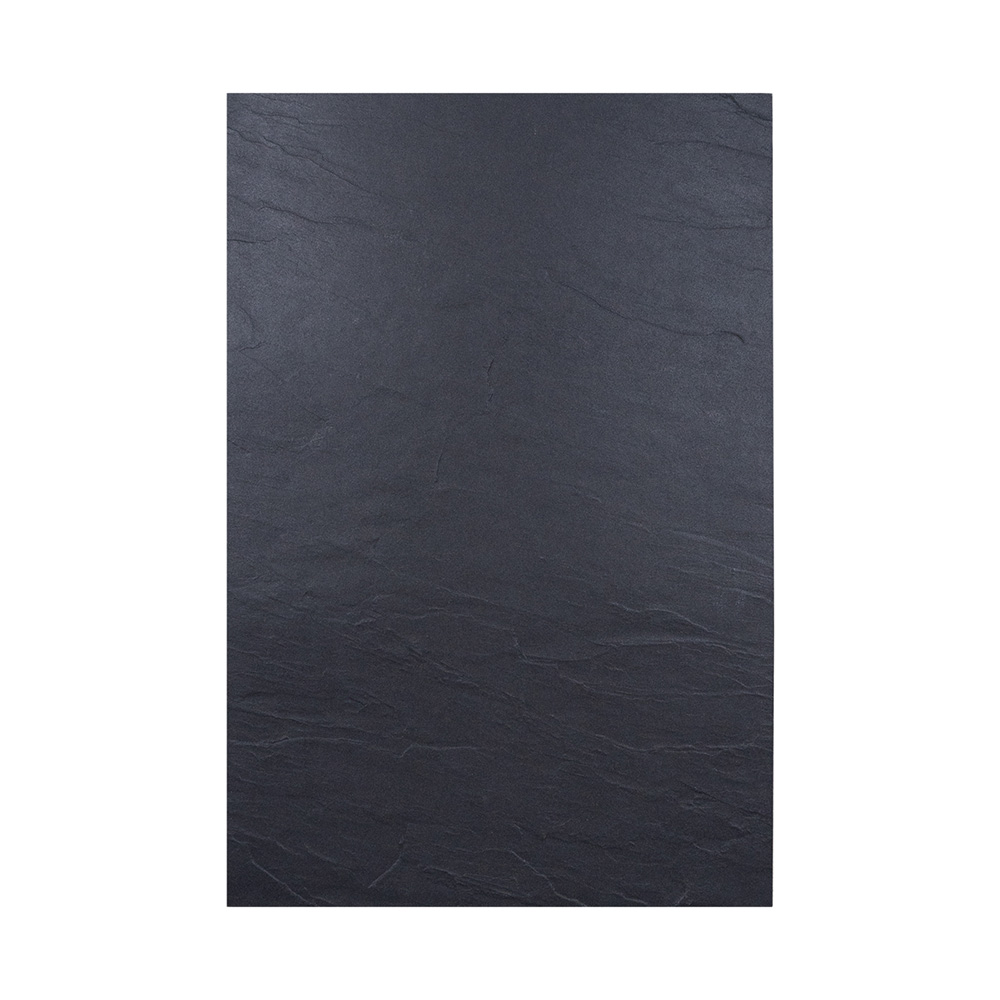
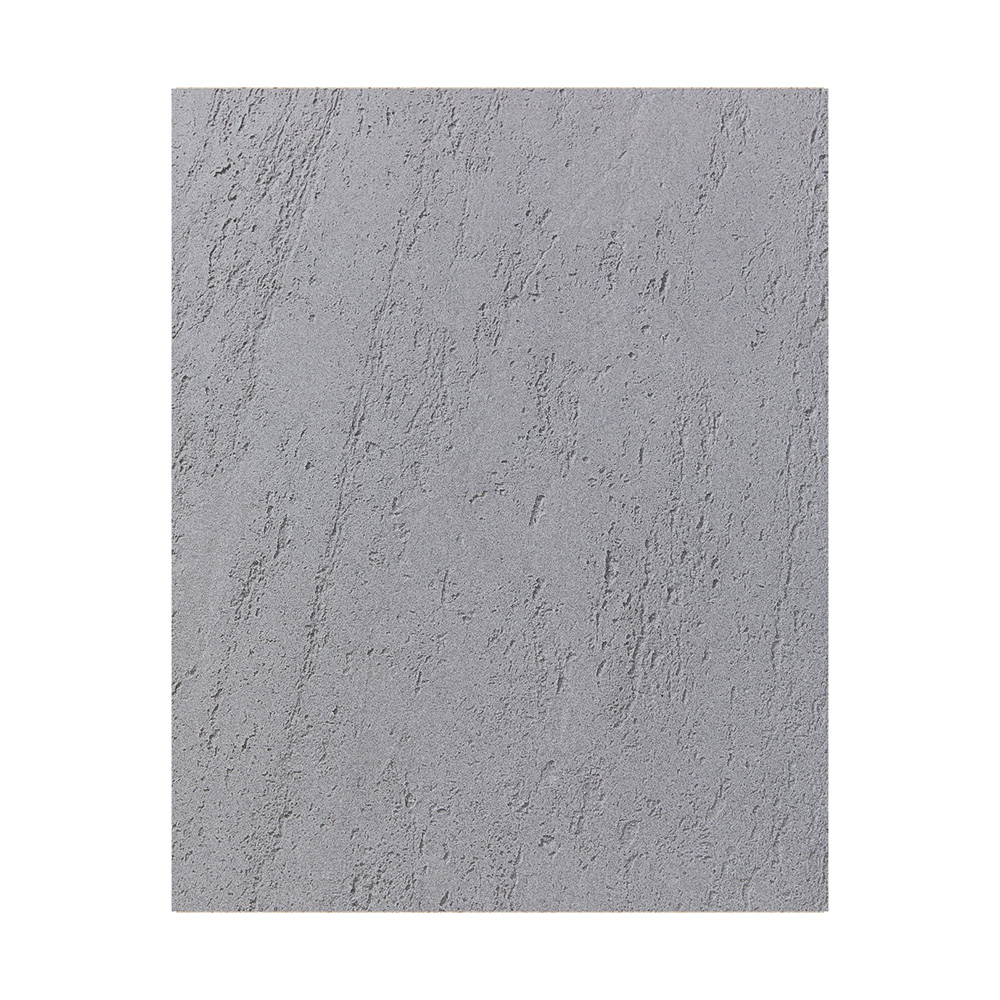
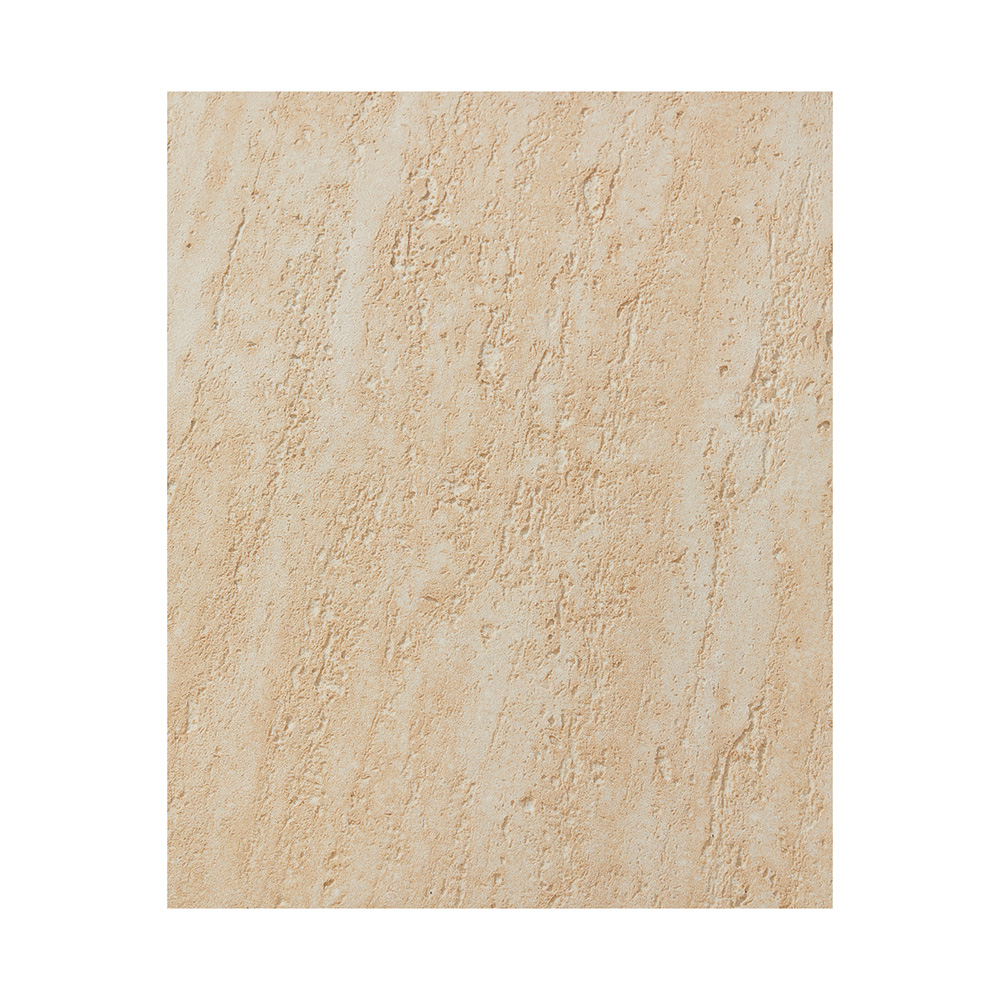
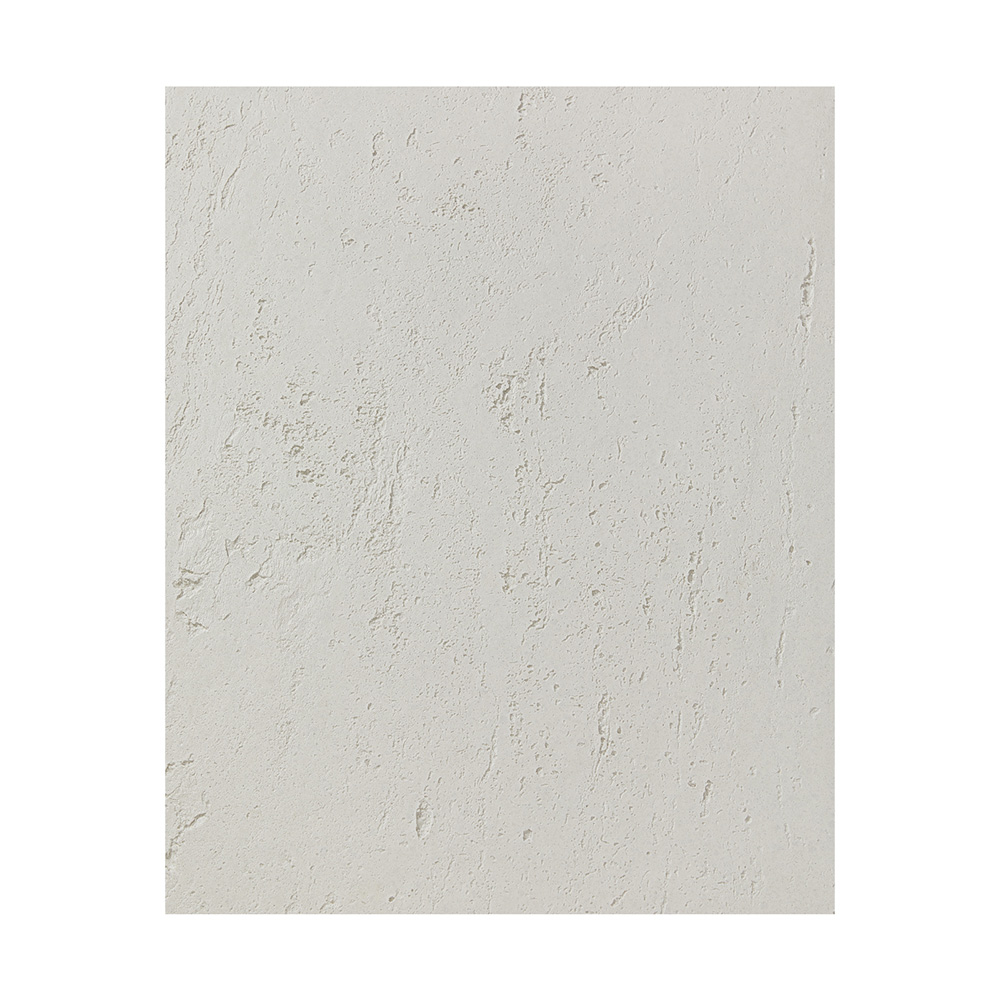
Traditional clay brick carries the aesthetic but comes with structural compromises: heavy weight, rigid installation constraints, and mortar joints that absorb water and crack under thermal cycling. Flexible stone brick veneer is made from natural stone powder and quartz sand, utilizing a proprietary 3D spray-casting process to form in one piece. The result is a material that weighs just 3–4 kg/m² at a thickness of 2.5–3.3mm — roughly 1/10th the weight of conventional brick — while retaining genuine stone texture and surface character.
That slim profile also enables a minimum bending radius of under 100mm, making it viable for curved columns, archways, and irregular facade geometries where rigid materials simply cannot go. A double-layer reinforced mesh backing provides the structural integrity that prevents cracking during installation and throughout the building's life.
Fire classification should be the first filter, not an afterthought. For occupied buildings — schools, hospitals, residential blocks — regulators in most markets require exterior cladding to meet specific combustibility thresholds. fire-resistant flexible stone brick panels certified for exterior wall use are formulated with inorganic stone content that does not support flame spread.
The practical implication: verify the supplier's fire test certificates correspond to the actual product thickness and backing configuration you're purchasing. A fire rating achieved at 3mm may not hold at 2.5mm, and ratings for interior use do not automatically transfer to exterior applications. For high-rise facades and public buildings, request documentation referencing the applicable national standard — not just a generic "fireproof" label.
Water absorption is the root cause of freeze-thaw failure. When liquid water enters a porous material and freezes, it expands approximately 9% by volume. Repeated over dozens or hundreds of cycles — common across Northern Europe, Canada, and highland climates — this expansion fractures the binder and delaminates surface layers.
Traditional clay brick durability standards (such as ASTM C216 Grade SW) were developed around exactly this problem. Flexible stone brick veneer addresses it differently: the polymer-composite matrix has inherently low water absorption, and waterproof flexible stone brick designed for cold and wet climates incorporates waterproof surface treatments that block capillary uptake at the substrate level.
| Climate Zone | Key Risk | Specification Priority |
|---|---|---|
| Cold / Sub-Arctic | Freeze-thaw cycling, moisture ingress | Waterproof + crack-prevention backing |
| Tropical / High Humidity | Moisture accumulation, mold, efflorescence | Moisture-proof surface treatment |
| Desert / High UV | UV degradation, color fading | UV barrier coating (≥99% blocking rate) |
| Temperate / Mixed | Seasonal moisture + moderate UV | Balanced waterproof + UV treatment |
For projects in freeze-thaw zones, also check whether the adhesive system is rated for thermal movement. The veneer itself may perform well, but bond failure at the substrate interface is a common failure mode that the veneer's own specs won't cover.
Natural stone powder doesn't fade — but the polymer binders that hold flexible stone together can degrade under prolonged ultraviolet exposure, leading to surface chalking, color shift, and eventual delamination. This is the central UV risk, and it's entirely a function of the coating system applied at the factory.
A high-performance UV barrier coating achieves a 99.1% UV blocking rate, which effectively eliminates photodegradation of the binder under standard exterior exposure. Some products also incorporate nano-material additives that reinforce UV resistance from within the composite structure, not just at the surface. For projects in equatorial regions, at high altitude, or on south-facing facades with long daily sun exposure, this distinction matters considerably.
The secondary benefit of UV protection is color stability. Facades specified for hotels, villas, or commercial buildings carry aesthetic commitments — a material that fades unevenly within five years creates maintenance problems and warranty disputes. Request accelerated UV aging test data (typically measured in equivalent exposure hours) rather than relying on qualitative claims.
Most projects don't require maximum performance on all three dimensions simultaneously. Optimizing for what your climate and building type actually need — rather than specifying the highest-rated option across the board — keeps costs controlled without sacrificing durability.
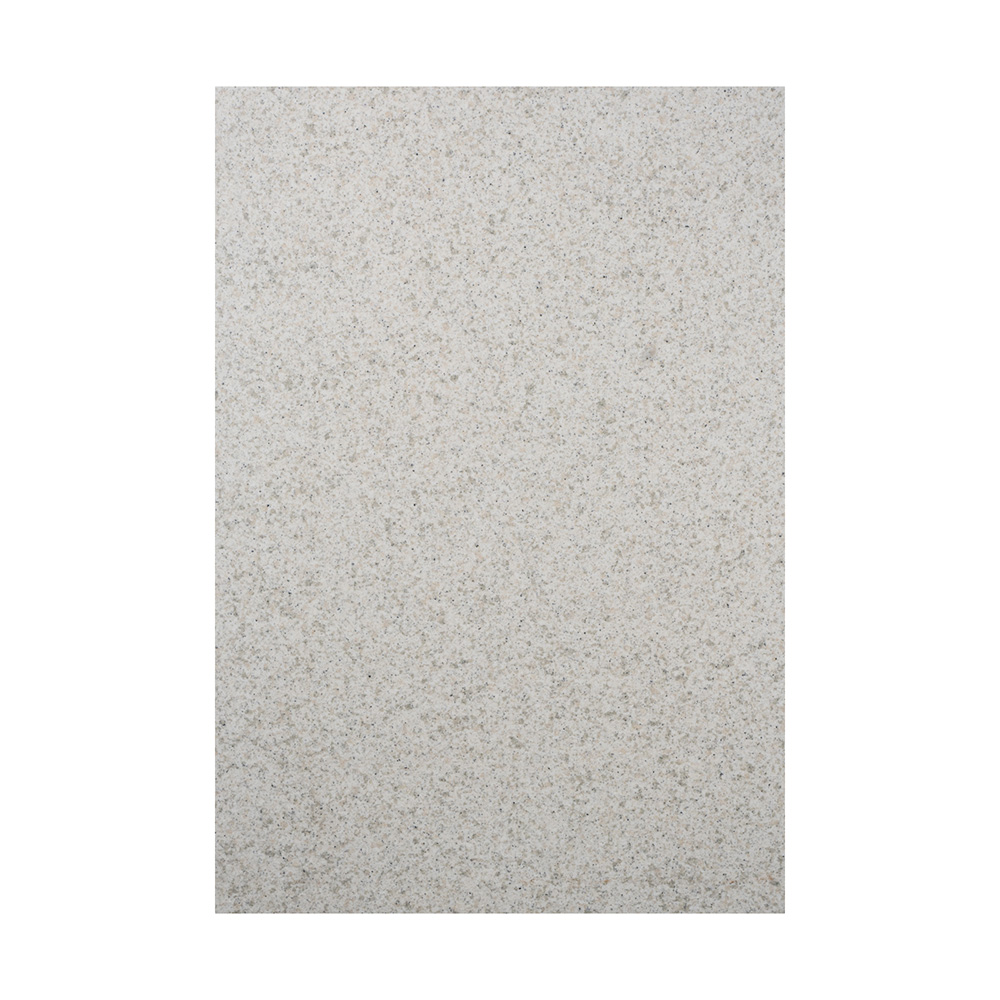
The full flexible stone brick veneer product range covers these use cases across multiple surface textures — from standard brick formats at 60×300mm to larger panels — with technical data sheets available per SKU. If your project sits at the boundary of a climate category, request physical samples and verify third-party test documentation before finalizing the specification.
No material performs to spec if the substrate is compromised. Wall moisture content above 10% at installation time will undermine adhesion regardless of the veneer's waterproofing credentials. Cement mortar should be fully cured before application, and expansion joints must be included at standard intervals to accommodate thermal movement — particularly in climates with high seasonal temperature swings. Following a structured installation process for flexible stone wall systems ensures the product's rated properties translate into actual service life.
Flexible stone brick delivers genuine performance advantages across fire safety, freeze-thaw durability, and UV resistance — provided the specification matches the site conditions and the installation is executed correctly. The material's light weight and flexibility open application possibilities that rigid brick cannot address, but those advantages only compound when the right product variant is selected for the climate.
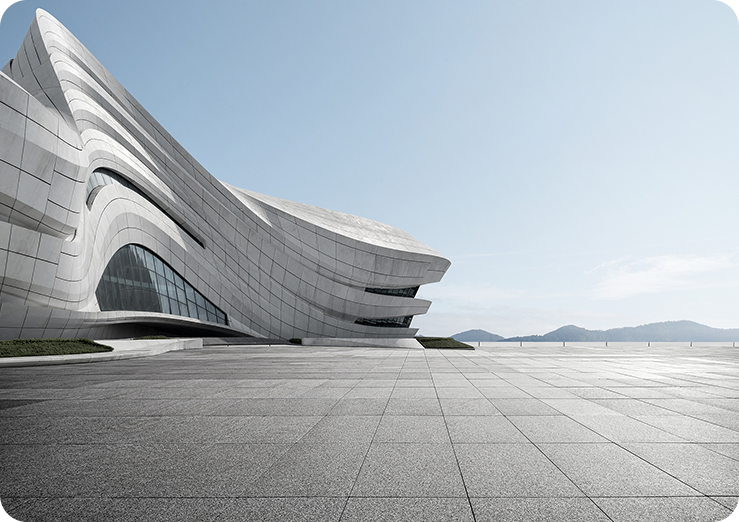

Justone is Thin Flexible Stone Veneer Sheet Supplier in China.The company takes innovation-driven development as its core, regards promoting the progress of the industry as its responsibility, deeply engages in the chemical composite building materials track, and demonstrates its professional expertise in this field.



 English
 Français
 Español
 Português
 عربى
عربى