

Content
Most flexible stone veneer failures don't happen during installation — they happen before it. A wall with moisture content above 10%, or cement mortar that hasn't cured long enough, will undermine even a perfect application. This guide gives you the exact numbers and sequence to get it right the first time.
Tools required are minimal: a utility knife for cutting, a V-notched trowel for adhesive application, and a tile clapper for pressing panels into place. All three can be sourced locally or supplied by your material vendor. For adhesive, you have two options:
• Flexible Stone Special Cement — purpose-formulated for this material, proprietary to specific manufacturers. Shelf life is 1 year unopened; store between -3°C and 30°C, away from direct sunlight. Once opened, reseal within 24 hours.
• Marble Adhesive — a standard alternative for compatible surfaces.
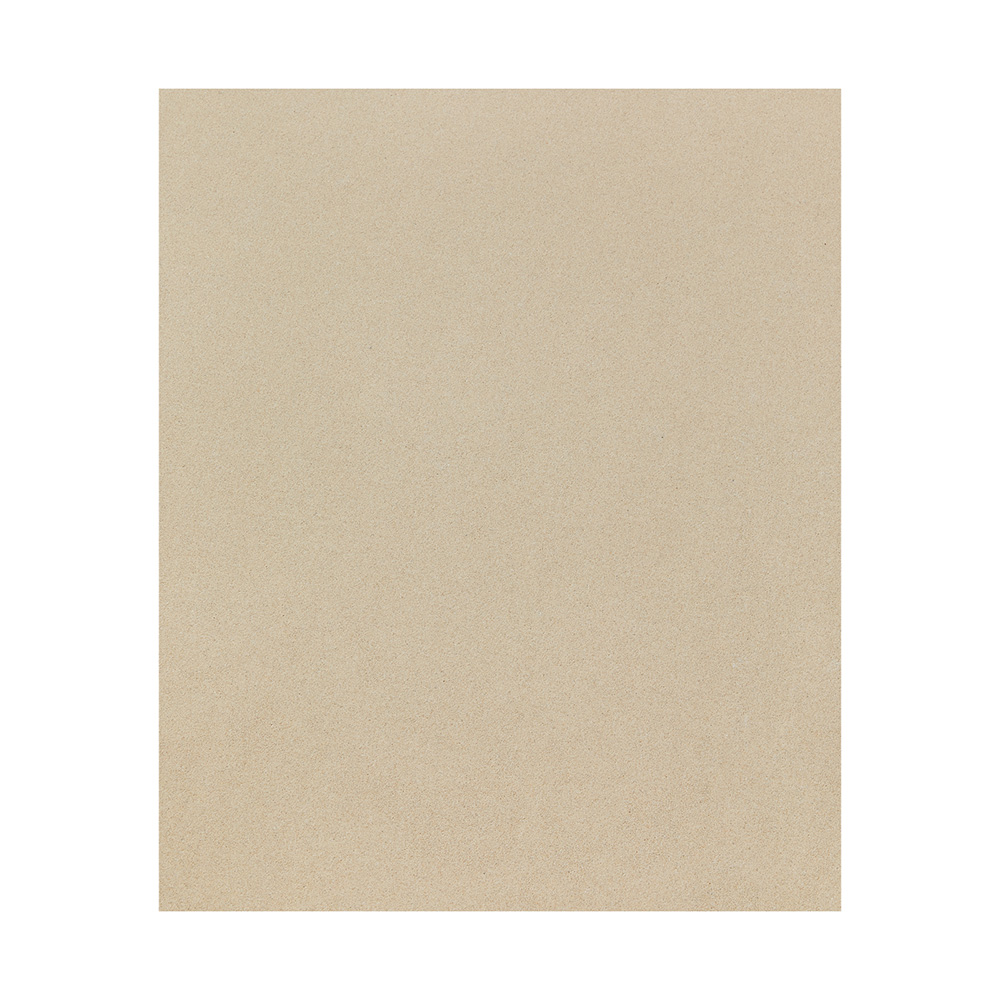
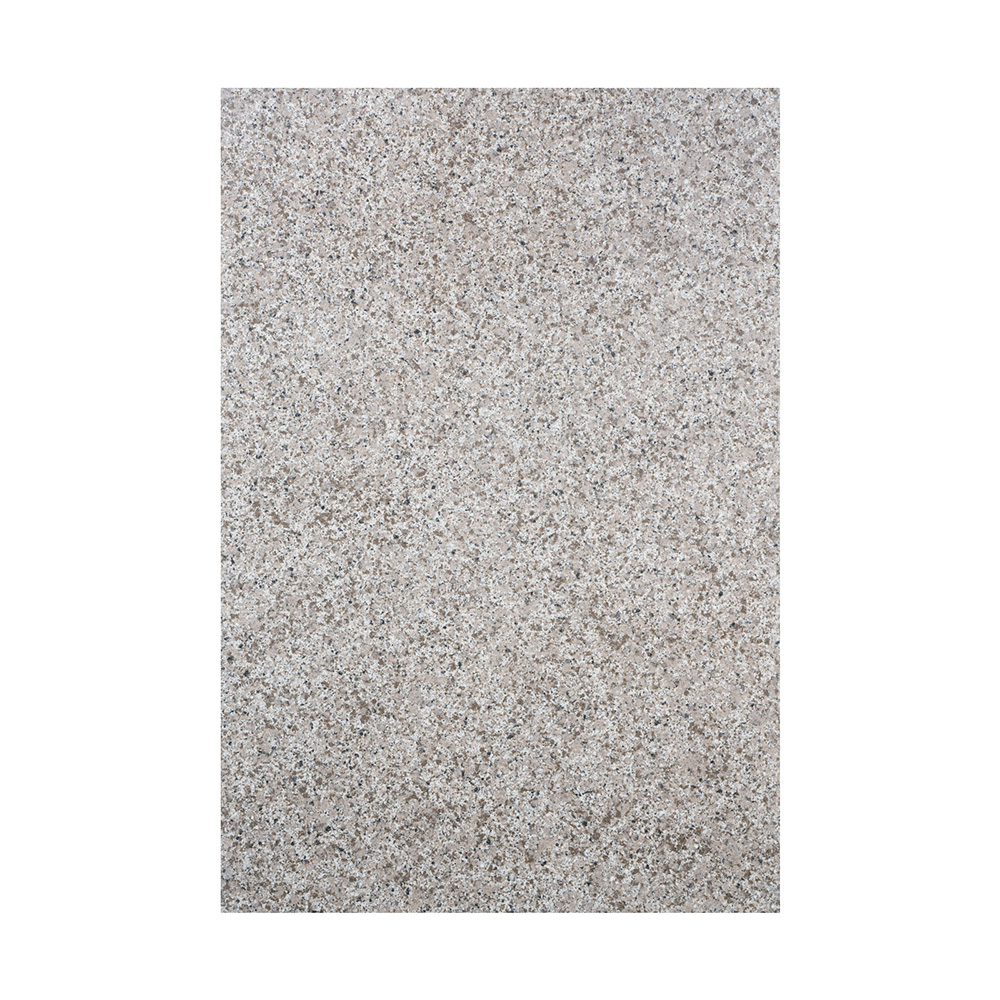
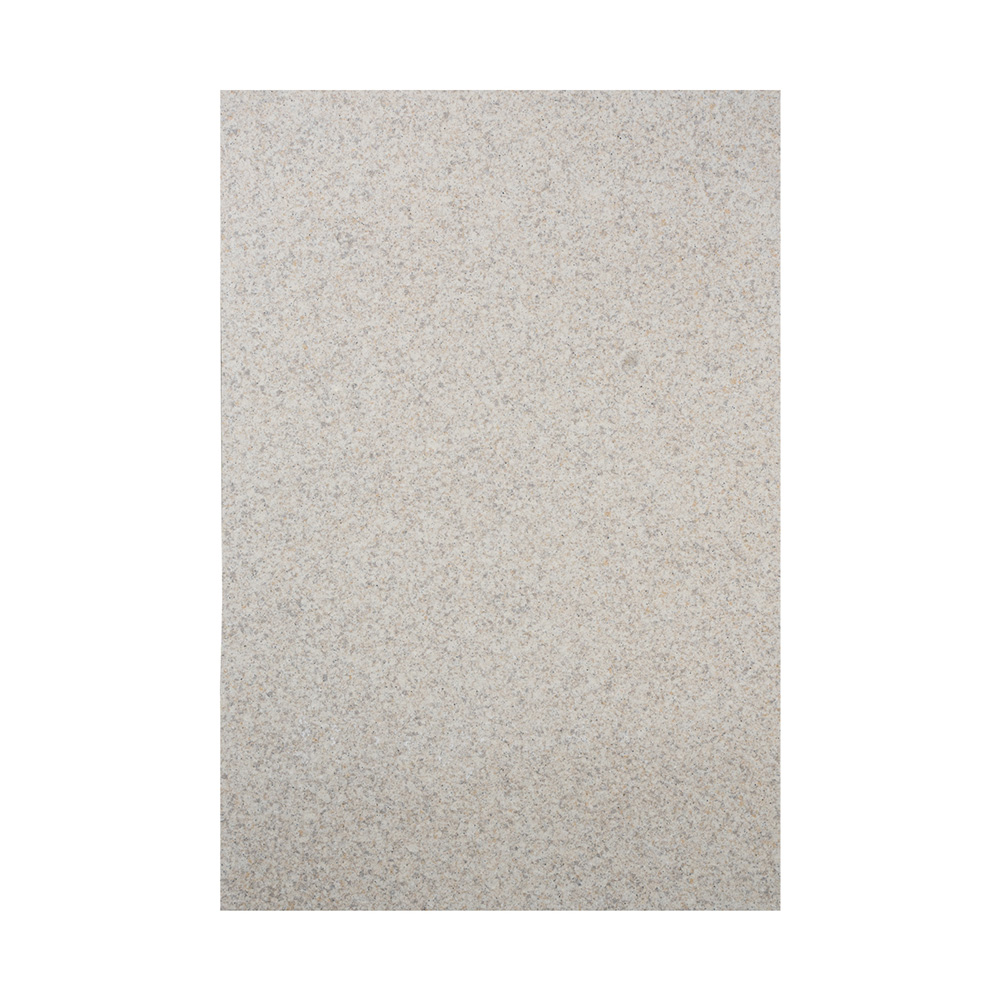
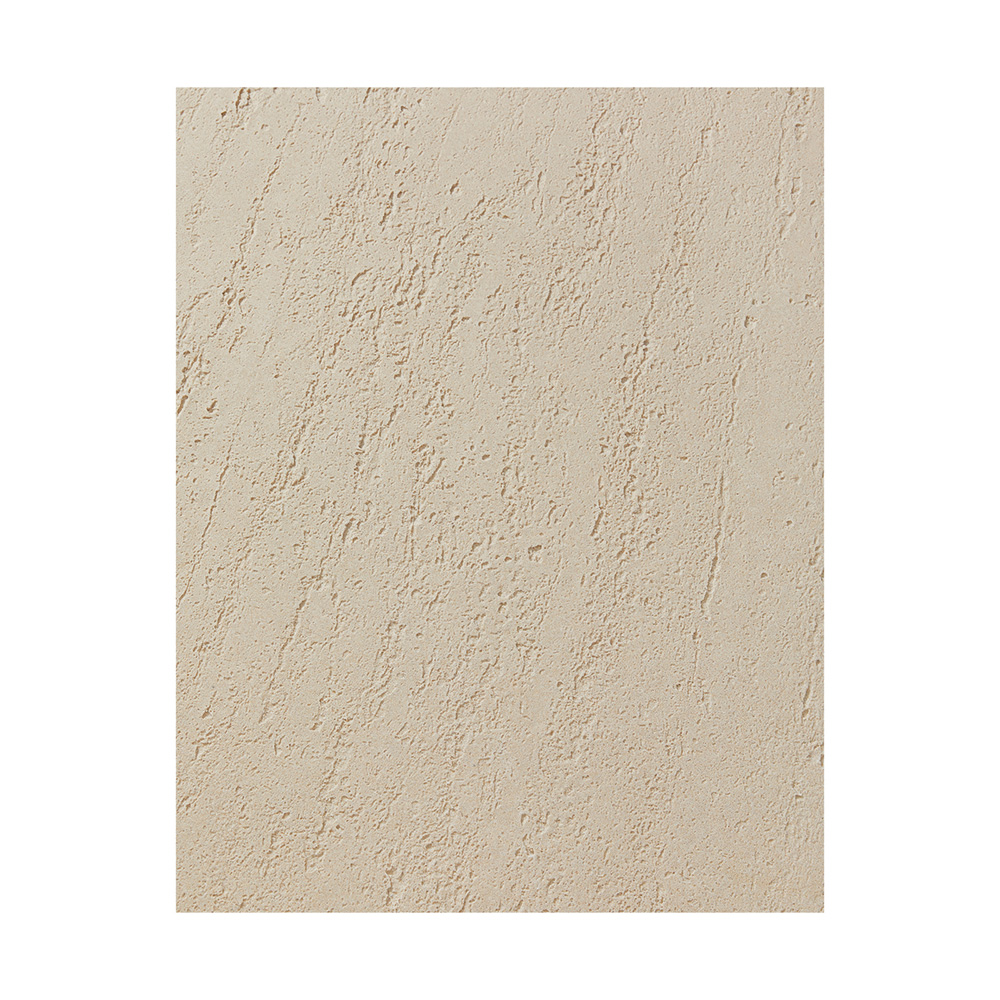
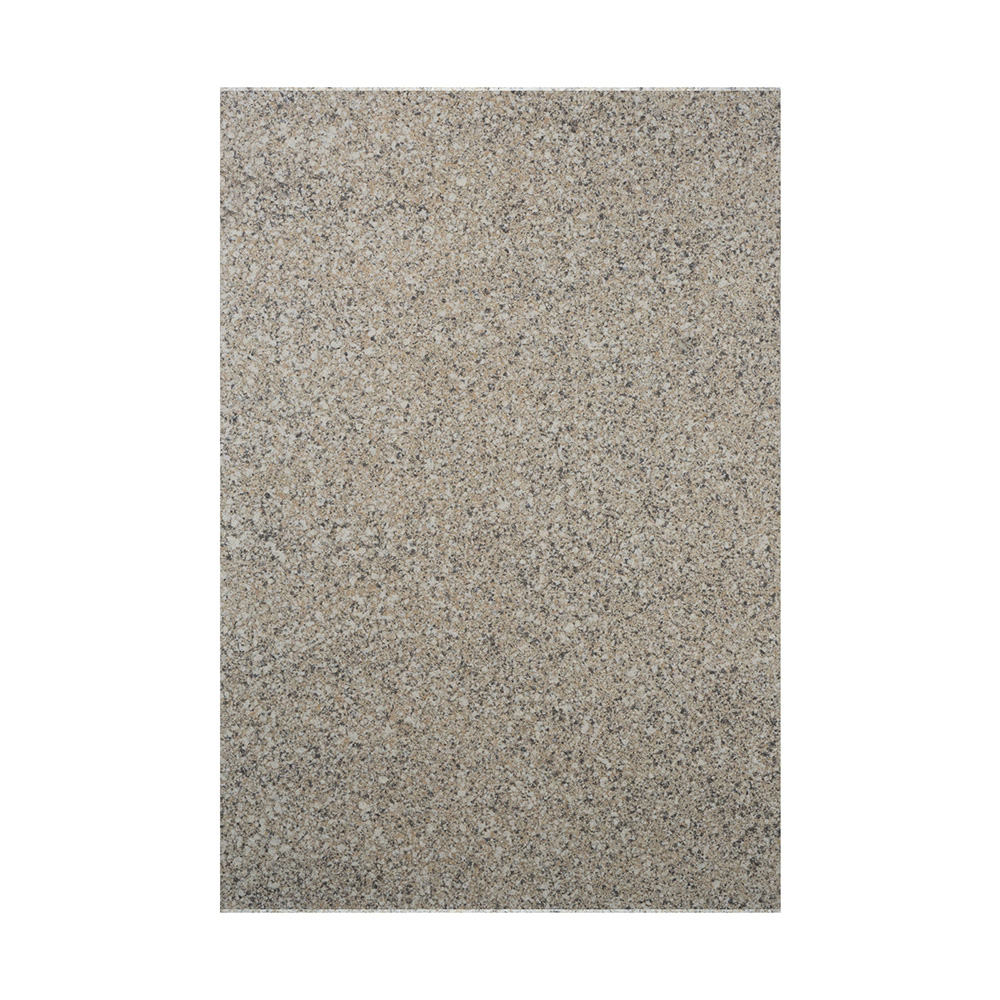
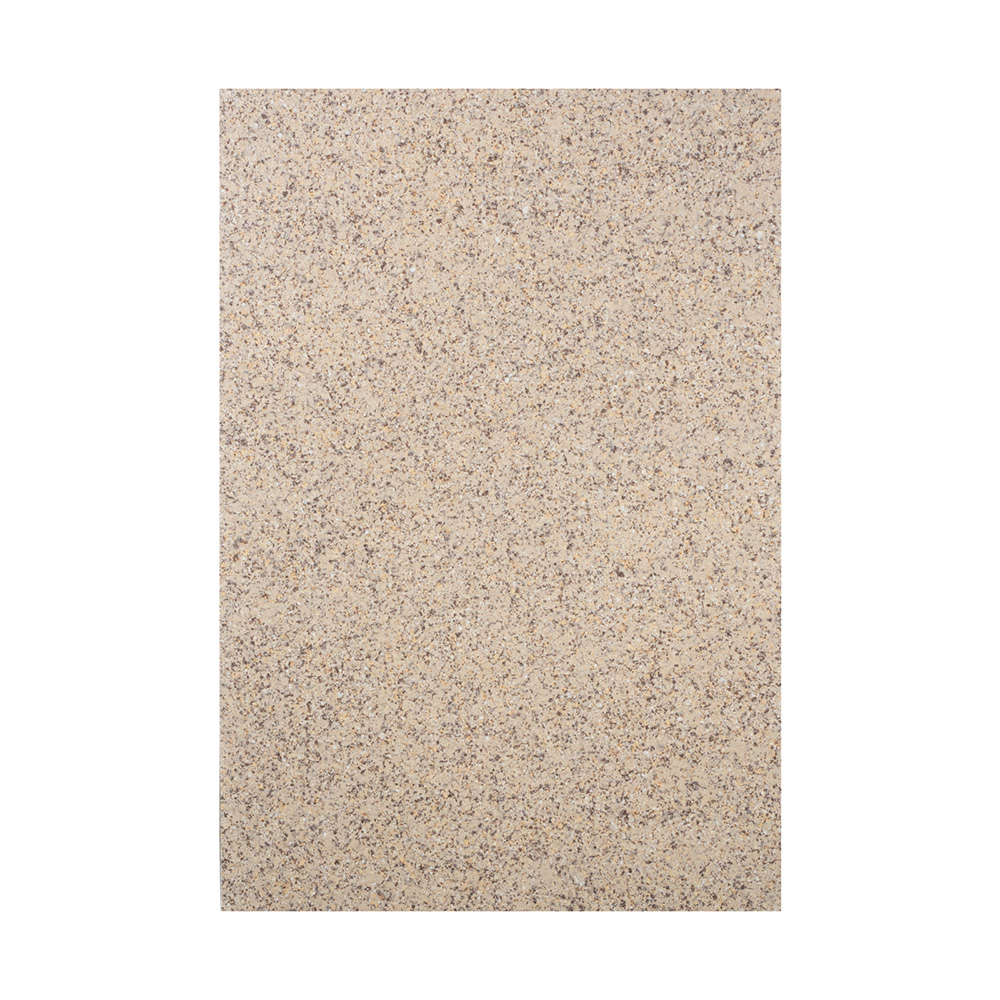
Browse travertine and sandstone flexible stone veneer options to confirm which adhesive your specific panel requires before purchasing materials.
This step determines whether everything that follows will hold. The substrate must meet all of the following before any adhesive is applied:
• Surface free of dust, grease, hollow spots, cracks, and powdering
• Moisture content ≤ 10%
• pH ≤ 10
• Tensile bond strength > 0.3 MPa
• New exterior cement mortar: minimum 15 days curing time before installation
High-alkali new walls require an alkali-resistant primer. Well-cured or older walls generally do not. These construction advantages of flexible stone veneer over traditional cladding become clear once you see how forgiving the installation process is on properly prepared substrates.
Wipe down the entire area thoroughly. Any residual grease or dust will reduce bond strength. This is not optional prep — it directly affects adhesion.
Load the special cement onto the trowel and press it flat against the wall to eliminate any gap, then drag to create grooves. Target cement thickness is 2–4 mm, with 3 mm as the ideal. Coverage runs 2.2–2.5 kg/m². Apply cement slightly larger than the panel area — you'll trim the excess afterward.
Always work from the top of the wall downward. This prevents freshly placed panels from being disturbed by work above them. Position each panel carefully before pressing — once contact is made, repositioning is difficult without disrupting the cement layer.
Use the tile clapper to press from the center outward in firm strokes. Pressing directly with bare hands creates uneven surface pressure and can contaminate or mark the stone face.
After each panel is set, check the surface for unevenness and correct immediately. The cement area applied was intentionally larger than the panel — scrape away the exposed overhang with a utility knife or trowel. Any cement that gets onto the stone face should be wiped off right away with a damp cloth using gentle strokes. Do not let it dry on the surface.
Flexible stone veneer cuts easily without power tools. Mark the cut line, score with the utility knife, and sand the edge smooth with sandpaper. For flexible stone veneer for exterior wall facades, precise edge cuts at corners and around window frames make a significant difference in the finished appearance.
Wait at least 24 hours after installation before filling seams. Two methods are available depending on your design intent:
• Sealed seam: Apply masking tape along both edges of the joint, fill with color-matched seam mortar, remove tape.
• Open grid joint: Apply masking tape, load seam cement into a piping bag with a 3–5 mm tip opening, fill completely, tool with a convex grout tool for a concave profile, remove tape.
Use high-quality masking tape in both cases — cheap tape can damage the stone surface on removal. For flexible stone brick veneer for walls, open grid joints with a consistent concave profile deliver the most authentic masonry appearance.
| Method | Appearance | Best For | Key Tip |
|---|---|---|---|
| Sealed Seam | Near-seamless, continuous surface | Travertine, sandstone, smooth textures | Color-match mortar to the panel |
| Open Grid Joint | Defined joint lines with concave profile | Brick veneer, linear, grooved patterns | Convex grout tool for clean concave shape |
The cement needs time to develop full strength — and disturbing it early is one of the most common causes of installation failure.
• Days 1–7: Initial drying phase. Do not move, bump, or apply pressure to any installed panels.
• Day 15: Full bond strength achieved. The installation is safe for normal use.
• During drying: Protect unfinished sections from direct rain. In wet weather, take active waterproofing measures on exposed walls.
• Scaffolding removal: Exercise care to avoid contact with the stone face when dismantling.
Clean up any cement residue from sub-window frames and other trim elements during the work — dried cement is significantly harder to remove after the fact. Follow a logical construction sequence from the start to avoid having to work around already-finished sections.


Justone is Thin Flexible Stone Veneer Sheet Supplier in China.The company takes innovation-driven development as its core, regards promoting the progress of the industry as its responsibility, deeply engages in the chemical composite building materials track, and demonstrates its professional expertise in this field.



 English
 Français
 Español
 Português
 عربى
عربى