

Content
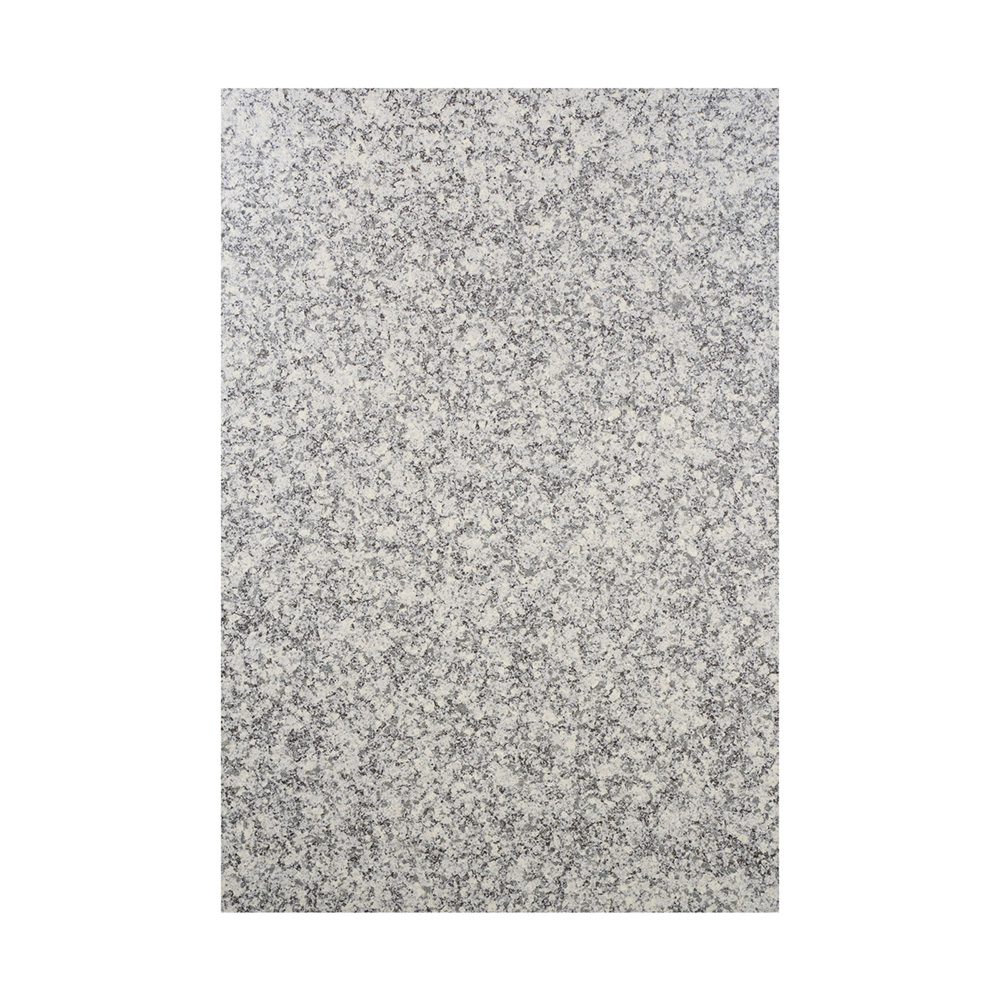
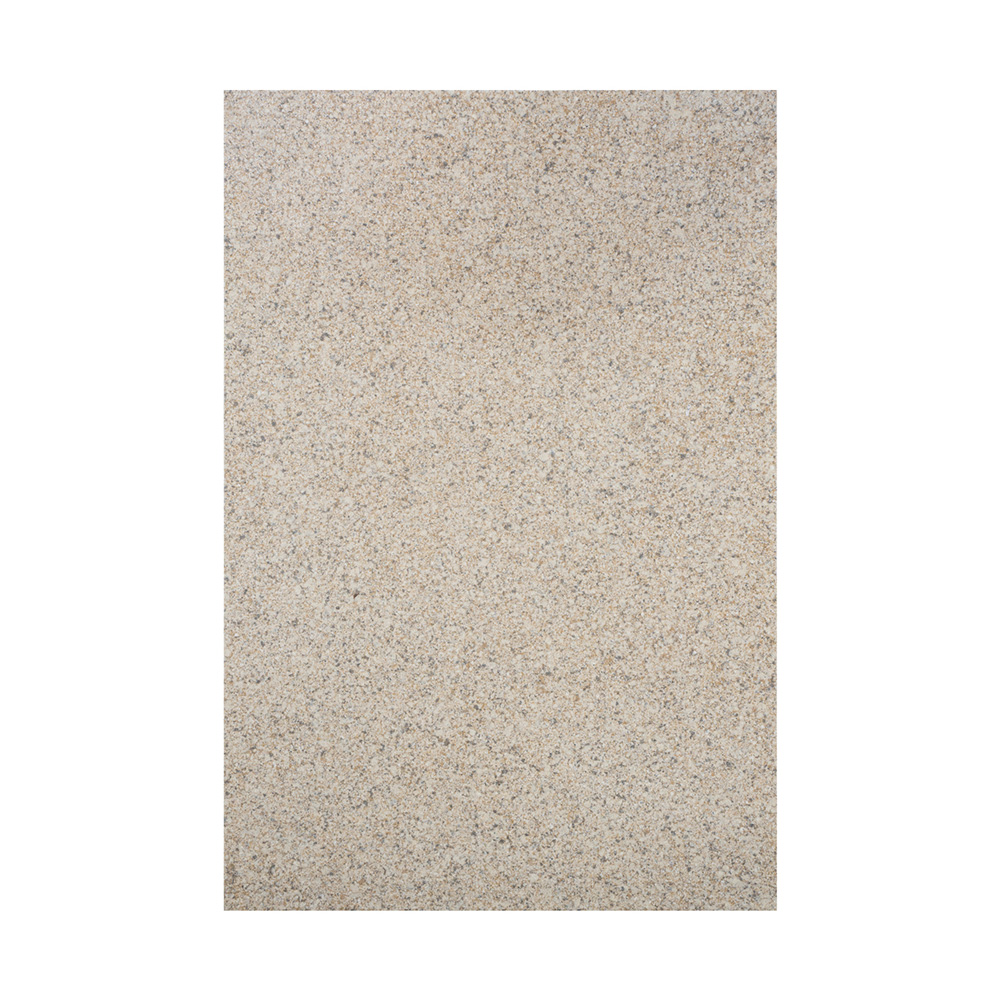
Flexible stone veneer has emerged as a versatile solution for modern interior applications, particularly for accent walls. Unlike traditional stone cladding, this material is lightweight, thin, and adaptable, making it ideal for both flat and curved surfaces. In interior design soft stone wall panel applications, flexibility allows designers to achieve natural stone aesthetics without the structural limitations of heavy materials.
A soft stone wall panel is typically made from real stone layers combined with a flexible backing, resulting in a product that maintains the texture and visual depth of natural stone while offering ease of installation. This makes it especially valuable in renovation projects or spaces where weight restrictions apply.
Interior designers increasingly prefer soft stone wall panel systems due to their practical and aesthetic benefits. These panels provide a balance between performance and visual appeal, supporting both residential and commercial design needs.
These advantages make flexible stone veneer an efficient choice for designers seeking to elevate interiors without compromising practicality.
Accent walls serve as focal points in interior spaces, and flexible stone veneer enhances their visual impact. Whether used in living rooms, hotel lobbies, or retail environments, soft stone wall panels add depth and sophistication.
In homes, interior design soft stone wall panel installations are commonly used behind TVs, fireplaces, or bed headboards. The natural textures create warmth and contrast against modern furniture and smooth surfaces.
Hotels, offices, and restaurants benefit from the premium appearance of stone without the installation challenges. Curved facades soft stone wall panel applications are particularly effective in reception areas, where organic shapes enhance spatial flow.
Retail designers use flexible stone veneer to create immersive brand experiences. Textured walls can guide customer movement and highlight product displays, especially when combined with strategic lighting.
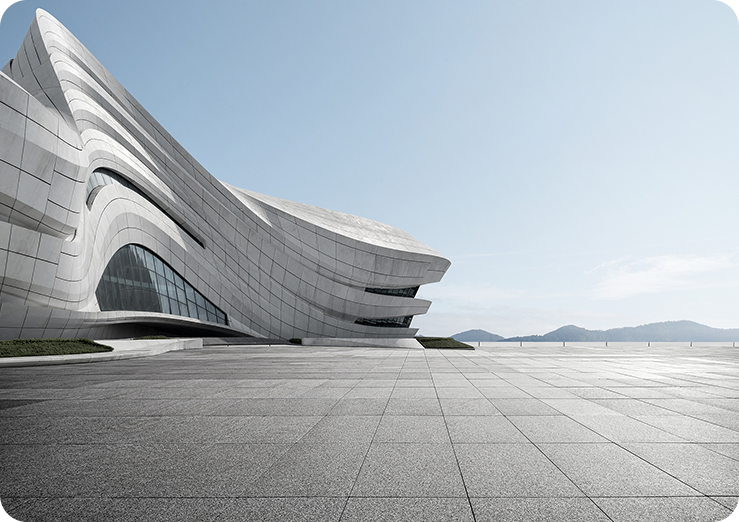
One of the most significant advantages of flexible stone veneer is its adaptability to curved surfaces. Traditional stone materials are difficult to shape, but soft stone wall panels can conform to cylindrical columns, arches, and wave-like walls.
Designers can use curved facades soft stone wall panel solutions to introduce fluidity into interior spaces. This approach works particularly well in contemporary and biophilic designs, where natural forms are emphasized.
Choosing the right soft stone wall panel involves evaluating performance characteristics and design compatibility. Designers should consider the following parameters:
| Parameter | Description | Design Impact |
| Thickness | Typically 1–3 mm | Affects flexibility and durability |
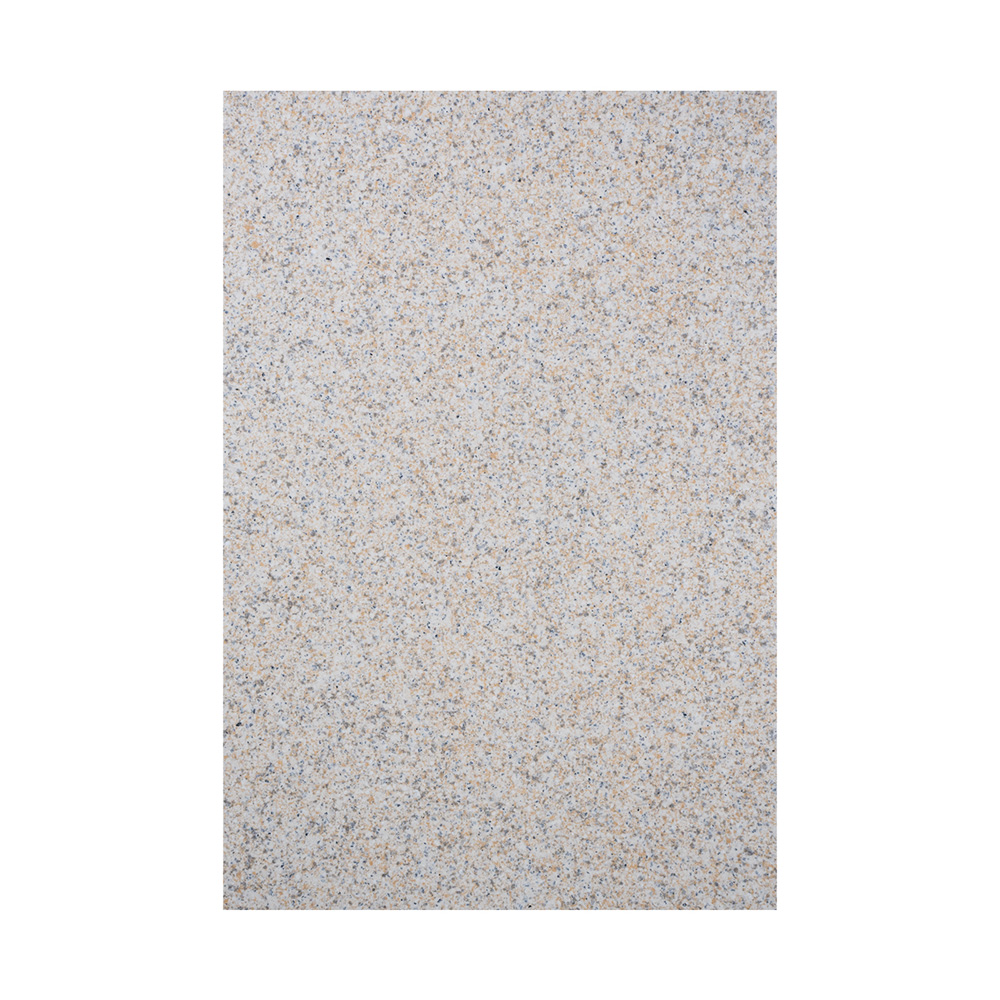
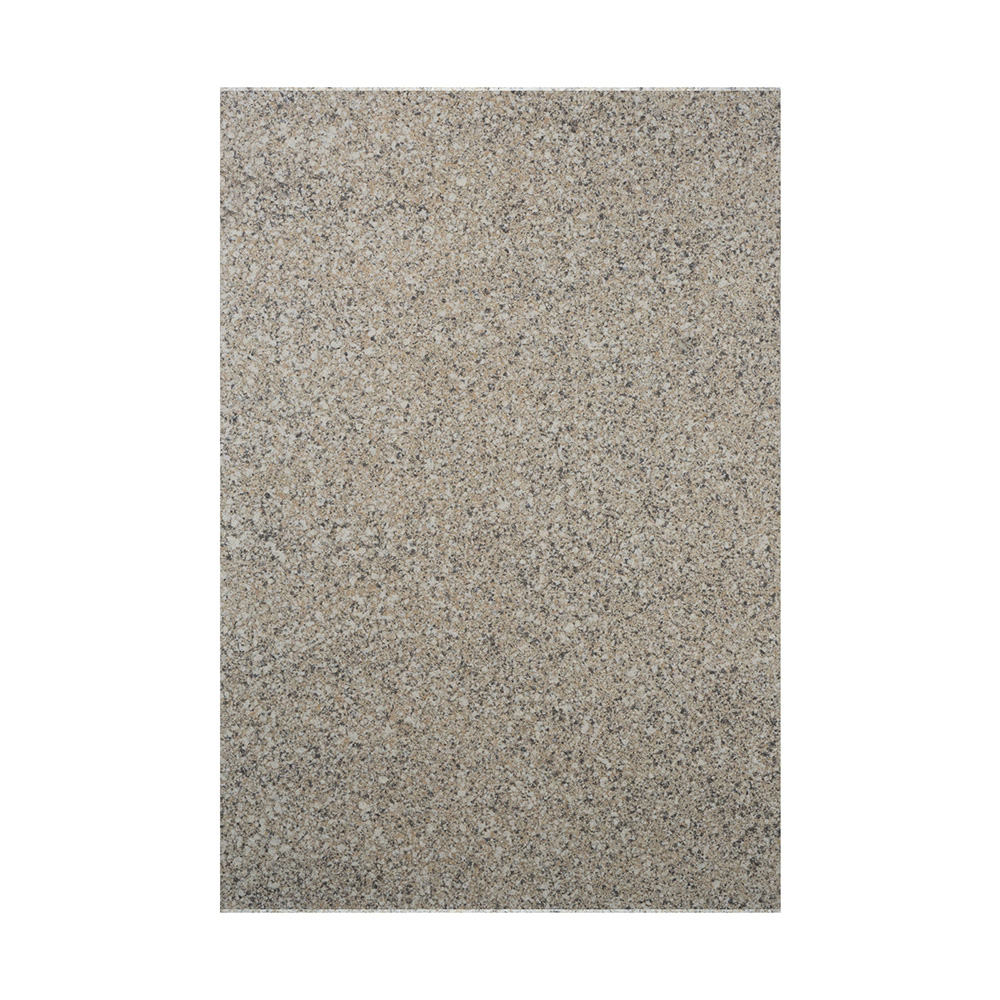
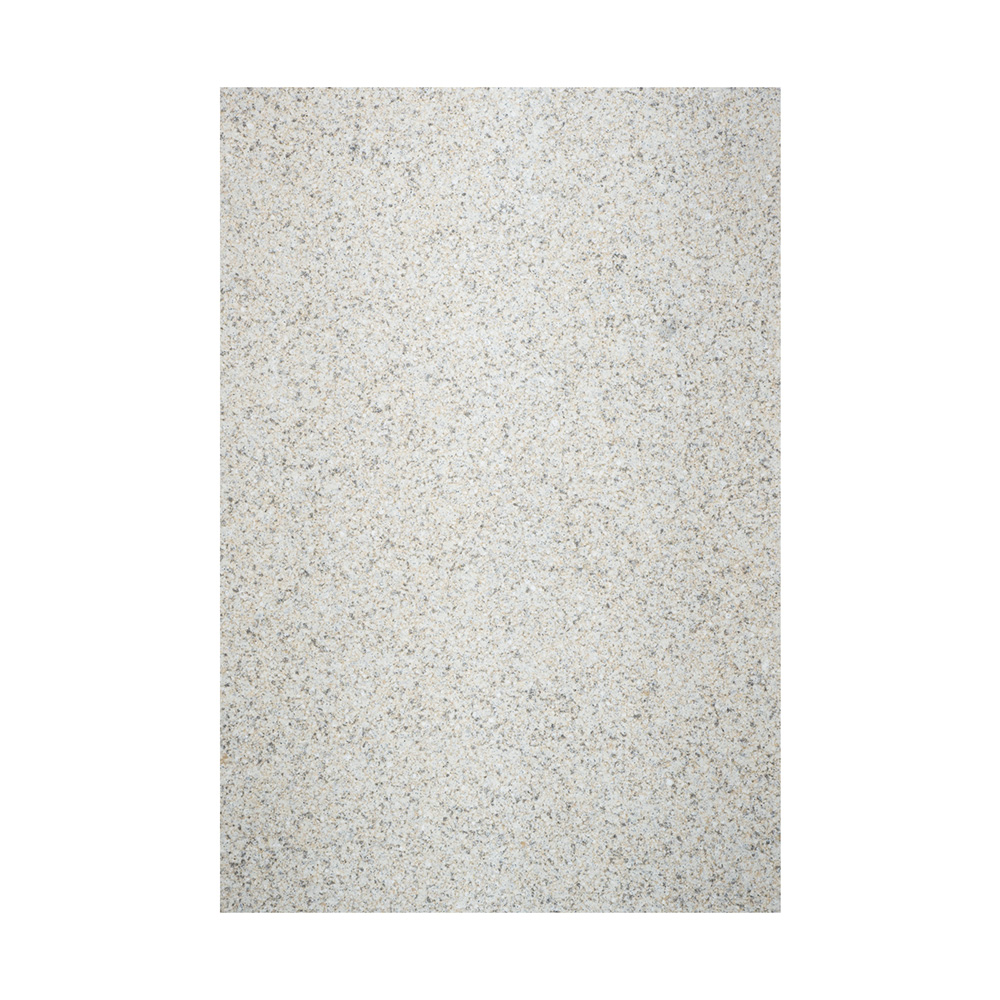
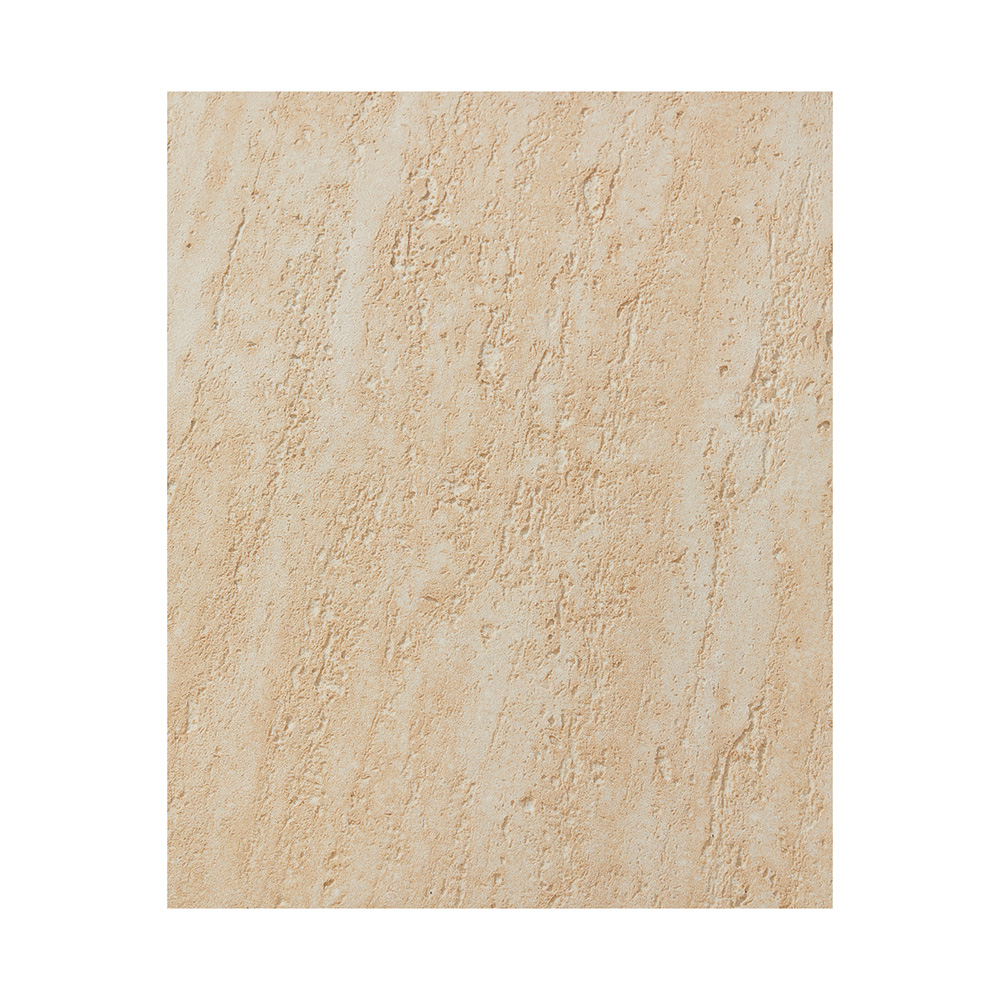
| Surface Finish | Natural, polished, or textured | Defines aesthetic style |
| Backing Material | Fiberglass or polymer | Determines flexibility |
| Color Variation | Natural stone patterns | Enhances visual depth |
Understanding these specifications ensures that the selected material aligns with both functional requirements and design intent.
Proper installation is essential to maximize the performance and longevity of flexible stone veneer. While the process is simpler than traditional stone, attention to detail is still critical.
Ensure the substrate is clean, dry, and level. Any irregularities can affect adhesion and final appearance.
Use high-quality adhesives compatible with both the backing material and the substrate. This is especially important for curved facades soft stone wall panel applications.
Panels can be cut with standard tools, allowing precise fitting around edges and fixtures. Gentle handling prevents damage to the stone surface.
Applying a protective sealant enhances durability and simplifies maintenance, particularly in high-traffic or moisture-prone areas.
Soft stone wall panels require minimal maintenance compared to traditional stone surfaces. Regular cleaning with mild detergents is sufficient to maintain their appearance.
With proper care, flexible stone veneer installations can maintain their visual appeal for many years, making them a durable investment.
To fully leverage the potential of interior design soft stone wall panel solutions, designers should consider the following strategies:
These techniques help transform simple walls into standout design features that enhance the overall spatial experience.
Flexible stone veneer offers a compelling combination of beauty, flexibility, and practicality. For interior designers, soft stone wall panel systems provide an efficient way to integrate natural stone aesthetics into diverse environments, including complex curved facades.
By understanding material properties, installation techniques, and design strategies, professionals can fully utilize this innovative solution to create visually striking and functional accent walls. As demand for adaptable and sustainable materials grows, flexible stone veneer will continue to play a key role in contemporary interior design.

Justone is Thin Flexible Stone Veneer Sheet Supplier in China.The company takes innovation-driven development as its core, regards promoting the progress of the industry as its responsibility, deeply engages in the chemical composite building materials track, and demonstrates its professional expertise in this field.



 English
 Français
 Español
 Português
 عربى
عربى