

Content
Across residential builds, commercial fit-outs, and high-end architectural projects, soft stone wall panels have become one of the most talked-about materials in the construction industry. For builders, contractors, and architects alike, these panels offer a compelling combination of authentic stone aesthetics, reduced structural load, and dramatically simplified installation. Unlike quarried natural stone, which demands specialized labor, heavy-duty structural support, and significant transport logistics, soft stone panels deliver a comparable visual result at a fraction of the complexity and cost.
Understanding what soft stone wall panels are — and how to select, specify, and install them correctly — is essential for any professional working in today's competitive construction environment. This guide breaks down everything builders, contractors, and architects need to know to make informed, confident decisions.
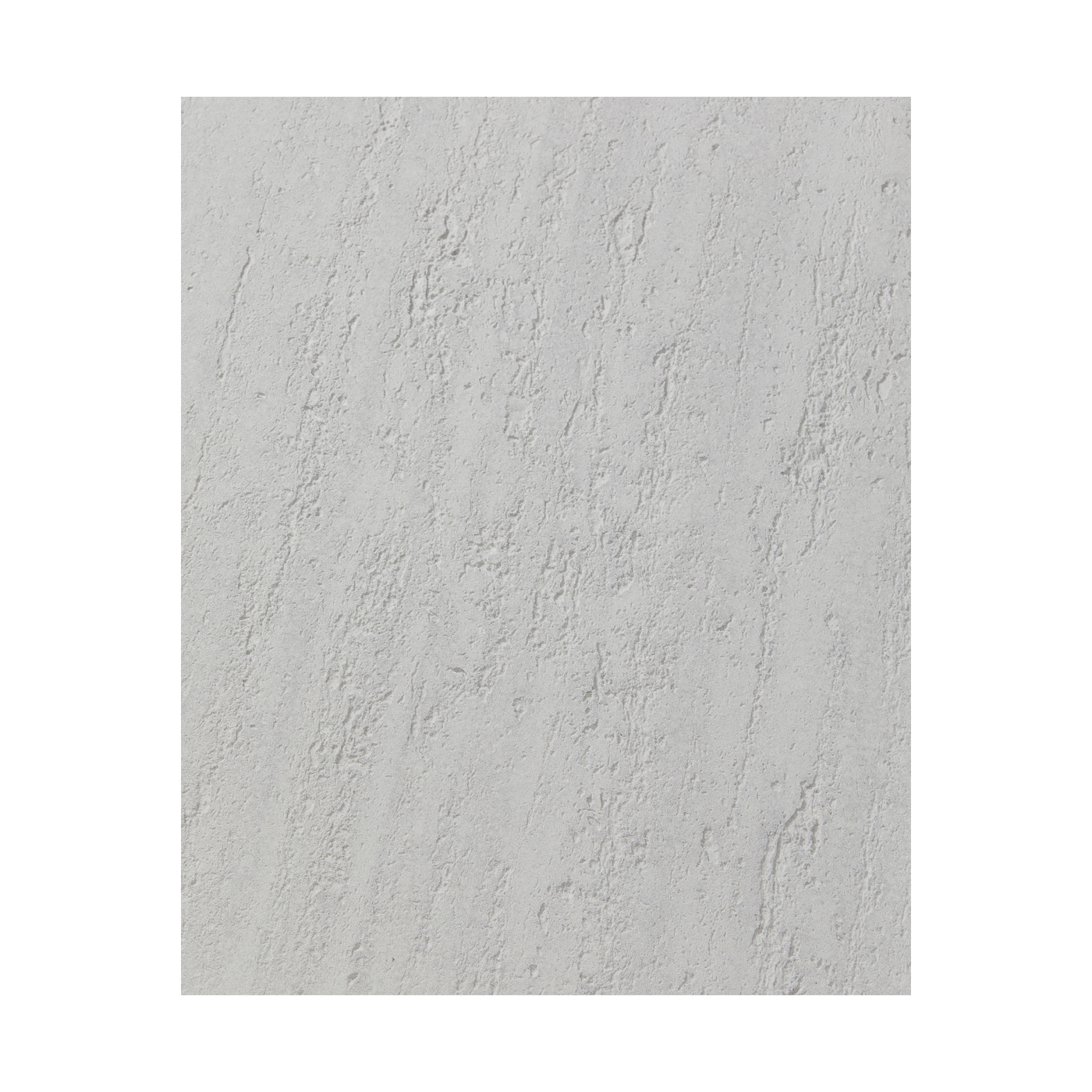
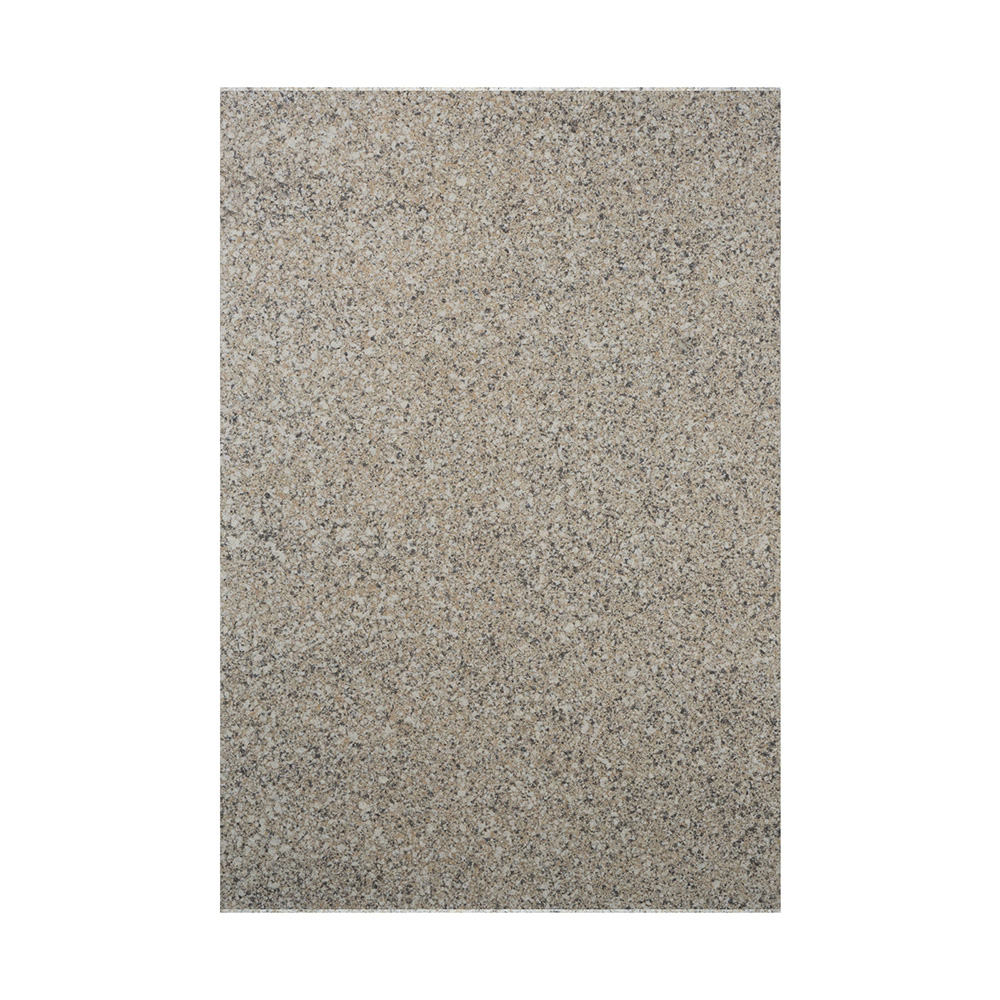
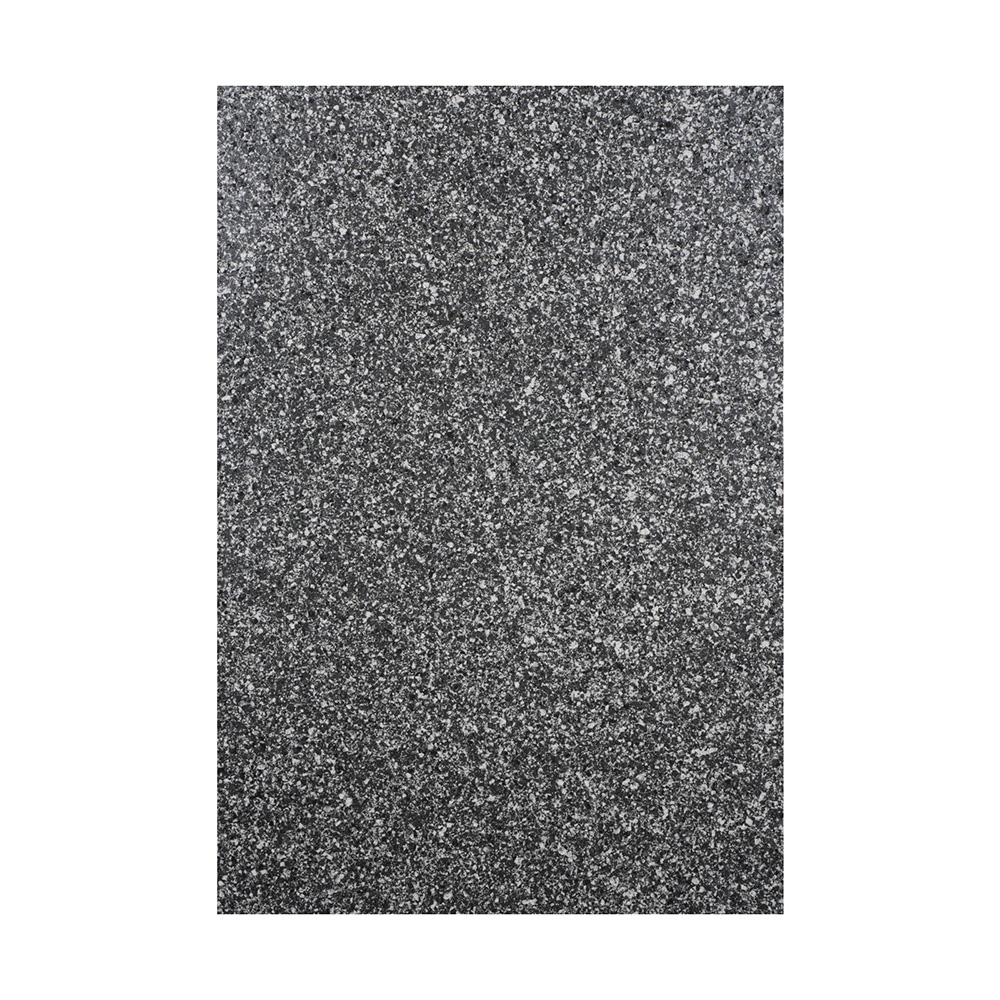
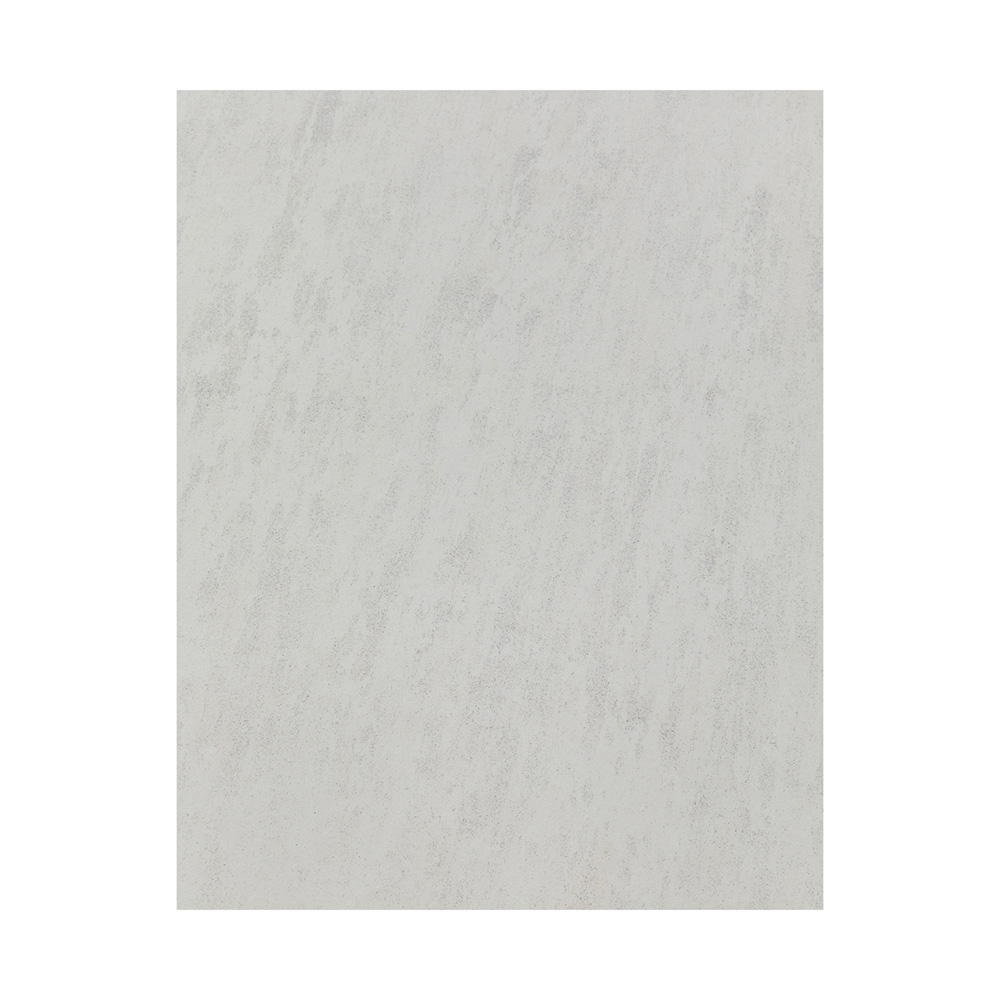
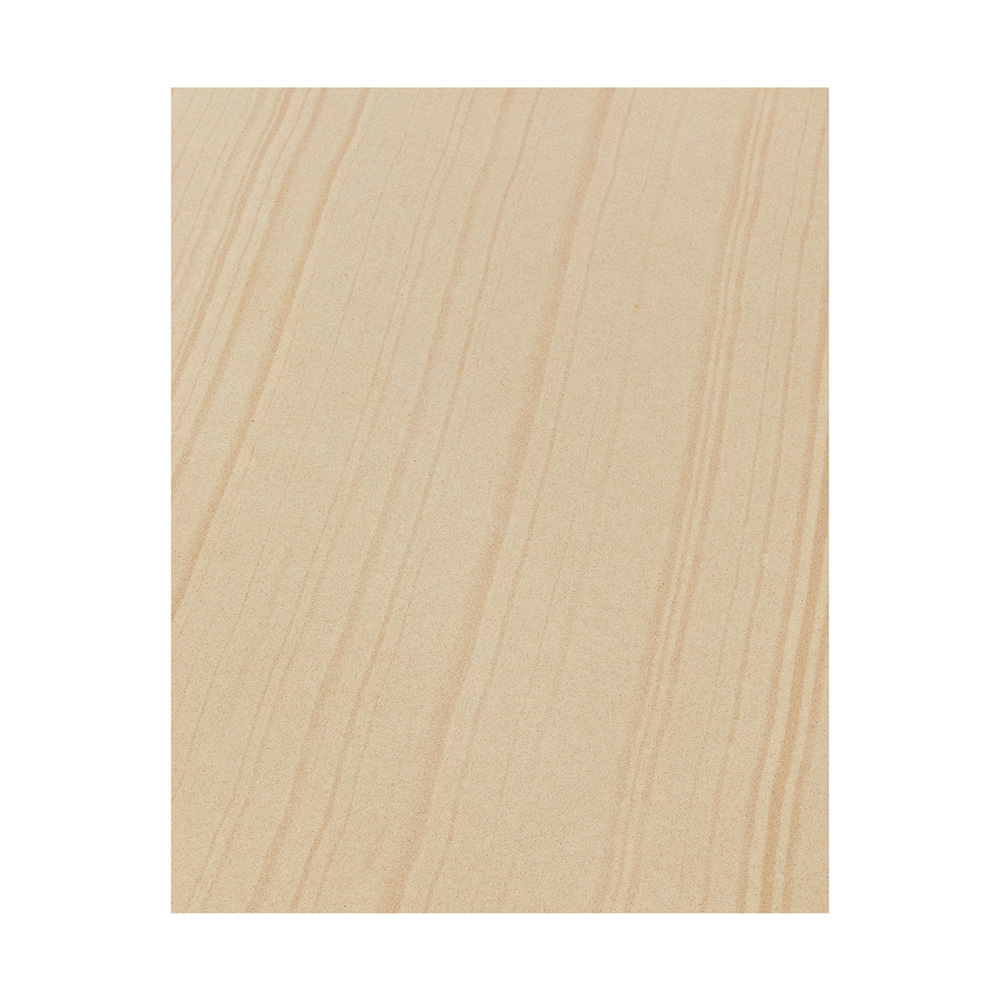
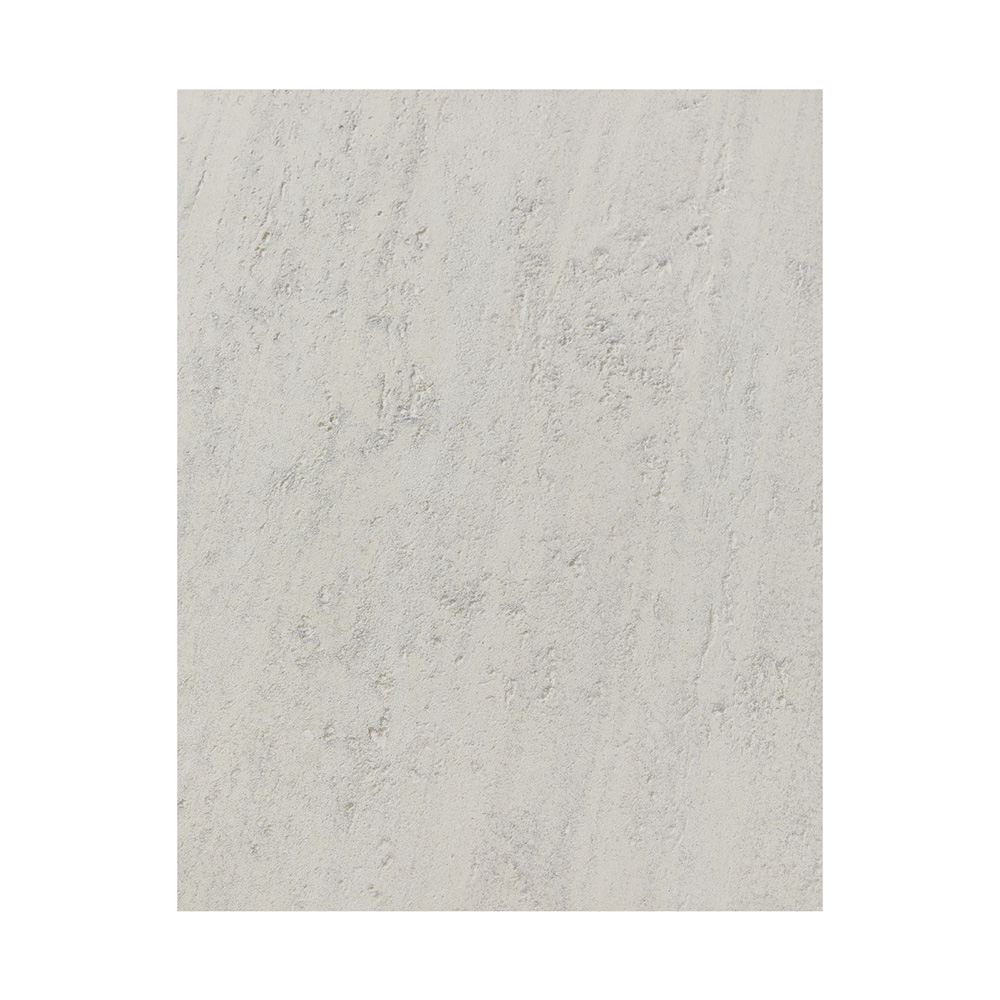
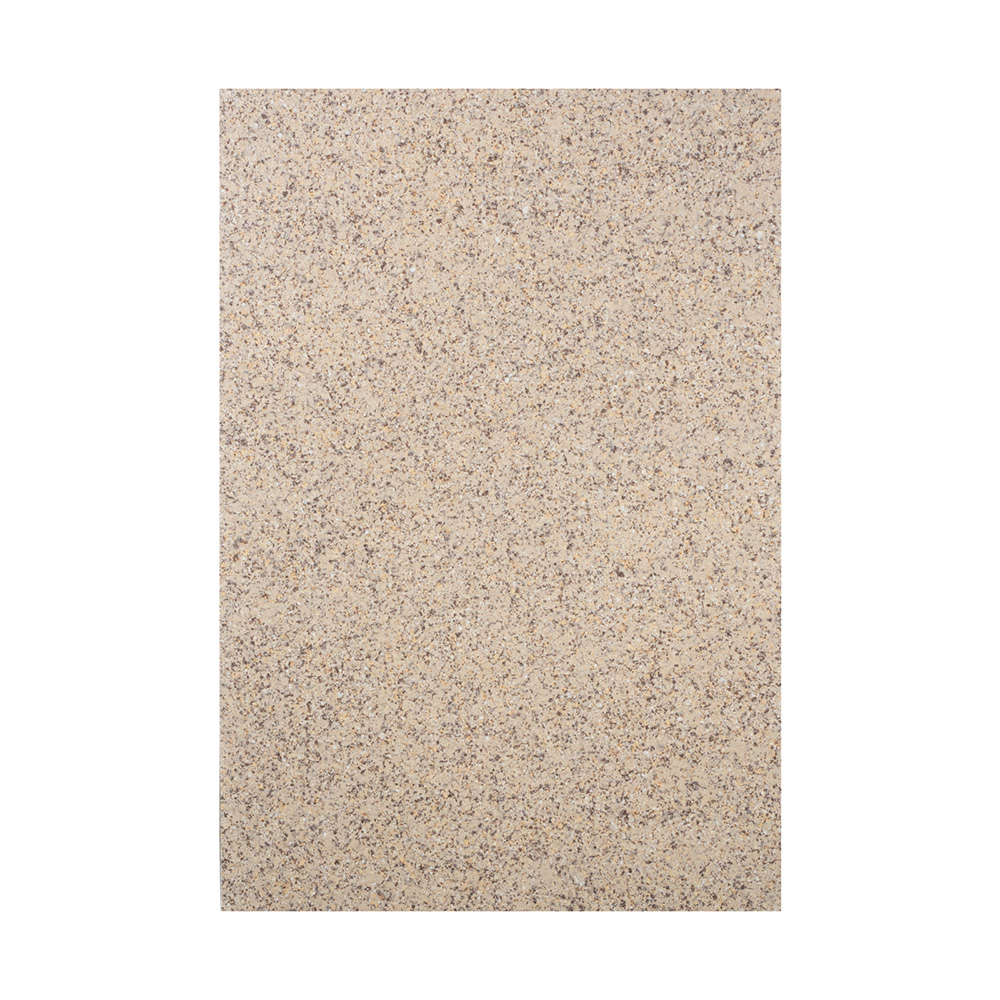
soft stone wall panel for builders, contractors and architects are lightweight decorative cladding products engineered to replicate the appearance and texture of natural stone. They are typically manufactured from materials such as polyurethane foam, flexible polyester resins, or mineral composite blends that are molded directly from real stone surfaces. The result is a product that captures the grain, color variation, and three-dimensional texture of genuine stone while remaining pliable, lightweight, and easy to cut and handle on site.
The term "soft stone" distinguishes these panels from both rigid stone veneers and solid masonry. Their flexibility allows them to conform to curved surfaces, arched doorways, column wraps, and irregular substrates — applications where traditional stone cladding simply cannot perform without extensive custom fabrication. Most panels are available in interlocking or edge-matched formats, ensuring seamless joints and a continuous stone appearance across large wall surfaces.
The adoption of soft stone wall panels across different professional disciplines reflects how the material solves real, recurring problems on job sites and in design studios. The advantages are not merely cosmetic — they translate directly into project timelines, budget control, structural considerations, and client satisfaction.
Builders benefit most from the reduced structural demands of soft stone panels. Because individual panels typically weigh between 0.5 and 3 kg per square meter — compared to 30–80 kg per square meter for natural stone — there is no requirement for reinforced footings, wall ties, or additional structural engineering. Standard stud walls, concrete block, or existing drywall substrates are sufficient in most applications. This dramatically reduces pre-installation preparation and keeps foundation costs in check, particularly in renovation and retrofit scenarios.
Installation speed is another critical advantage. soft stone wall panel for builders can typically be fixed using construction adhesive and mechanical fasteners, without the need for mortar mixing, curing time, or specialist masonry skills. An experienced crew can install soft stone wall panels at rates significantly faster than traditional stone veneers, freeing up labor for other project phases.
Contractors appreciate that soft stone wall panel for contractors can be cut with standard woodworking tools — circular saws, jigsaws, or even sharp utility knives depending on the material composition. This eliminates the need for wet saws, diamond blades, and the associated dust management that comes with cutting real stone. On renovation projects, this is a significant advantage: panels can be trimmed precisely around existing fixtures, electrical outlets, and architectural features without creating a hazardous work environment.
Material waste is also minimized. Because panels are pre-sized and dimensionally consistent, contractors can plan layouts accurately using standard estimating software. Off-cuts are lightweight and easy to dispose of. Many manufacturers also supply corner pieces, keystones, and trim elements that eliminate the need for complex miter cuts at transitions, reducing both labor time and material loss.
Architects working with soft stone wall panels gain a level of design freedom that rigid stone cannot provide. The flexible nature of many panel formats allows specification on curved feature walls, barrel-vaulted ceilings, circular columns, and bespoke joinery applications. Color and texture ranges from leading manufacturers are extensive, spanning everything from rough-hewn fieldstone and rustic sandstone to refined limestone and contemporary slate finishes — enabling architects to match or complement virtually any project palette.
From a specification standpoint, soft stone panels are increasingly supported by comprehensive technical data sheets, fire performance certificates, and durability test results. Many products carry classifications suitable for both interior and exterior use, with UV-stable finishes and moisture-resistant cores. This gives architects confidence when specifying panels for demanding environments such as hospitality facades, retail interiors, and residential exteriors in variable climates.
Making the right material decision requires a clear understanding of how soft stone panels perform relative to competing products. The table below summarizes key attributes across the most commonly considered wall cladding options:
| Attribute | Soft Stone Panels | Natural Stone Veneer | Brick Slips | Fiber Cement Panels |
| Weight (kg/m²) | 0.5 – 3 | 30 – 80 | 20 – 40 | 10 – 20 |
| Installation Skill Required | Low to Medium | High | Medium | Low to Medium |
| Curved Surface Application | Excellent | Poor | Limited | Poor |
| Interior & Exterior Use | Yes (product-dependent) | Yes | Yes | Yes |
| Relative Material Cost | Low to Medium | High | Medium | Low to Medium |
| Realistic Stone Appearance | Very Good | Excellent | Good (brick look) | Moderate |
Regardless of the quality of the soft stone wall panel chosen, the final result depends heavily on proper substrate preparation and correct installation technique. Professionals who follow a disciplined installation process consistently achieve better long-term adhesion, superior aesthetics, and fewer callbacks.
The substrate must be structurally sound, clean, dry, and free from dust, grease, efflorescence, or loose paint. For interior applications on drywall, ensure all joints are taped, filled, and sanded flush. On masonry or concrete substrates, any surface voids or cracks should be filled with an appropriate repair mortar and allowed to cure fully before panel installation begins. For exterior applications, a suitable weatherproof membrane or primed render coat is often recommended beneath the panels to manage moisture ingress.
Flatness tolerance is an important but often overlooked factor. While soft stone panels can accommodate minor surface irregularities due to their flexible backing, significant undulations will telegraph through the panel face and compromise the final appearance. A straightedge check across the substrate surface prior to installation is a simple step that prevents costly remediation later.
Most soft stone wall panel manufacturers specify a compatible construction adhesive — typically a polyurethane or modified silicone formulation. Using the recommended adhesive is not optional: incompatible adhesives can chemically attack the panel backing, cause delamination, or prevent adequate bond strength from developing. Apply adhesive in a continuous serpentine bead pattern across the rear of the panel, ensuring coverage within 25mm of all edges to prevent panel lifting, particularly at corners and panel ends.
Supplementary mechanical fixings — stainless steel screws or panel pins driven through the panel face at inconspicuous points — provide additional security, especially in high-traffic areas or exterior installations subject to wind loading. These fixings can be concealed using matching color filler supplied by the panel manufacturer.
Begin installation from the bottom of the wall and work upward. Stagger vertical joints between courses by at least 50% of the panel length to replicate the natural randomness of real stone coursing and to maximize structural integrity at joints. Dry-lay a test course before committing to adhesive to confirm the intended layout reads correctly, particularly around openings, transitions, and feature elements such as fireplaces or media walls.
Panel joints should be kept tight — most interlocking soft stone wall panel for architects systems are designed for zero-gap butt joints. Where grout lines are part of the design intent, use a flexible, color-matched grout or jointing compound rated for the application environment. Avoid rigid cementitious grouts in flexible panel systems, as differential movement between the substrate and panels can cause grout cracking over time.
The range of applications for soft stone wall panels is broad, but each project type brings its own set of performance requirements that should drive specification decisions. The following breakdown helps architects and contractors match product characteristics to project context.
In residential settings, soft stone panels are most commonly specified for living room feature walls, kitchen accent splashbacks, fireplace surrounds, bedroom headboard walls, and exterior facade accents. For these applications, the primary performance criteria are aesthetic realism, ease of cleaning, and durability under normal domestic use conditions. Panels with a factory-applied sealant coating are recommended for kitchen and bathroom environments where moisture exposure and grease splatter are a concern.
Hotels, restaurants, retail environments, and corporate lobbies demand materials that combine design impact with robust performance under high footfall. For these projects, specifiers should prioritize panels with certified fire performance ratings — particularly Class B or Class A2 classifications under EN 13501-1, or equivalent national standards. Impact resistance and surface hardness are also relevant in areas prone to trolley or cart traffic. Consult manufacturer technical data sheets for Barcol hardness values and impact test results before specifying in these environments.
Not all soft stone wall panels are rated for exterior use. When specifying for facades, garden walls, outdoor entertainment areas, or commercial exteriors, confirm the product carries a specific exterior use certification. Key performance factors include UV resistance (to prevent color fade and surface degradation), freeze-thaw stability (critical in northern European climates), and moisture impermeability of the panel core. Ventilated facade installations, where panels are fixed to a subframe with a drainage cavity behind, provide superior moisture management in exposed locations and extend the service life of the cladding system.
Even experienced professionals encounter avoidable problems when working with soft stone wall panels for the first time. Being aware of the most common mistakes helps contractors and architects steer clear of costly rework and client dissatisfaction.
One of the less-discussed advantages of soft stone wall panels is their low maintenance requirement compared to natural stone. Unlike genuine stone, which may require periodic sealing, re-pointing of mortar joints, and specialist cleaning to address staining and biological growth, soft stone panels in interior applications typically require nothing more than occasional wiping with a damp cloth and mild detergent. Their non-porous or low-porosity surfaces resist dirt penetration and are far less susceptible to the efflorescence and salt migration that can disfigure natural masonry over time.
For exterior installations, an annual inspection is advisable to check joint integrity, confirm that mechanical fixings remain secure, and identify any areas where panel edges may have lifted due to adhesive degradation. A periodic application of a compatible exterior stone sealant — typically every three to five years depending on climate exposure — will maintain the panel's weather resistance and appearance. Manufacturers commonly provide specific maintenance guidance as part of their product documentation, and following these recommendations is important for preserving any applicable product warranty.
When sourcing soft stone wall panels, the quality of information provided by a supplier is itself an indicator of product quality and technical support capability. The following questions help builders and contractors assess supplier reliability and product suitability before committing to a purchase:
A supplier who can answer these questions clearly and back their responses with documented evidence is far more likely to be a reliable long-term partner than one who relies on general reassurances or marketing language alone.


Justone is Thin Flexible Stone Veneer Sheet Supplier in China.The company takes innovation-driven development as its core, regards promoting the progress of the industry as its responsibility, deeply engages in the chemical composite building materials track, and demonstrates its professional expertise in this field.



 English
 Français
 Español
 Português
 عربى
عربى