

Content
A single square meter of solid granite slab can weigh well over 50 kilograms. On a mid-rise commercial building, that dead load translates directly into thicker structural framing, deeper foundations, and a facade budget that balloons before the first panel is even installed.
That math is why more architects and contractors are turning to granite flexible stone veneer panels engineered for exterior cladding. The material keeps the visual weight of quarried granite while dropping the physical weight to a fraction of the original — without asking designers to compromise on texture, color depth, or long-term durability.
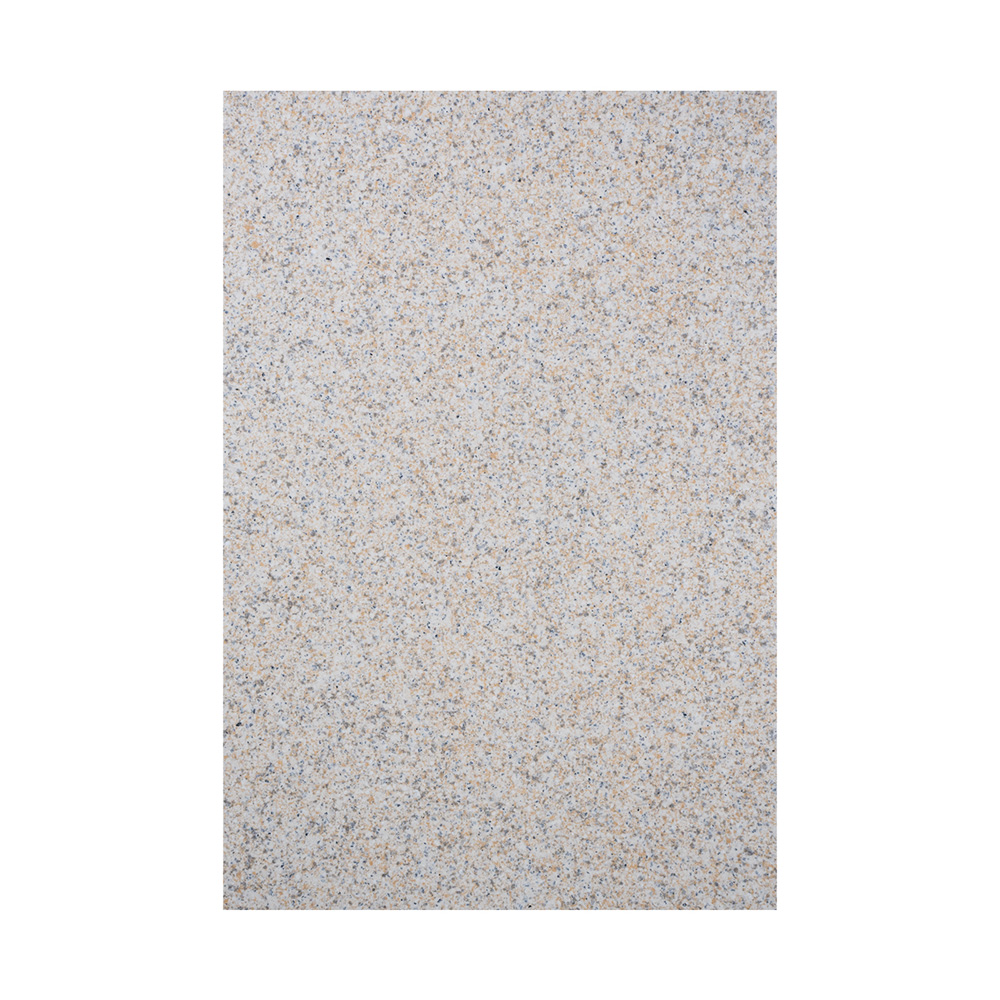
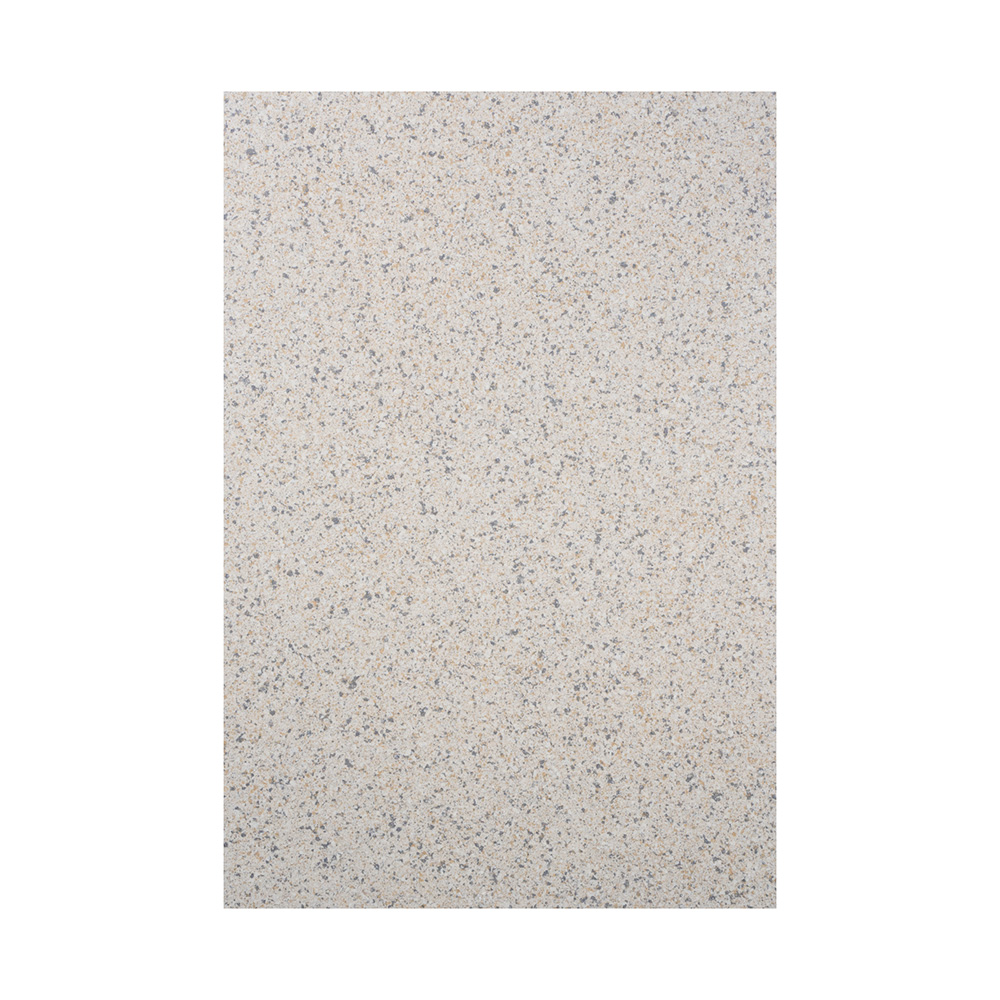
The performance gap between flexible stone and painted or laminate alternatives comes down to raw material. Genuine granite flexible stone is produced from natural stone powder and quartz sand rather than pigmented resin, so the color sits inside the material itself instead of sitting on top of it as a coating that can fade or peel.
Manufacturing process matters just as much as raw material. A one-shot molding process — sometimes called 3D cast molding — fuses the quartz sand into a dense, uniform sheet in a single automated step, which is why well-made panels hold their tensile strength and resist cracking under thermal cycling far better than layered composites.
| Property | Granite Flexible Stone | Solid Granite Slab |
|---|---|---|
| Weight per m² | 3–4 kg | 50–80 kg |
| Thickness | 2.5–3.3 mm | 20–30 mm |
| Water absorption | Low | Low |
| Bending / curved surfaces | Yes | No |
This is also where the specifics of a given supplier matter more than the category name. Panels like the natural lightweight granite flexible stone veneer designed for wall applications are built specifically to hold tensile and compressive strength close to genuine granite, rather than trading strength for thinness.
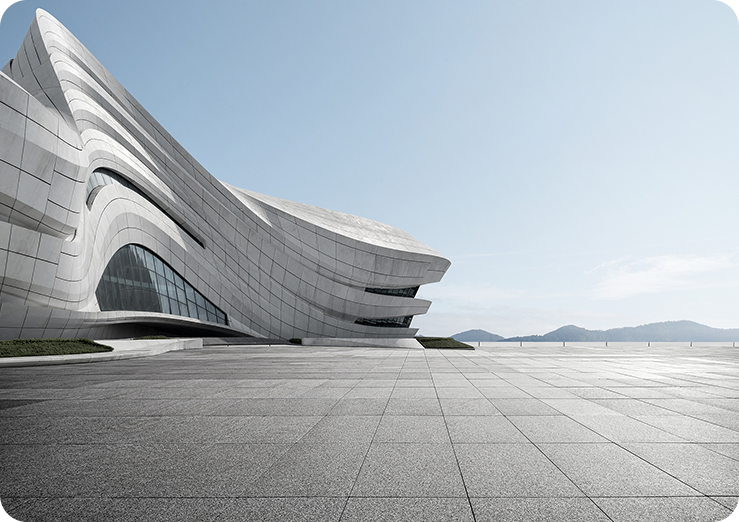
Weight reduction is not just a structural convenience — it changes what's actually buildable. Facades, podium levels, elevated walkways, and boundary walls that would never accept the load of solid stone can carry flexible granite without any additional reinforcement.
Three project types benefit the most in practice:
Recent projects have leaned on this profile heavily, as documented in coverage of granite flexible stone built for modern facade performance. For institutional buildings specifically, drop resistance is often the deciding factor over aesthetics alone — which is why drop-resistant flexible granite stone veneer for schools and hospitals exists as its own product category rather than a marketing footnote.
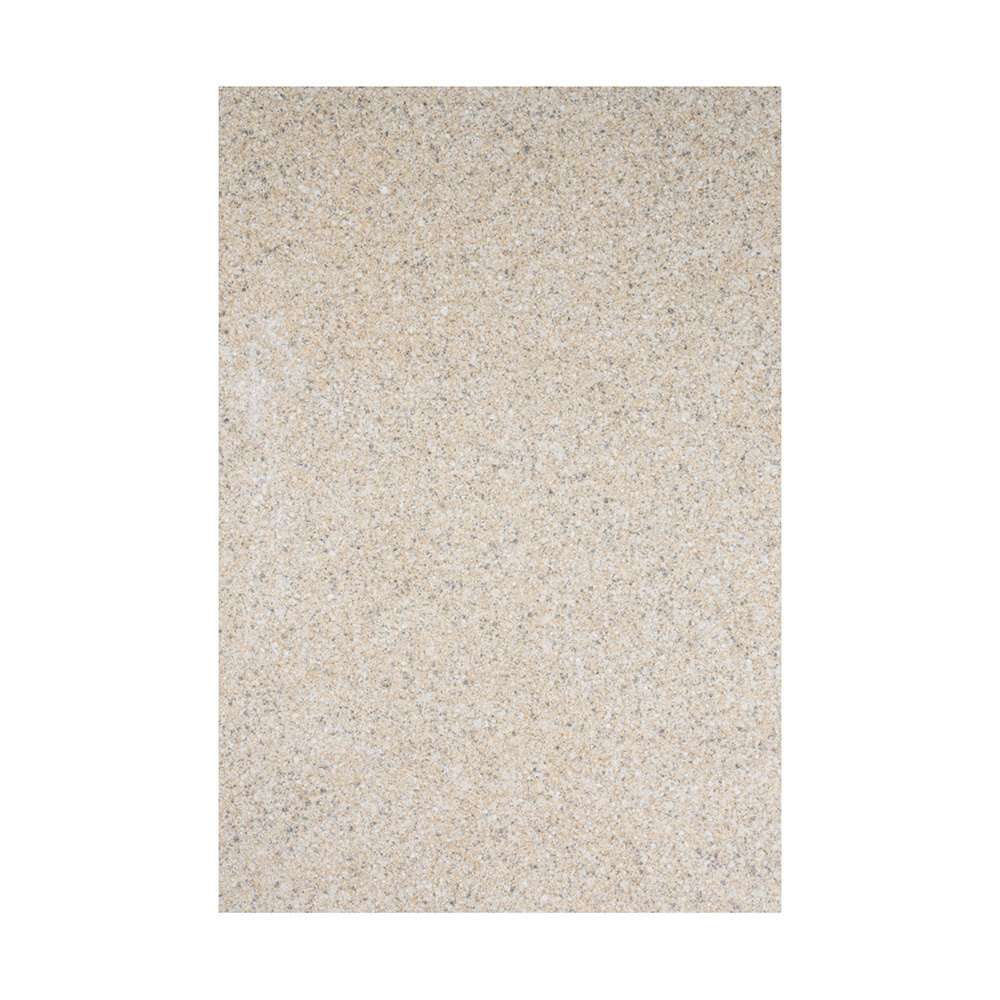
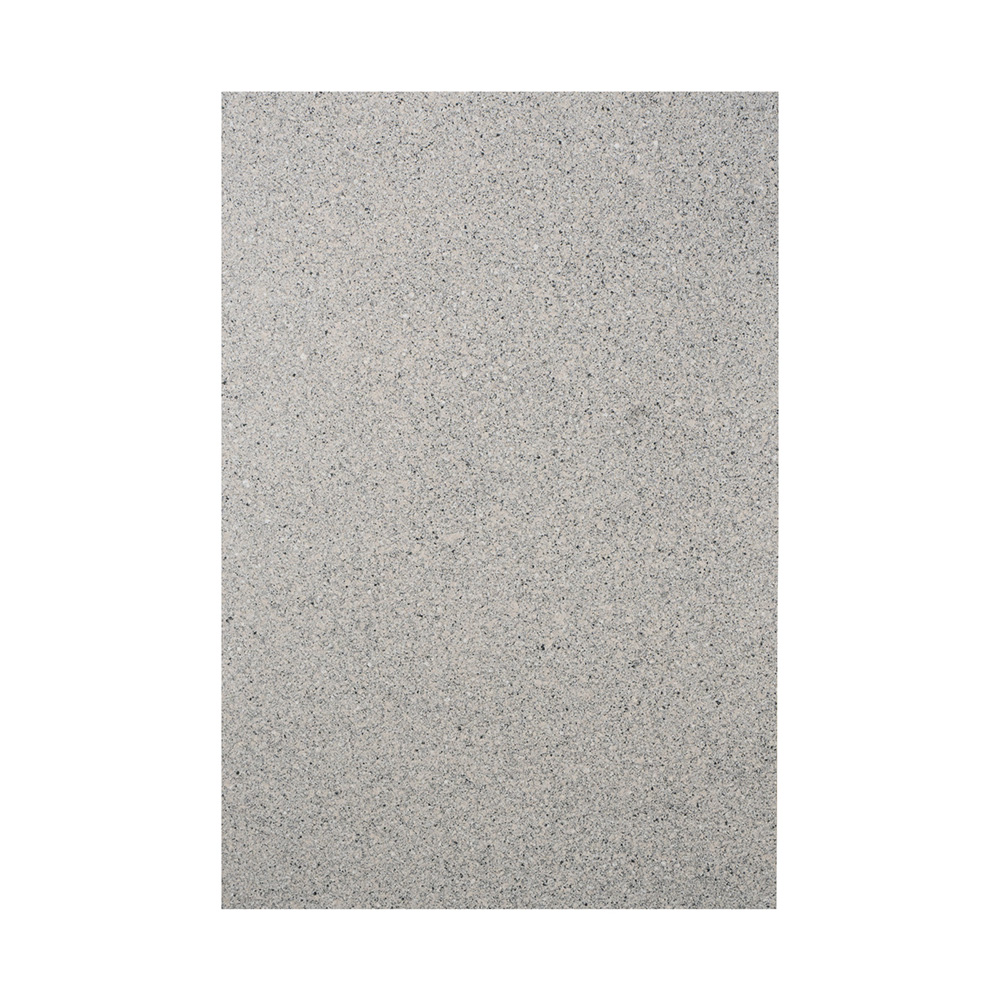
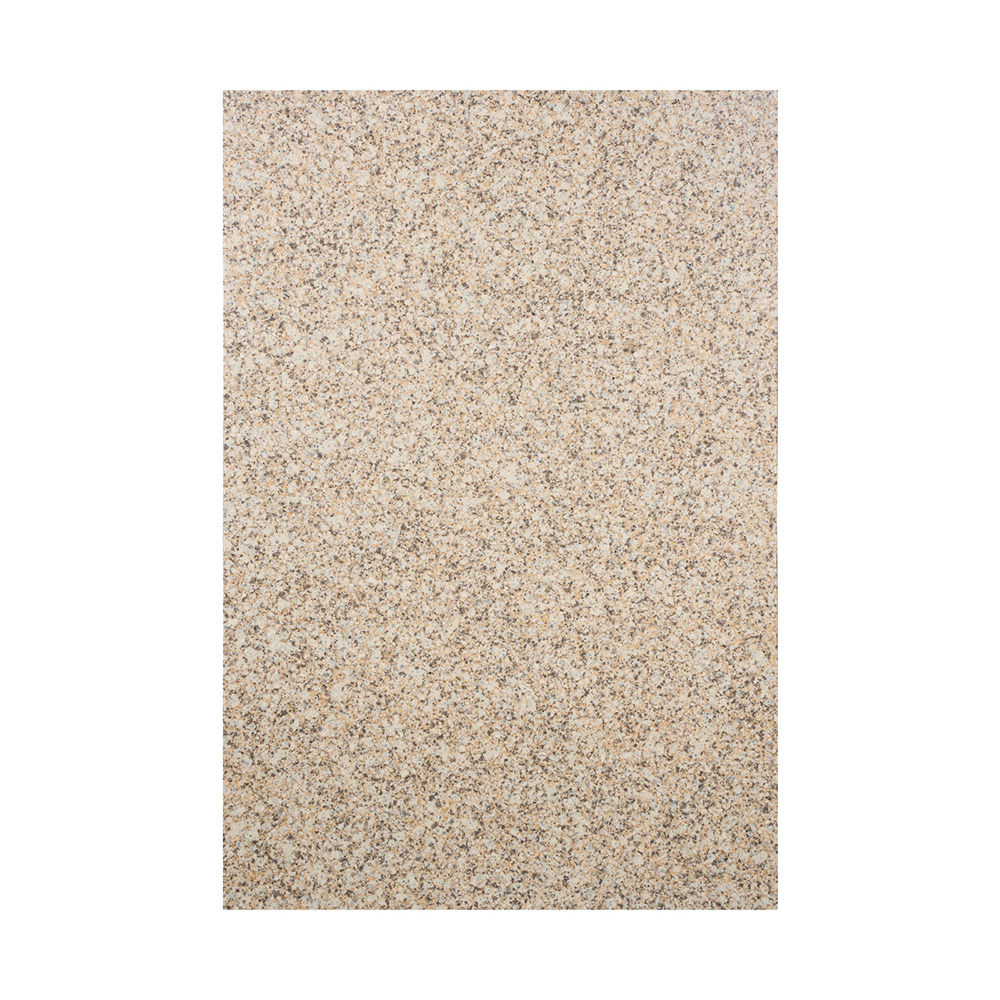
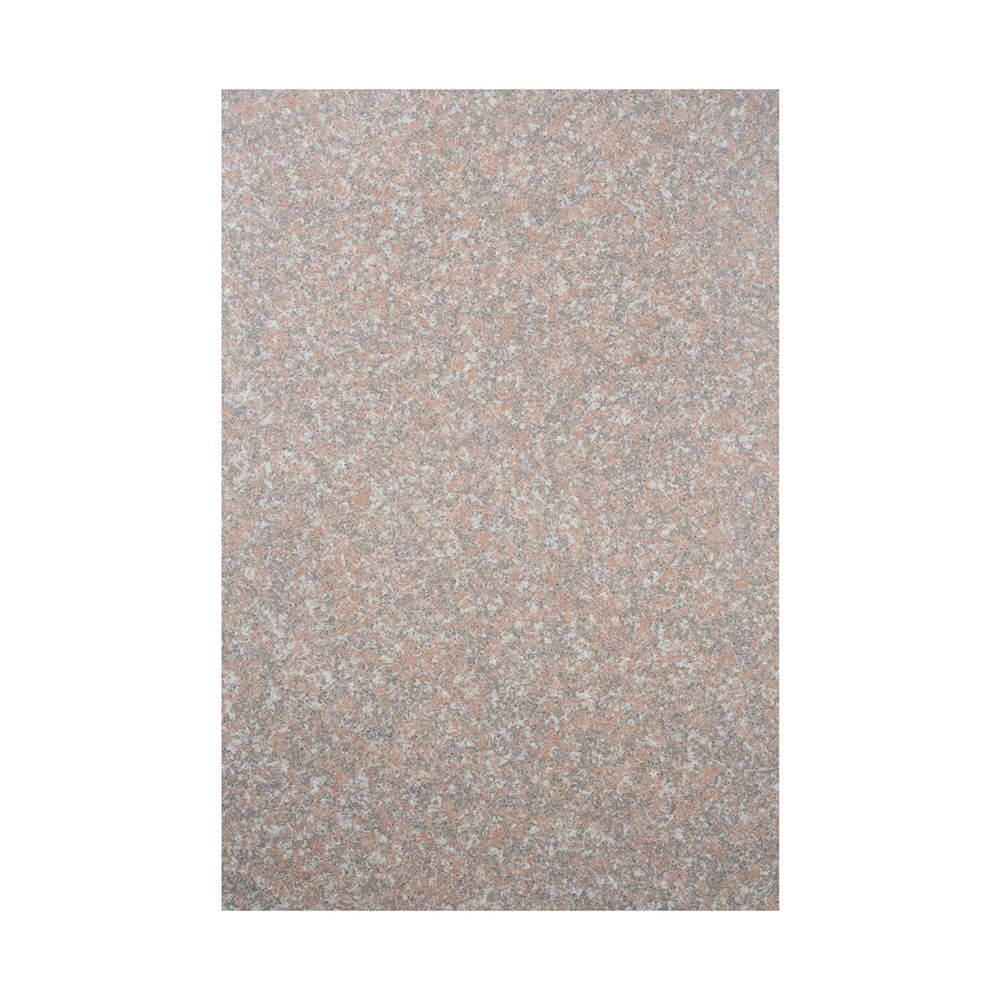
Not every granite flexible stone panel is interchangeable. Groove depth and pattern change both the visual read from a distance and how the surface handles water runoff on exterior walls — a detail worth checking before finalizing a facade spec, not after installation.
Projects with a more textured, traditional stone look typically specify deeper grooves for stronger shadow lines, while sleeker commercial facades often favor a finer surface. Browsing the thin grooves and wide grooves granite flexible stone finishes side by side is usually the fastest way to settle this before ordering samples.
The core decision, though, stays simple: if a project needs the visual and tactile authority of granite without the structural cost of quarried stone, flexible granite panels are built to close that gap — quickly, and without a compromise a client will notice.

Justone is Thin Flexible Stone Veneer Sheet Supplier in China.The company takes innovation-driven development as its core, regards promoting the progress of the industry as its responsibility, deeply engages in the chemical composite building materials track, and demonstrates its professional expertise in this field.



 English
 Français
 Español
 Português
 عربى
عربى