

Content
A curved lobby column, a barrel-vaulted ceiling, a hotel façade with no flat surface in sight — traditional stone slabs simply refuse to bend around them. Contractors either cut the design flat or pay for custom-fabricated pieces that blow the budget. This is the gap slate flexible stone was built to close, and the numbers behind it explain why it works where solid stone can't.
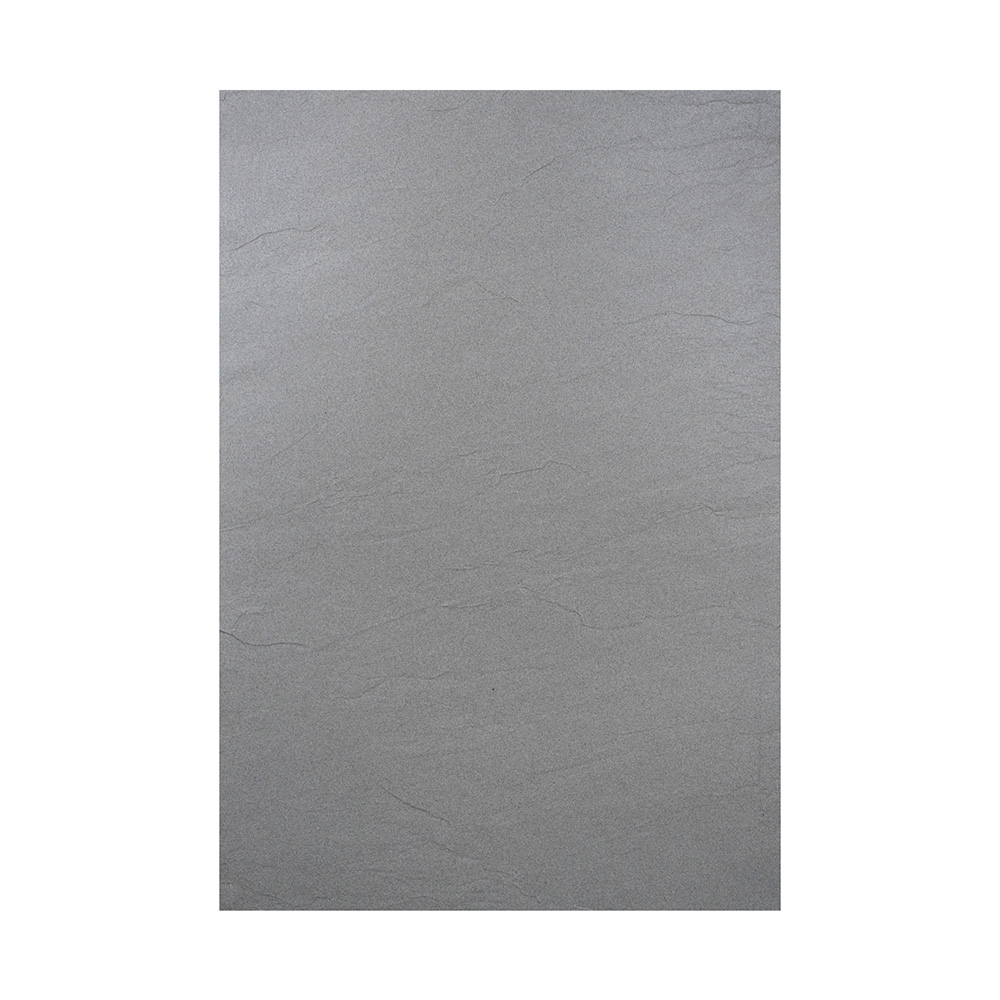
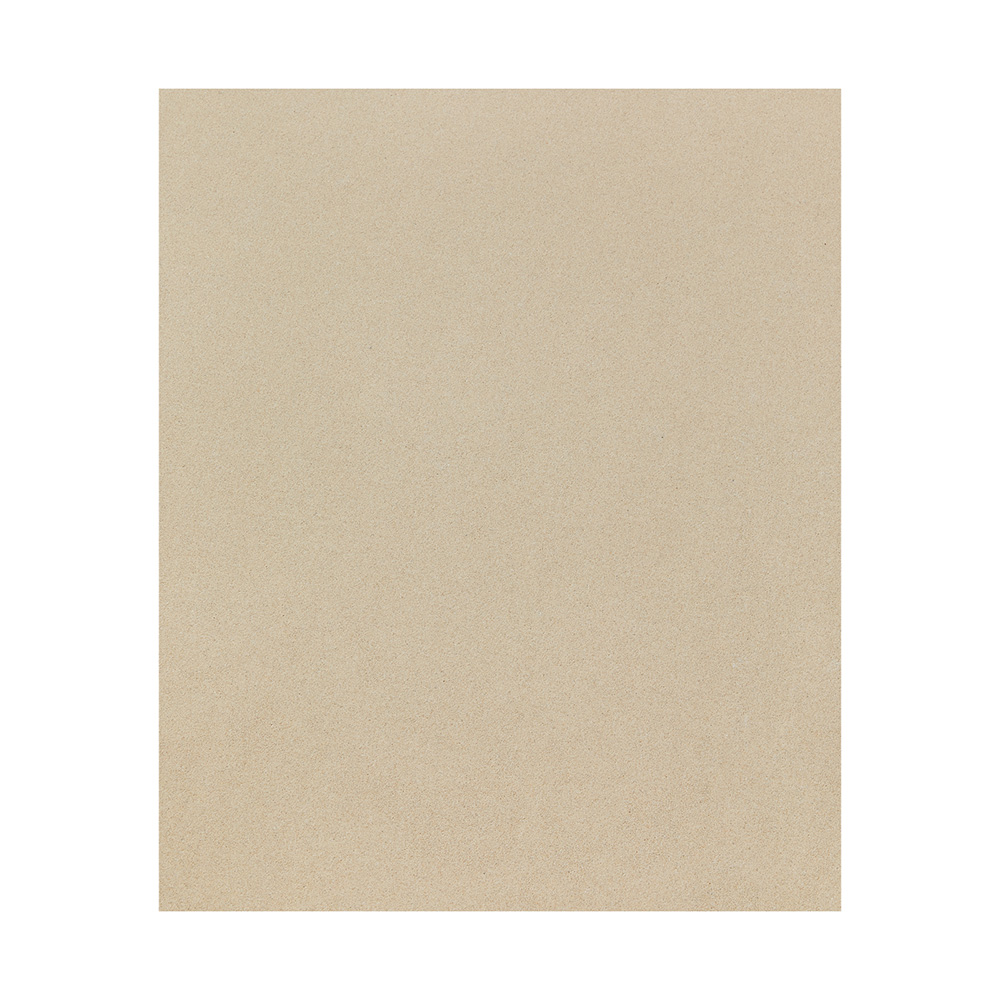
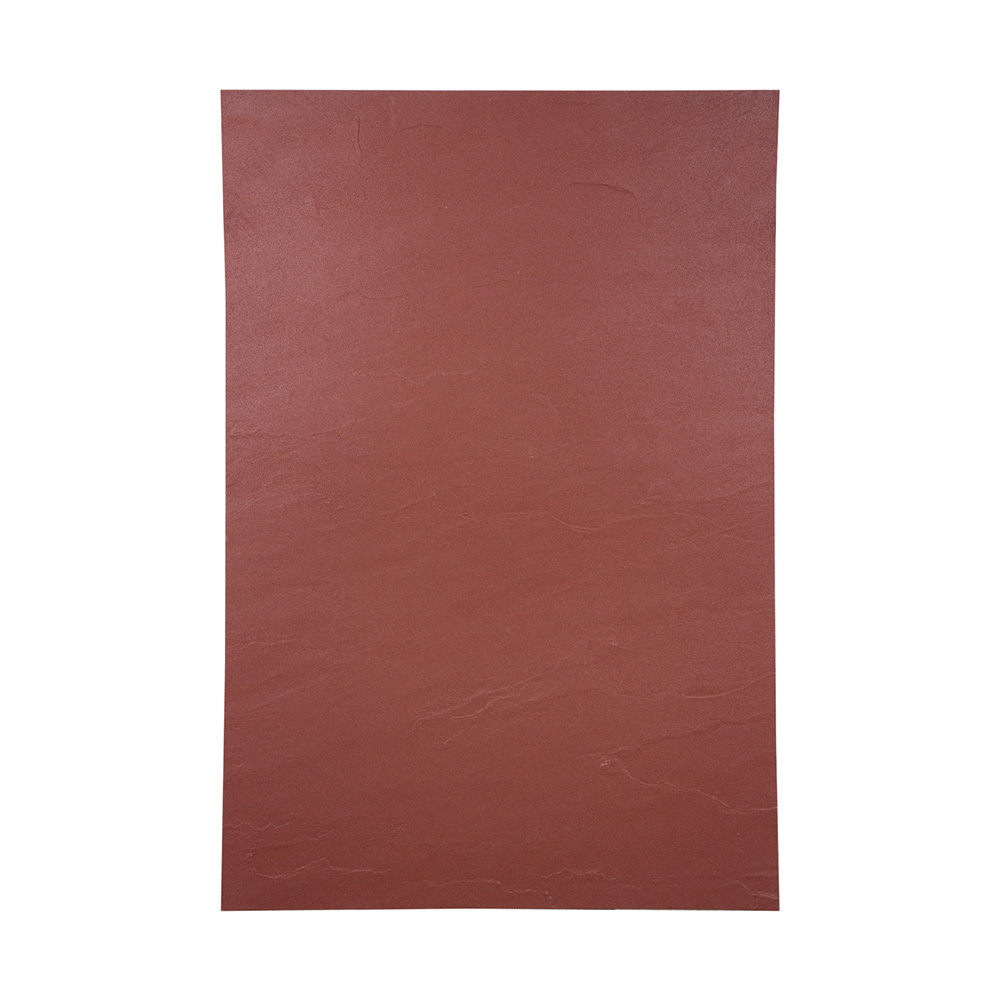
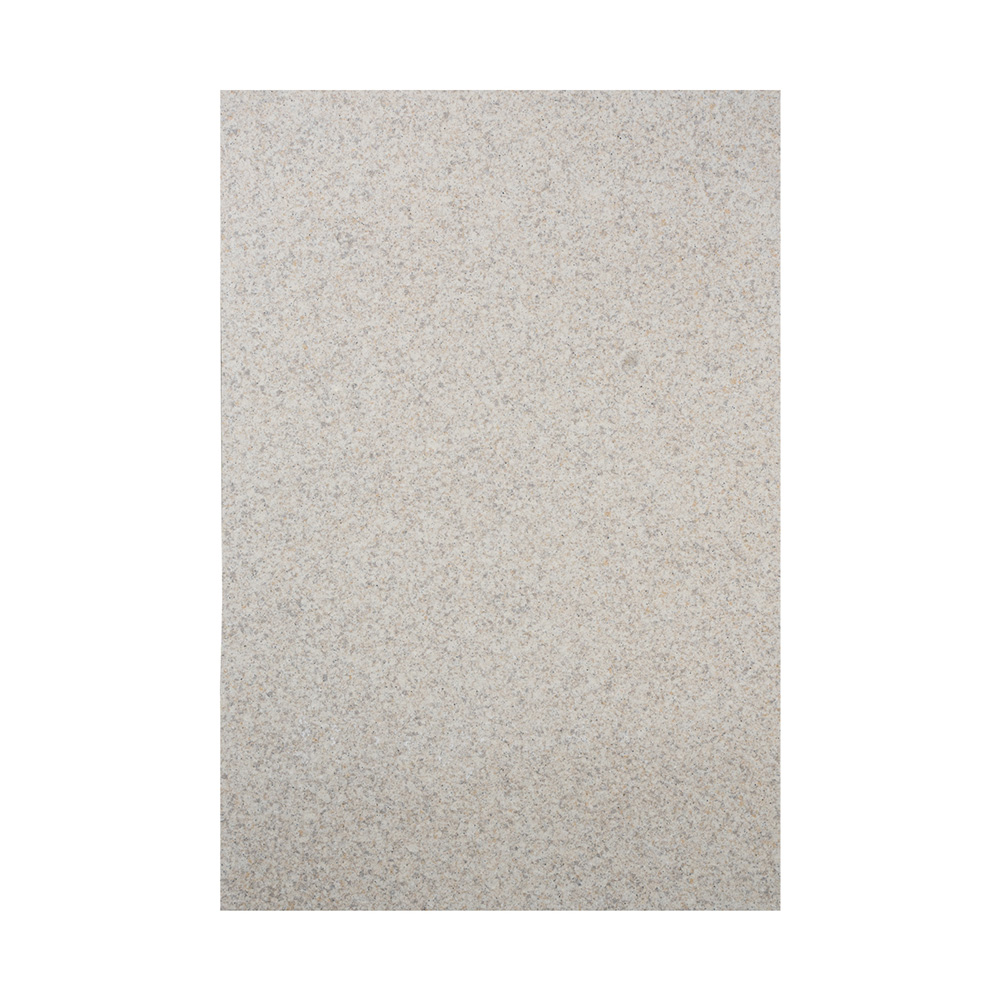
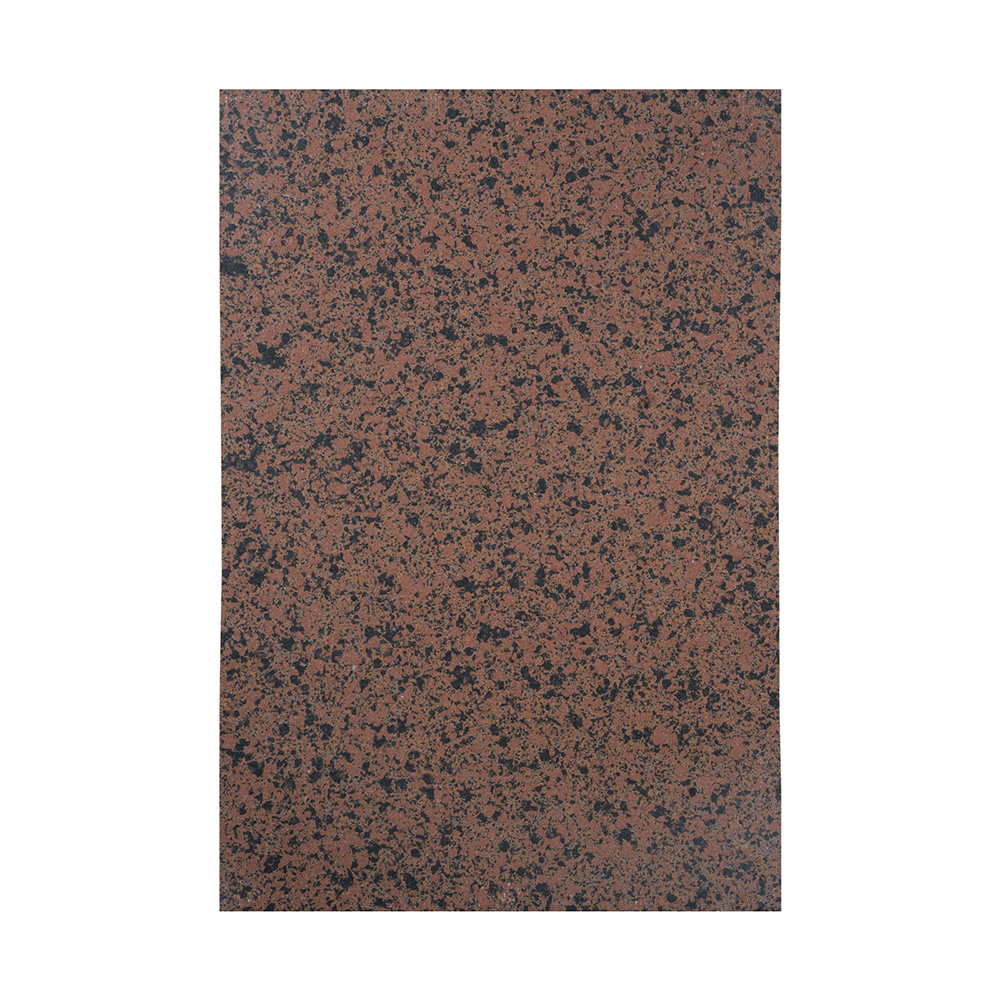
Slate flexible stone isn't a printed or painted imitation. It's made from natural stone powder and quartz sand, formed through a three-dimensional spray-casting process in a single molding step. The colour comes directly from the quartz sand itself — no pigment or dye is added — which is why the surface holds the same depth and grain variation you'd expect from a quarried slab, without the weight.
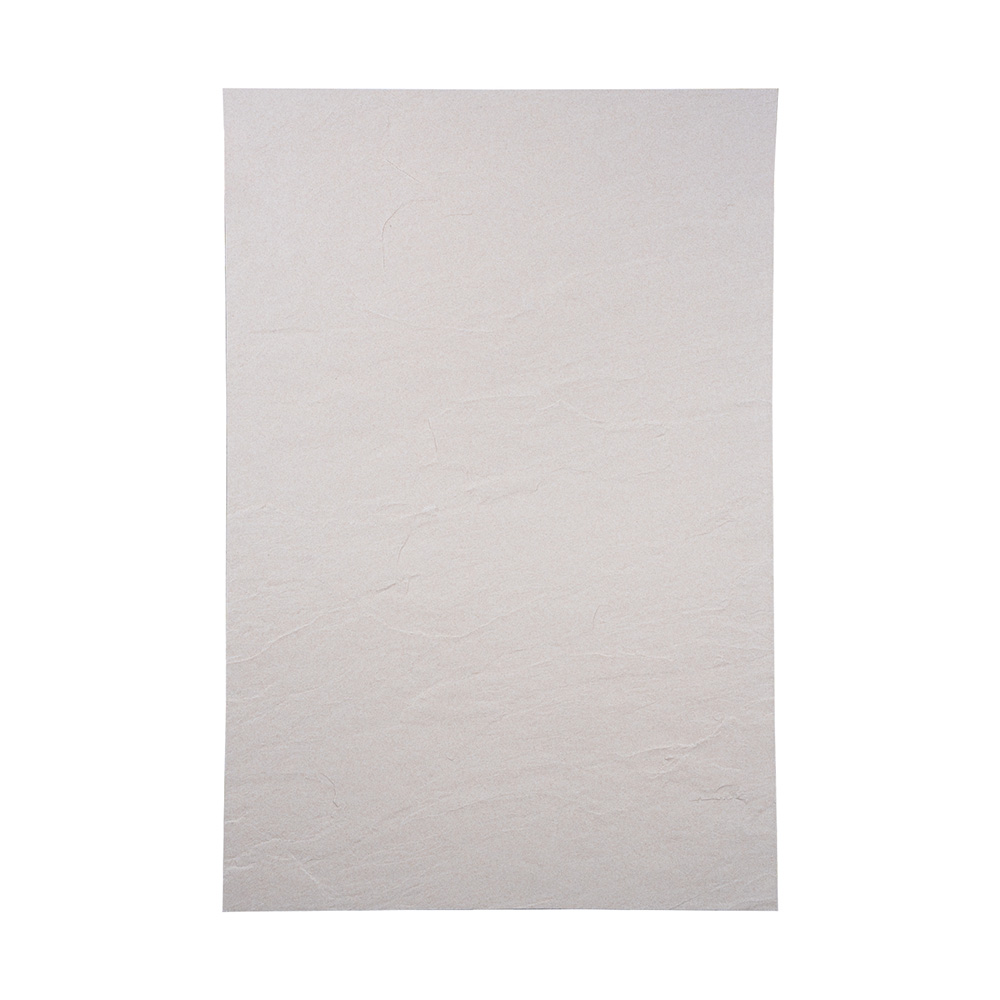
Slate's natural cleavage structure allows it to split into thin, durable layers, and slate flexible stone veneer panels take advantage of that same property in engineered form: a mineral-rich surface bonded to a flexible backing, thin enough to roll around a curve instead of cracking against it.
Marketing copy tends to say "lightweight and flexible" without saying how light or how flexible. Those two words only mean something when they're attached to numbers, so here's what to check on a spec sheet before comparing suppliers:
| Property | Typical Value | Why It Matters |
|---|---|---|
| Weight | 3.5–4 kg/m² | About one-fifteenth of dry-hung stone and one-eighth of standard tile |
| Thickness | 2.7 ± 0.5 mm | Reduces load on substrates and framing |
| Minimum bend diameter | 200 mm | Confirms it can wrap columns and curved facades without cracking |
That weight figure is the one that changes a project's structural math. A material this light doesn't need the heavy anchoring systems, additional bracing, or reinforced substrates that dry-hung stone demands, which shortens both the engineering review and the install schedule. And a 200 mm bend diameter isn't a marketing claim — it's the difference between a material that can wrap a round column and one that has to be cut into flat facets to fake the curve. If you want a deeper look at how flexible slate performs on curved facades, it's worth reading through a dedicated bend-test breakdown before specifying a supplier.
Because the panels are thin and light, they can be applied directly to building façades, ceilings, elevated corridors, walkways, and perimeter walls — surfaces that would otherwise require load calculations most budgets can't absorb. In schools and hospitals specifically, anti-falling performance is non-negotiable; a panel that won't crack, chip, or come loose under contact is treated as a baseline requirement rather than a bonus feature.
Exterior applications bring their own demands: sun exposure, rain, and temperature swings all attack a wall finish over time. That's where waterproof slate flexible stone for exterior walls and UV-resistant flexible stone veneer built for long-term outdoor use earn their keep — holding colour and surface integrity through years of weathering rather than fading or delaminating within a season or two.
Not every flexible stone product on the market is made the same way. Some rely on printed textures over a flexible base, which look convincing in photos but flatten out in person and fade under UV exposure faster than mineral-based panels. When you're evaluating options, ask for three things directly: the raw material composition (mineral-based versus printed), the documented weight and thickness range, and third-party or in-house bend-radius test data — not just a claim of "flexible."
Installation speed is the other variable worth confirming upfront. A true flexible stone panel should install with standard adhesives on concrete, cement board, or metal substrates, without the wet-trade sequencing that dry-hung stone requires. If a supplier can't answer these questions with numbers, that's usually a sign the product hasn't been tested to the standard the marketing implies.
For a fuller side-by-side of applications, installation methods, and maintenance considerations, the complete buying guide for slate flexible stone is a useful next stop before you finalize a spec sheet.

Justone is Thin Flexible Stone Veneer Sheet Supplier in China.The company takes innovation-driven development as its core, regards promoting the progress of the industry as its responsibility, deeply engages in the chemical composite building materials track, and demonstrates its professional expertise in this field.



 English
 Français
 Español
 Português
 عربى
عربى