

Content
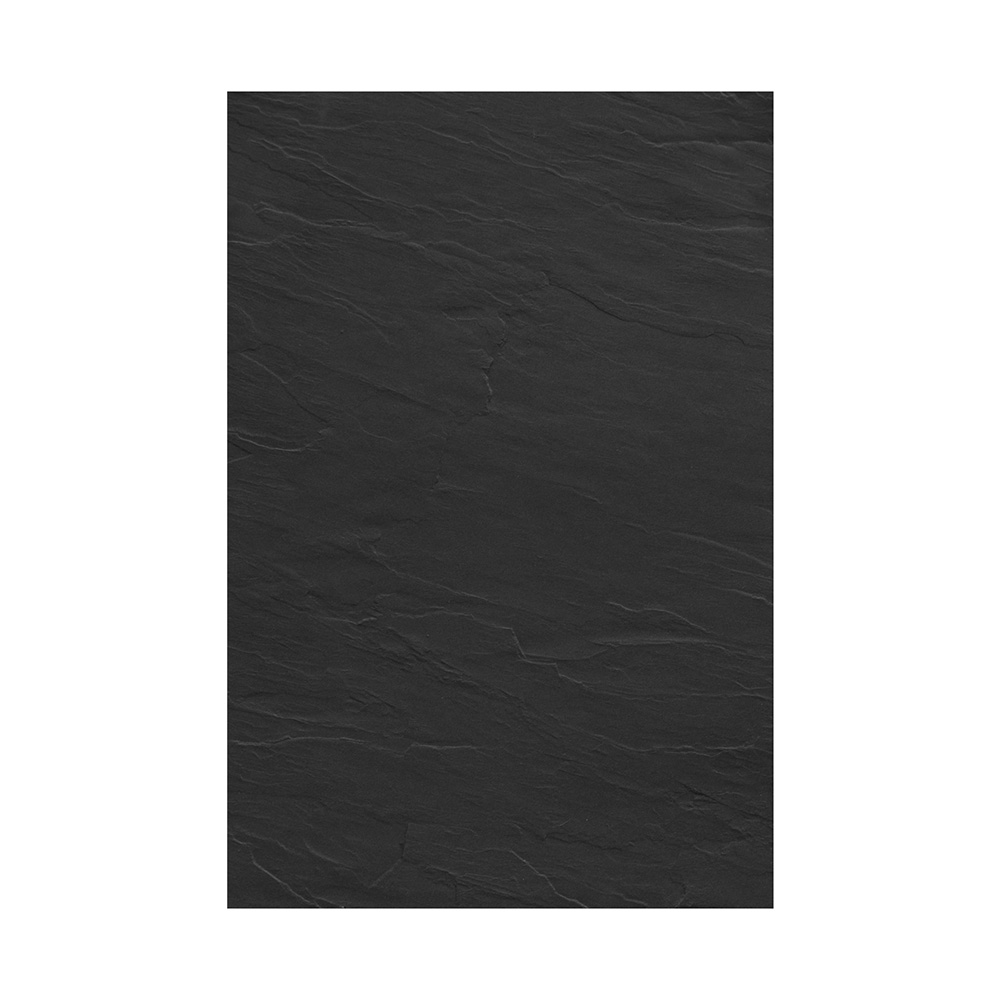
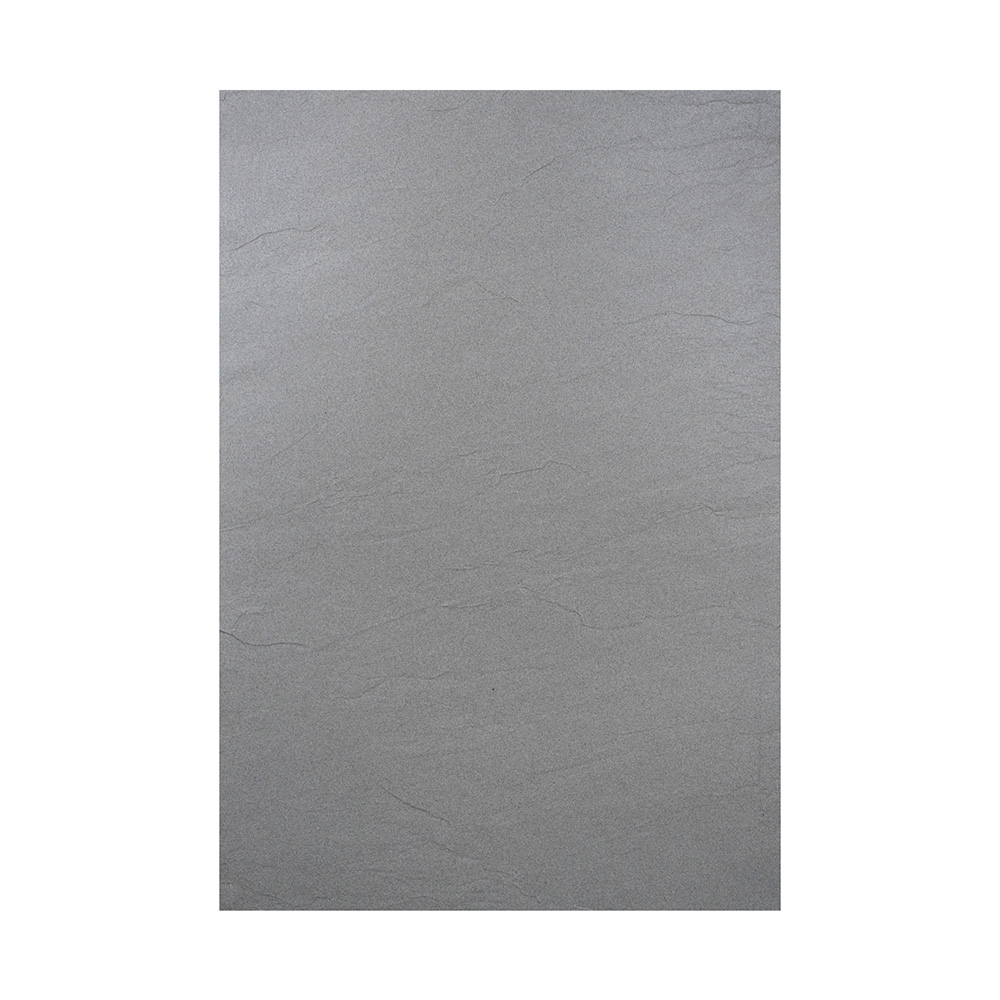
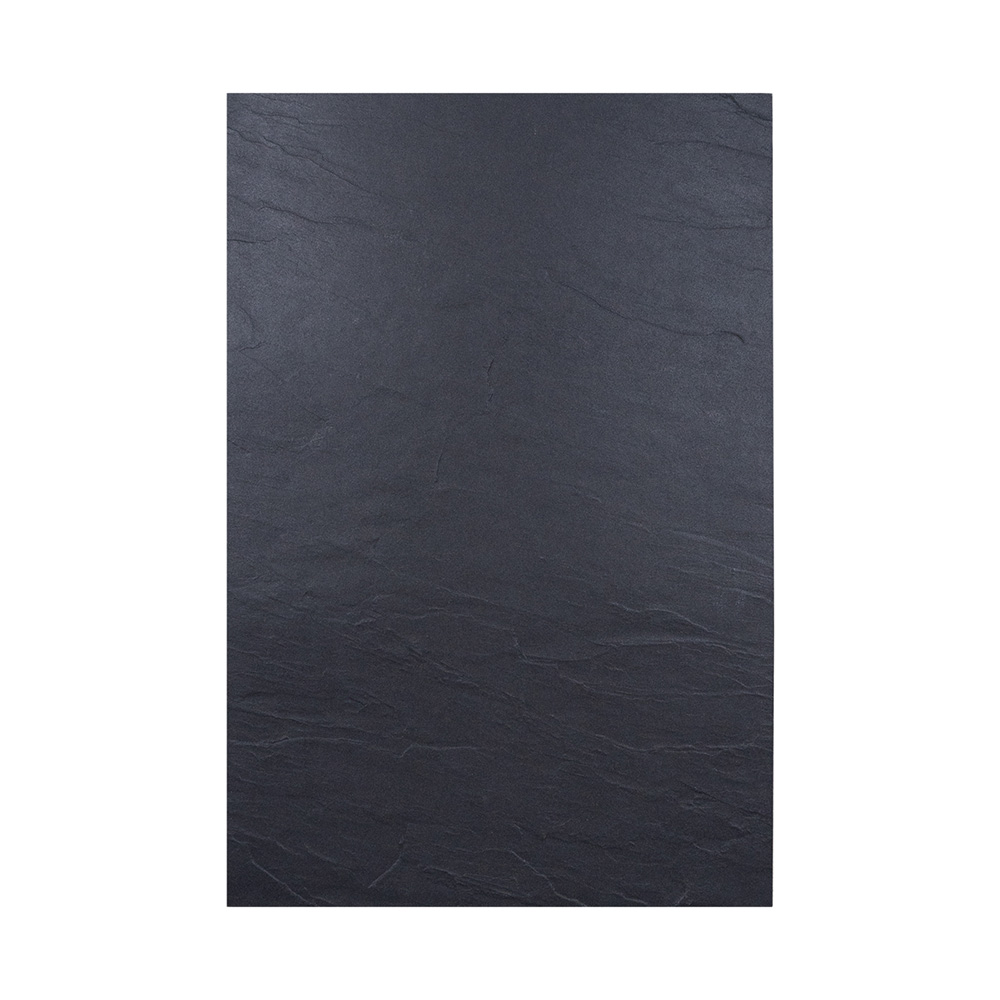
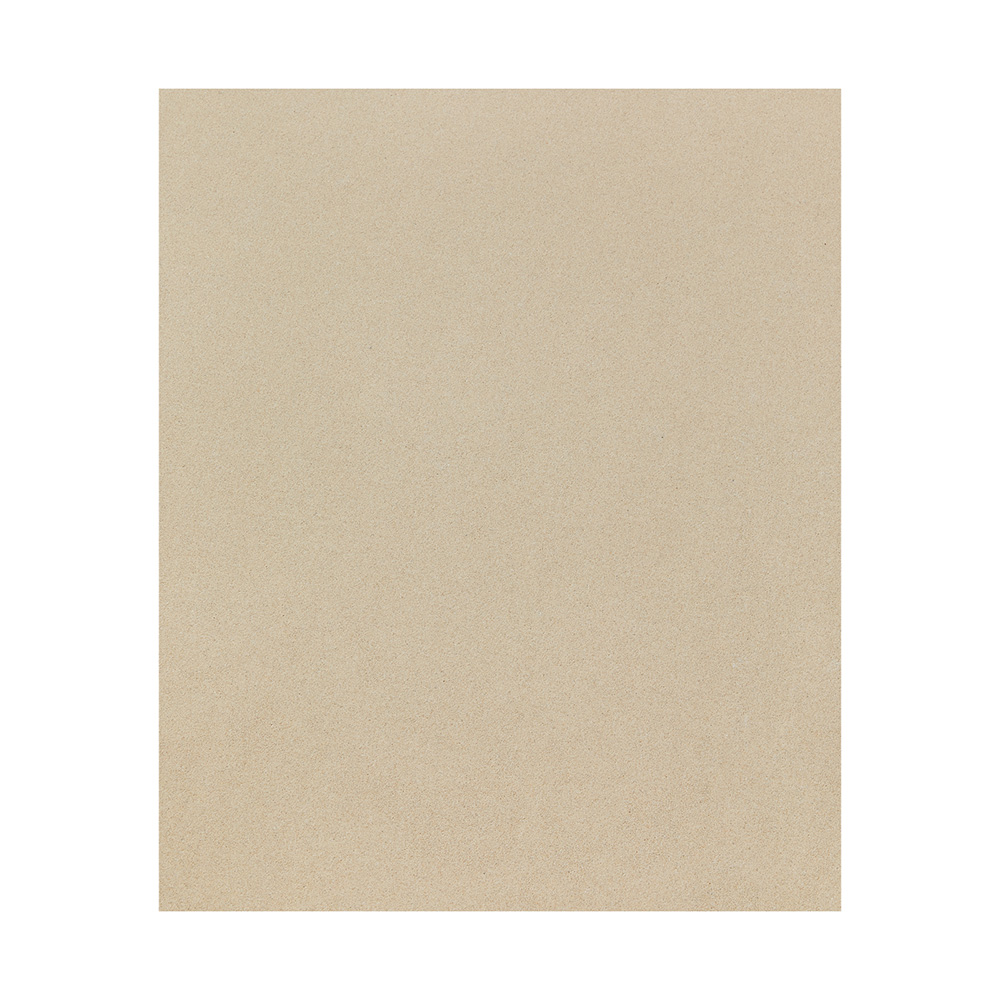
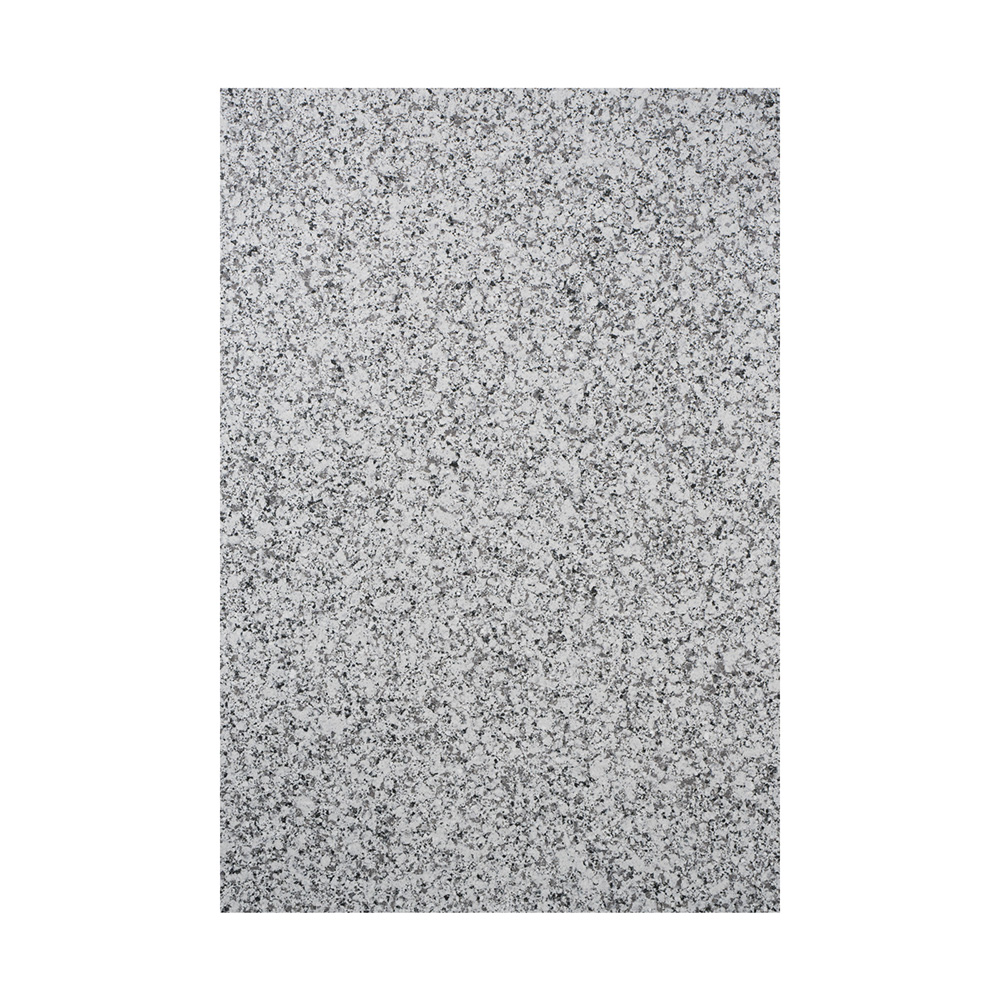
Slate flexible stone veneer is a modern wall cladding material that captures the authentic texture and color variation of natural slate while fundamentally rethinking its physical properties. Unlike conventional slate slabs — which are dense, brittle, and heavy — flexible slate veneer is engineered as a thin,and it is reinforced with double glass fiber mesh to make it flexible and strong. The result is a product that weighs as little as 3–4 kg/m², bends without cracking, and can be adhered directly to nearly any substrate, including curved or irregular surfaces.
The manufacturing process begins with real slate aggregate or mineral powders, which are combined with polymer binders and processed under controlled conditions. This preserves the distinctive layered, cleaved appearance that makes slate so prized in architecture — the subtle striations, the earthy palette of grays, blacks, greens, and rusts — while eliminating the structural constraints of quarried stone. The material remains breathable enough for exterior use yet resistant to moisture penetration.
For architects, designers, and contractors, this category of product addresses a longstanding tension: how to specify a material that looks authentically natural without the load calculations, the fragility risk, or the steep installation labor that traditional stone demands.
The case for flexible slate veneer over quarried slate is not purely aesthetic — it is largely structural and logistical. Understanding the measurable differences helps procurement teams and specifiers make defensible decisions.
| Property | Natural Slate Slab | Slate Flexible Stone Veneer |
|---|---|---|
| Weight per m² | 25–40 kg | 3–4 kg |
| Thickness | 10–20 mm | 2.5-3.3 mm |
| Flexibility | None (brittle) | Rollable, wraps curves |
| Fire Resistance | Naturally non-combustible | Class A or B rated (varies by spec) |
| Installation Skill Required | High — specialist stonework | Moderate — adhesive or mechanical fix |
| Seismic / Impact Safety | Risk of falling fragments | Anti-fall bonded layer |
The weight reduction alone transforms what a project can specify. A standard office tower or residential block has floor-load limits; specifying flexible slate veneer at under 4 kg/m² versus heavy stone at 30+ kg/m² can open up previously restricted interior feature walls or allow retrofits without structural reinforcement. In seismic zones, the reduced mass also lowers inertial forces on cladding anchorage systems — a meaningful safety factor in regions prone to earthquakes.
Slate carries strong cultural and aesthetic associations — it evokes craftsmanship, geological time, and a connection to the natural world. These associations make it a preferred choice for spaces designed to project character rather than neutrality. High-end bars, boutique hotel lobbies, villa living rooms, private wine cellars, and upscale restaurants are among the environments where slate flexible stone veneer creates a distinctly refined yet earthy atmosphere that resonates with clientele accustomed to premium materials.
Beyond aesthetics, the practical advantages for interior use are substantial:
The texture of slate — its irregular surface relief and natural cleft plane — also plays a functional acoustic role in interior spaces. High-relief stone surfaces scatter sound more effectively than flat painted walls, contributing to the warmer, less reverberant acoustic profile that high-end hospitality and residential clients expect.
Exterior-grade slate flexible stone veneer is formulated to withstand sustained exposure to UV radiation, freeze-thaw cycling, wind-driven rain, and pollutant-laden urban air — the primary deterioration mechanisms that degrade cladding performance over time. UV-resistant grades maintain color stability across decades of direct sun exposure, preventing the fading and chalking that affects lower-quality composite panels.
Waterproofing is built into the product at the material level rather than relying solely on surface sealants that require reapplication. This is particularly important in climates with high annual rainfall or building geometries — such as deep window reveals or soffits — where water can pond against surfaces for extended periods. The substrate-bonded waterproof layer in quality slate veneer systems prevents moisture migration into wall assemblies, protecting insulation and structural elements behind the cladding.
From an installation standpoint, exterior slate flexible veneer is compatible with several common facade systems:
The reduction in facade weight compared to conventional stone cladding is particularly consequential in retrofit and renovation scenarios. Older buildings designed decades ago often cannot accept additional dead load on their facades without costly structural upgrades. Specifying flexible slate veneer at a fraction of the weight of natural stone makes stone-look renovation commercially feasible for projects that would otherwise default to paint or fiber-cement panel solutions.
Environmental credentials have become a non-negotiable factor in material specification, particularly for commercial projects seeking LEED, BREEAM, or equivalent green building certifications. Slate flexible stone veneer compares favorably to quarried natural stone on several sustainability dimensions.
Reduced quarrying impact: Conventional slate requires significant land disturbance, water use, and fossil fuel consumption during extraction and initial processing at the quarry. Flexible veneer formulations use far less raw stone mass per square meter of finished product, often incorporating recycled mineral content to achieve the target texture and color profile.
Lower transport emissions: Because flexible veneer ships in rolls or thin flat panels, the volume-to-coverage ratio is dramatically better than slab stone. A single container of slate flexible veneer can cover a surface area that would require multiple containers of quarried slate, reducing shipping-related carbon emissions per square meter installed.
Longer effective service life: UV-stable, waterproof veneer systems installed correctly maintain their performance and appearance for 15–25 years or more without recoating or major remediation, reducing the lifecycle material consumption associated with frequent replacement cycles.
Formaldehyde-free binders: Leading manufacturers formulate flexible stone products without formaldehyde-based resins, achieving indoor air quality standards that allow their use in schools, pediatric healthcare facilities, and other sensitive occupancy environments where VOC off-gassing is tightly regulated.
Slate flexible stone veneer is not a single homogeneous product — it spans a range of compositions, surface finishes, backing materials, and performance grades. Evaluating the following factors will help ensure the selected product matches the demands of the specific project:
Interior-only grades prioritize aesthetic consistency and low VOC content. Exterior grades must meet waterproofing and UV-resistance standards appropriate to the local climate zone. For projects spanning both interior and exterior surfaces, specifying a unified product line rated for exterior use avoids mismatched appearances at the transition.
Building codes vary significantly by country and occupancy type. Publicly accessible spaces — including schools, hospitals, hotels, and transport terminals — typically require cladding materials to meet Class A or equivalent non-combustibility standards. Request test certification aligned to the relevant standard (e.g., EN 13501 in Europe, ASTM E84 in North America) before finalizing specification.
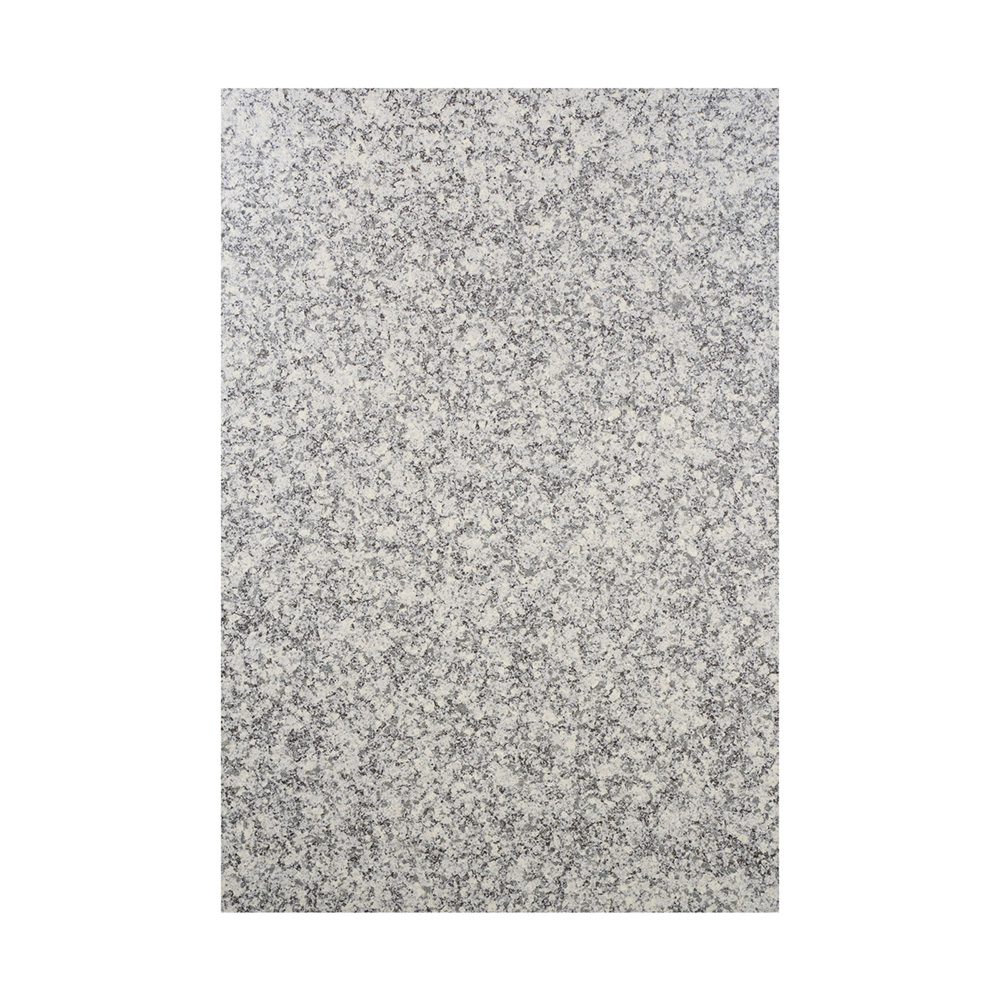
Natural slate's visual range is wide — from fine-grained, even-textured material in blue-gray tones to coarser, multicolored varieties with pronounced relief. Flexible veneer manufacturers typically offer multiple SKUs within their slate category. Request physical samples rather than relying on digital images, as screen color reproduction is rarely accurate for mineral-textured materials.
For large-scale commercial or hospitality projects, OEM customization — including proprietary colorways, panel dimensions, or branded backing specifications — is often available from manufacturers with in-house R&D capability. This is particularly relevant for hotel groups or retail chains seeking visual consistency across multiple locations. Minimum order quantities for custom runs vary, so confirm lead times and MOQs early in the design development phase.
Confirm that the adhesive systems specified by the manufacturer are compatible with the substrate in the project. Cement-based tile adhesives suit most masonry substrates. Polymer-modified adhesives are preferred for areas with thermal movement or vibration. Some manufacturers supply purpose-formulated adhesive systems as part of their product warranties — check whether the warranty is adhesive-specific.
One of the most commercially compelling features of slate flexible stone veneer is the simplified installation process relative to traditional cladding. While the specific method depends on the product system and substrate, the general workflow follows a consistent sequence that most experienced tile or cladding contractors can execute without specialist stone training.
Compared to fixing natural stone slabs — which requires mechanical anchoring, continuous mortar beds, and specialist grouting — flexible veneer installation can reduce labor time by 30–50% on equivalent surface areas, a material factor in overall project cost modeling.
Slate flexible stone veneer requires relatively low routine maintenance compared to both natural stone and many alternative cladding materials. The textured surface does attract dust in exterior environments, but the absence of grout joints — a common site of staining, mold growth, and deterioration in conventional tiling — significantly reduces the surface area that demands active care.
For interior installations, periodic dry dusting or light damp wiping is sufficient to maintain appearance. In high-traffic hospitality environments, a mild neutral-pH cleaner is adequate for periodic deep cleaning. Avoid abrasive pads or acid-based cleaners that can erode the mineral surface.
For exterior facades, an annual inspection should assess the integrity of sealant joints at penetrations and check for any panel edges that have lifted at corners — typically a sign that adhesive selection was not matched to thermal movement in that climate zone. Localized repairs are straightforward: individual panels can be removed and replaced without disturbing adjacent material, unlike monolithic stone cladding systems where a single damaged section may require extensive surrounding dismantlement.
The combination of low maintenance burden, repairability, and multi-decade service life positions slate flexible stone veneer as a lifecycle-cost-competitive choice against higher-maintenance alternatives such as painted render, timber cladding, or unsealed fiber-cement systems.


Justone is Thin Flexible Stone Veneer Sheet Supplier in China.The company takes innovation-driven development as its core, regards promoting the progress of the industry as its responsibility, deeply engages in the chemical composite building materials track, and demonstrates its professional expertise in this field.



 English
 Français
 Español
 Português
 عربى
عربى