

Content
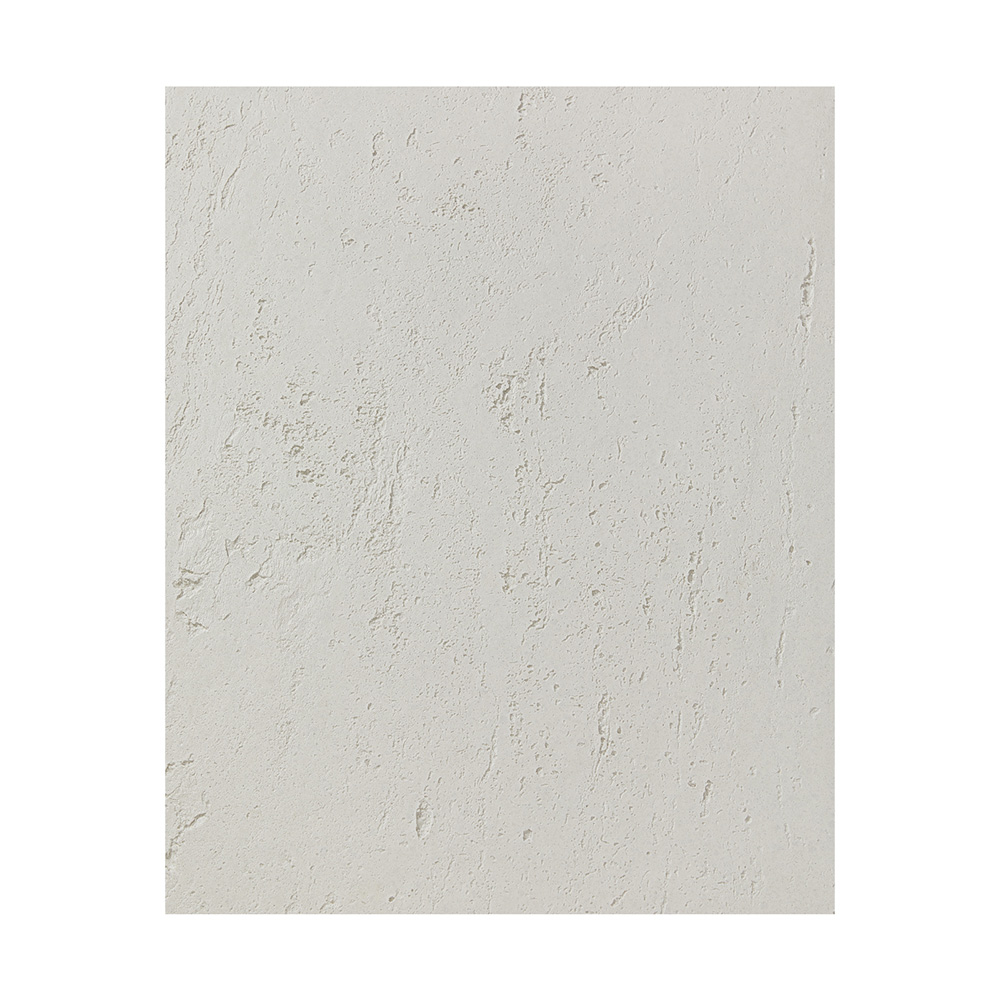
Travertine flexible stone is a modern wall cladding material engineered from natural stone powder, designed to replicate the warm, porous aesthetic of classic travertine while eliminating its most persistent limitations—weight, brittleness, and rigid geometry. Unlike quarried travertine slabs, which can weigh upwards of 25–30 kg/m², a travertine flexible stone veneer sheet weighs just 3–4 kg/m², reducing structural load by more than 85%. Its thickness sits between 2.5 mm and 3.3 mm (approximately 2.7 mm ±10%), making it one of the thinnest stone-look surface products available on the market today.
The material achieves its flexibility through a double-layer reinforced mesh substrate embedded within the stone-powder composite. This construction allows the sheet to bend to a minimum radius of under 100 mm, which means it can conform to curved columns, cylindrical pillars, arched doorways, and any surface geometry that would crack or shatter conventional stone tiles.
Choosing between natural travertine and its flexible counterpart comes down to four practical dimensions: weight, workability, durability, and cost-in-use. The table below summarises the most critical differentiators.
| Parameter | Natural Travertine Tile | Travertine Flexible Stone Veneer |
|---|---|---|
| Thickness | 10–20 mm | 2.5–3.3 mm |
| Weight | 25–30 kg/m² | 3–4 kg/m² |
| Flexibility | None (brittle) | Min. bending radius <100 mm |
| Waterproof | Requires sealing | Inherently waterproof |
| Fire Resistance | Non-combustible but heavy | Fireproof rated |
| UV Resistance | Fades over time | UV-stabilised colour |
| Standard Sizes | Varies (typically 300–600 mm) | 600×900 mm / 600×1200 mm |
| Colour Customisation | Limited to quarried palette | Fully customisable on demand |
The weight advantage alone reshapes project economics. On a high-rise façade where structural reinforcement cost is directly tied to cladding load, switching from 25 kg/m² travertine to a 3–4 kg/m² flexible veneer can eliminate the need for additional steel supports—a saving that typically far exceeds the material cost differential.
Natural travertine is inherently porous—its characteristic pitting and channelling, while visually appealing, creates pathways for moisture ingress. Without regular sealing, water penetrates the surface, promotes efflorescence, and accelerates freeze-thaw degradation in cold climates. Travertine flexible stone addresses this at the material level. Because the veneer is manufactured from processed stone powder bonded with a polymer composite, its surface is non-porous and waterproof without any additional treatment. This makes it suitable for wet environments including bathrooms, covered exterior facades, and commercial kitchens.
Fire safety is increasingly a compliance requirement rather than a bonus feature, particularly in public buildings such as schools, hospitals, and office towers. Travertine flexible stone veneer carries a fireproof rating, meaning it will not contribute to flame spread along a wall surface. For architects specifying cladding on projects that must meet codes such as EN 13501-1 (Europe) or ASTM E84 (North America), this removes a potential compliance barrier that many organic-faced or polymer-heavy façade products cannot clear.
A single-layer backing would make the panel rollable but vulnerable to tearing under point impact or substrate movement. The double-layer reinforced mesh embedded in travertine flexible stone distributes stress across the sheet, preventing crack propagation under both thermal cycling and mechanical impact. This structural resilience is what distinguishes a professional-grade flexible stone from cheaper imitations that delaminate or fracture after a single season.
One of the most common complaints about pigmented cladding products is solar-induced colour shift—the slow bleaching or yellowing visible within three to five years of installation on south-facing elevations. Travertine flexible stone incorporates UV stabilisers within its surface layer, protecting the customised colour finish from photodegradation. This is particularly relevant for projects in high-irradiance locations (the Middle East, Mediterranean, Southeast Asia, and southern China) where UV intensity accelerates colour breakdown in unprotected materials.
The combination of low weight, high flexibility, and robust safety ratings makes travertine flexible stone applicable across a wider range of surfaces and project types than any natural stone product.
Flexible stone veneer installs differently from conventional tile, and understanding these differences prevents the most common site errors.
The substrate must be clean, structurally sound, and free of contaminants that would inhibit adhesive bond. For renovation projects applying the veneer over existing ceramic tile, verify that the existing tile itself is firmly bonded—hollow-sounding tiles indicate delamination and should be re-fixed or removed before overlay installation.
Use a flexible, polymer-modified tile adhesive rated for both the substrate material and the intended environment (interior, exterior, or wet zone). Avoid rigid cementitious mortars for curved applications—the adhesive must tolerate the continuous curvature without shear failure.
Unlike ceramic tile, travertine flexible stone can be cut with ordinary scissors, a craft knife, or a circular saw. This reduces tool requirements on site and allows installers to make precise cuts around electrical boxes, windows, and penetrations without specialist cutting equipment.
For concave or convex curves with a radius above 100 mm, simply pre-bend the sheet against the intended surface before applying adhesive. For tighter radii, hold the sheet in position with temporary supports until the adhesive cures fully. No soaking, steaming, or heating is required—the material bends at ambient temperature.
Joint treatment follows standard tile-setting practice. Flexible grout or sealant is preferred at movement joints and perimeter edges to accommodate any differential thermal expansion between the veneer and substrate. For a seamless appearance on large flat surfaces, minimal-joint installation is feasible given the generous sheet size (600×900 mm and 600×1200 mm).
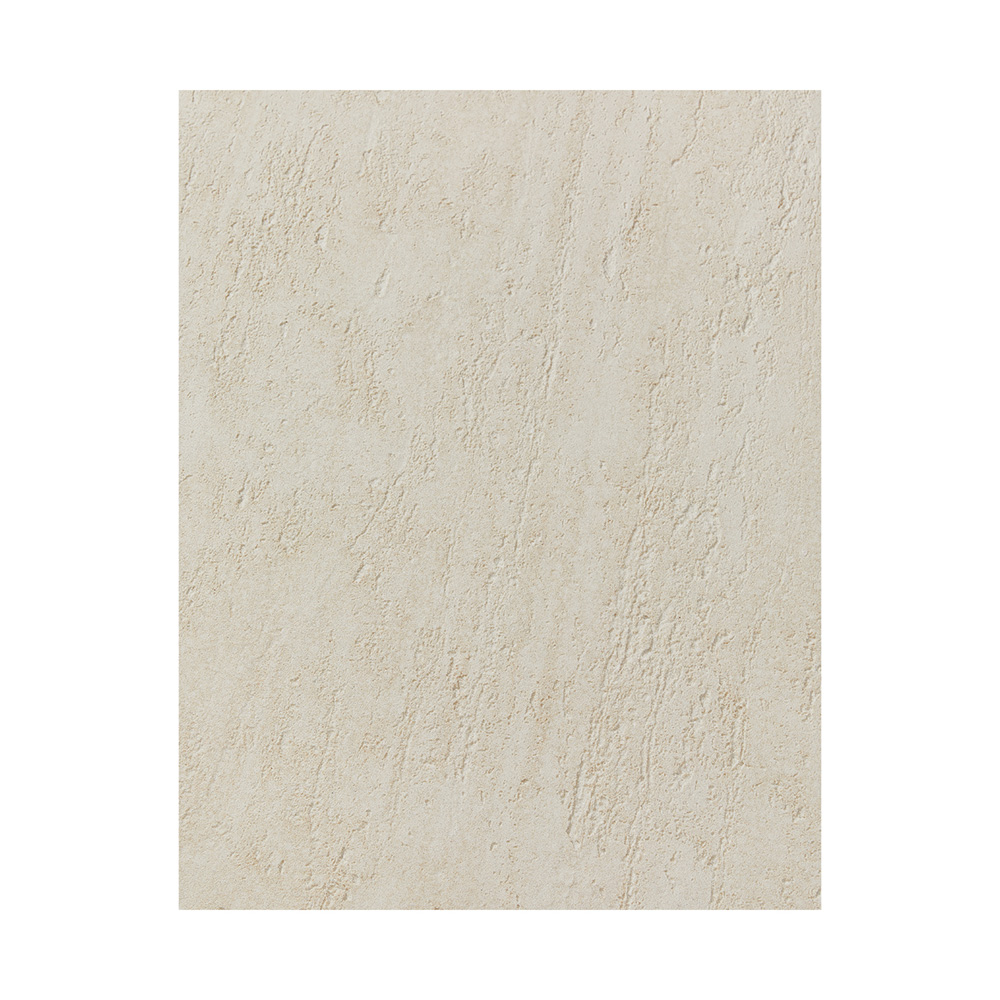
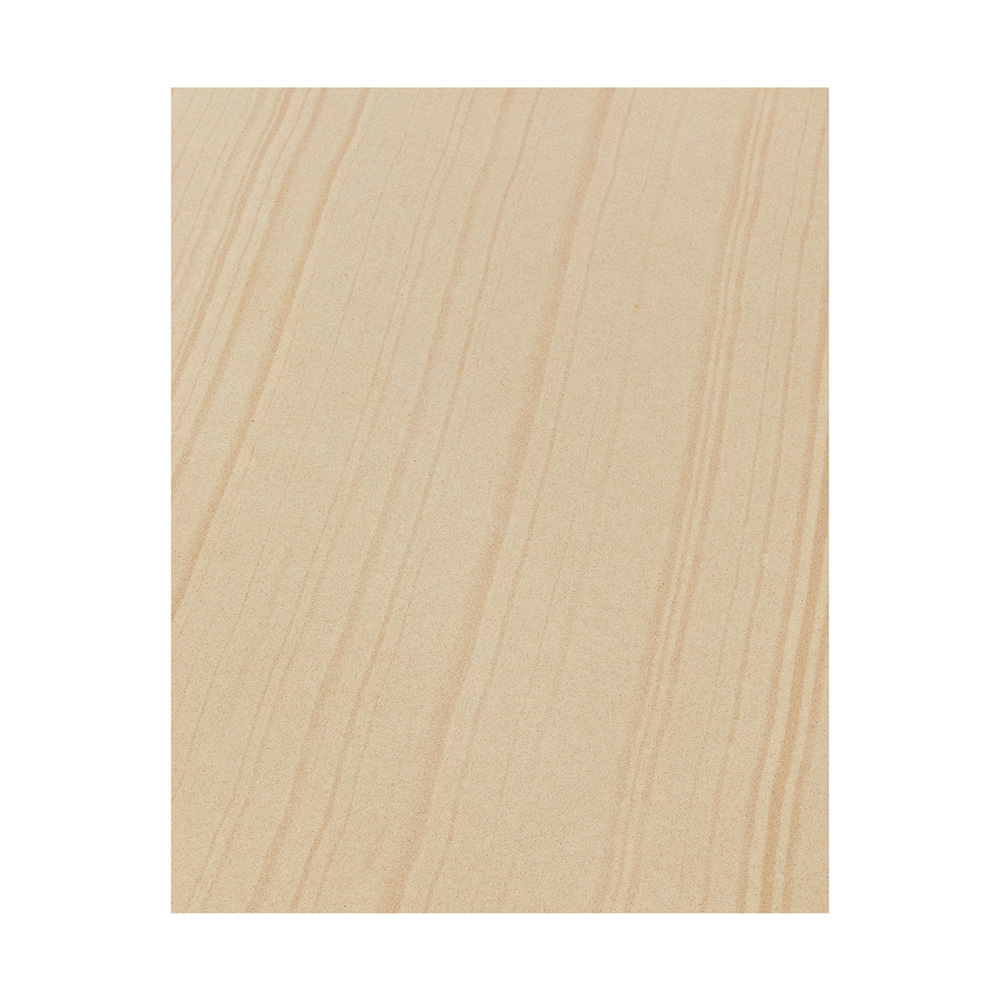
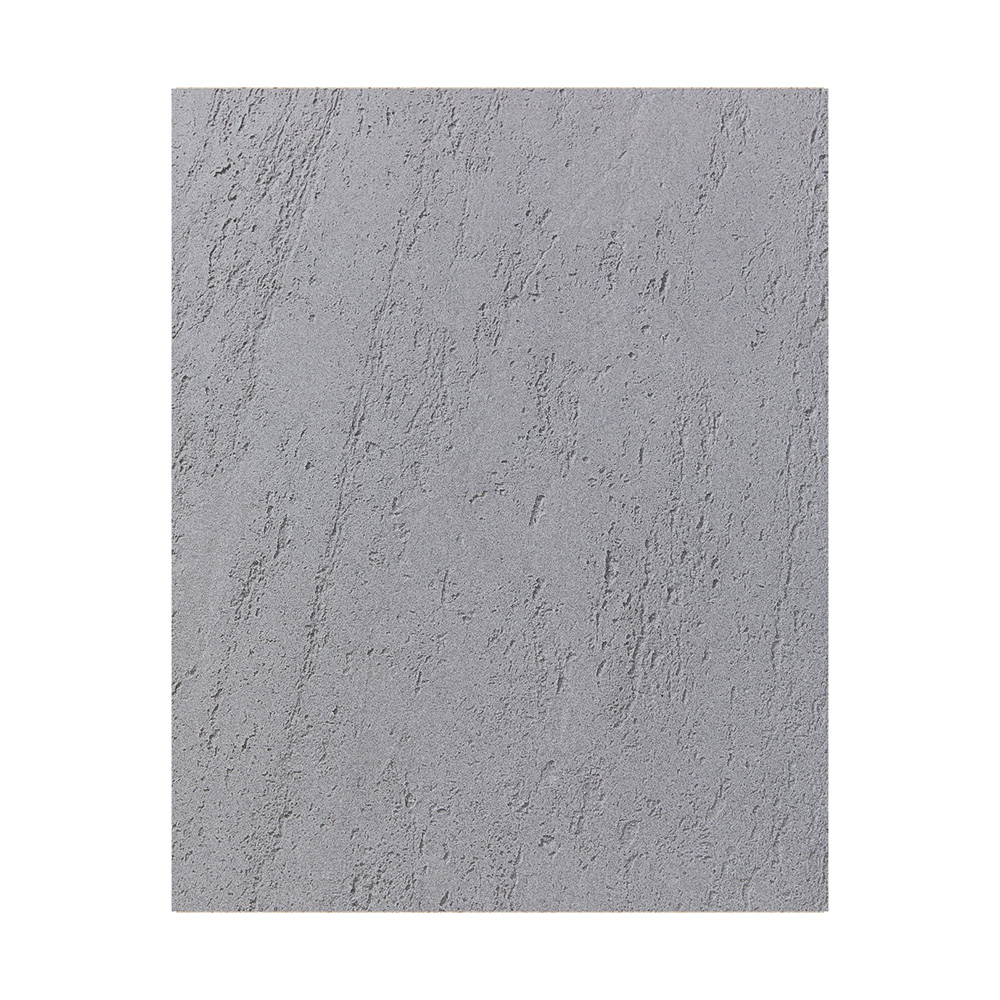
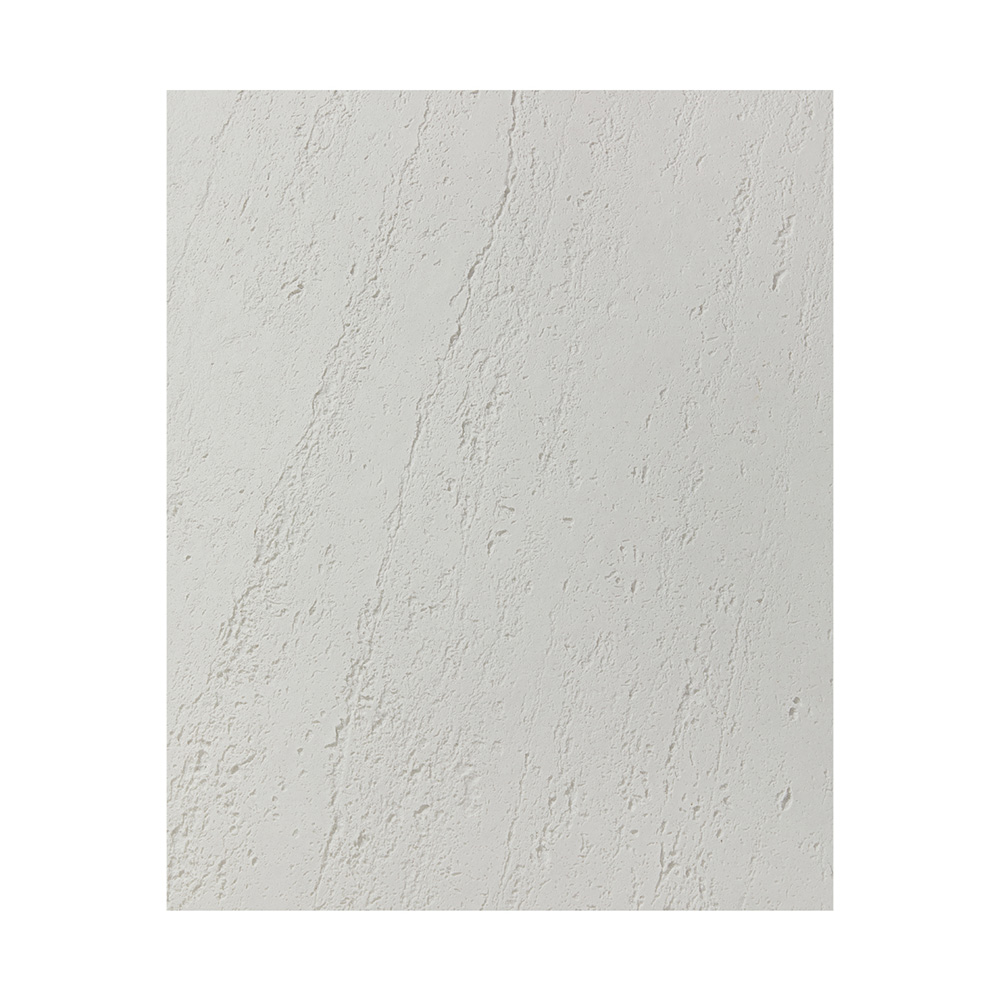
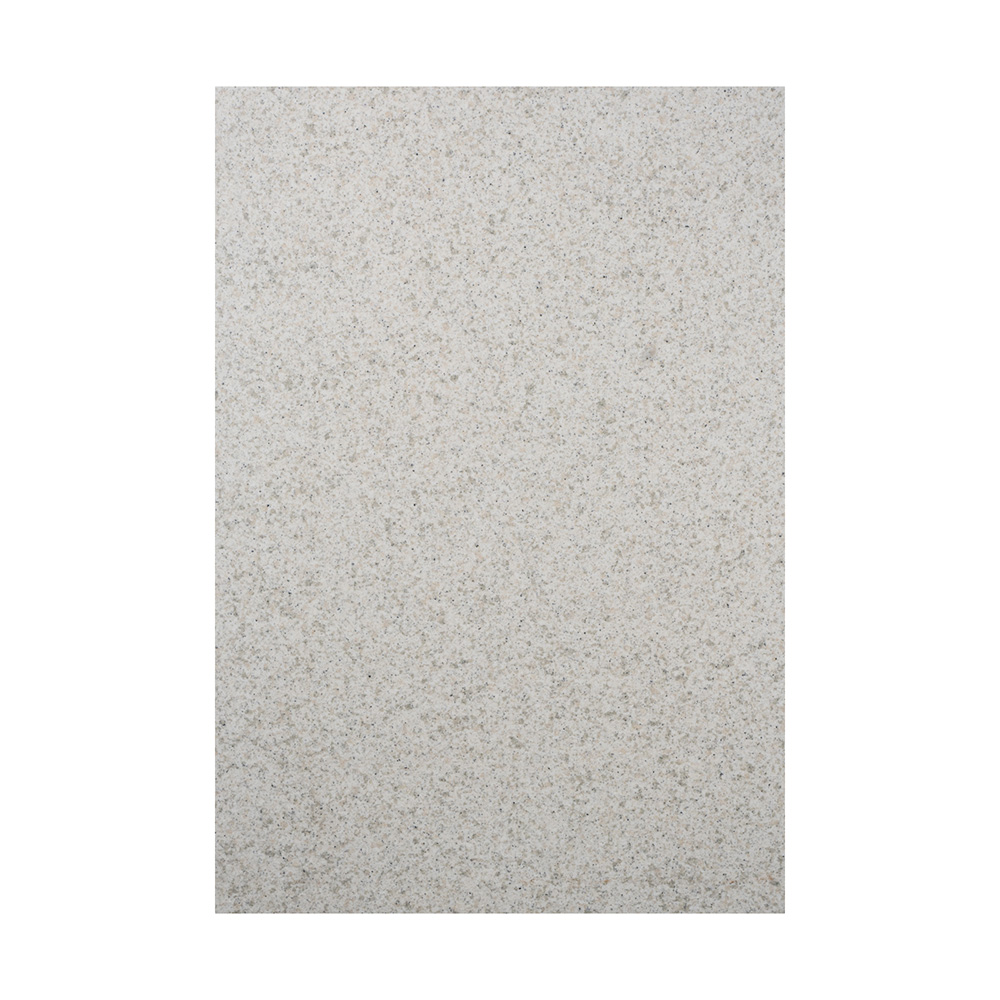
Natural travertine comes in a palette constrained by geology—primarily warm ivory, beige, walnut, and silver-grey tones sourced from limestone deposits in Italy, Turkey, Iran, and Peru. Travertine flexible stone removes this constraint entirely. Because colour is applied during manufacture through the stone-powder composite process, any RAL, Pantone, or custom colour specification can be accommodated on demand. This opens up design possibilities that natural stone cannot match: matching a corporate brand colour on a commercial façade, coordinating interior walls precisely with a specified furniture range, or achieving historically accurate restoration colours for heritage renovation projects.
The texture itself—the characteristic travertine surface with its linear voids, subtle ridging, and cross-cut or vein-cut patterns—is mould-imprinted from natural stone originals, ensuring visual authenticity at close inspection distances. Samples are available before production commitment, which is standard practice for any colour-critical specification.
Sustainable building certification schemes—LEED, BREEAM, Green Star—assess cladding products on several dimensions: embodied carbon, recyclability, regional sourcing, and lifecycle durability. Travertine flexible stone performs well across most of these:
For architects, specifiers, and procurement teams, the following checklist covers the key decisions when incorporating travertine flexible stone into a project specification:
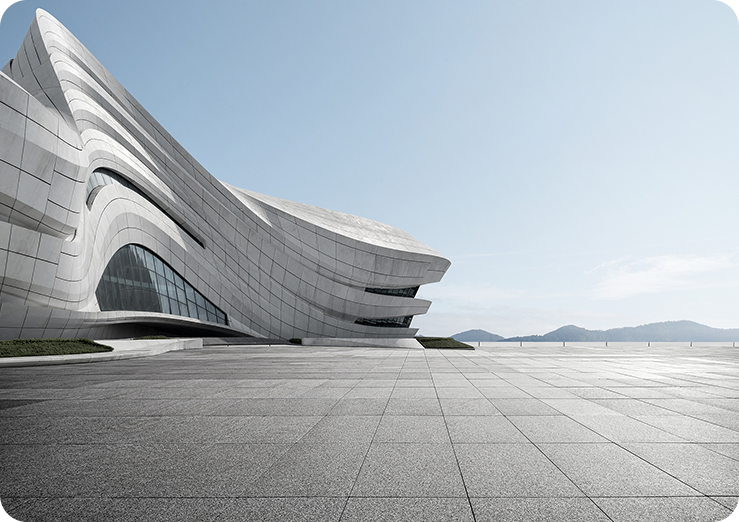

Justone is Thin Flexible Stone Veneer Sheet Supplier in China.The company takes innovation-driven development as its core, regards promoting the progress of the industry as its responsibility, deeply engages in the chemical composite building materials track, and demonstrates its professional expertise in this field.



 English
 Français
 Español
 Português
 عربى
عربى