

Content
For centuries, stone has been the gold standard of architectural cladding — commanding in presence, durable beyond measure, and unmistakably natural. Yet its very strengths are also its limitations. Conventional slate slabs are dense and brittle, typically weighing between 25 and 35 kg/m². They cannot conform to curved surfaces, they demand heavy structural reinforcement, and they are vulnerable to cracking under seismic stress or building settlement. For a design world increasingly obsessed with fluid forms, organic curves, and expressive facades, rigid stone has been falling short.
That is changing. A new category of material — flexible stone veneer — is rewriting the rules of what stone can do on a building. And within this category, flexible slate stone veneer has emerged as one of the most compelling options for architects, designers, and developers seeking authentic texture without structural compromise.
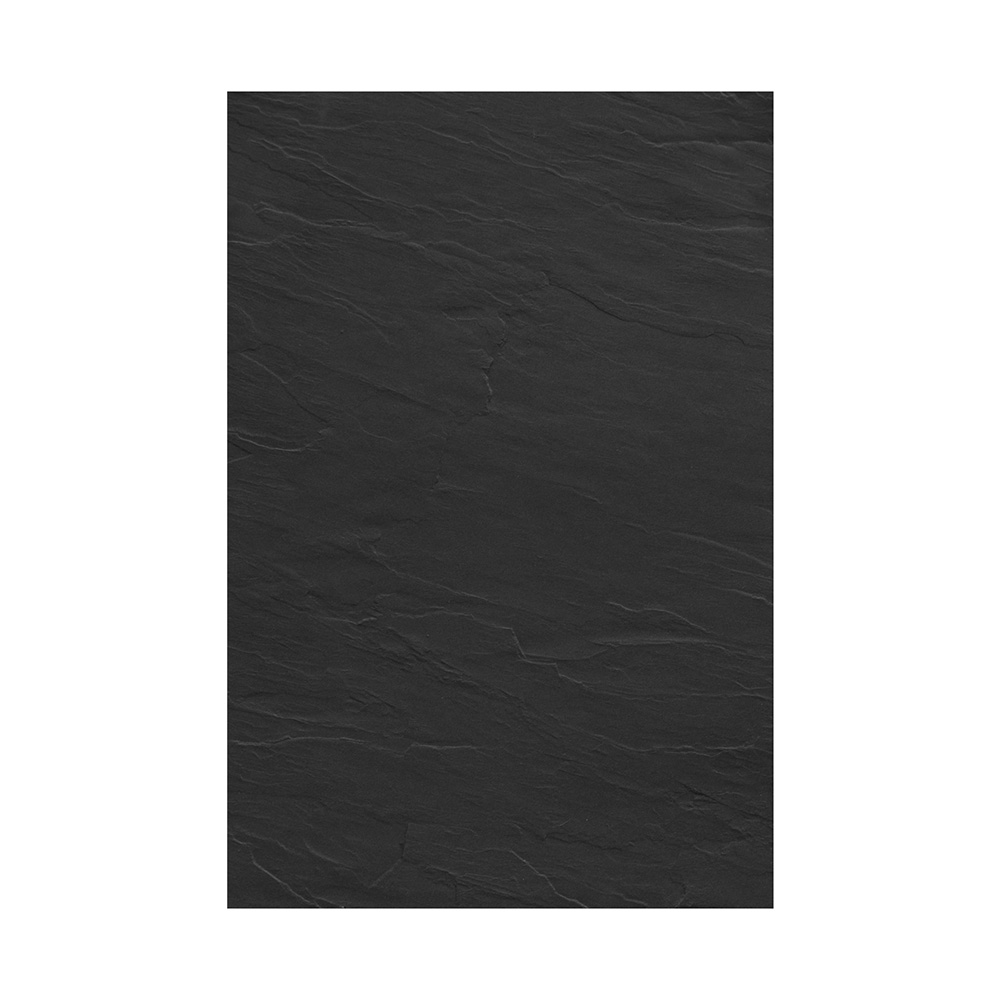
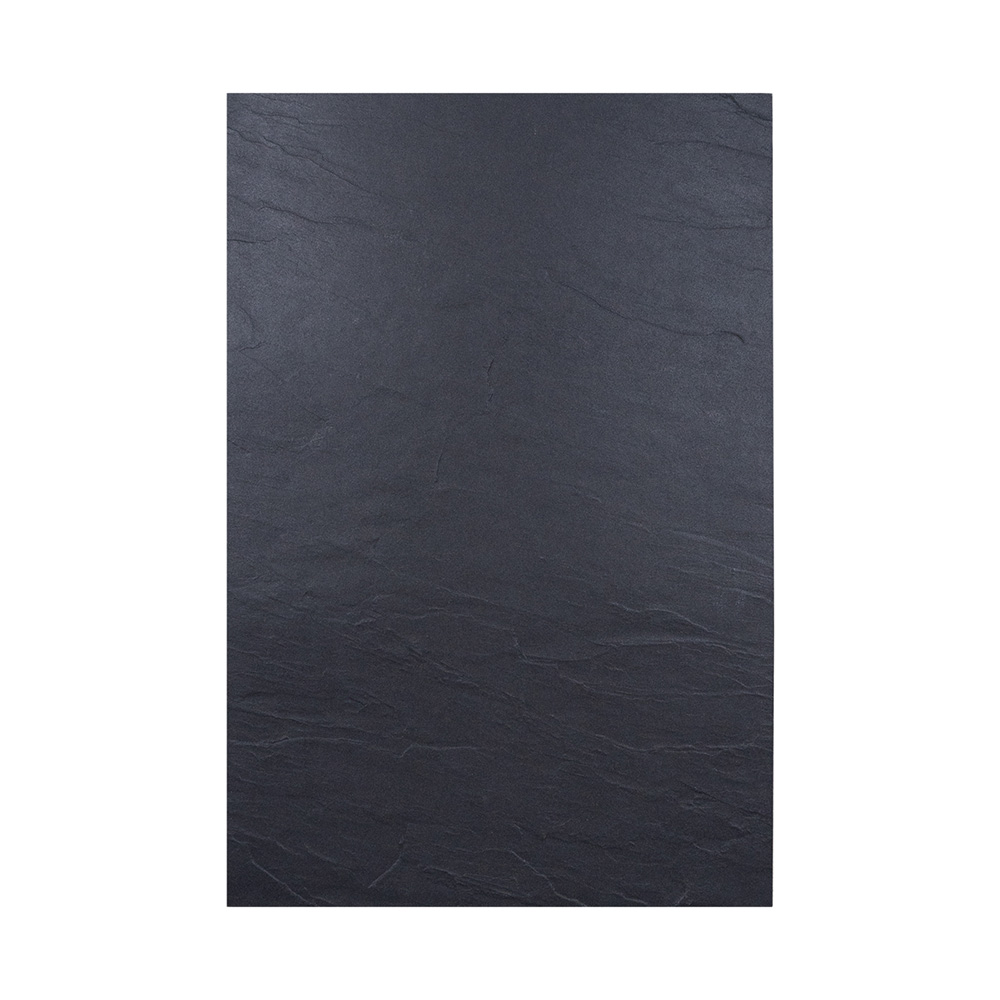
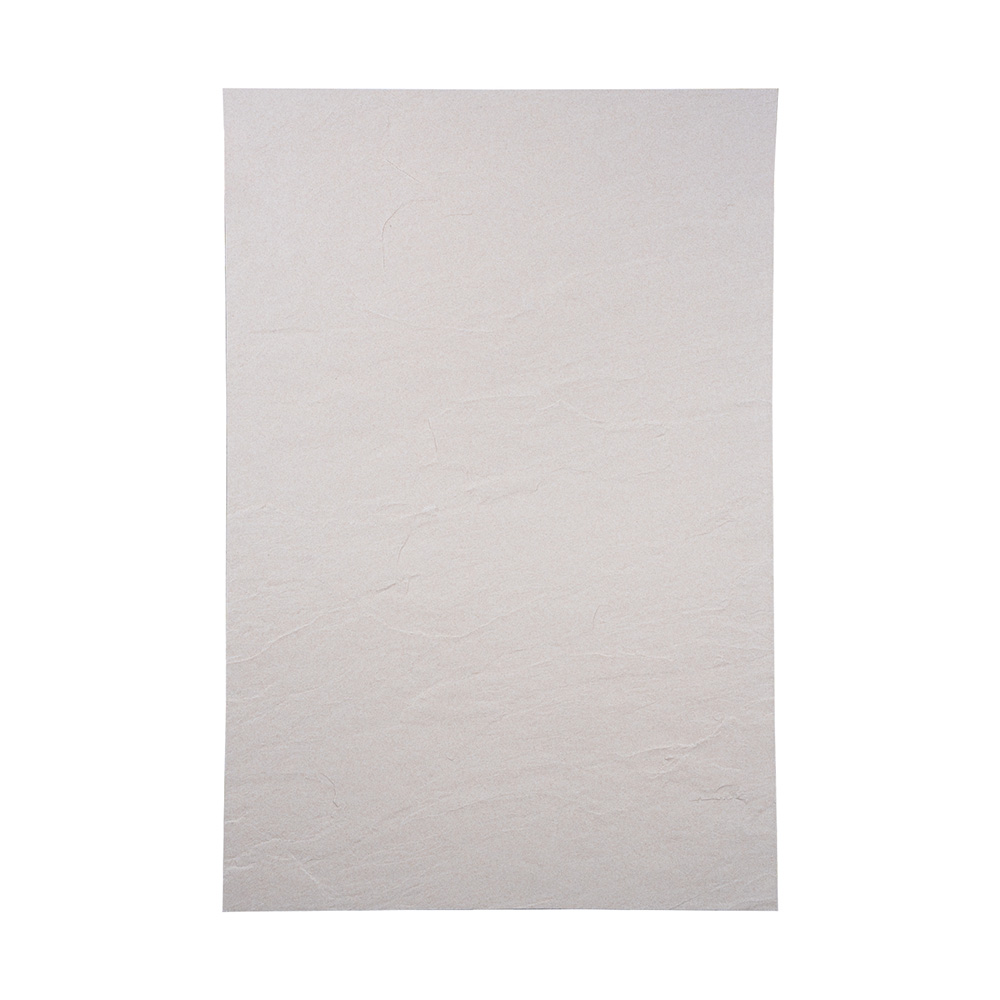
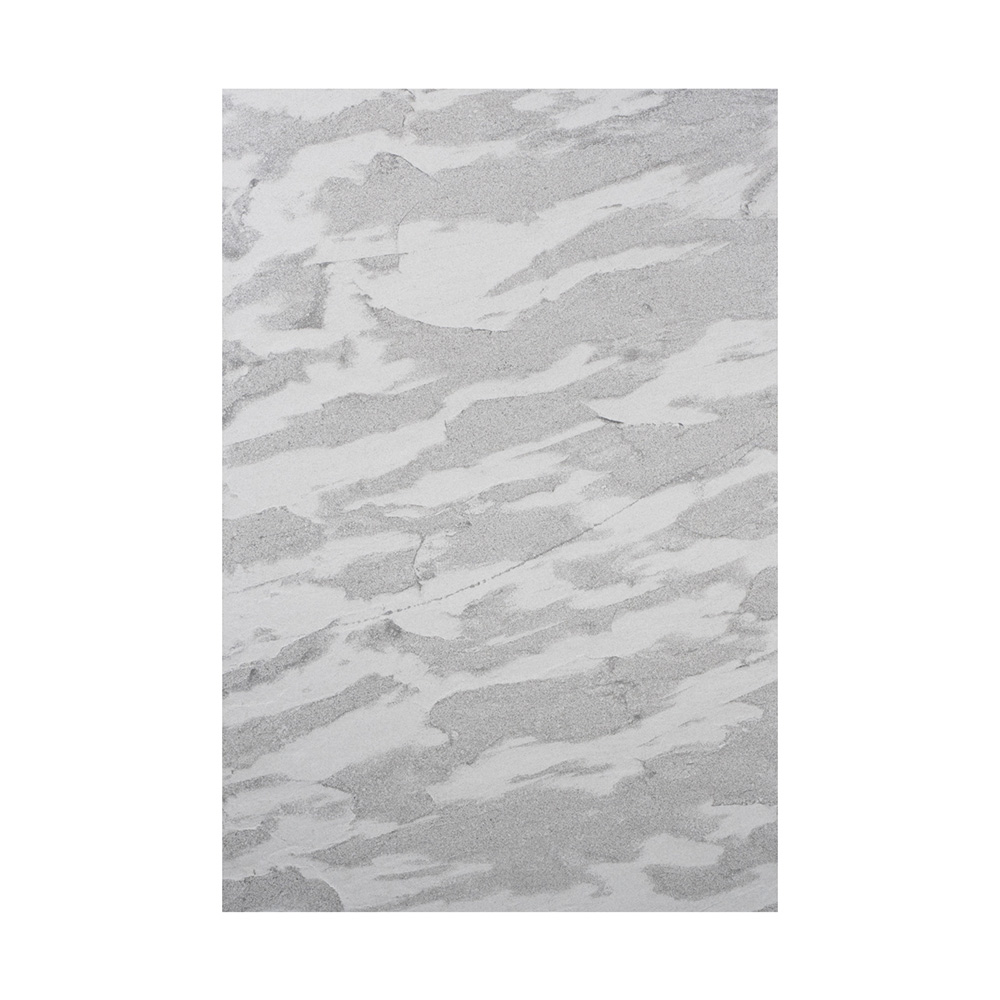
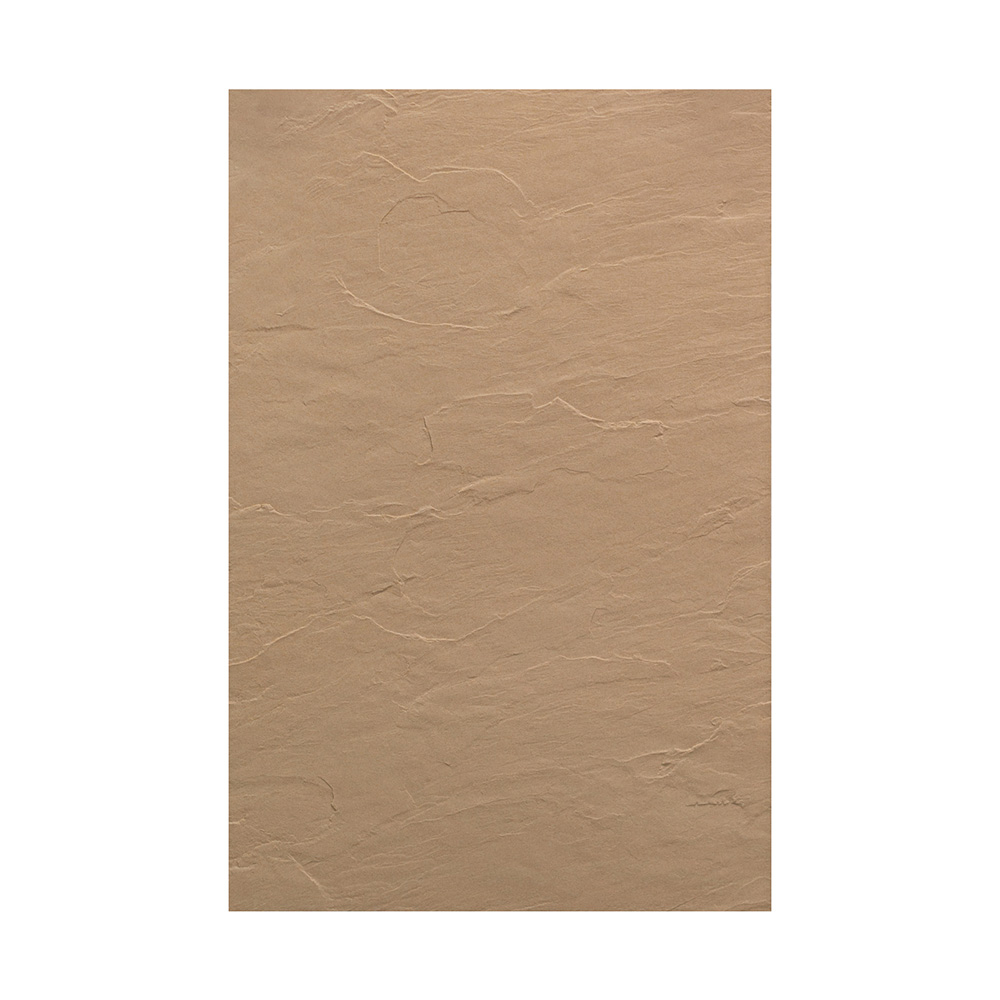
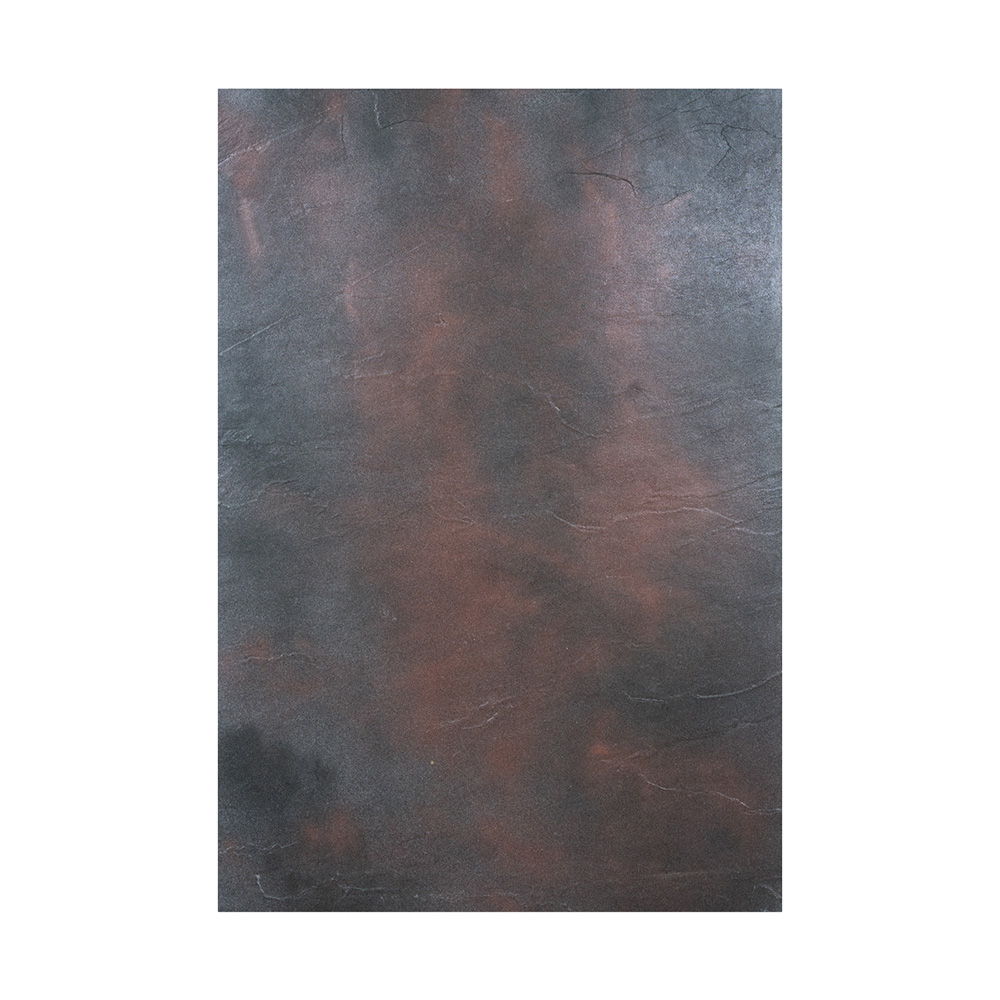
Flexible slate veneer is engineered by bonding an ultra-thin layer of real natural stone — measuring just 2.7mm ± 10%, with an overall panel thickness of 2.5–3.3 mm — onto a high-performance polymer or fiberglass backing. The result is a sheet material that retains the authentic mineralogy, texture, and color variation of slate, while gaining the ability to flex, curve, and wrap around surfaces that would destroy a traditional slab.
The material properties that make this possible include:
These are not cosmetic improvements. They represent a fundamental shift in how stone can be specified, detailed, and installed on a building.
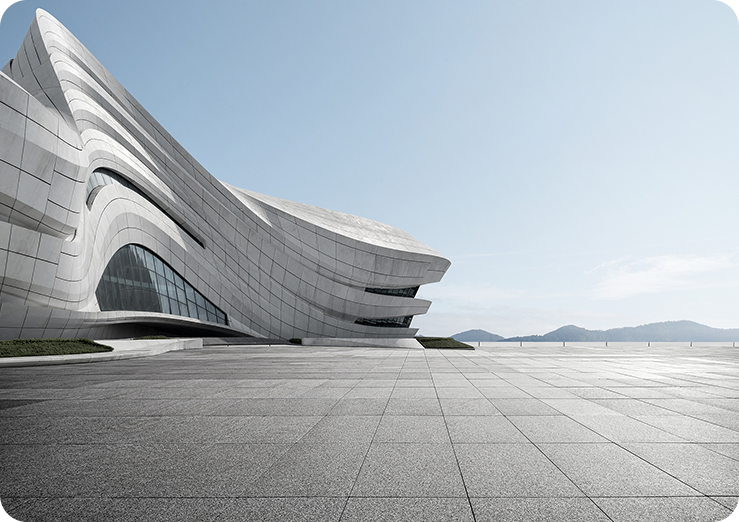
Parametric architecture demands surfaces that flow without interruption. Traditional stone achieves curves only through expensive bespoke cutting, with visible joints every few centimeters that break visual continuity. Flexible slate can be applied in standard format sheets — available in 600 × 900 mm and 600 × 1200 mm — that bend smoothly across curved facade systems, maintaining the appearance of a continuous stone skin.
Wrapping a circular column in stone has historically been a detail problem — solved awkwardly with thin slivers or abandoned in favor of plaster finishes. Flexible slate wraps directly around structural columns and architectural pillars, delivering the weight and texture of natural stone without complex joinery or structural supplementation.
One of the most commercially significant applications is building renovation. Older structures often cannot support the additional dead load of full-thickness stone cladding without costly structural reinforcement. At only 3–4 kg/m², flexible slate can be applied to existing facades, internal walls, and even ceilings without triggering a structural redesign — making stone aesthetics accessible for a far wider range of renovation projects.
Slate's rough grain and dark, layered tonality have long been prized for high-end interiors — bars, boutique hotels, villa living rooms, restaurant accent walls. Flexible slate brings this aesthetic to interior applications where conventional slate was impractical: the material can be installed on timber-frame partitions, light steel stud walls, and even directly over existing finishes in renovation scenarios.
Planters, seating elements, retaining walls, and sculptural landscape features can now carry a stone skin that responds to environmental exposure without the risk of frost spalling that afflicts natural slate in freeze-thaw climates. Waterproof-backed flexible slate panels are engineered to resist moisture ingress and UV degradation over extended service lives.
| Property | Conventional Slate | Flexible Slate Veneer |
|---|---|---|
| Unit Weight | 25–35 kg/m² | Only 3–4 kg/m² |
| Thickness | 20–30 mm (full slab) | 2.5–3.3 mm (2.7 mm ± 10%) |
| Minimum Bending Radius | Not applicable (rigid) | Under 100 mm |
| Standard Panel Size | Limited by quarry slab | 600×900 mm / 600×1200 mm |
| Fire Resistance | Non-combustible | Fire resistant — certified |
| Waterproof | Natural stone — moisture-permeable | Waterproof backing engineered |
| UV Protection | Susceptible to fading | UV-resistant treatment |
| Crack Prevention | Brittle — fracture risk | Flexible backing absorbs movement |
Conventional slate quarrying is resource-intensive: extraction, transport of heavy slabs, and the high waste rate from cutting and breakage all carry significant embodied carbon. Flexible slate veneer addresses this at multiple levels. Because only a thin stone layer is used — as opposed to a full-thickness slab — the material yield per tonne of quarried stone is dramatically higher. Some manufacturers engineer their products to meet eco-friendly certifications, incorporating low-VOC adhesives and recyclable backing substrates.
The lighter weight also has downstream sustainability implications. Lower dead load reduces the quantity of structural steel or concrete required to support cladding systems. Faster installation reduces on-site labor hours and associated carbon footprint. For projects targeting LEED, BREEAM, or regional green building certifications, the material contribution of flexible slate is increasingly something worth documenting.
Not all flexible stone products are equal. When specifying for a project, design teams should evaluate the following:
Our slate flexible stone veneer range is designed to meet commercial specification requirements across all these criteria, with documented performance data available for project tender packages.
Perhaps the most immediate advantage for contractors and project managers is installation speed. Conventional slate cladding requires specialist stone masons, heavy lifting equipment, and complex fixing systems with significant drying or curing time. Flexible slate panels can be installed with standard tile adhesives or proprietary dry-fix systems by general finishing trades — no specialist stone experience required.
Large-format panels cover surface area rapidly, and because the material can be cut with standard woodworking tools — no wet saw or angle grinder required — on-site adaptation to openings, services, and irregular geometry is straightforward. On typical facade projects, installation rates for flexible slate are estimated at 2–3 times faster than equivalent conventional stone cladding, with proportional savings in labor cost.
The material's light weight also eliminates the need for two-person lifting on most panel sizes, further reducing labor requirements and improving on-site safety outcomes.

Justone is Thin Flexible Stone Veneer Sheet Supplier in China.The company takes innovation-driven development as its core, regards promoting the progress of the industry as its responsibility, deeply engages in the chemical composite building materials track, and demonstrates its professional expertise in this field.



 English
 Français
 Español
 Português
 عربى
عربى