

Content
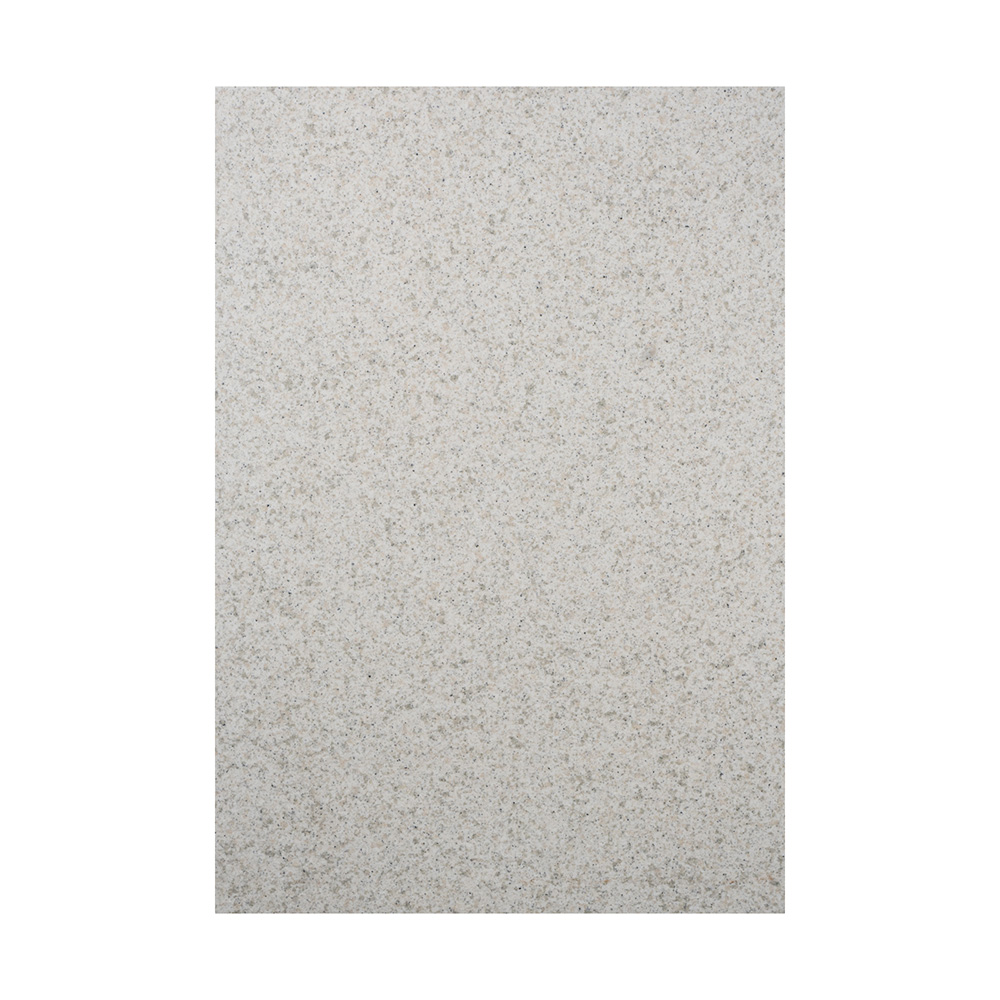
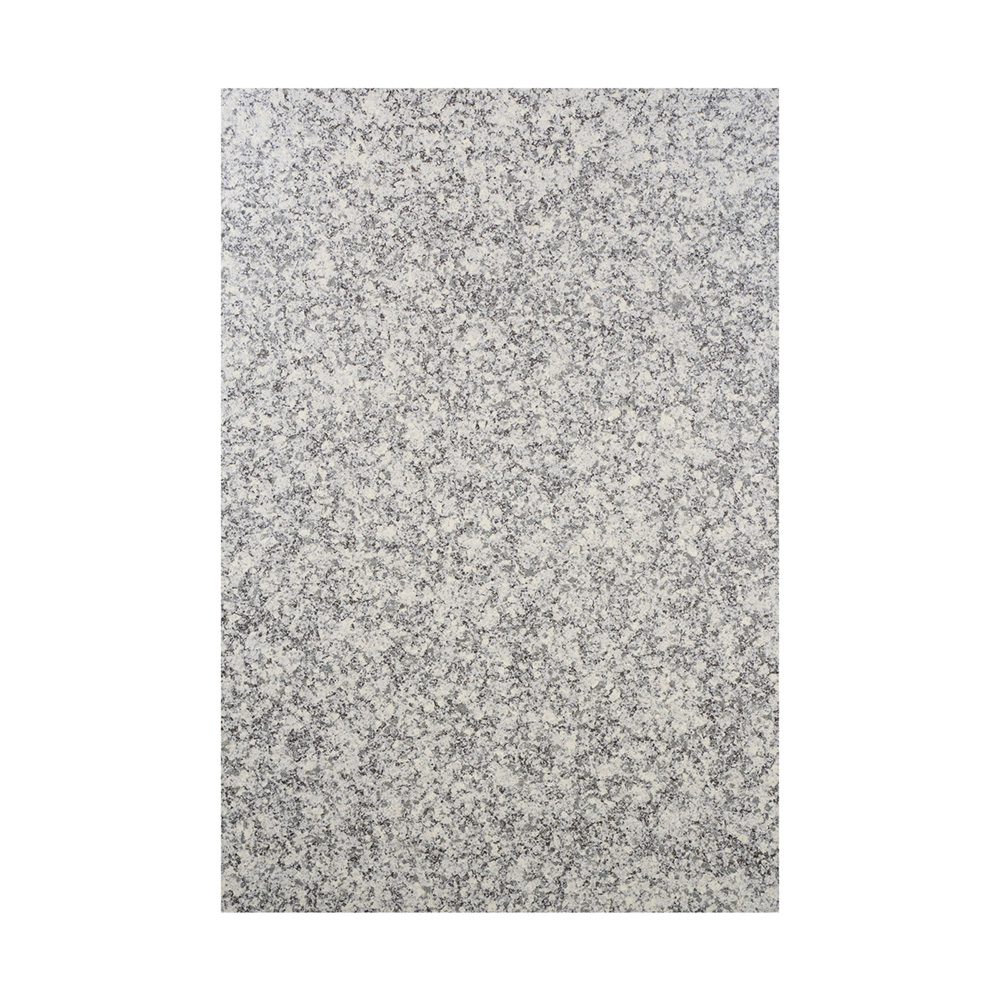
The construction industry is under growing pressure to reduce its environmental footprint — and the materials used on building surfaces are a major part of that equation. Traditional quarried stone delivers undeniable visual quality, but its extraction, transportation, and installation carry significant ecological costs. Flowing flexible stone veneer, such as the 600×900mm/600×1200mm Waterproof Fireproof Flow Flexible Stone Veneer from Justone, represents a genuinely different approach — one that puts sustainability at the core of every specification decision.
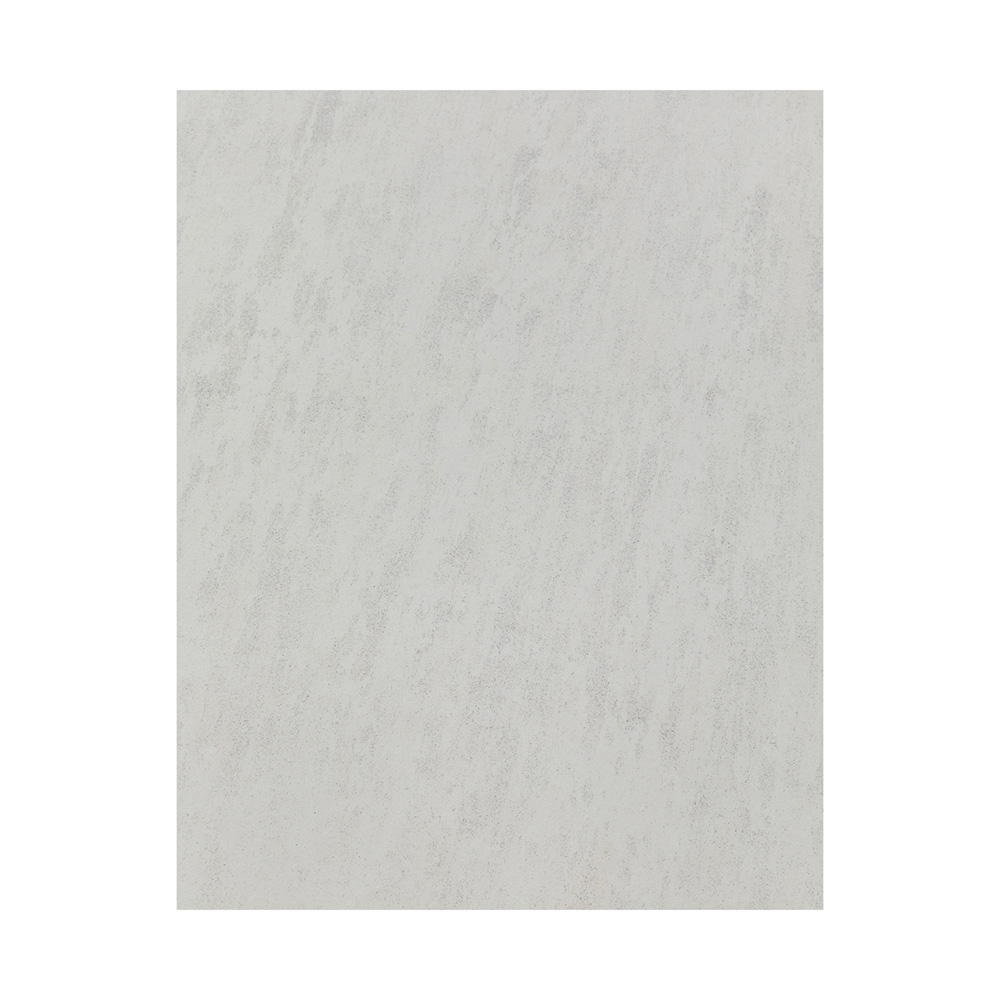
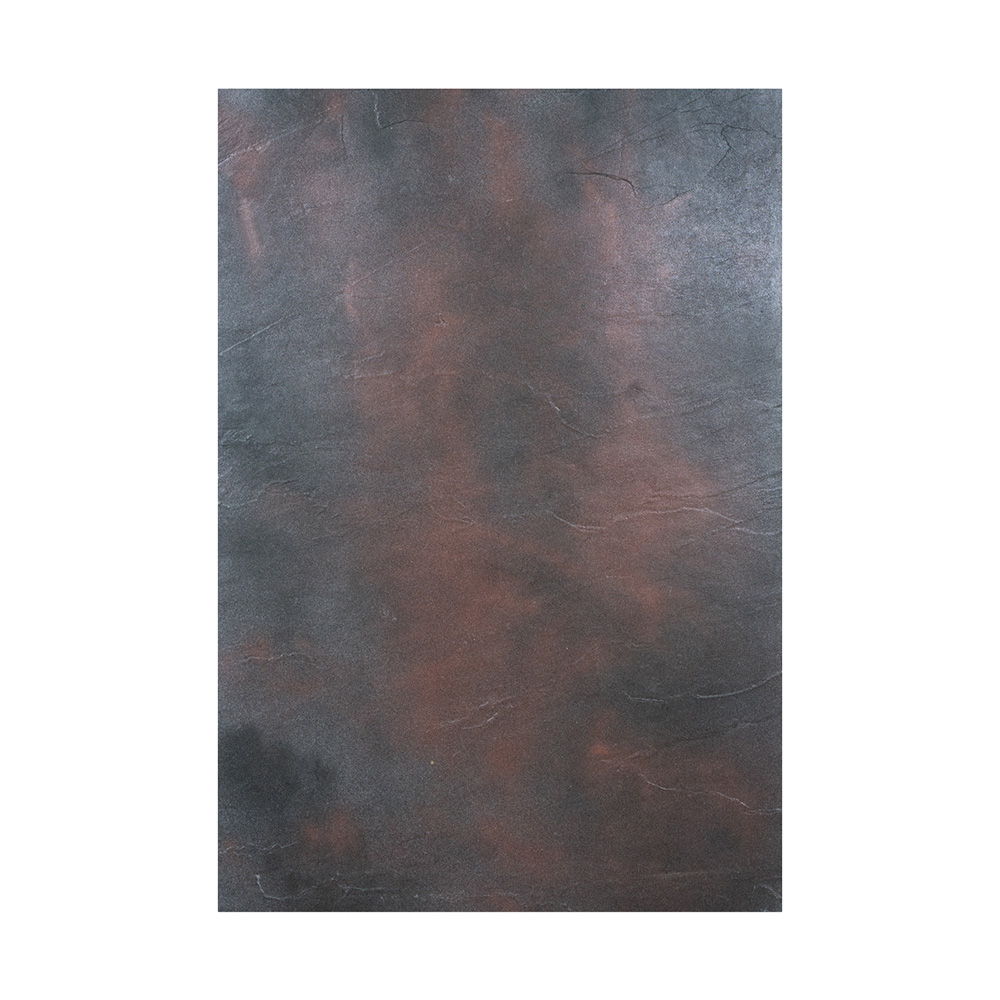
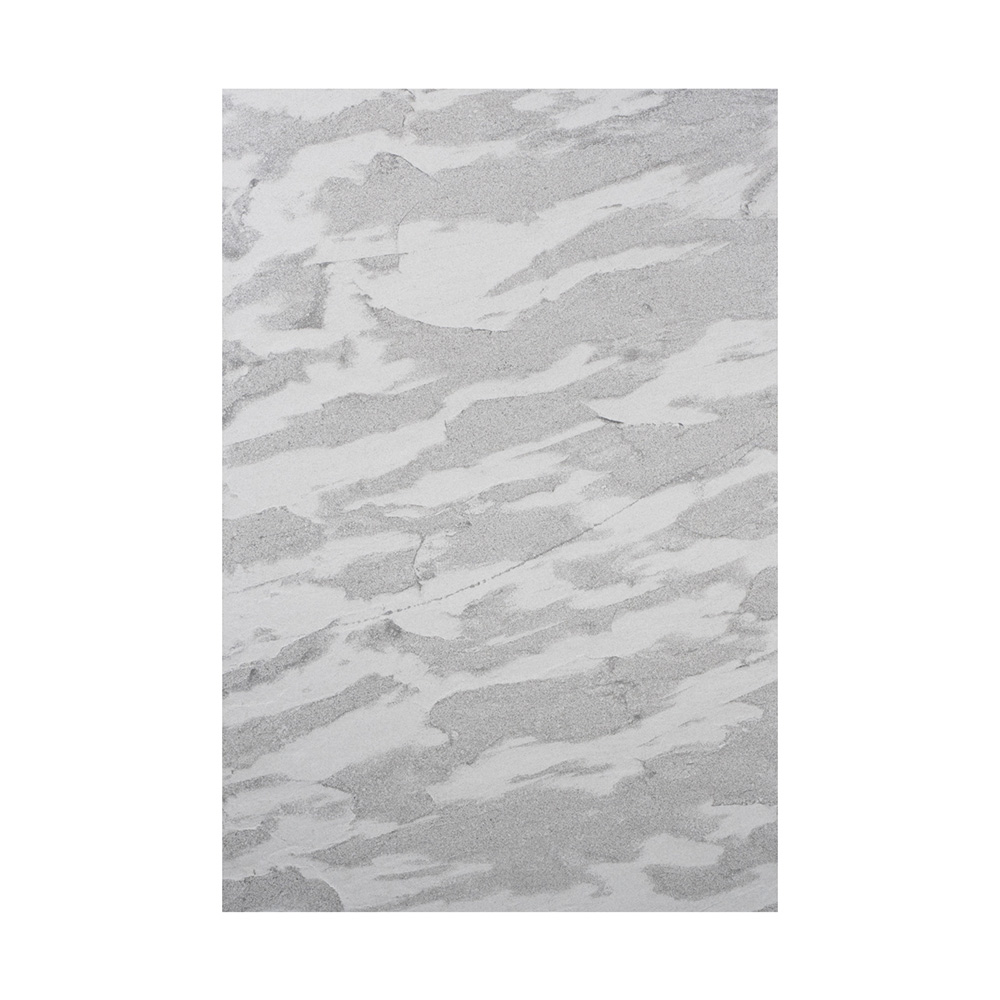
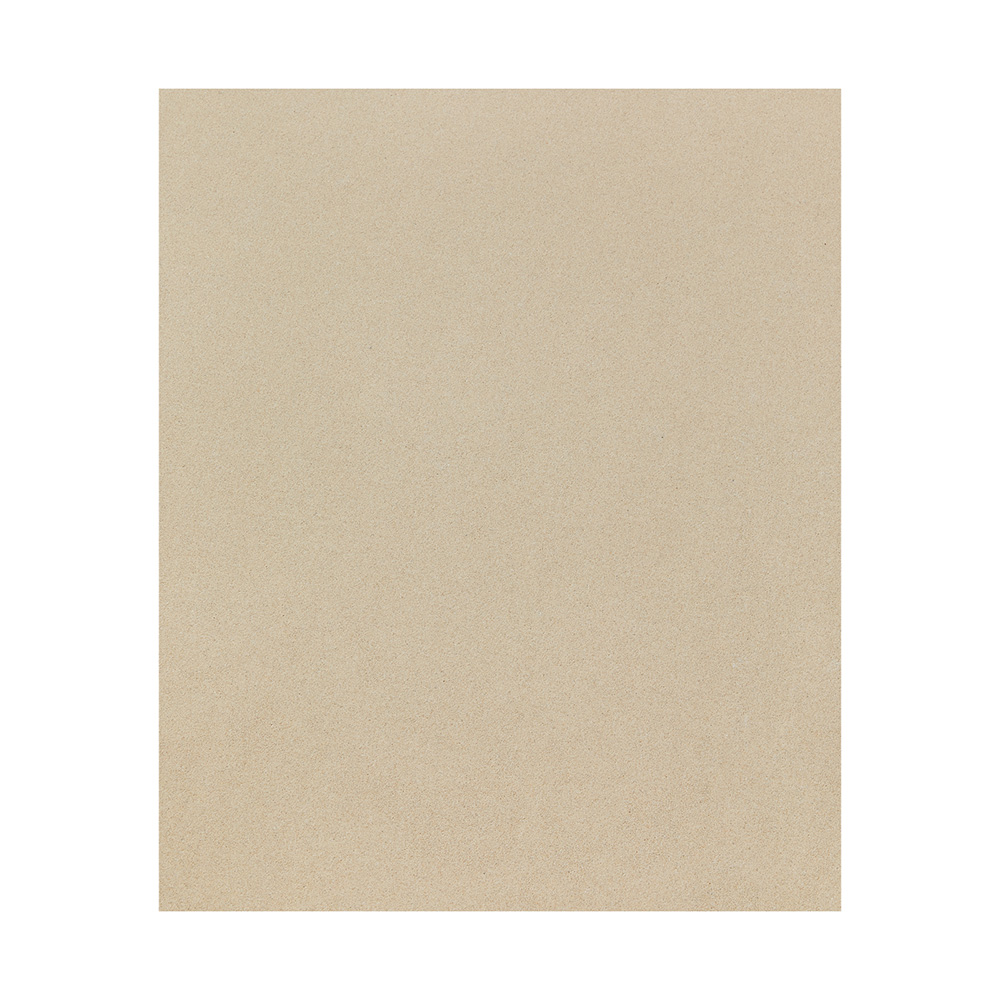
Flowing flexible stone is a next-generation wall cladding material engineered from natural stone powder and high-quality quartz sand, processed using three-dimensional spray-casting technology. Unlike solid stone slabs, the finished panel is just 2.7mm (±10%) thick and weighs only 3–4 kg per square meter — a fraction of conventional stone's mass. A double-layer reinforced mesh backing gives it structural resilience, while a minimum bending radius of under 100mm allows it to conform to curved and irregular surfaces that would be impossible to clad with traditional stone.
Justone's Flowing Flexible Stone series is produced with zero added color paste. All color variation comes directly from the natural pigmentation of the stone powder itself, ensuring an authentic look while eliminating synthetic dye inputs from the manufacturing process.
Sustainable construction depends on making smart material choices across the full lifecycle of a building — from raw material sourcing through installation, use, and eventual demolition. Flowing flexible stone addresses each stage more cleanly than its traditional counterpart.
Reduced resource extraction. Because flexible stone panels derive from stone powder and quartz sand rather than quarried slabs, the volume of raw material removed from the ground per square meter of finished cladding is dramatically lower. The manufacturing process uses natural inorganic materials that do not require heavy excavation or blasting.
Lower transportation emissions. Weight is one of the primary drivers of transportation-related carbon emissions. At just 3–4 kg/m², flexible stone panels are far lighter than traditional stone cladding, which can weigh 25–30 kg/m² or more. A single delivery can cover far greater surface area, reducing the number of trucks, the fuel consumed, and the resulting emissions per project.
Minimal installation waste. The 600×900mm large-format sheet size is designed to maximize coverage and minimize off-cuts. Panels can be cut cleanly and applied directly to prepared wall surfaces, generating less job-site waste compared to stone tile formats. Because the material is flexible and lightweight, there is also no need for heavy mortar beds or additional structural reinforcement of the substrate wall.
Zero VOC emissions in use. Justone flexible stone contains no synthetic colorants or organic paint additives. The result is a product that does not off-gas volatile organic compounds into the indoor environment after installation — a critical consideration for schools, hospitals, and residential buildings where air quality standards are paramount.
A truly sustainable material must last. A cladding product that requires frequent replacement — no matter how eco-friendly its manufacture — creates additional resource consumption and waste over the building's service life. The 600×900mm Flow Flexible Stone Veneer is engineered for longevity through a layered set of performance features.
| Feature | Specification | Sustainability Benefit |
|---|---|---|
| Panel Size | 600×900mm | Large format reduces joint count and installation waste |
| Thickness | 2.7mm ±10% | Minimal material volume per square meter |
| Weight | 3–4 kg/m² | Lower transport emissions; no structural reinforcement required |
| UV Blockage | 99.1% | Prevents color degradation, extending service life |
| Fire Resistance | Fireproof rated | Meets building safety codes; reduces fire-related rebuild risk |
| Waterproofing | Full waterproof treatment | Protects substrate integrity, reducing long-term maintenance |
| Bending Radius | Under 100mm | Adaptable to curved surfaces without additional fabrication |
The 99.1% UV blockage rate, achieved through a specialized coating integrated during production, is particularly relevant to long-term sustainability. UV degradation is one of the most common reasons exterior cladding materials require early replacement. By preventing color fade under direct sunlight, the panel maintains its visual integrity over decades — reducing the need for refurbishment cycles that consume new materials, labor, and energy.
Building longevity is inseparable from material resilience. The Flow Flexible Stone Veneer combines outstanding fire resistance with powerful waterproofing — two properties that directly contribute to the durability of the structures it clads. These are not surface treatments applied as an afterthought; they are integral to the panel's composite construction.
Fireproof performance means the material meets stringent architectural safety regulations, making it suitable for commercial buildings, schools, and healthcare facilities where fire compliance is non-negotiable. Waterproof capability prevents moisture ingress at the wall surface, protecting the underlying substrate from long-term water damage that would otherwise compromise structural integrity and require costly intervention. Together, these properties support a cladding system that works for the life of the building, not just the first few years after installation.
One of the practical sustainability advantages of flowing flexible stone is its adaptability across a wide range of project types. Because it performs equally well in interior and exterior environments, architects and specifiers can standardize on a single material family across an entire building, simplifying procurement, reducing SKU complexity on site, and ensuring visual consistency between internal and external finishes.
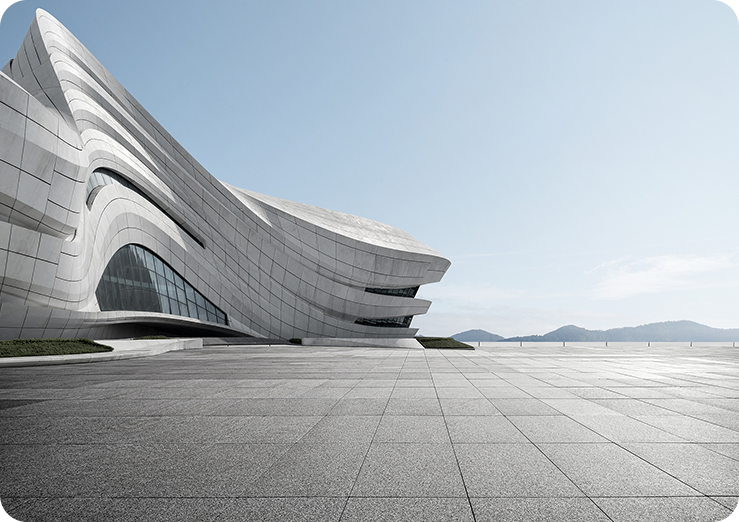
Exterior applications include facade cladding, entrance features, column wraps, and podium-level finishes where weather resistance and UV stability are essential. Internally, the same panel performs well on feature walls, lobby surfaces, corridor cladding, and curved architectural elements. The material's anti-stain surface treatment means that high-traffic interior zones remain easy to clean and maintain without requiring chemical-intensive cleaning products.
For renovation projects — a growing sector as the industry moves toward reuse over demolition — flexible stone is particularly valuable. Its low weight means it can be applied over existing wall substrates without triggering structural calculations or requiring the removal of original finishes in many cases. This dramatically reduces demolition waste and the resource cost of renovation.
As green building certification programs such as LEED and BREEAM become more widely adopted, the material specification process has become more rigorous. Flexible stone veneer supports multiple credit categories within these frameworks. Its lightweight nature reduces the structural material required to support cladding loads. Its low-waste installation reduces construction waste diversion requirements. Its durability and low maintenance profile contribute to reduced lifecycle environmental impact scores.
Justone's manufacturing process, which began R&D in 2011 and has resulted in more than ten patents in flexible stone production, is oriented around the use of natural, inorganic raw materials — quartz sand and stone powder — in a production chain designed to avoid the energy-intensive steps associated with ceramic tile firing, aluminum panel extrusion, or natural stone quarrying and cutting. For project teams working toward green certification targets, material transparency and documented performance are essential, and the Flow Flexible Stone Veneer is positioned to meet that standard.
Panel format has a direct impact on both installation efficiency and material waste. The 600×900mm sheet size — equivalent to 0.54 m² per panel — provides generous coverage that reduces the number of joints, the quantity of adhesive required, and the amount of trim cutting on a typical installation. Fewer joints also means fewer potential points of moisture ingress over the building's life, contributing to the waterproofing performance of the overall facade system.
For specifiers working with tight sustainability budgets, the large-format panel also reduces labor hours per square meter compared to smaller tile formats, lowering the overall carbon cost of the installation process. The panels are packaged in cartons suitable for standard logistics, and their low weight allows handling by a single installer without mechanical lifting aids — further reducing equipment-related energy consumption on site.
Flowing flexible stone veneer is not simply an aesthetic innovation — it is a material response to the real environmental pressures facing the construction industry. By reducing resource extraction, cutting transportation emissions, minimizing installation waste, and delivering a service life that matches the building it clads, the 600×900mm Flow Flexible Stone Veneer from Justone represents a credible, high-performance choice for architects, contractors, and developers committed to sustainable construction. For projects where both design quality and environmental responsibility are required, this is a material worth specifying. Explore the full range of Flowing Flexible Stone options or browse Justone's sustainability commitments to learn more.

Justone is Thin Flexible Stone Veneer Sheet Supplier in China.The company takes innovation-driven development as its core, regards promoting the progress of the industry as its responsibility, deeply engages in the chemical composite building materials track, and demonstrates its professional expertise in this field.



 English
 Français
 Español
 Português
 عربى
عربى