

Content
Flexible stone veneer sheets are ultra-thin panels made primarily from natural stone powder and quartz sand, bonded together using high-performance polymer compounds. Unlike conventional stone slabs, which are quarried in thick, rigid blocks, these sheets are engineered to be lightweight and bendable, with a typical thickness of 2.7 mm (±10%) and a minimum bending radius of under 100 mm.
The production process uses three-dimensional spray casting technology that faithfully reproduces the grain, texture, and color depth of natural stone — without any added color paste. The result is a surface material that looks and feels like real stone, yet behaves more like a flexible architectural film.
One of the most significant practical advantages of flexible stone veneer sheets is their exceptionally low weight. Traditional stone cladding can impose structural loads of 50 kg/m² or more, requiring reinforced substrates, additional engineering, and costly installation work. Flexible stone veneer, by contrast, weighs only 3–4 kg/m² — a reduction of over 90% compared to solid stone panels.
This makes flexible stone veneer suitable for buildings and structures that simply cannot support heavy cladding: retrofit renovations, upper-floor facades, prefabricated modules, and even specialty applications such as yacht interiors or modular display systems. Reduced weight also translates directly into lower shipping costs, making it an attractive option for international export projects where freight expenses are a key factor.
Traditional stone is rigid by nature. It can be cut and shaped, but it cannot curve around a column or follow the contour of an arched wall without complex custom fabrication. Flexible stone veneer eliminates this constraint entirely. With a minimum bending radius below 100 mm, these sheets can wrap seamlessly around curved facades, cylindrical columns, rounded furniture edges, and vaulted ceilings.
This adaptability has made flexible stone veneer a preferred choice for high-end commercial interiors where curved architectural features define the space — from sweeping hotel reception desks and circular restaurant walls to retail display units with flowing organic forms. Residential designers use it to achieve dramatic curved feature walls, stone-clad kitchen islands, and sculptural fireplace surrounds that would be prohibitively expensive in traditional stone.
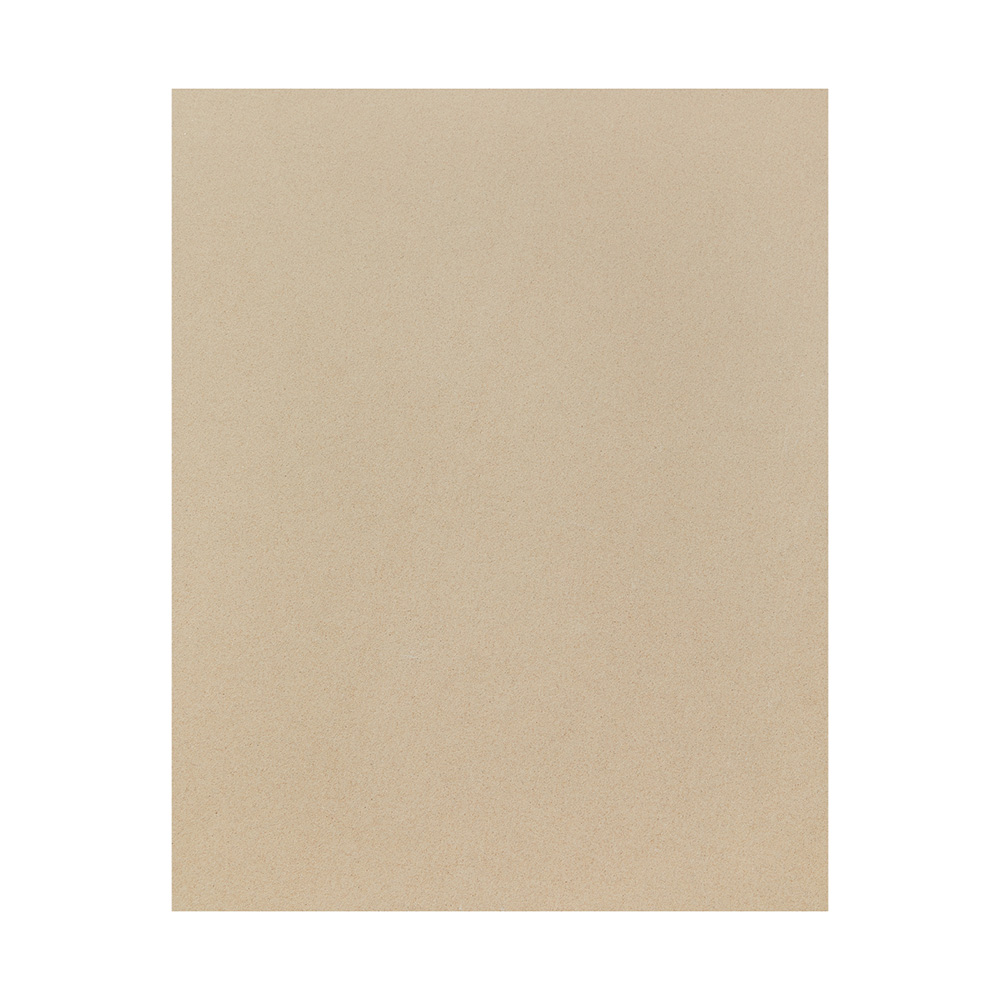
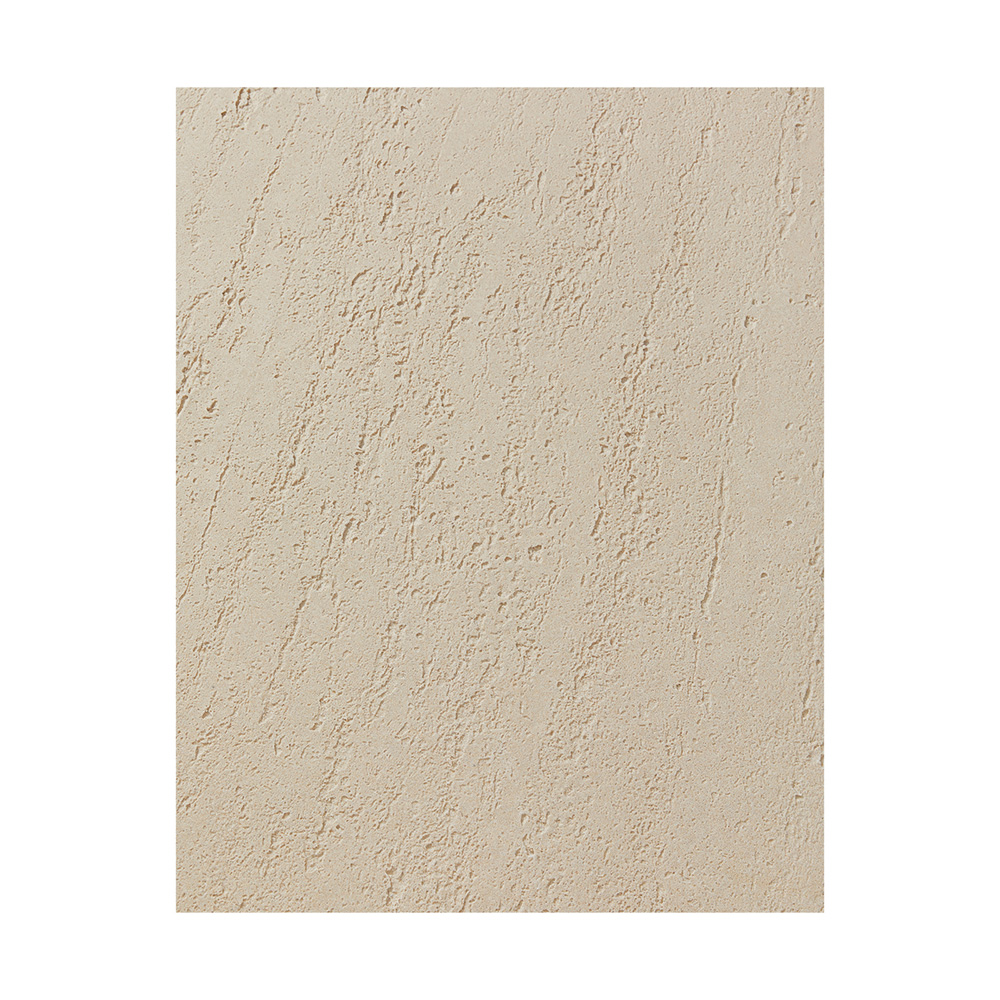
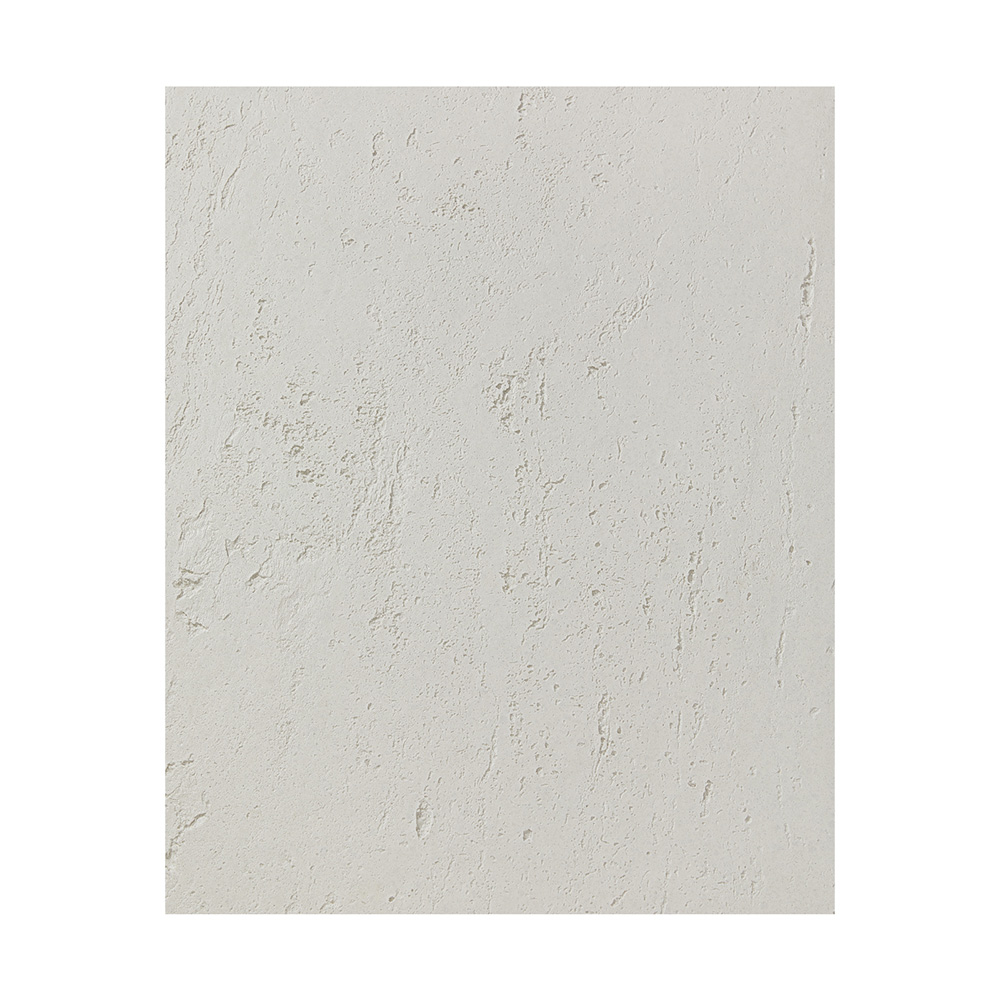
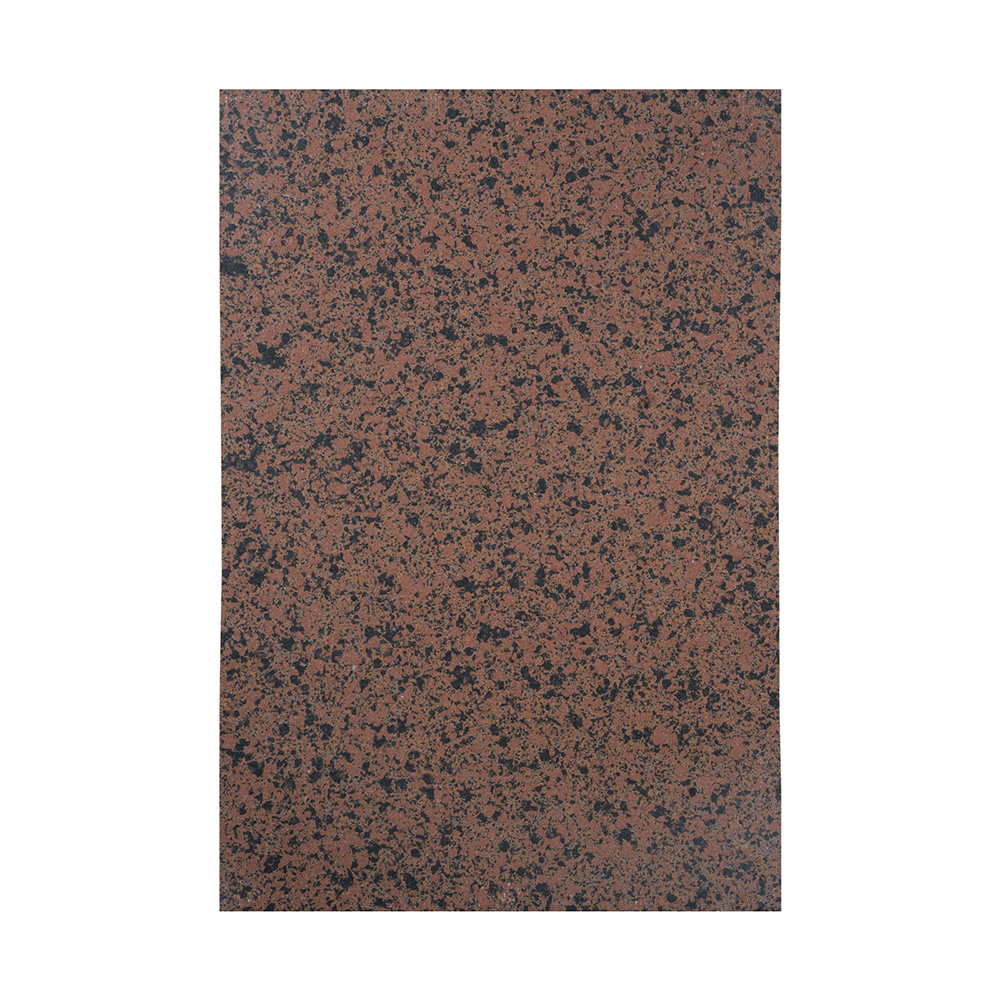
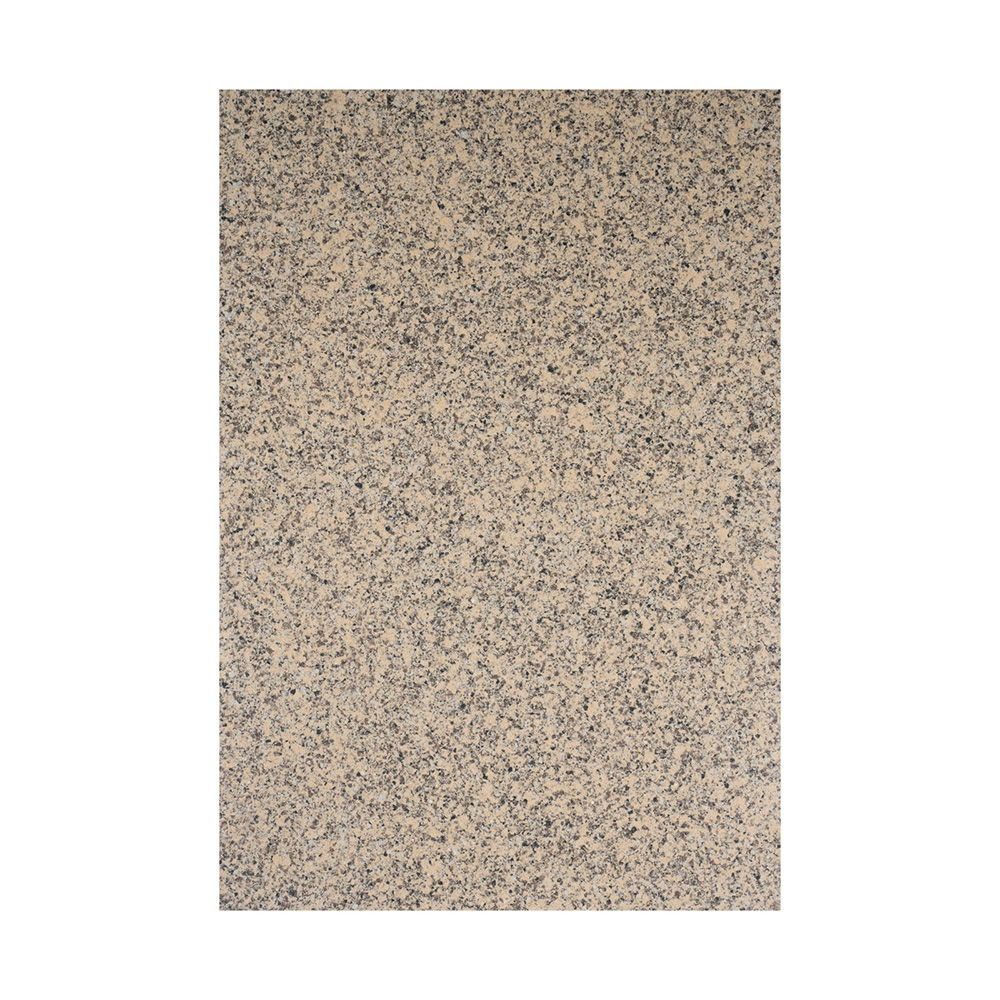
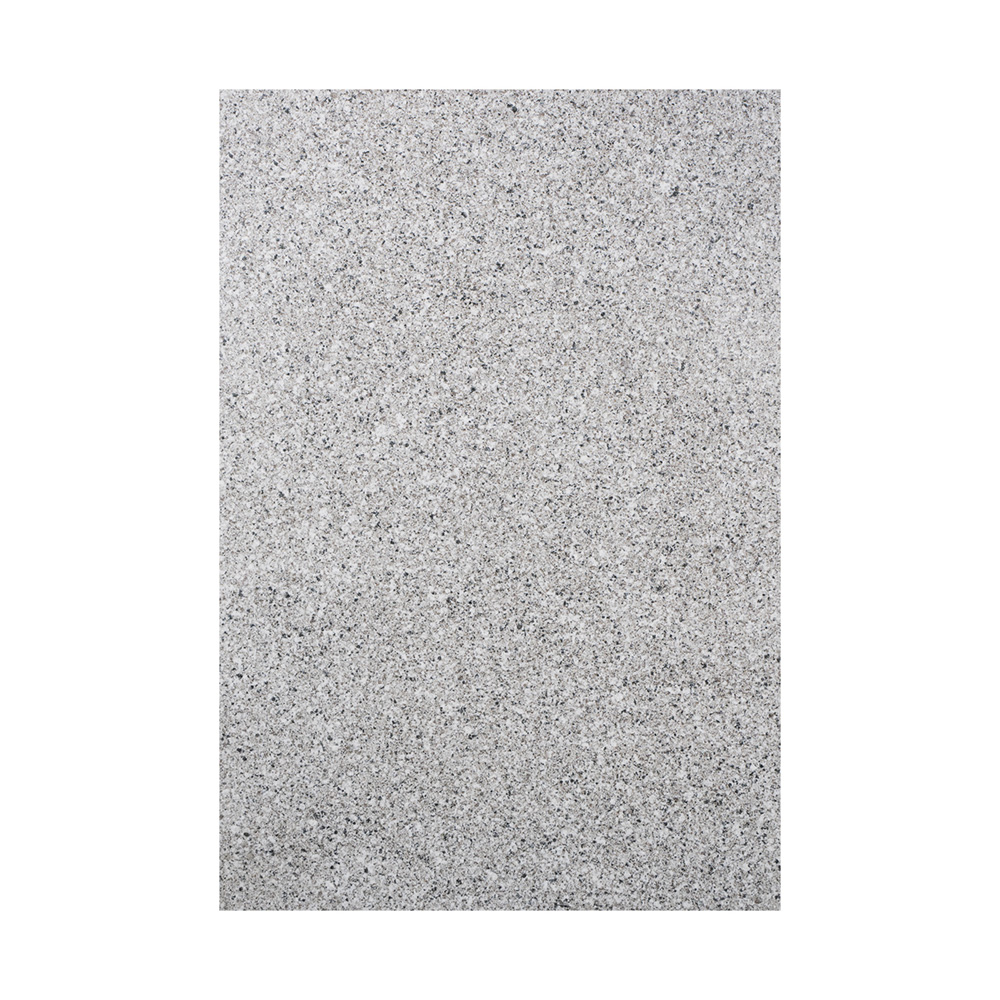
Available product lines include slate flexible stone veneer, granite, travertine, sandstone, rammed earth, and wooden texture variants, giving designers a broad palette to work with across different aesthetic styles.
A common concern with lightweight stone alternatives is whether they can match the visual depth and authenticity of full-thickness natural stone. With flexible stone veneer, the answer is yes — and the reason lies in the raw materials. The panels are composed of 100% natural colored quartz sand and stone powder, with colors derived entirely from the stone itself rather than synthetic pigments.
The three-dimensional casting process preserves the micro-texture and tonal variation inherent in natural stone, producing a surface that is virtually indistinguishable from solid stone once installed. Whether the project calls for the warm, porous character of travertine flexible stone or the bold geometric precision of slate, the material delivers visual credibility that manufactured alternatives often lack.
At just 2.7 mm thick, the panels also integrate cleanly into tight spaces and layered wall systems where thicker cladding would create awkward transitions or reduce usable room dimensions.
Installation complexity is one of the most significant cost drivers in stone cladding projects. Traditional stone requires skilled masons, specialized anchoring systems, and in many cases structural modifications to the host building. Flexible stone veneer dramatically simplifies this process.
The sheets can be cut to size using a utility knife or scissors, applied with standard construction adhesive, and smoothed into place without the need for mortar, grout, or heavy lifting equipment. The lightweight nature of the panels means that a single installer can handle full sheets without assistance, reducing labor hours and on-site risk. For an overview of recommended installation methods and surface preparation, refer to the installation guide on the product site.
For project developers and contractors, faster installation timelines mean lower labor costs and shorter project cycles — a meaningful competitive advantage in both residential renovation and large-scale commercial fit-out work.
Despite their thin profile and flexibility, these panels are engineered for long-term performance. The double-layer reinforced mesh structure embedded within each sheet provides tensile strength and resistance to cracking under structural movement or thermal expansion.
Key performance properties include:
These properties make flexible stone veneer equally suited to interior accent walls and outdoor facade applications, offering specifiers a single material system that works across the full building envelope.
Sustainability has become a central criterion in material selection for contemporary architecture and interior design. Flexible stone veneer offers several meaningful environmental advantages over conventional quarried stone.
Production requires substantially less raw stone material than solid slab fabrication, reducing the environmental impact of quarrying. The manufacturing process is also comparatively energy-efficient, and the finished panels contain zero added color paste or VOC-emitting compounds, supporting healthy indoor air quality — a consideration of growing importance in residential, healthcare, and educational environments.
The light weight of the panels further reduces the carbon footprint of transportation, particularly for long-distance international shipping, where bulk and weight directly affect freight emissions.
The combination of low weight, design flexibility, durability, and authentic aesthetics positions flexible stone veneer as a genuinely universal cladding material. Applications span a wide range of building types and uses:
For a deeper look at how flexible stone veneer performs specifically in residential accent wall applications, see the dedicated guide on flexible stone veneer for accent walls.
Flexible stone veneer sheets represent a genuine evolution in how natural stone can be used in modern design. By resolving the traditional limitations of weight, rigidity, and installation complexity, they make authentic stone aesthetics accessible across a far broader range of projects, surfaces, and building types. For designers and specifiers looking to deliver high-end stone finishes efficiently and sustainably, this material deserves serious consideration.

Justone is Thin Flexible Stone Veneer Sheet Supplier in China.The company takes innovation-driven development as its core, regards promoting the progress of the industry as its responsibility, deeply engages in the chemical composite building materials track, and demonstrates its professional expertise in this field.



 English
 Français
 Español
 Português
 عربى
عربى