

Content
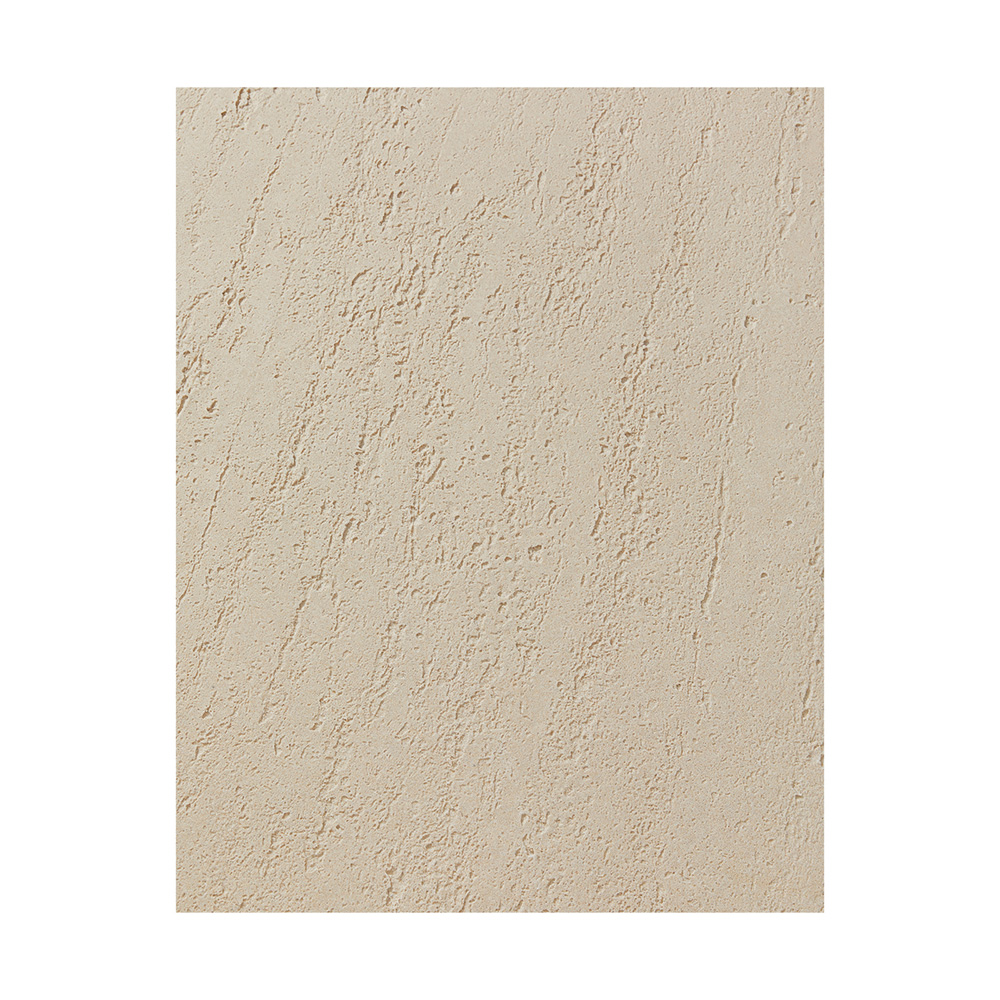
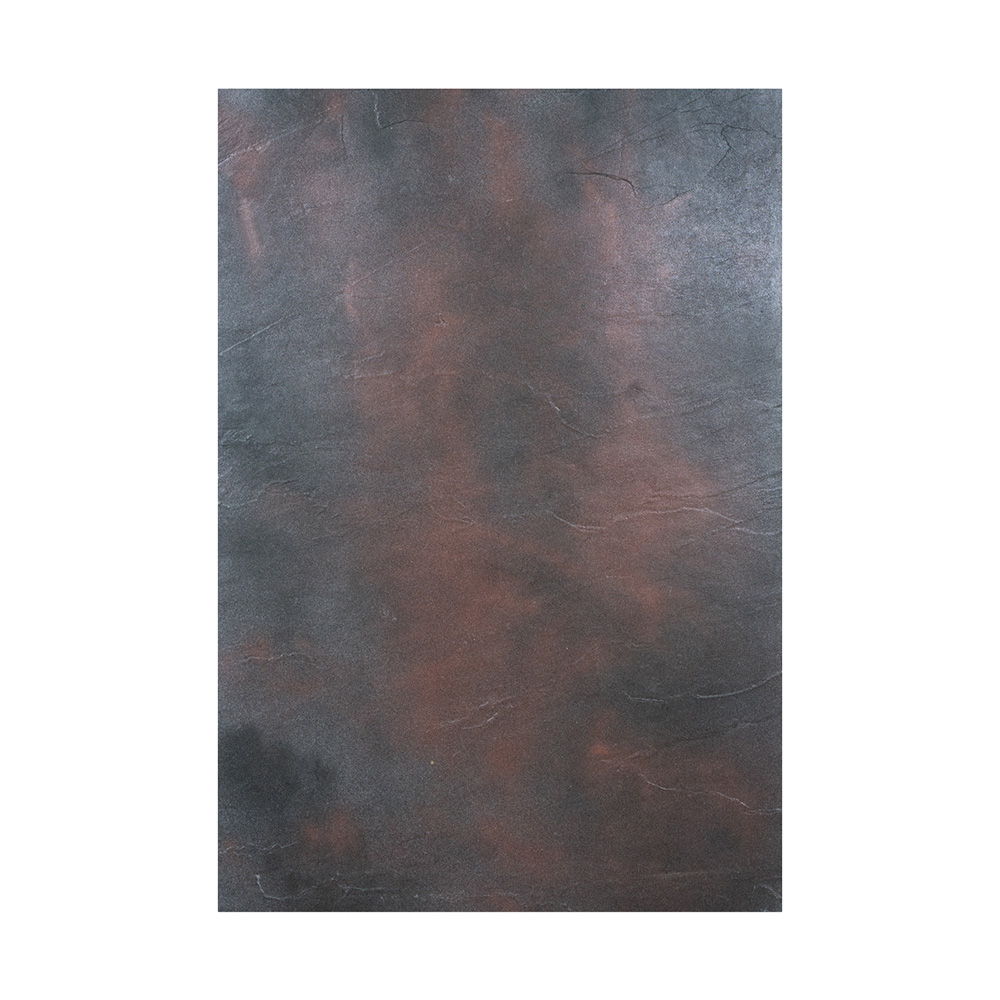
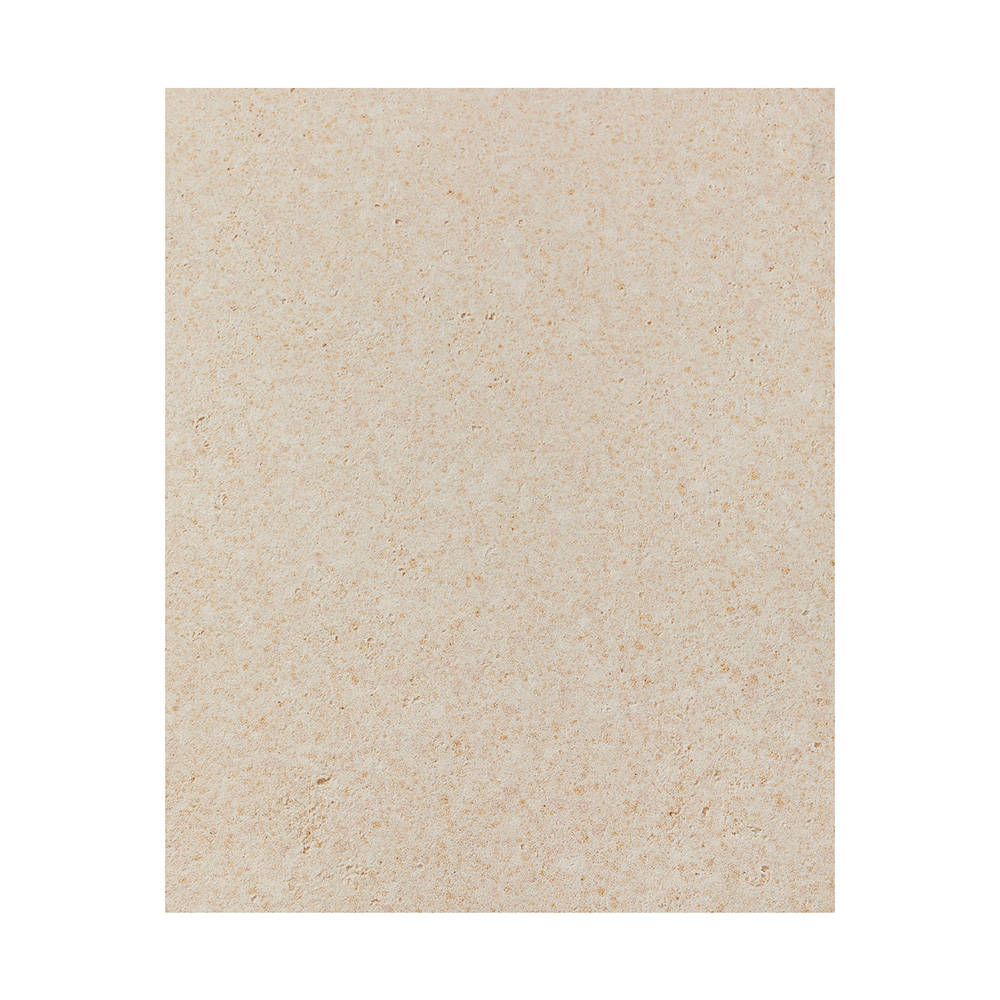
Few materials carry the visual weight of travertine. Its warm, porous surface — formed over millennia by mineral-rich spring waters — has defined architectural elegance from the Colosseum to contemporary hotel lobbies. The cross-section of creamy beige, subtle veining, and matte depth is simply impossible to fake with paint or standard tiles.
But natural travertine comes with real-world penalties. A single square meter of full-thickness stone slab can weigh 60–80 kg, demanding reinforced substrates, mechanical anchoring systems, and skilled installation crews. For high-rise facades, curved surfaces, or retrofit projects, the structural and logistical costs often make solid stone impractical — or prohibitively expensive.
That's exactly where travertine flexible stone steps in.
Most flexible stone products on the market use MCM (Modified Clay Material) — a polymer-clay composite that mimics stone through printed surface textures. The result can look convincing from a distance, but the color comes from pigments and ink, not the material itself.
Travertine flexible stone veneer panels from Justone take a fundamentally different approach. The raw material is natural quartz sand and stone powder,color and texture aren't applied; they emerge directly from the material composition, which means no color paste, no pigment fade, and no gap between what you see and what you touch.
The manufacturing process is equally distinctive. A proprietary 3D spray-casting process forms each panel in a single pass on an automated production line. This one-shot molding captures the micro-relief, pore structure, and tonal variation of real travertine with a realism that printed surfaces cannot match — close enough to touch, not just to look at.
The performance case for travertine flexible stone goes well beyond appearance. Here's what the material delivers in practice:
The combination of low weight, surface realism, and installation flexibility makes travertine flexible stone well-suited to contexts where solid stone would either fail structurally or blow the budget:
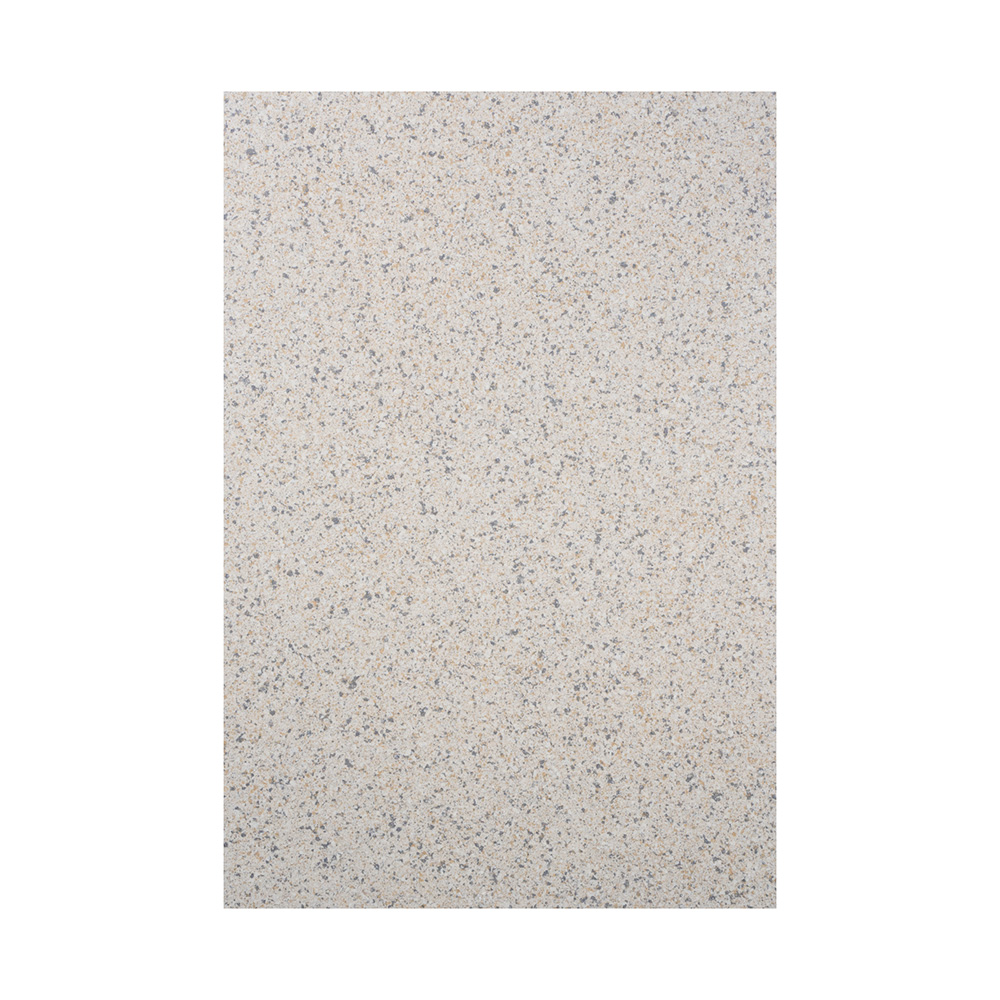
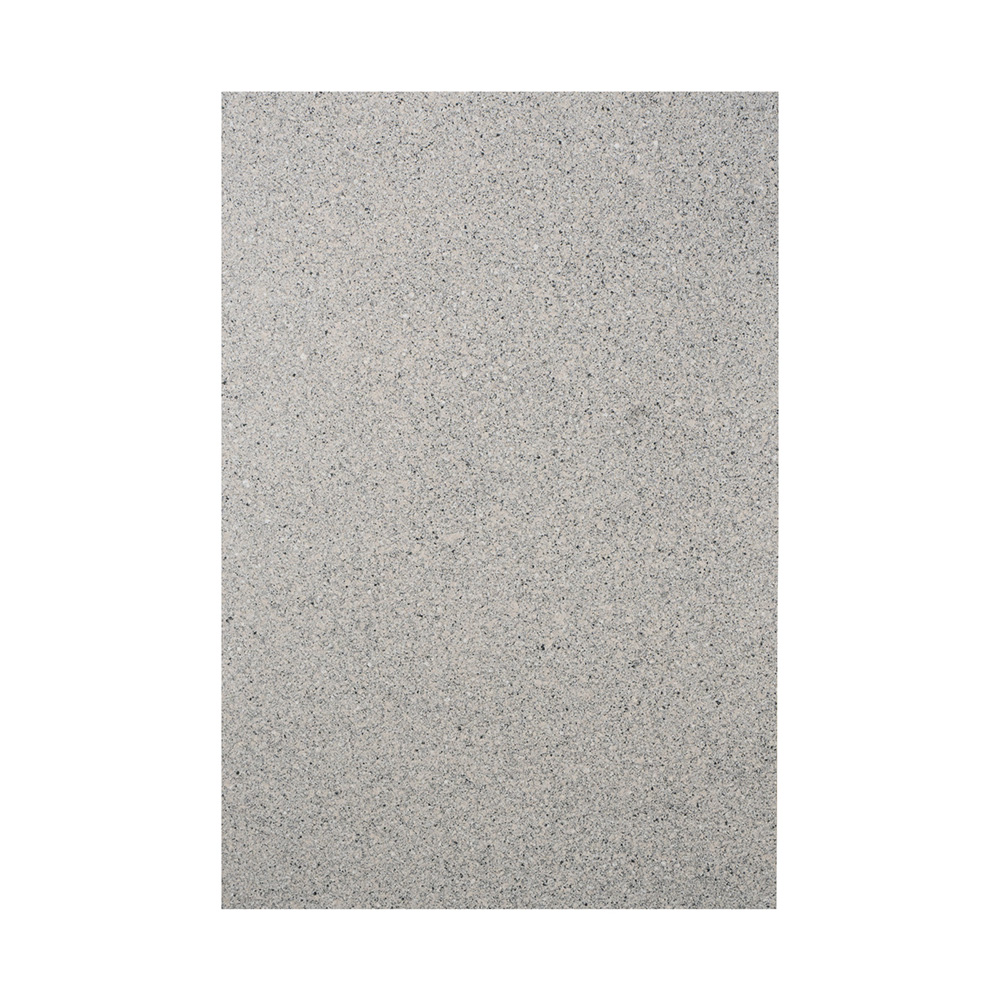
Travertine is one texture in a broader flexible stone ecosystem. If your project calls for a different stone character — the clean linearity of granite, the raw grain of sandstone, or the layered depth of slate — the underlying technology transfers across all of them. Browsing the full range of flexible stone veneer styles gives you a direct side-by-side sense of which surface fits your design intent.
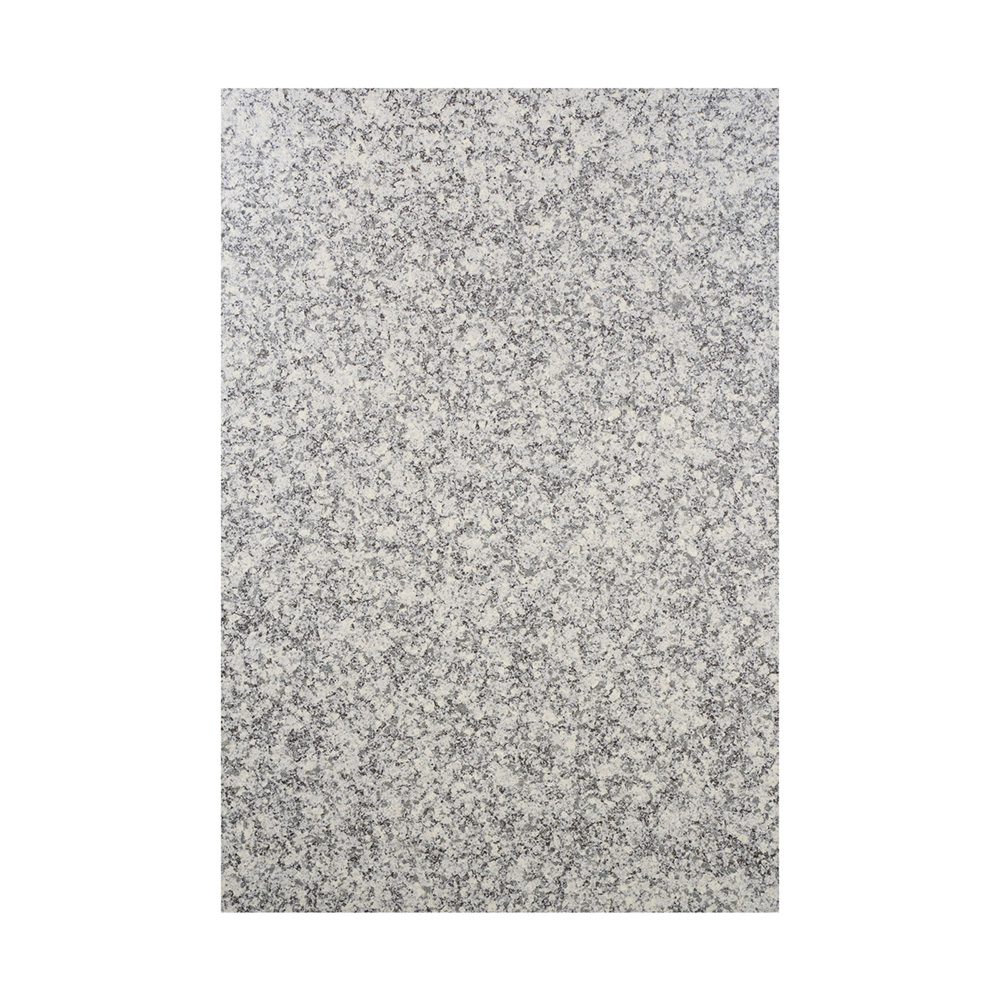
For projects that mix stone languages — say, a travertine feature wall paired with a granite base course — granite flexible stone veneer offers the same quartz-sand construction and 3D spray-cast realism in a denser, more structured visual register.
The practical starting point for most specification decisions is a physical sample. The material's selling point is tactile as much as visual — it has to be handled to be properly evaluated. Request samples before committing to a finish, especially for client-facing presentations where the close-up impression matters as much as the wide-angle render.
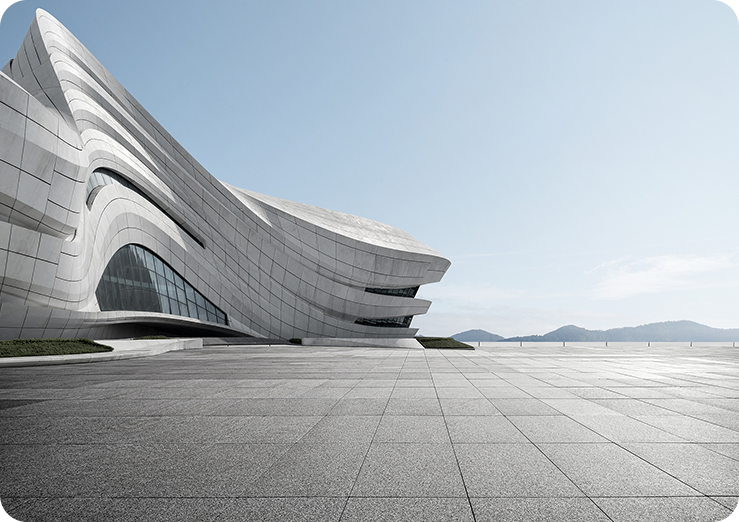

Justone is Thin Flexible Stone Veneer Sheet Supplier in China.The company takes innovation-driven development as its core, regards promoting the progress of the industry as its responsibility, deeply engages in the chemical composite building materials track, and demonstrates its professional expertise in this field.



 English
 Français
 Español
 Português
 عربى
عربى