

Content
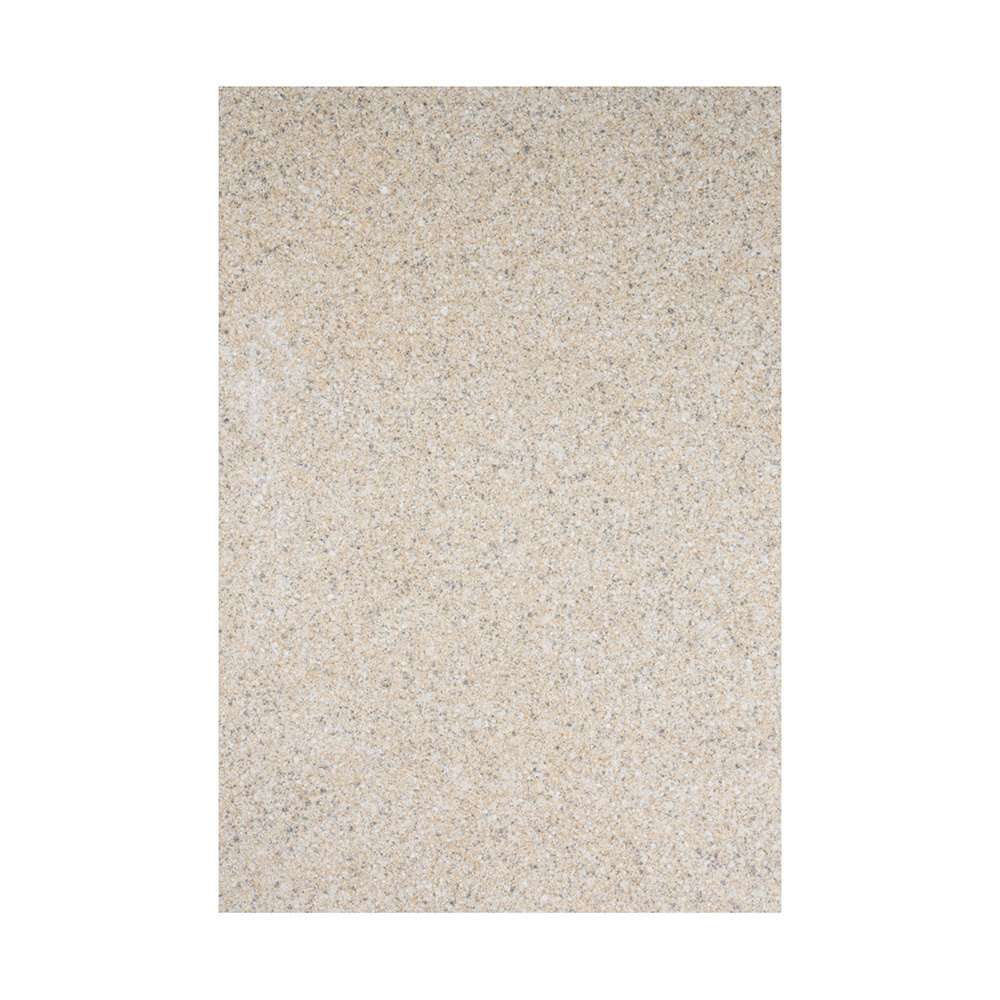
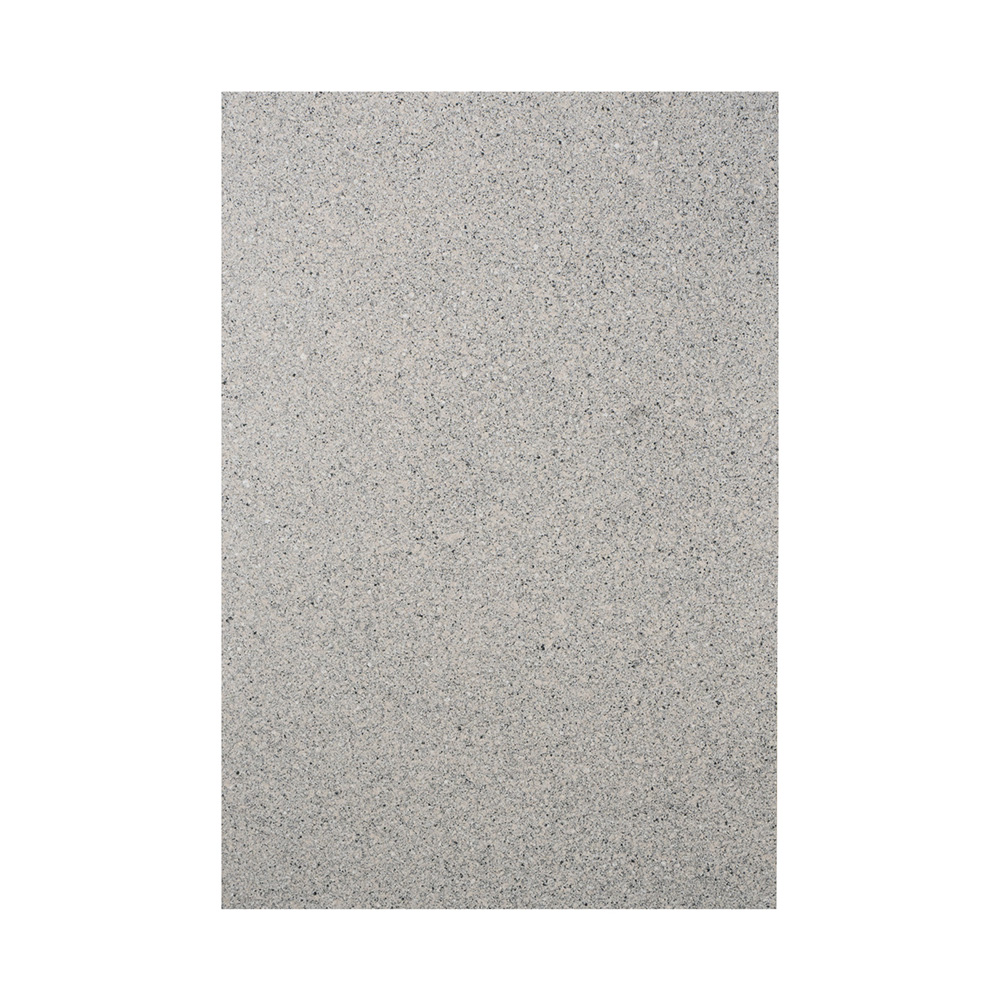
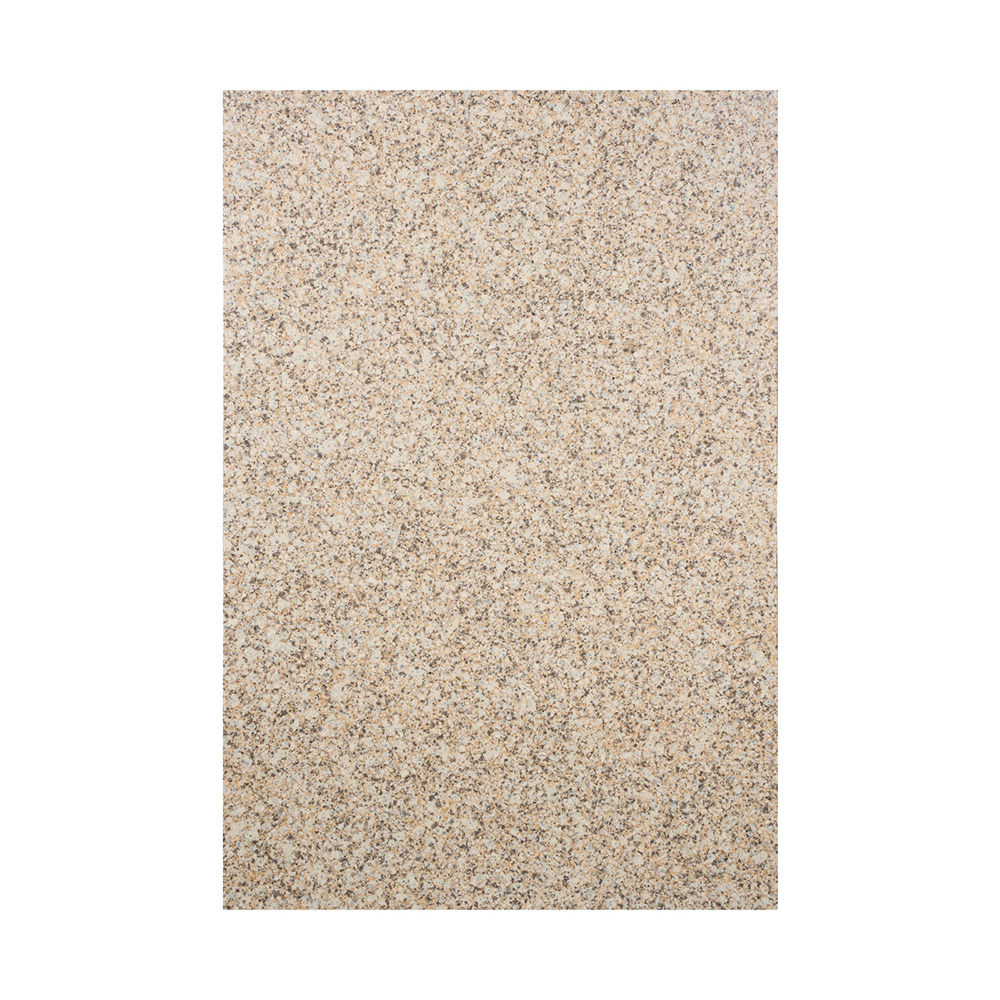
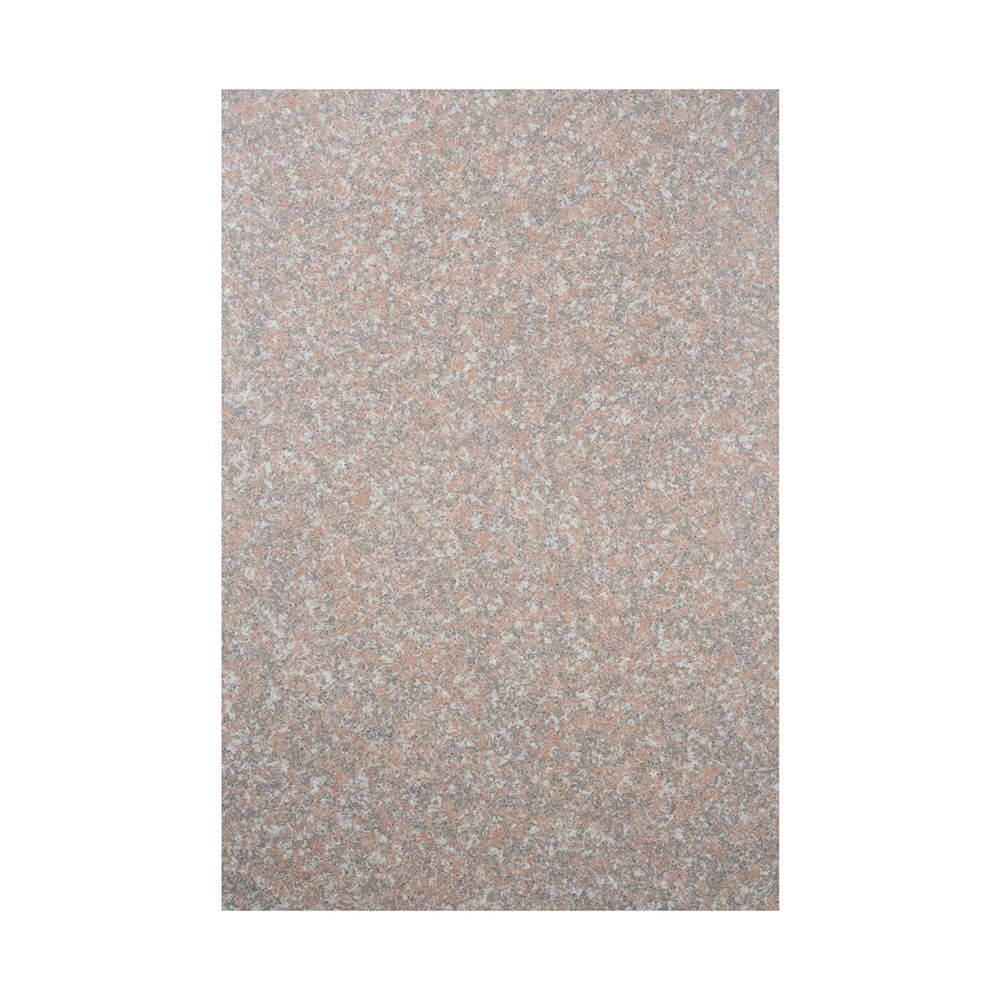
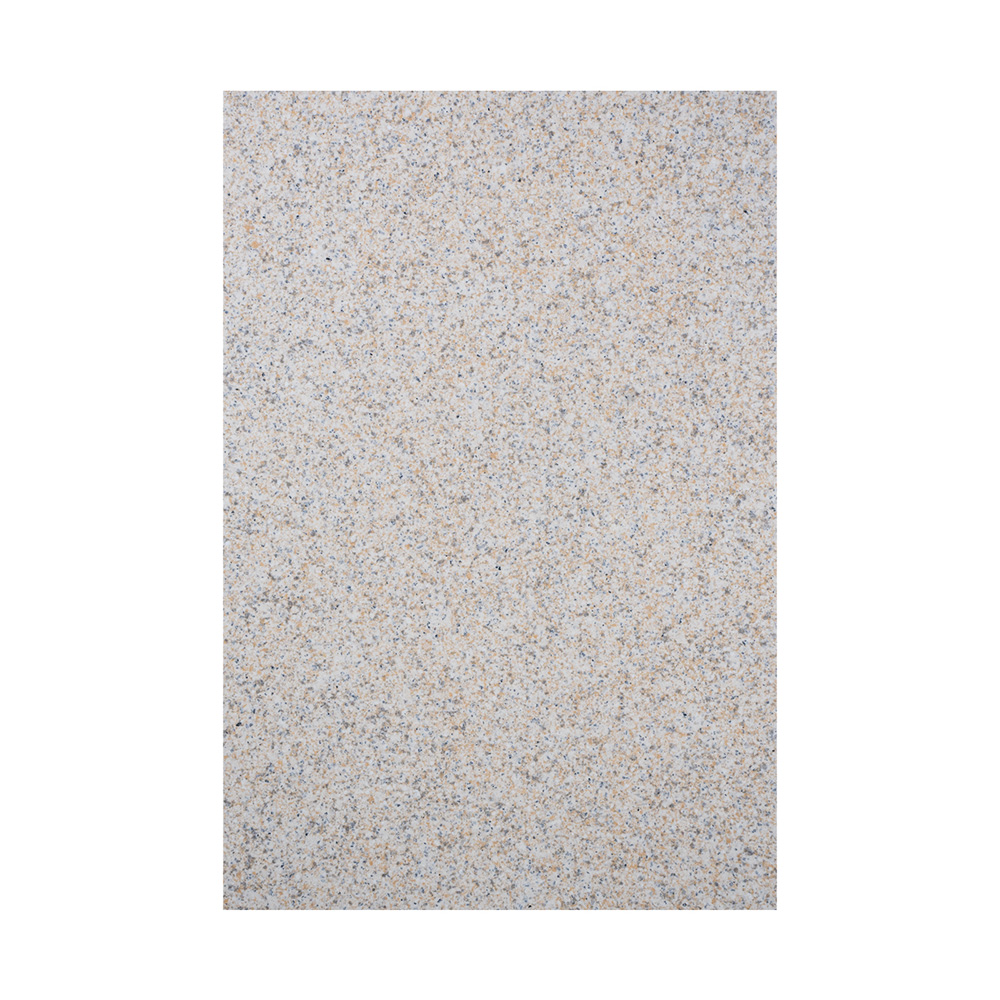
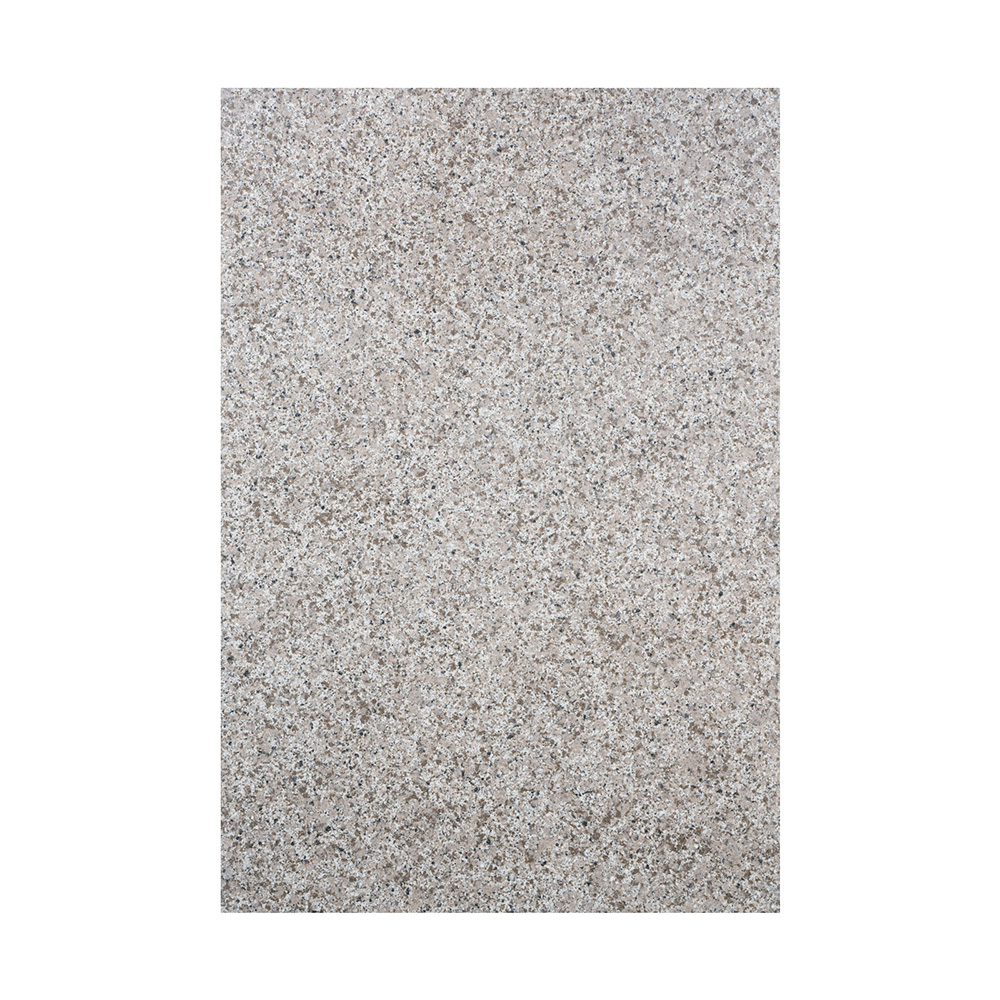
A panel weighing 3-4kg per square meter and measuring just 2.5-3.3mm thick can now replicate the depth of quarried granite closely enough to pass a hand-touch test. That combination — natural-stone visual weight without natural-stone shipping weight — is why procurement teams for façade contracts, hospitality renovations, and public infrastructure projects keep circling back to wide grooves granite flexible stone when comparing cladding options.
Unlike painted composite panels, the color in a well-made wide-groove granite sheet comes from the mineral powder and quartz sand itself, not a pigment layer sprayed on top. That matters for buyers because pigment-based finishes fade unevenly under UV exposure, while mineral-based color runs through the material and ages more predictably.
Not every project calls for the same groove profile. Thin-groove granite reads as a tighter, more uniform surface suited to interior accent walls. Wide-groove profiles carry deeper shadow lines and a rougher, more architectural presence — which is why they show up most often on exterior façades, elevated podium structures, underground garage ramps, corridor walls, and boundary walls where the material needs to hold visual weight from a distance.
Buyers sourcing for exterior elevations specifically should look at wide grooves granite flexible stone veneer built for wall design applications, since panel formulations differ between interior-only and exterior-rated grades. Specifying the wrong grade for an outdoor elevation is one of the more common — and costly — mistakes on bulk orders.
Three numbers should sit on every purchase order comparison sheet: thickness, weight per square meter, and fire classification. Wide-groove granite flexible stone typically runs 2.5-3.3mm thick and 3-4kg/m², which keeps dead-load requirements far below traditional 20-30mm stone slabs — a detail structural engineers will ask about before sign-off on high-rise or podium applications.
Fire performance is the second checkpoint, particularly for public buildings, schools, and hospitals where cladding materials face stricter code review. For those projects, confirm the panel carries documented flame-retardant performance — see fire-retardant wide grooves granite flexible stone wall tiles as a baseline reference for what a compliant spec sheet should include.
Third, weather resistance. Projects in coastal, tropical, or high-UV regions need panels tested for moisture resistance and color stability, not just standard indoor-rated stock. Waterproof wide grooves granite flexible stone for outdoor use is the category to request samples from if the project sits anywhere near a coastline or a monsoon climate.
| Checkpoint | Why it matters |
|---|---|
| Thickness (2.5-3.3mm) | Confirms lightweight classification vs. solid stone |
| Weight (3-4kg/m²) | Affects structural load calculations for façades |
| Fire rating documentation | Required for schools, hospitals, high-rise codes |
| Weather/UV test data | Determines suitability for exterior, coastal projects |
Beyond the product sheet, three supplier-side factors decide whether a bulk order goes smoothly. First, patent-backed manufacturing — production processes that are genuinely proprietary tend to produce more consistent batch-to-batch color and thickness than generic molding lines. Second, customization turnaround for color, size, and texture, since most architectural specs require sample approval before a full order is placed. Third, logistics capability for containerized freight, given that panel weight directly affects per-container yield and landed cost.
Hangzhou Justone New Material, a manufacturer that has developed the full quartz sand mold imitation granite flexible stone process, is one example of a factory-direct source built around these three checkpoints — automated production lines, in-house R&D, and export-ready packaging for bulk shipments. Whichever supplier a buyer chooses, request batch test reports before committing to volume, not just a single sample panel.
The buyers who avoid rework are the ones who match groove profile to application, confirm fire and weather ratings against the actual project location, and verify supplier consistency before scaling from sample to container load. Reviewing the full range of wide grooves granite flexible stone options against your project's structural and code requirements — and checking completed façade and public-space installations for reference — is worth the extra week before a PO goes out.


Justone is Thin Flexible Stone Veneer Sheet Supplier in China.The company takes innovation-driven development as its core, regards promoting the progress of the industry as its responsibility, deeply engages in the chemical composite building materials track, and demonstrates its professional expertise in this field.



 English
 Français
 Español
 Português
 عربى
عربى