

Content
A single square meter of quarried granite can weigh over 50 kilograms. Cutting it into the deep, uneven ridges of an axe-chiseled finish only adds to the cost — more waste, more labor, more risk of cracking during transport. That's the trade-off architects have lived with for decades: the rougher and more expressive the stone texture, the harder it is to source, ship, and install at scale.
Axe-cut has always carried a specific kind of weight in design — literally and visually. It reads as ancient, deliberate, almost sculptural. Historical restoration projects and cultural buildings lean on it precisely because it doesn't look manufactured. The challenge has been reproducing that same raw, hand-hewn quality without hauling tons of stone up a scaffold.
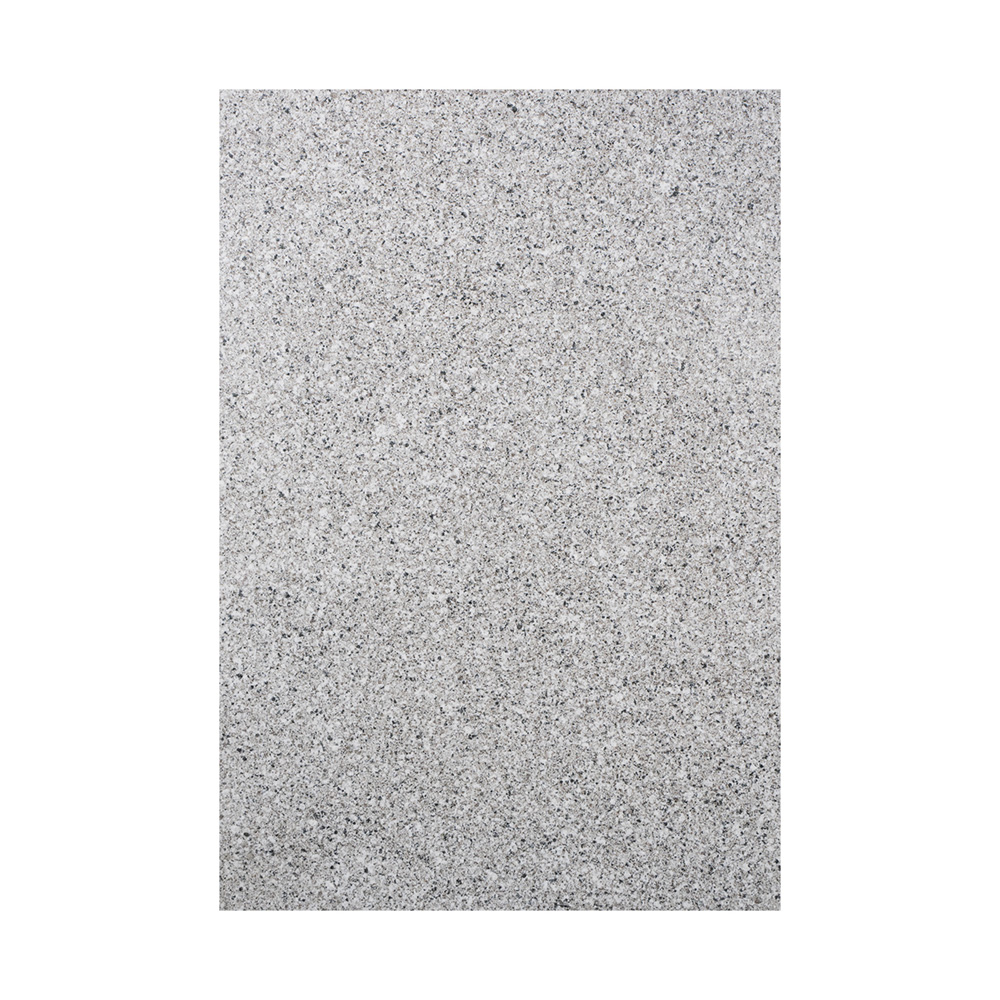
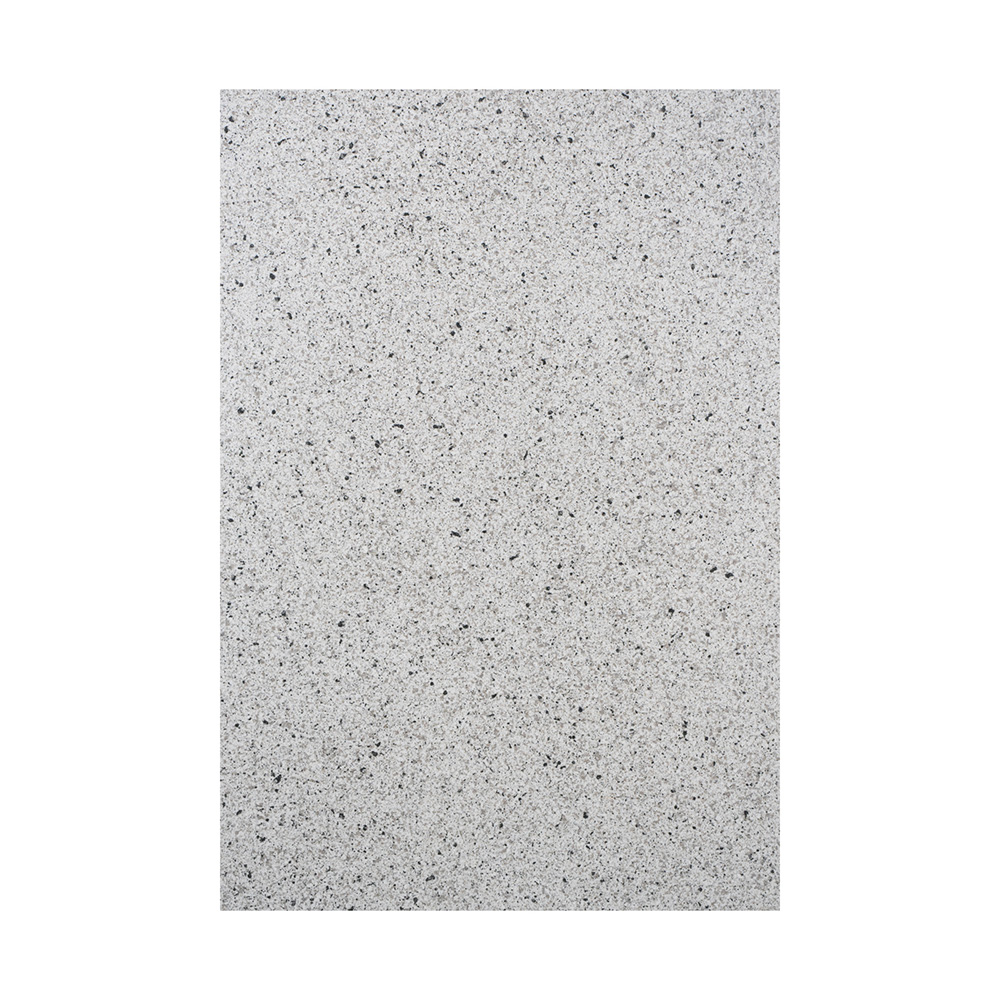
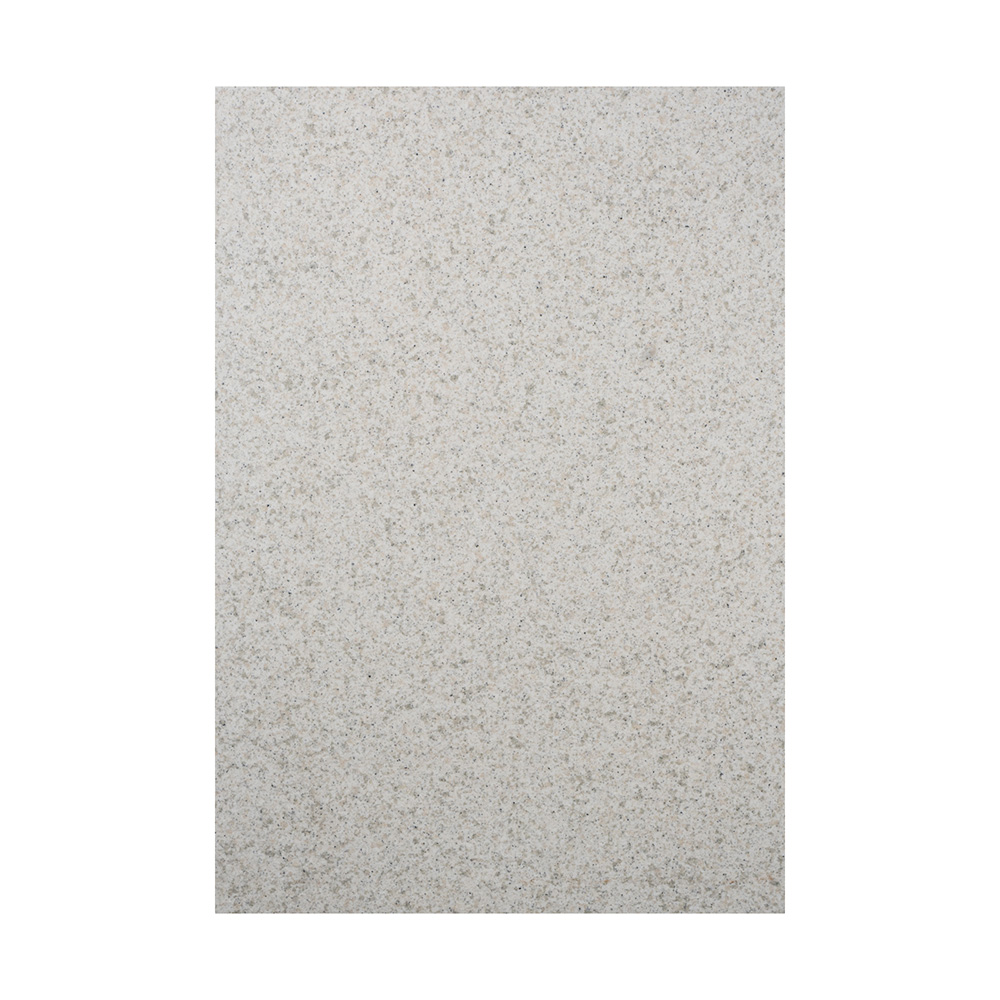
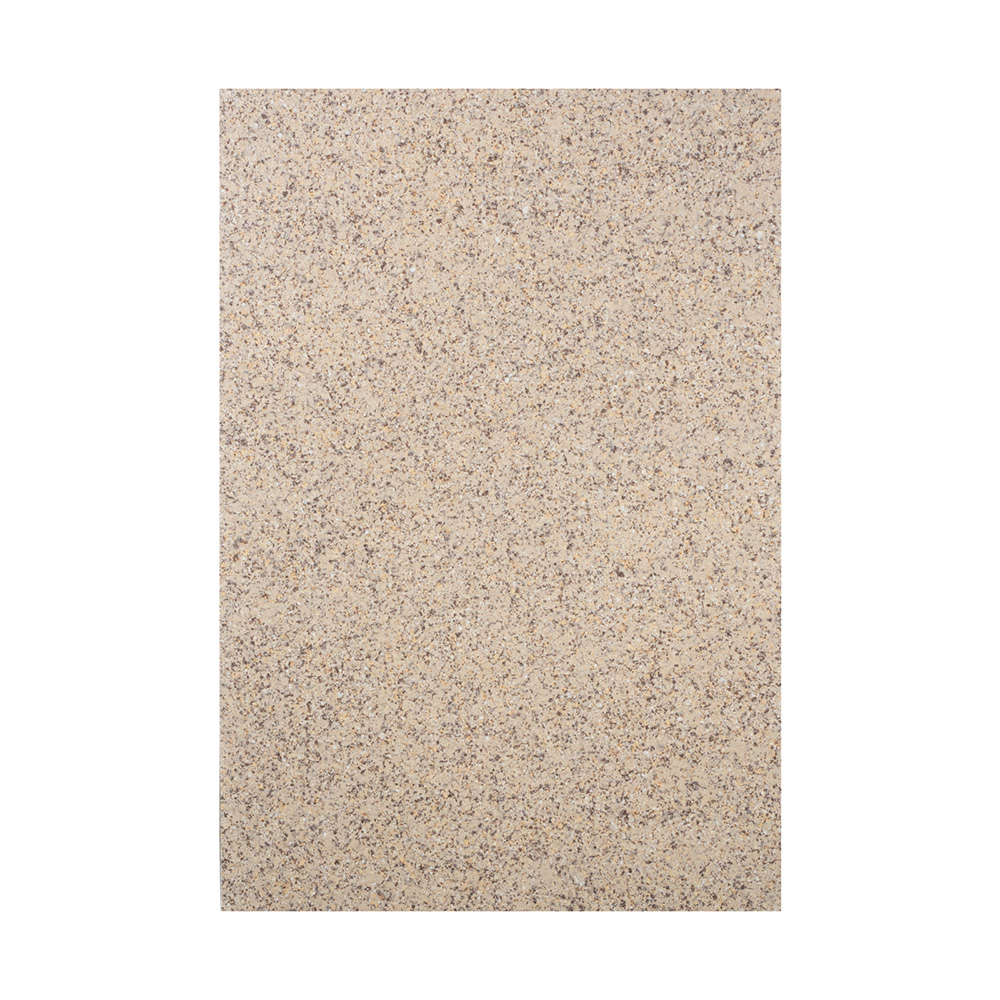
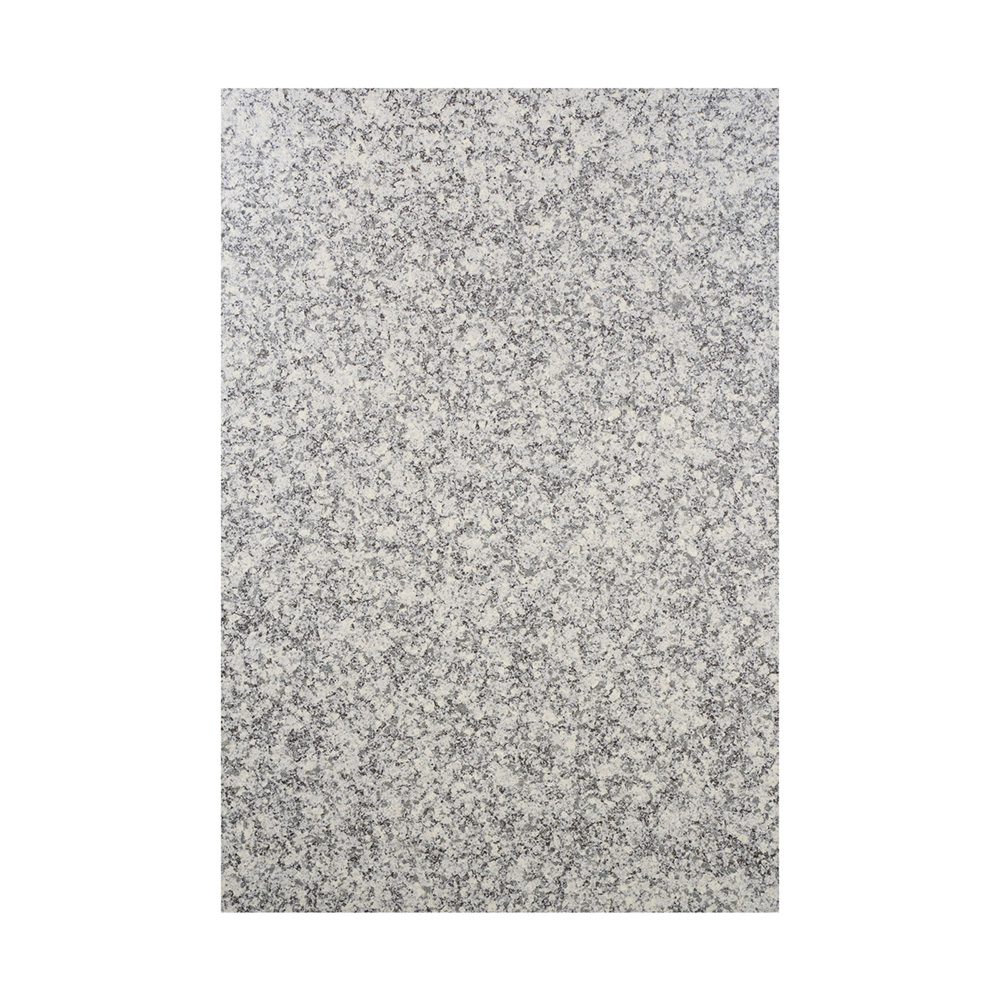
Flexible stone technology solves this by working backward from the surface rather than the slab. Instead of cutting a texture into solid rock, manufacturers cast it. Axe Flexible Stone is built from natural stone powder and quartz sand through a three-dimensional casting process, capturing the split lines, depth shifts, and irregular ridges that a real chisel leaves behind — in one continuous molding step rather than hand-carving each panel.
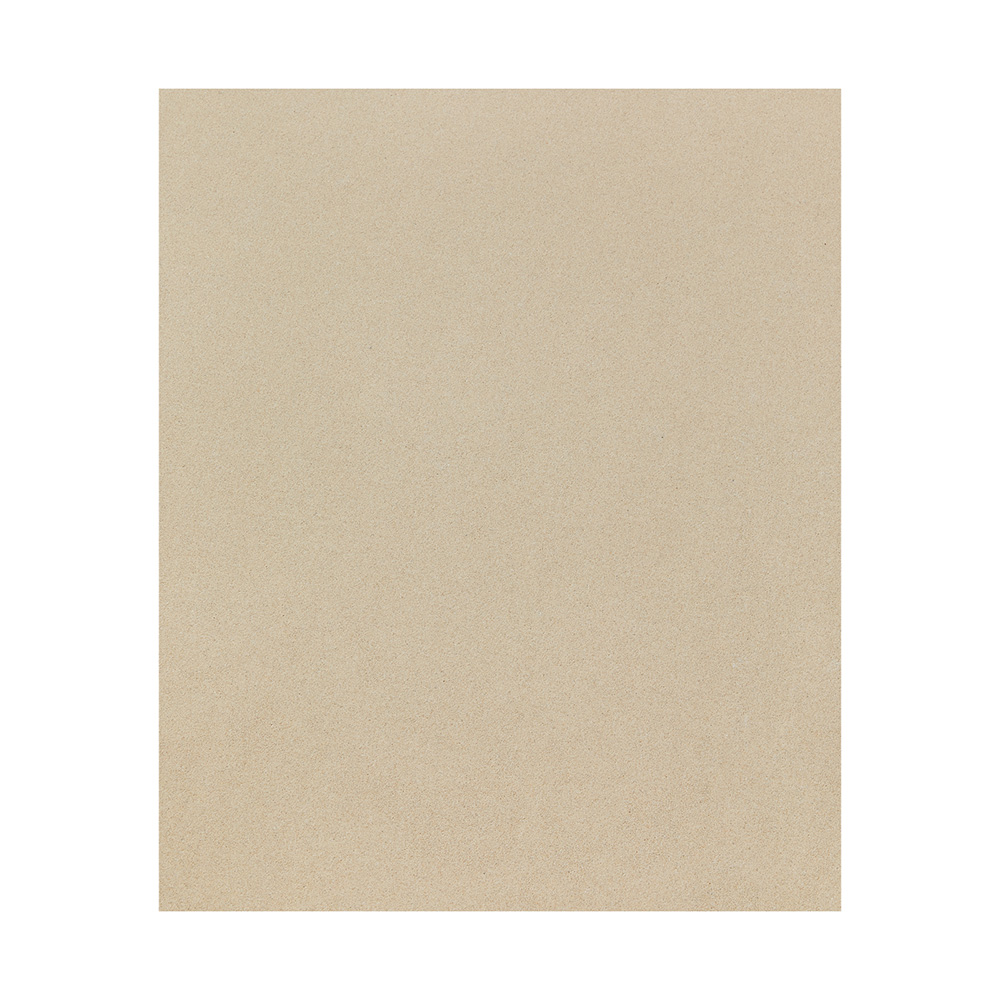
The color itself comes from the quartz sand, not from added pigment. That matters more than it sounds: pigmented coatings fade unevenly under UV exposure, while sand-based color runs through the material itself, so a scratch or chip doesn't expose a different shade underneath. Every panel ends up with its own slightly irregular chisel pattern, the same way no two hand-cut stones are identical.
On spec sheets, this is where flexible stone earns its name. The axe flexible stone veneer with a 600×900mm panel size ships in large-format sheets that go up fast, without the tonnage that solid granite adds to a wall or ceiling structure. A dual-layer reinforced mesh backing gives each panel meaningful crack resistance, which is the usual failure point for thin cladding materials once they're exposed to temperature swings and structural movement.
Water resistance is built into the panel rather than sprayed on afterward, so moisture penetration — and the freeze-thaw damage it causes in colder climates — stays off the substrate. For teams comparing options, the practical questions worth asking a supplier are: backing layer count, panel thickness, and whether the color is embedded or coated.
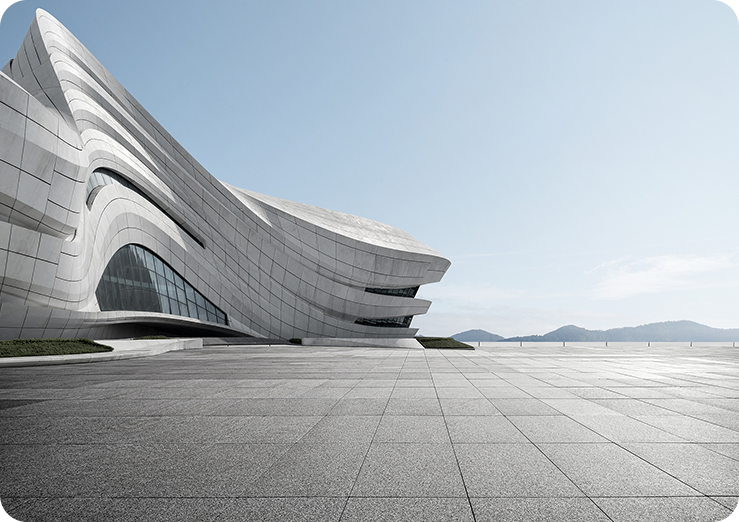
Because the material bends slightly and cuts easily on site, it suits places where solid stone would be impractical — curved corridors, elevated walkways, and boundary walls, alongside flat facades. Cultural buildings and historic district renovations are a natural fit, since the axe-cut texture reads as authentic stone from both close range and street distance.
A recent example is a heritage renovation project using flexible stone veneer covering roughly 16,000 square meters — the kind of scale where the weight savings alone change the structural math for an old-town retrofit. Contemporary minimalist buildings use the same texture differently: as a single accent wall or entrance feature where a raw, tactile surface breaks up an otherwise smooth glass-and-metal facade.
Panel size and weight per square meter should match your load calculations, not just your aesthetic brief. Ask for a physical sample before committing to a full order — texture depth and color consistency vary between manufacturers, and photos rarely capture how the ridges catch light. Installation method matters too; a step-by-step flexible stone installation guide from your supplier should cover substrate prep, adhesive type, and joint spacing before crews start on site.
Axe Flexible Stone won't replace solid granite everywhere — some projects genuinely call for full-thickness stone. But for facades where weight, budget, or a curved surface rules that out, it delivers the same visual tension without the structural penalty.

Justone is Thin Flexible Stone Veneer Sheet Supplier in China.The company takes innovation-driven development as its core, regards promoting the progress of the industry as its responsibility, deeply engages in the chemical composite building materials track, and demonstrates its professional expertise in this field.



 English
 Français
 Español
 Português
 عربى
عربى