

Content
A flat stone panel reads as a surface. A textured one reads as a form. The difference comes down to relief — raised ridges, grooves, or carved planes that catch daylight at an angle and throw shadow lines across the wall. Move ten feet closer and the same panel changes character again, the small facets and edges giving it a tactile depth that a printed or smooth-cast finish can't fake.
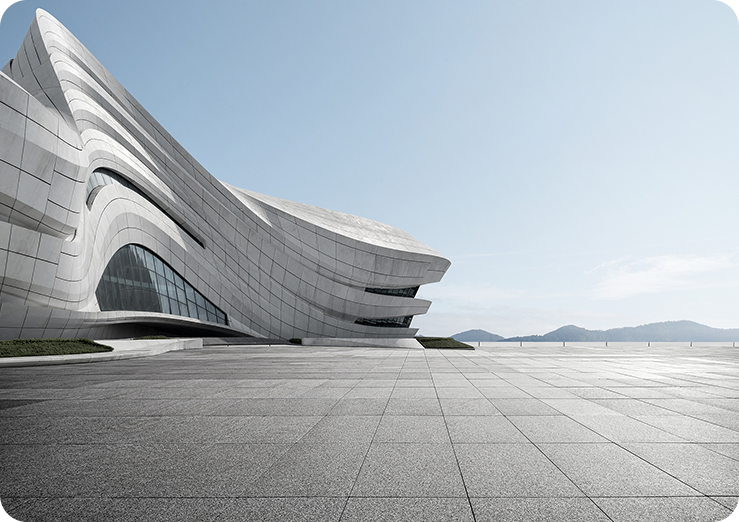
This is why architects reach for dimensional stone on facades that need to hold visual interest from both the street and the sidewalk. A grooved or carved profile breaks up large flat elevations, softens harsh midday light, and gives a building a sense of mass even when the cladding itself is only a few millimeters thick.
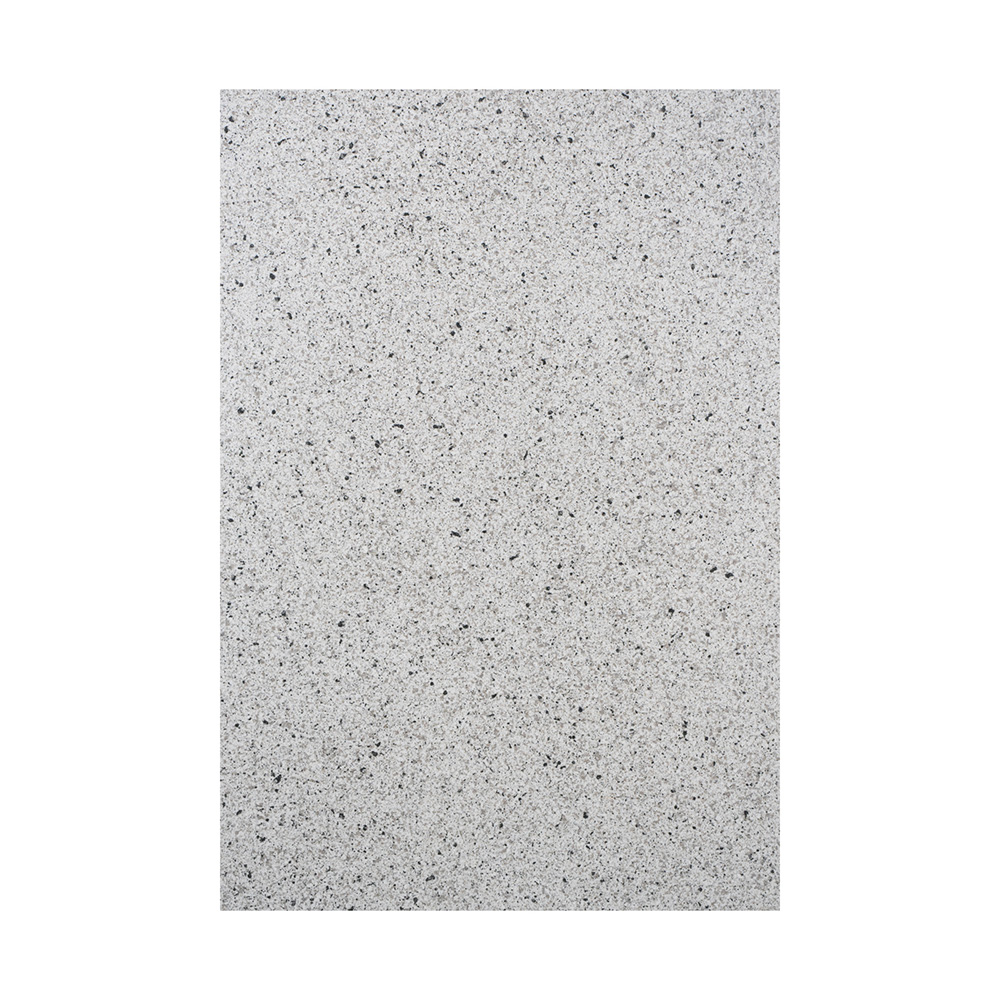
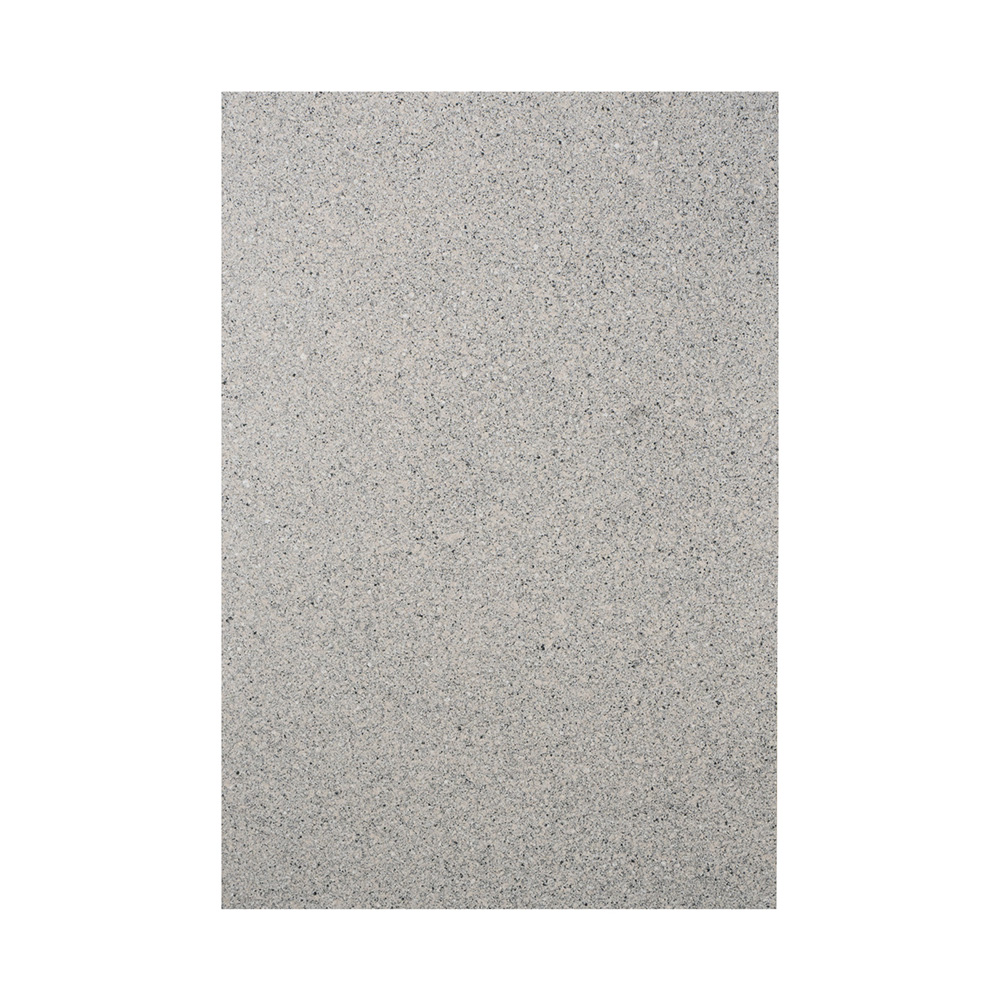
Most artificial stone gets its color from pigment mixed into a resin or cement base, which means the surface can fade, chalk, or streak as the pigment breaks down under UV exposure. Justone's flexible stone panels take a different route: the raw material is natural stone powder and quartz sand, and the color comes from the mineral grains themselves rather than any added dye.
The relief pattern is formed the same way. A proprietary three-dimensional spray-casting process molds each panel in a single shot, so the grooves, ridges, or carved lines are structural to the sheet rather than embossed or laminated on afterward. Production runs on an automated line, which keeps the texture depth and grain distribution consistent from one batch to the next — a detail that matters when a project needs hundreds of panels to match across a single elevation.
Coatings and paints degrade under sun and rain, but a mineral-based surface has nothing to peel or wear off. The panels resist ultraviolet exposure, hold up under repeated wet-dry cycling, and don't rely on a topcoat to keep their color, which matters most on south- and west-facing elevations that take the heaviest sun load.
On the safety side, the material is engineered to be non-combustible in normal cladding assemblies, closing the gap left by resin-heavy composite panels that can contribute to flame spread. That combination of fire performance and low-maintenance weathering is part of why the product qualifies as a low-hazard alternative to older wall-decoration materials. For guidance on integrating the panels into a code-compliant wall assembly, see the installation guidance for textured flexible stone systems.
Not every project calls for the same kind of relief. Groove depth and spacing change how a wall reads from a distance versus up close, so the choice is really a design decision, not a technical one.
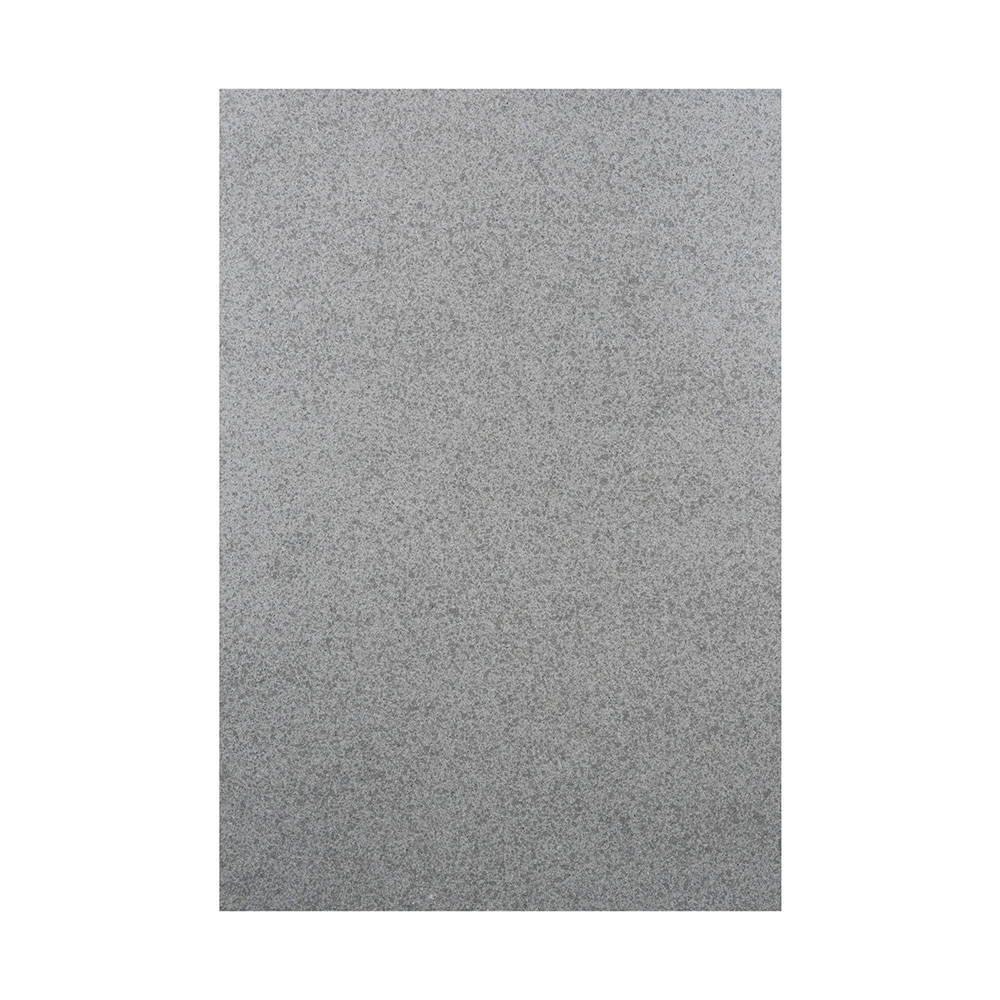
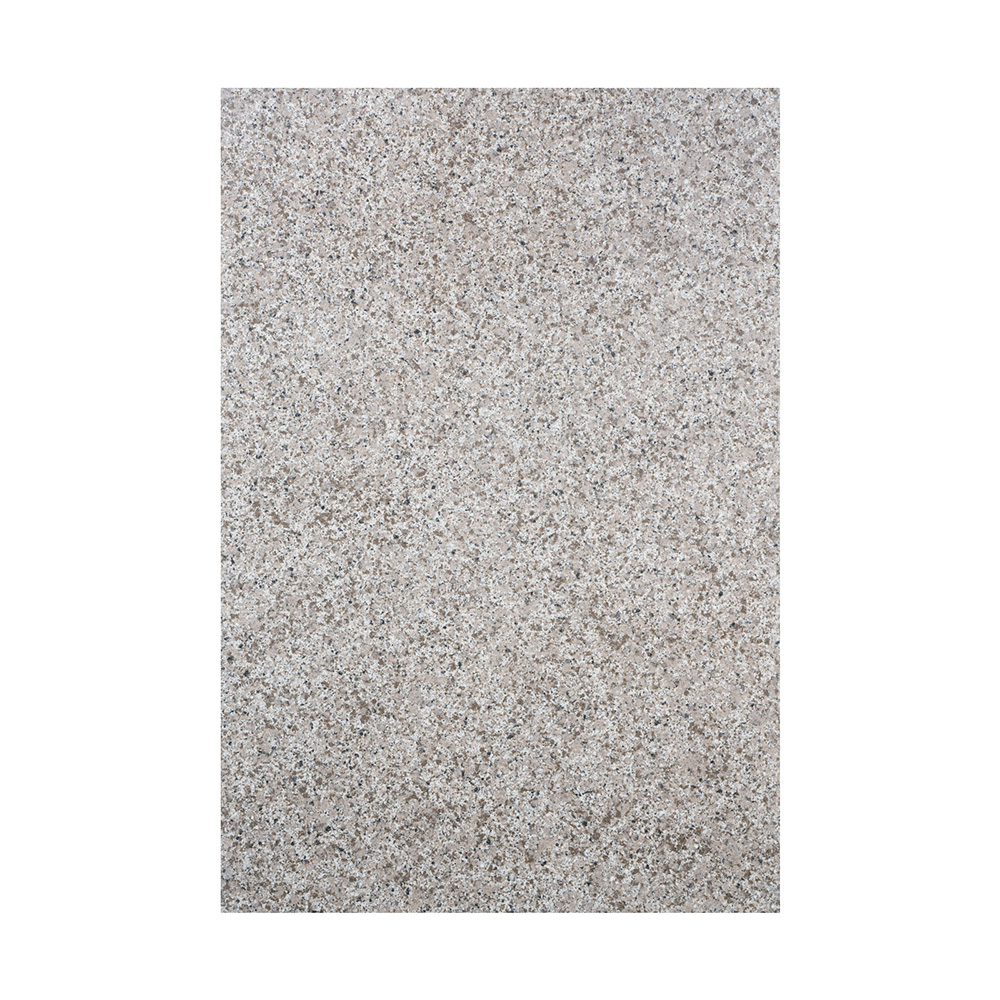
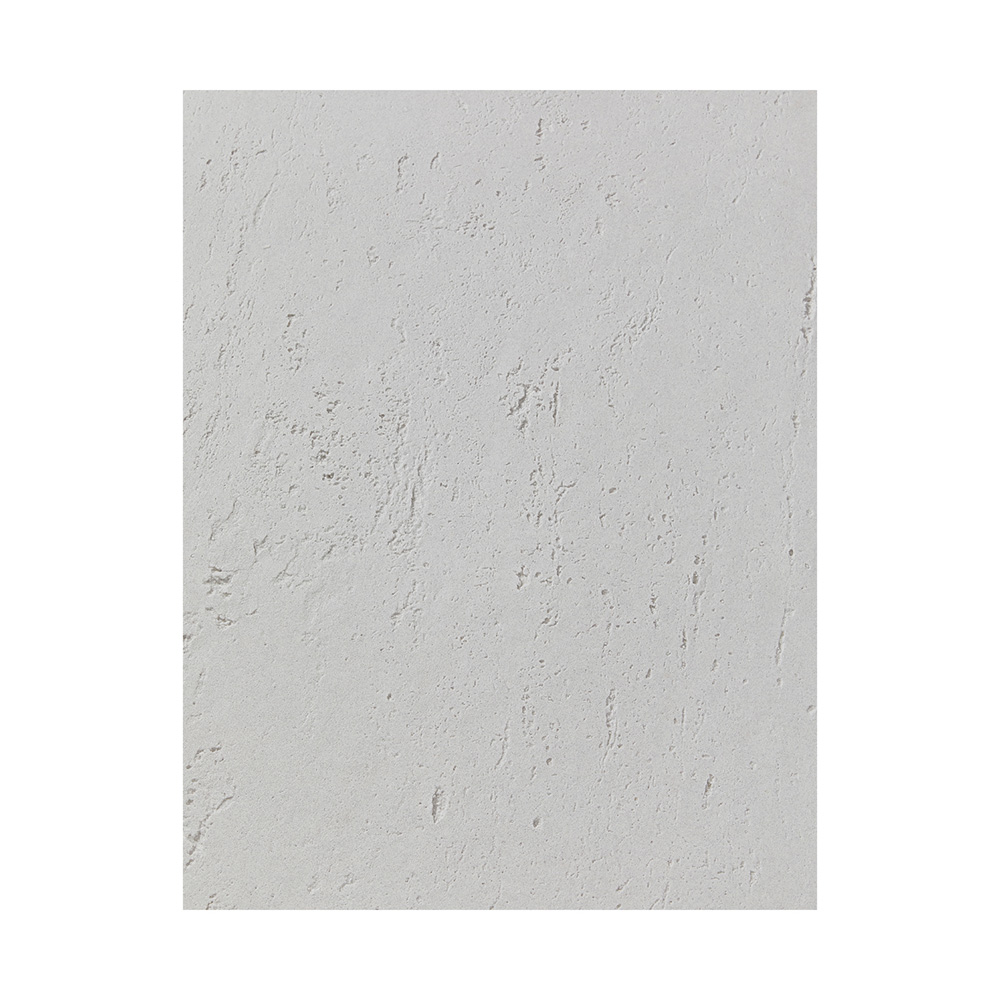
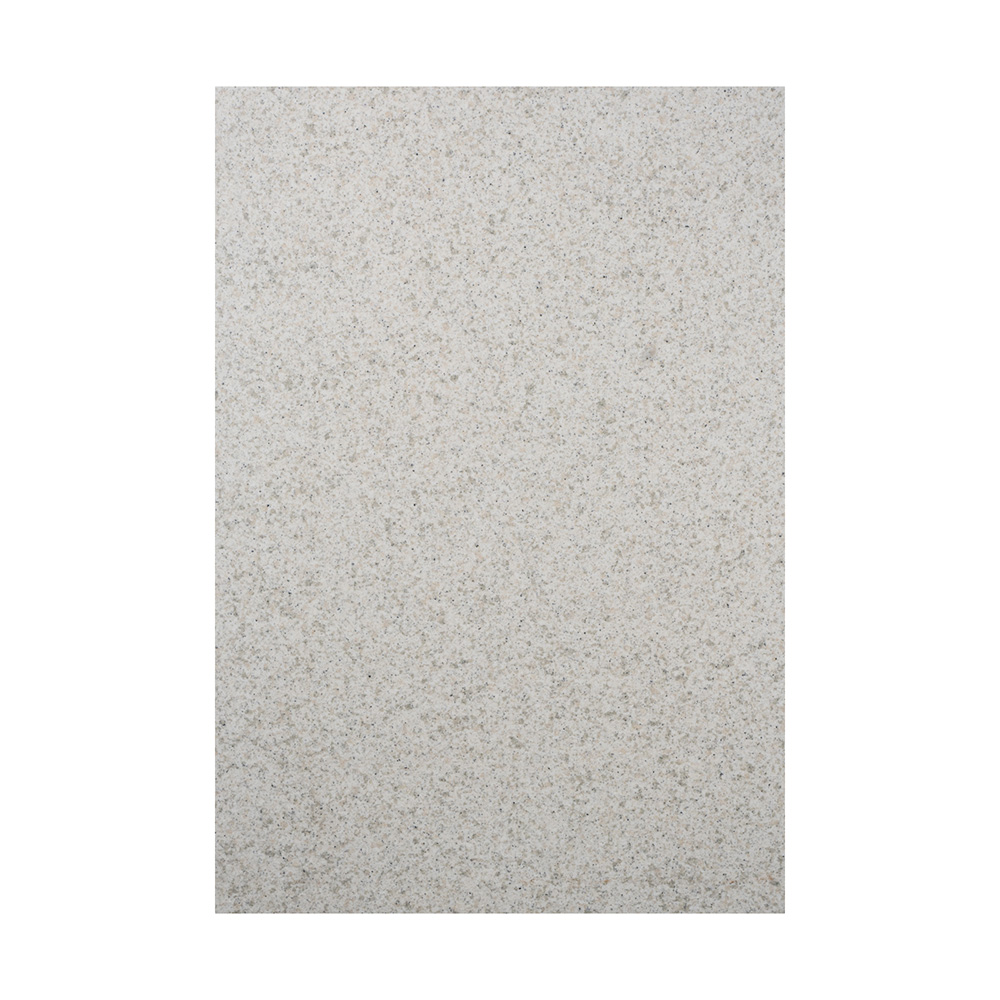
The first is available as an ultra-thin grooved granite veneer with a fine linear relief pattern, the second as a bolder wide-groove granite texture for stronger shadow lines, and the third as hand-carved axe-textured flexible stone for a rougher, hewn-stone look. Reviewing a physical sample under the actual light conditions of the site — morning versus afternoon sun, indirect versus direct — is worth doing before committing to a groove depth, since the shadow effect can look quite different on a sample board than on a full elevation.

Justone is Thin Flexible Stone Veneer Sheet Supplier in China.The company takes innovation-driven development as its core, regards promoting the progress of the industry as its responsibility, deeply engages in the chemical composite building materials track, and demonstrates its professional expertise in this field.



 English
 Français
 Español
 Português
 عربى
عربى