

Content
Wood cladding has a design problem. It looks stunning on day one — warm grain patterns, natural character, biophilic appeal — and then spends the next decade rotting, warping, fading, and demanding maintenance budgets that no one planned for. For architects and contractors who want the wood-grain aesthetic without the lifecycle headache, Wooden Texture Flexible Stone is the answer the industry has been building toward.
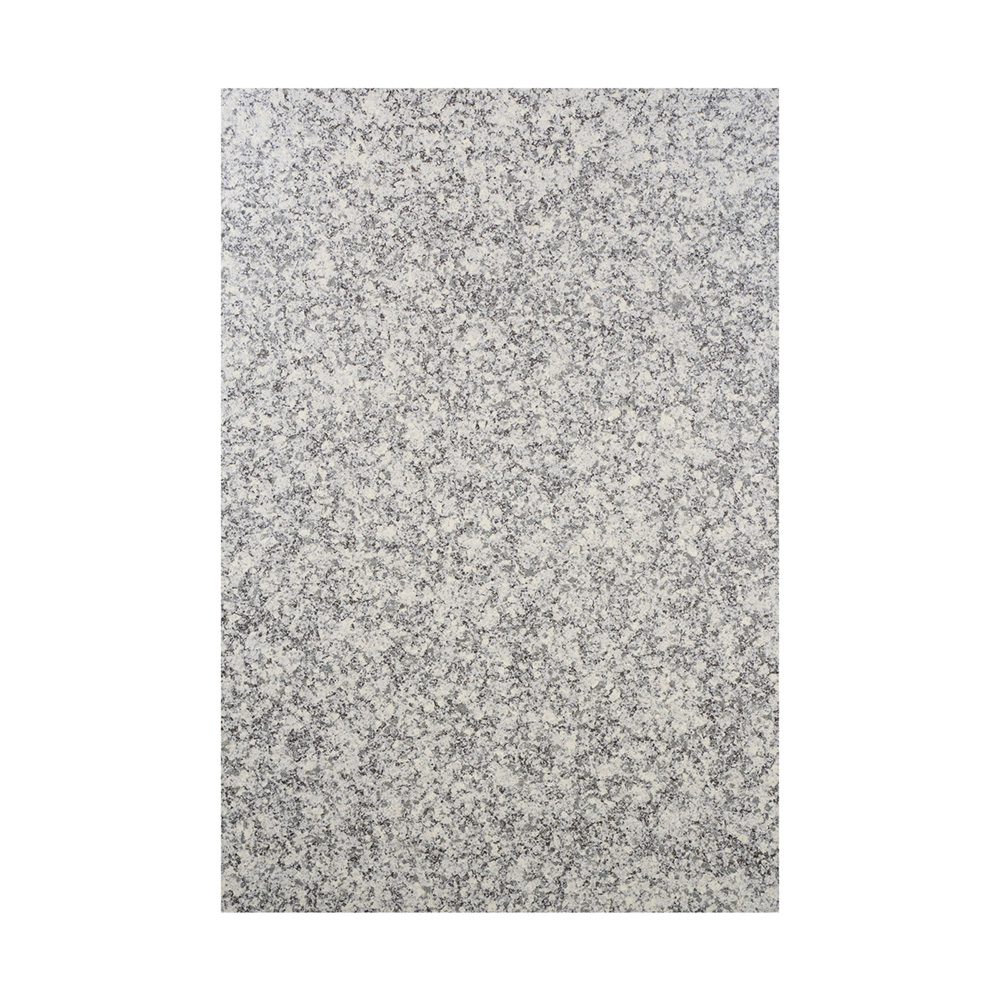
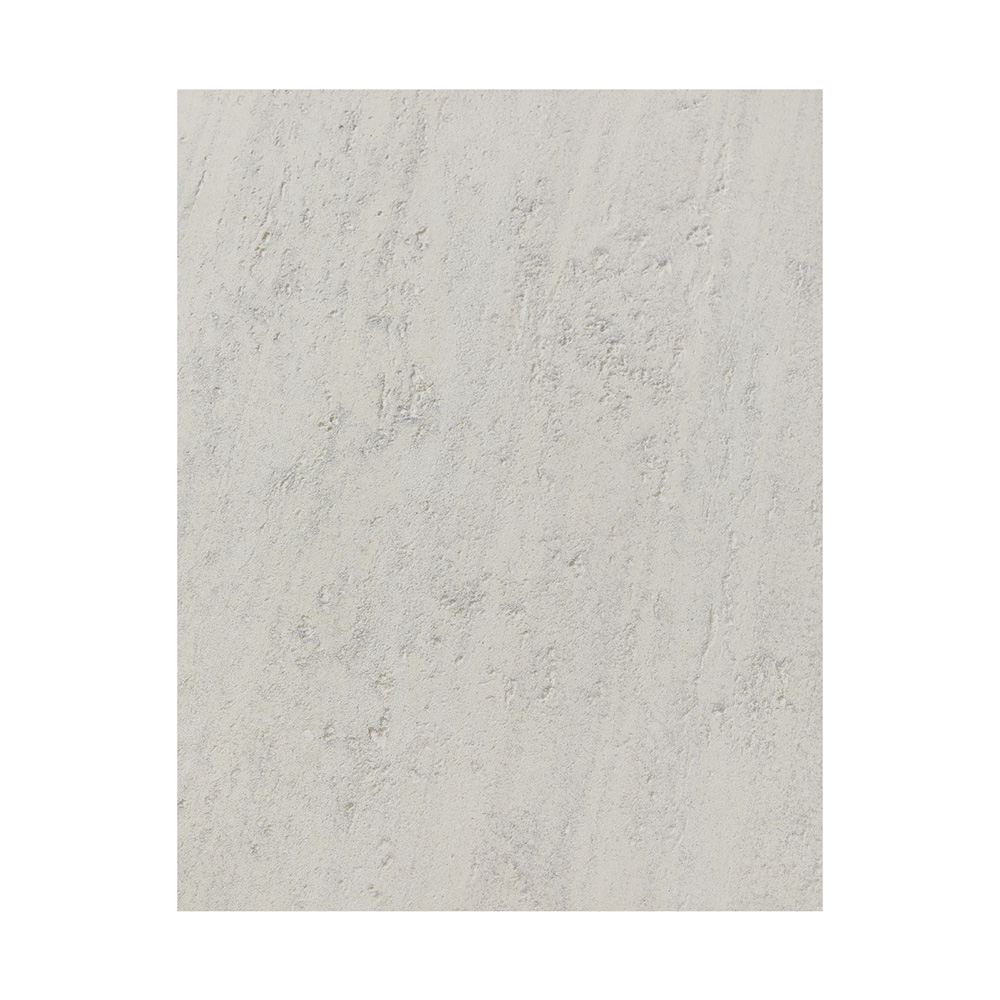
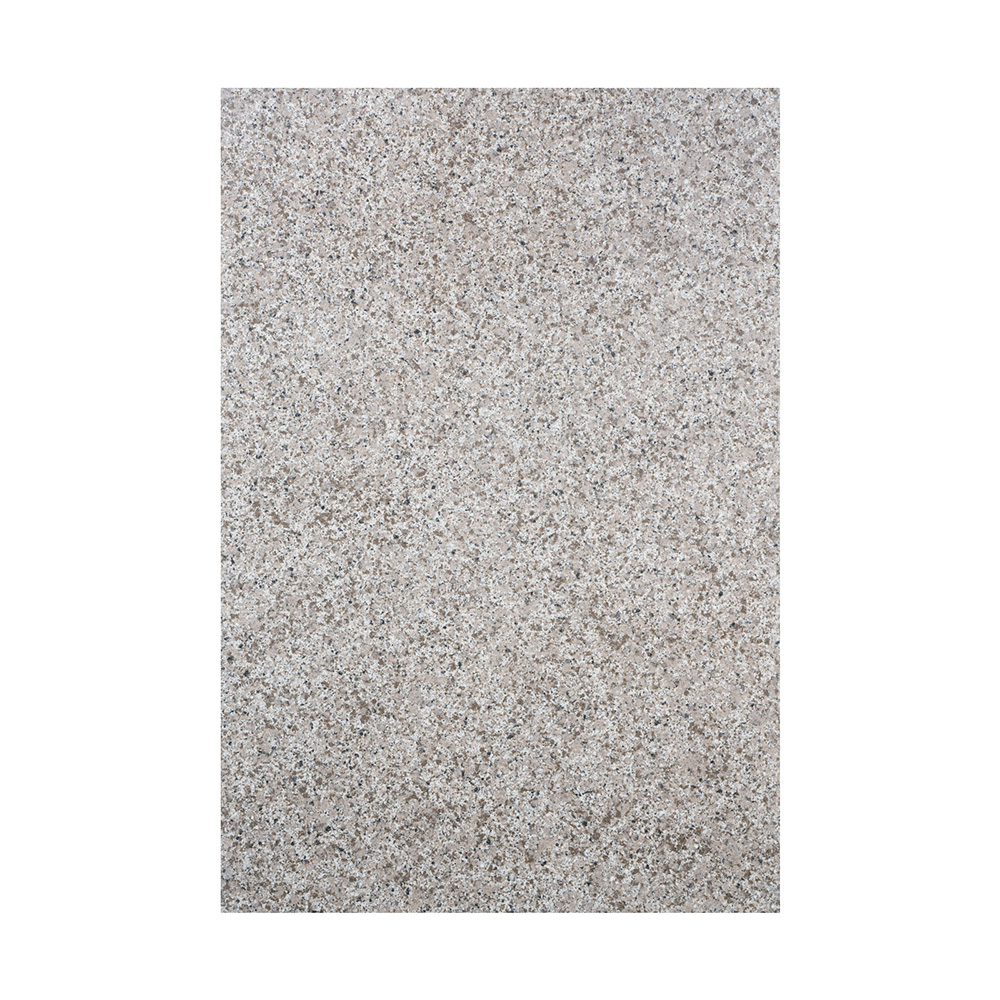
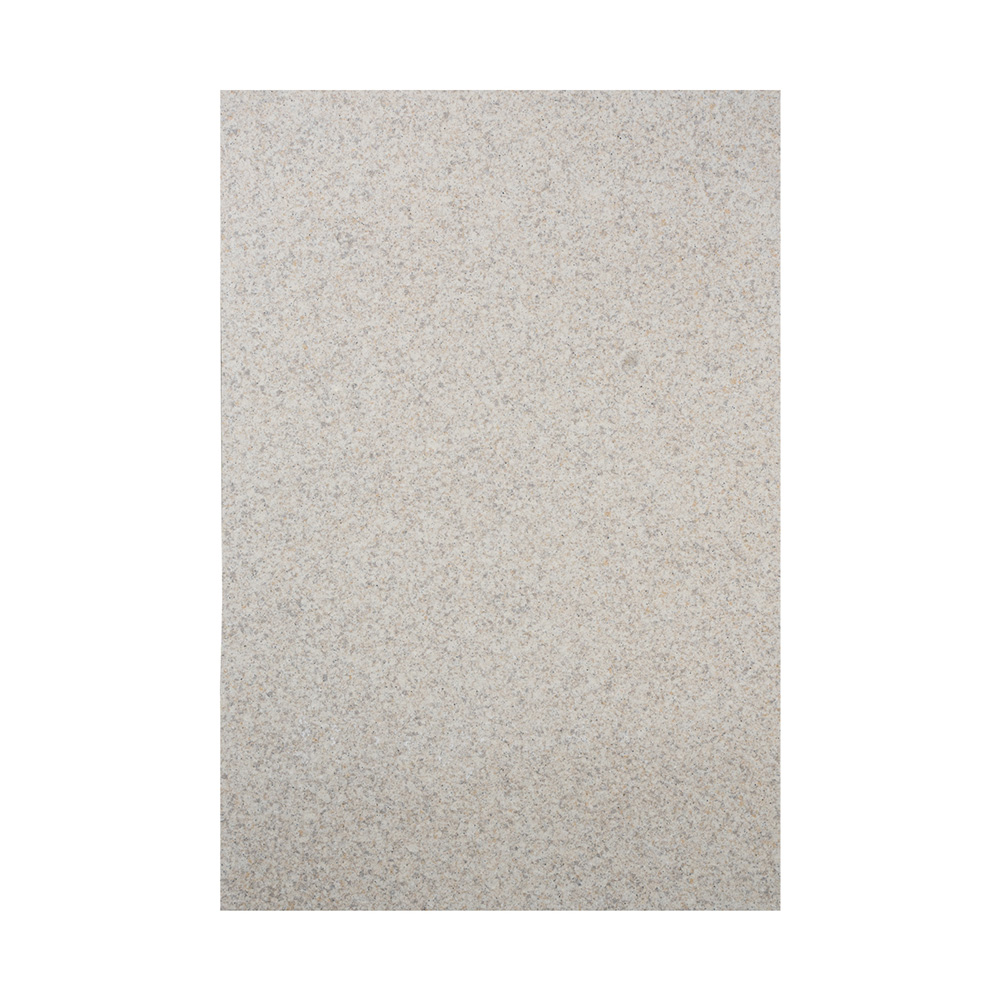
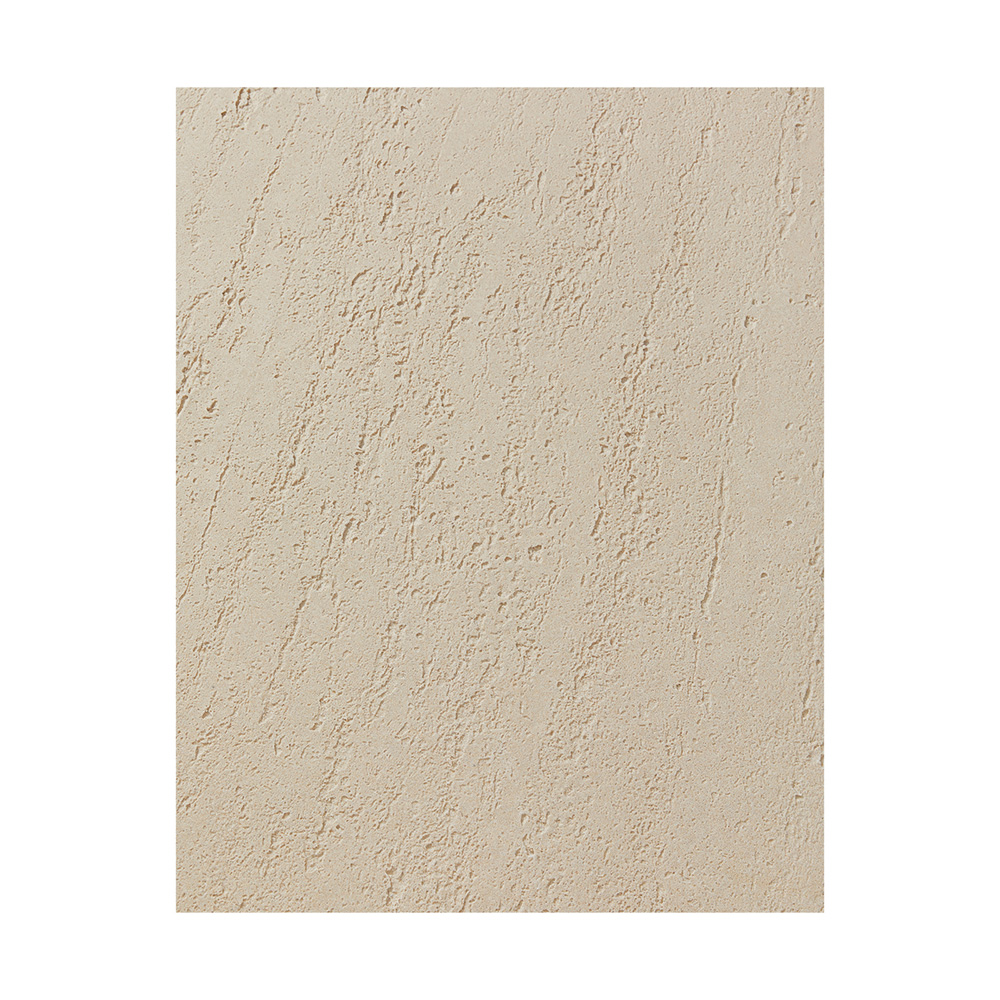
Unlike wood composites or paint-on finishes, wooden texture flexible stone is made from natural stone powder processed into ultra-thin, bendable veneer panels. The result is a surface that authentically replicates the grain, knots, and linear patterns of timber — but behaves like stone in every performance category that matters.
Justone's wood grain series panels come in standard sizes of 580×900mm, weigh only 4 kg/m², and measure just 2.7mm ± 10% in thickness. That last number is worth pausing on: a traditional stone cladding system can weigh 25–40 kg/m². This product delivers comparable aesthetics at roughly one-tenth the wall load — a structural engineer's dream for renovation projects and high-rise facades where load optimization is not optional.
Wood cladding fails along predictable vectors: moisture, UV exposure, thermal cycling, and physical impact. Wooden texture flexible stone was engineered to resist all four.
The combined system — soft stone plus bonding adhesive — typically measures 4–5mm total depth, with a thermal coefficient close enough to the substrate that stress from temperature expansion stays minimal. That's the engineering reason flexible stone cladding outlasts rigid alternatives in climates with wide temperature swings.
The flexibility specification here is genuinely unusual. With a minimum bending radius of under 100mm, these panels can wrap around columns, curved facades, and irregular architectural features that would require custom fabrication with conventional stone or tile. The same panel that clads a flat exterior wall can bend around a pillar without cutting, seaming, or expensive custom molds.
For builders, this translates directly into reduced labor time. For designers, it expands the vocabulary of surfaces that can carry a wood-grain finish — including curved feature walls, archways, and landscape elements. View installation techniques and construction advantages to understand how the adhesive bonding system works on different substrate types.
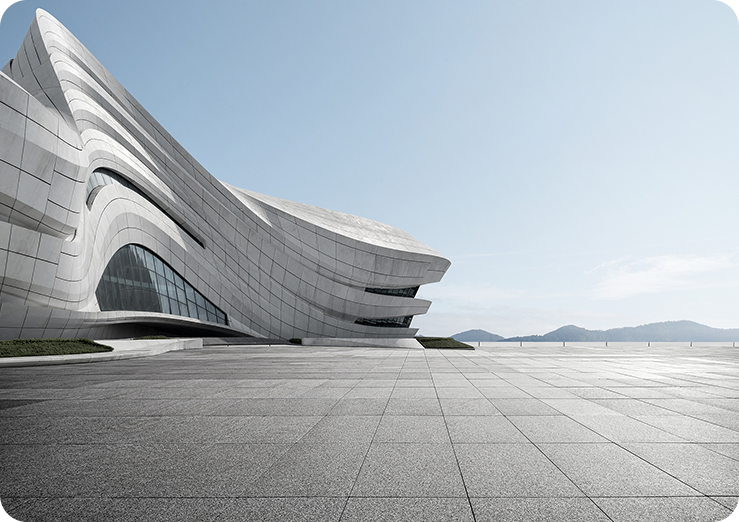
Wooden texture flexible stone has been deployed in urban renewal projects, residential renovations, and commercial building facades. The Lin'an City Center Street renovation and the Pujiang urban renewal project in China both used wood grain flexible stone veneer as the primary facade material, delivering a consistent timber aesthetic at scale across hundreds of meters of streetscape — something neither real wood nor paint could sustain over time.
Applications span interior accent walls, exterior building facades, school and hospital cladding (where anti-fall requirements are strict), and landscape walls. For urban renewal projects requiring fast, lightweight facade renovation, this material category has become a preferred specification.
Set against natural stone, wooden texture flexible stone costs as little as one-quarter of the price per square meter, while simultaneously reducing structural load and cutting early-stage structural costs. Against coatings and paint finishes, the math is equally clear: coatings typically require repainting every 3–5 years, while flexible stone veneer delivers a service life of 20–30 years with minimal intervention. The cumulative maintenance savings over a building's lifecycle typically offset the material premium within the first renewal cycle.
This is not a luxury specification. It is a cost-efficient one — especially for developers managing large portfolio retrofits where per-square-meter savings multiply quickly.
Material weight drives transportation emissions. At 4 kg/m², wooden texture flexible stone ships and handles at a fraction of the load of conventional stone — reducing freight volume, vehicle trips, and site handling requirements. The material itself is made from natural stone powder, avoiding the synthetic polymer content common in composite wood alternatives. For projects targeting green building certifications and sustainable wall specification, lightweight natural-composition veneers represent a meaningful improvement over heavy quarried stone or timber from managed forests.
According to research on sustainable facade materials, lightweight stone veneer alternatives can reduce embodied carbon through lower transport weight and easier installation — factors increasingly evaluated in project environmental assessments.
If you are an architect designing a facade that needs wood warmth without wood vulnerability, a contractor managing renovation costs on a load-sensitive structure, or a developer comparing long-term material ROI, Wooden Texture Flexible Stone deserves a place in the specification conversation. Free samples are available on request, and panels can be produced in custom colors to match project palettes.
The wood look has never been more achievable — or more durable. The question is no longer whether the aesthetic is possible, but whether you want it to last five years or thirty.

Justone is Thin Flexible Stone Veneer Sheet Supplier in China.The company takes innovation-driven development as its core, regards promoting the progress of the industry as its responsibility, deeply engages in the chemical composite building materials track, and demonstrates its professional expertise in this field.



 English
 Français
 Español
 Português
 عربى
عربى