

Content
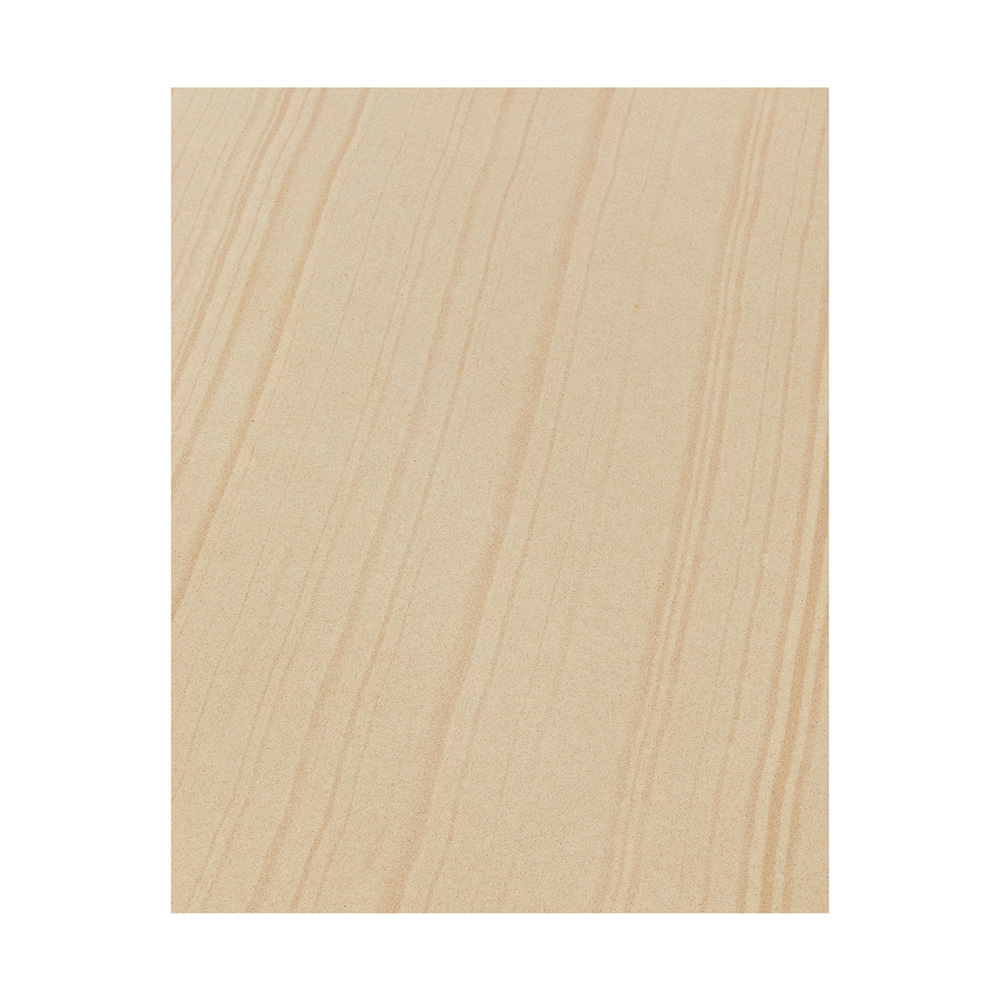
Traditional stone cladding has a deal-breaking flaw: it's rigid. Columns, curved facades, arched entrances — all require costly cuts, specialist labor, and structural reinforcement just to accommodate slabs that weigh 80–120 kg per square meter. Flowing Flexible Stone veneers solve this at the root. They mimic the organic, fluid patterns of water-carved stone while bending around surfaces that rigid stone simply cannot reach — without adding structural load, without heavy machinery, and without the safety risks associated with falling cladding.
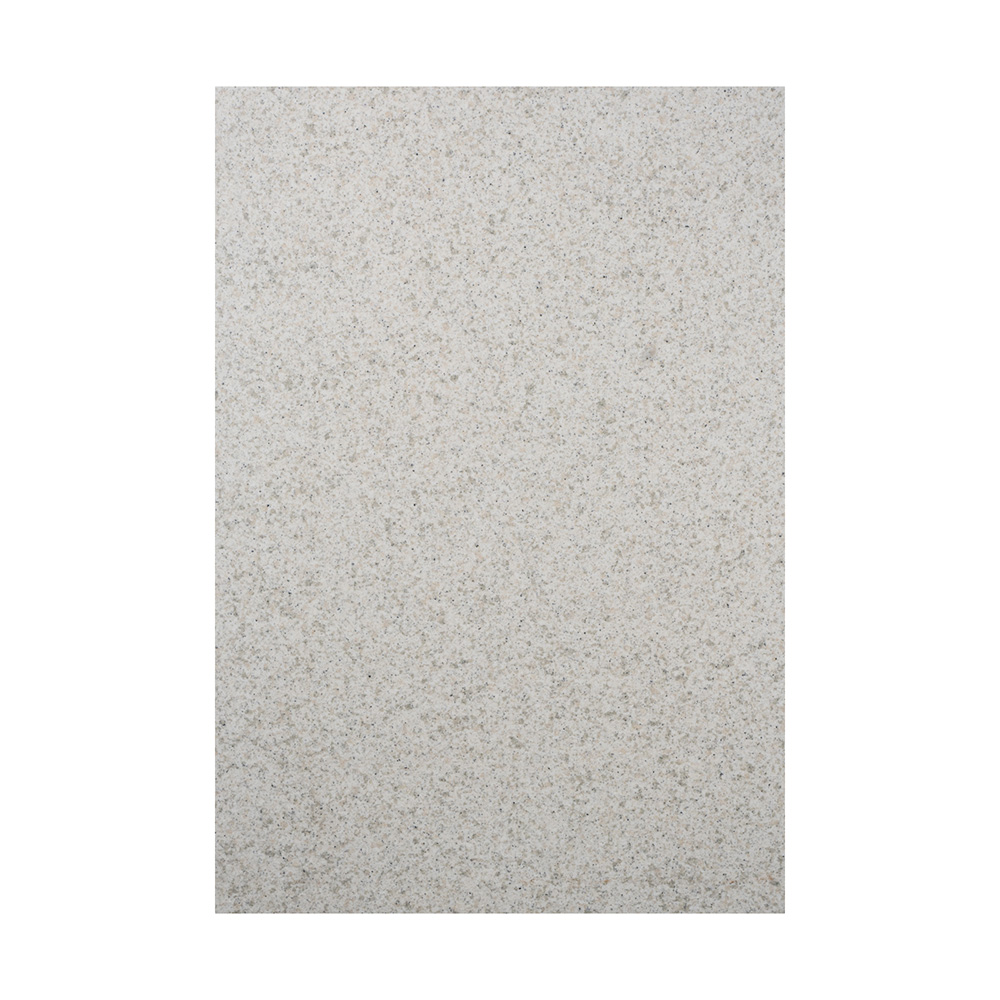
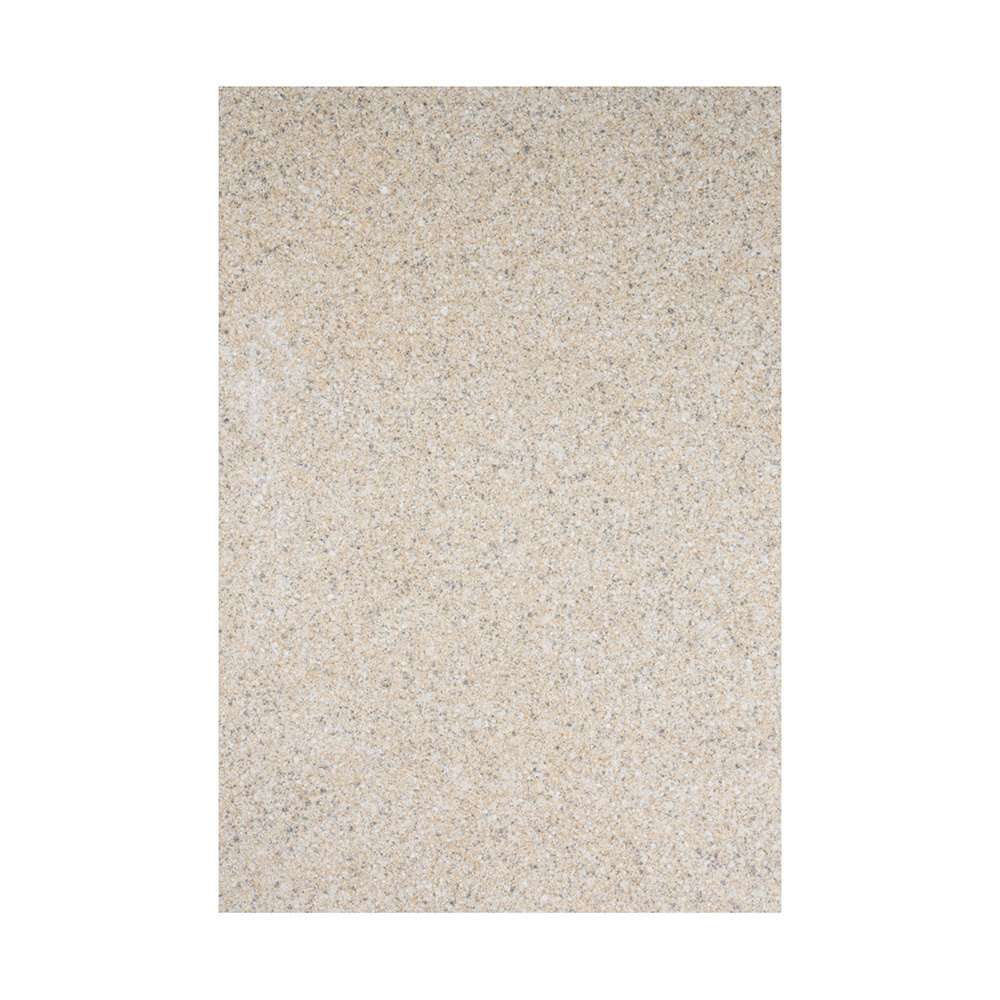
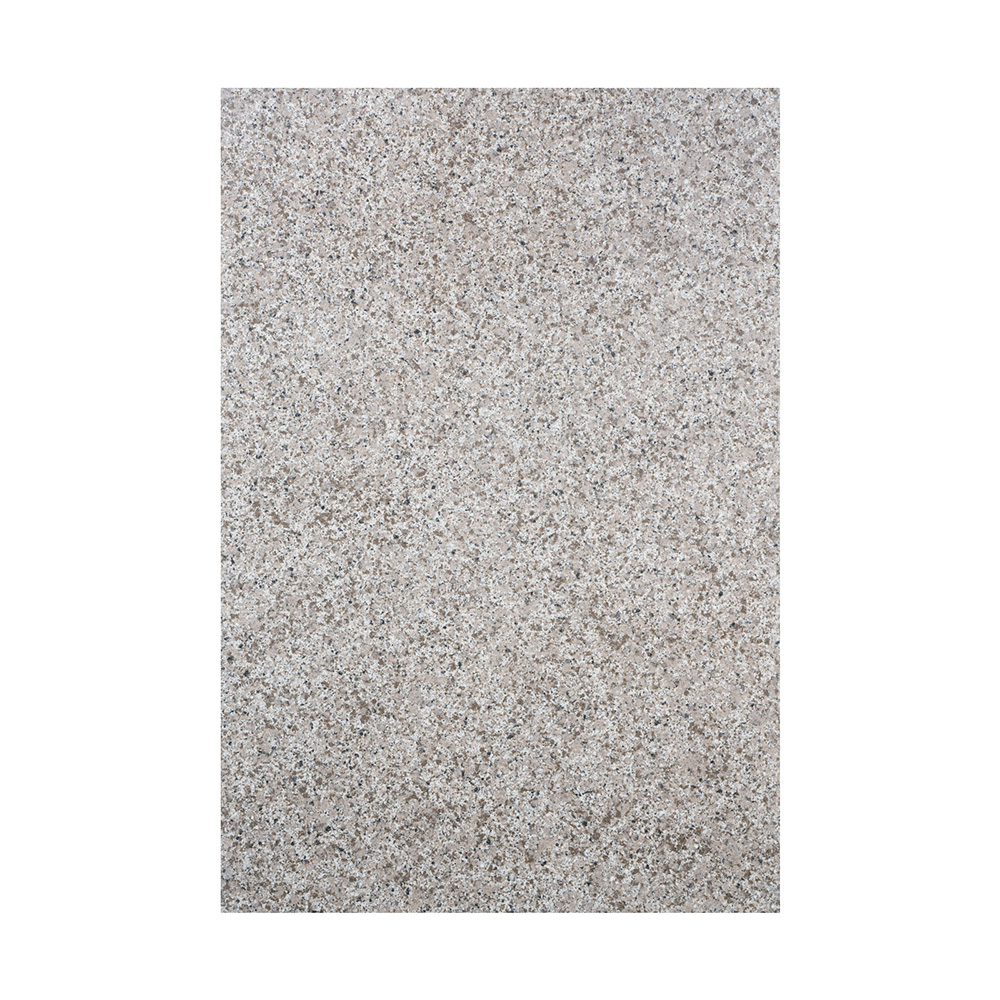
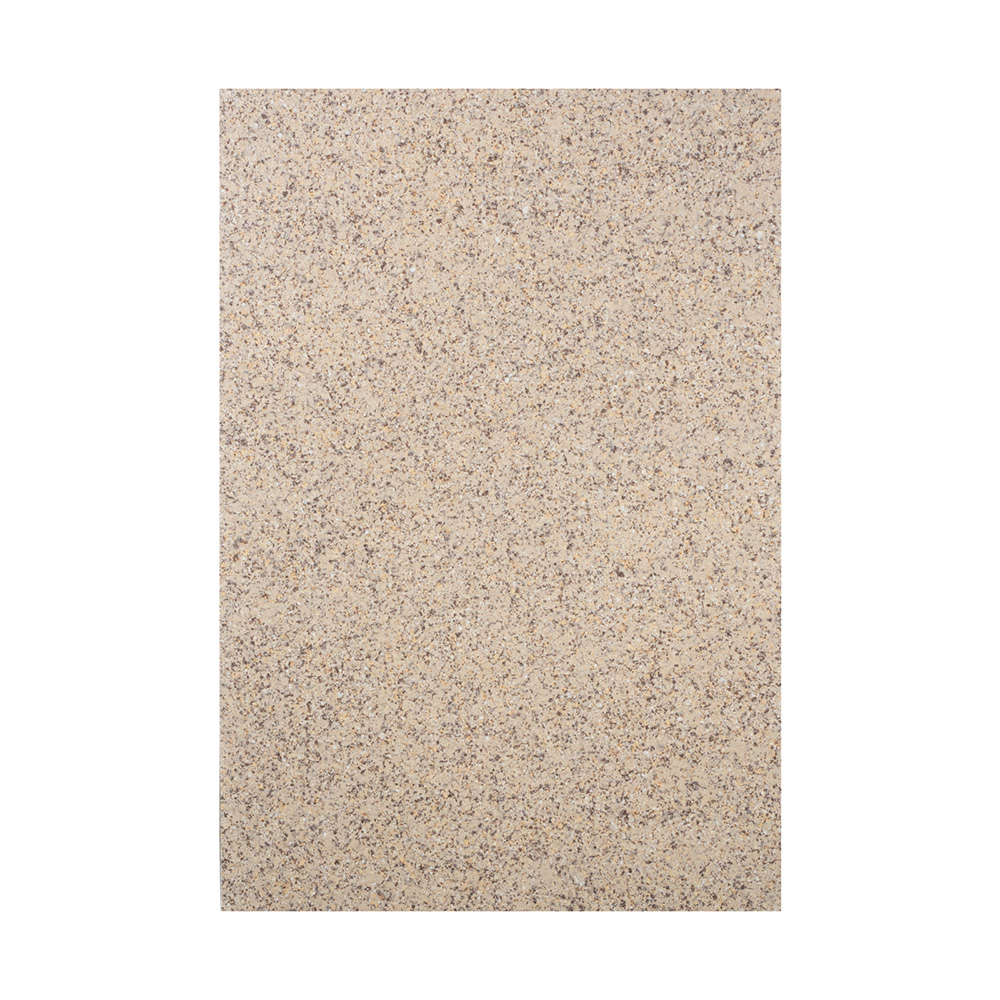
Justone's Flow series is manufactured using natural stone powder and quartz sand as primary raw materials. The color comes from the quartz sand itself — no pigments, no dye paste — which means the surface reads like real stone because it essentially is real stone, just re-engineered into a flexible sheet format.
The standard sheet size is 600× 1200 mm — a large format that reduces visible joints and speeds up installation. Each panel is ultra-thin, which keeps self-weight low enough for overhead applications, upper-floor facades, and surfaces where structural engineers would reject conventional stone outright.
The performance data matters here. A UV-blocking coating delivers a 99.1% UV blockage rate, preventing color fade even in direct, prolonged sunlight — a common failure point for organic dyes in competing products. Because Justone's color derives from the quartz aggregate itself, fading is a structural near-impossibility rather than a promise backed only by a coating. On top of that, the panels are fully waterproof, fire-resistant, and carry strong anti-staining properties, meaning maintenance comes down to a wipe rather than a specialist clean.
Impact resistance is another specification worth noting. The flexible matrix absorbs shock that would crack or chip a ceramic or natural stone tile. For high-traffic corridors, school buildings, hospital corridors, and public passage areas, that resilience directly reduces lifecycle replacement cost.
The material excels wherever architecture refuses to be flat. Wrapped columns in hotel lobbies, the curved base of reception desks, arched canopies on commercial entrances — these are the surfaces that traditionally forced designers into either using paint or accepting an inferior faux-panel product. Flowing Flexible Stone veneers handle tight curves without cracking because the substrate flexes with the surface rather than against it.
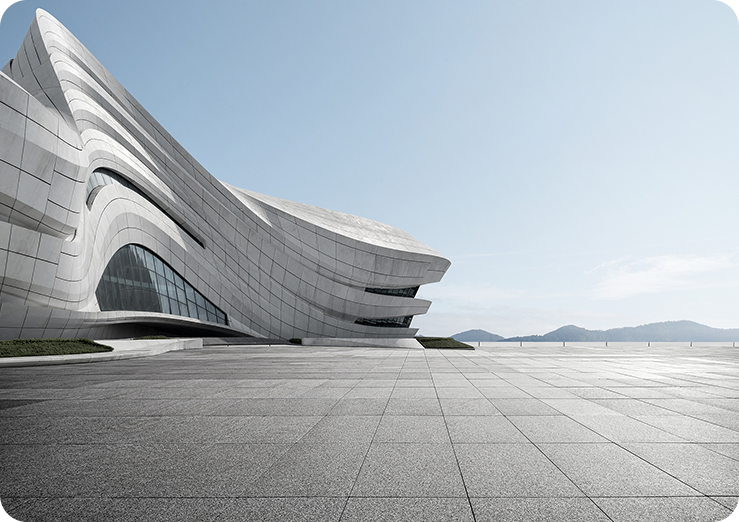
For building exteriors — facades, perimeter walls, covered public passages, and overhead soffit areas — the lightweight format means no anchor reinforcement is needed for mid- and high-rise applications. Justone's installed projects include office buildings, telecom facilities, government buildings, and urban renewal streetscape programs, all of which required cladding solutions that passed fire-safety codes while staying within facade load limits.
Interior applications are equally broad: feature walls, TV backdrops, staircase sidewalls, and basement upgrades where weight constraints rule out real stone entirely. The flowing vertical texture creates depth and movement on flat interior walls without any three-dimensional relief complexity to maintain.
Most flexible stone products on the market rely on added colorants to achieve their look. Justone takes a different approach: a proprietary three-dimensional spray-casting process molds the quartz-sand mixture in a single production pass. The result is a surface where texture, color, and structural matrix are formed simultaneously — not layered or painted on afterward.
This matters for longevity. There is no color layer to delaminate, no coating to peel under freeze-thaw cycling, and no dye to bleach under UV exposure. The company holds more than ten patents in flexible stone technology and is the inventor of the full quartz-sand mold imitation granite flexible stone process — a distinction that separates it from the many resin-based competitors that produce visually similar but structurally inferior panels.
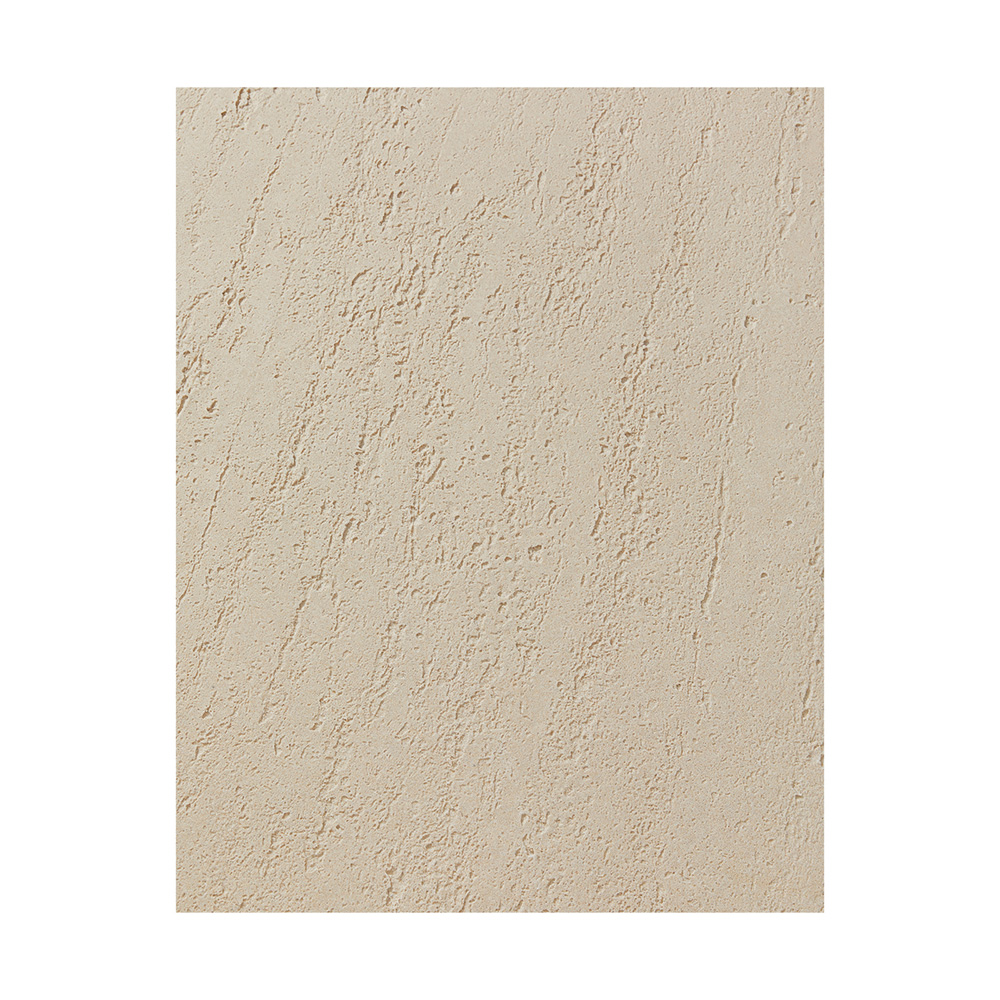
Justone's R&D work began in 2011. More than a decade of refinement is embedded in the current product line, which now spans twelve flexible stone series including travertine, granite, slate, sandstone, linear, rammed earth, and the flow pattern — each optimized for different aesthetic requirements and application environments.
There is a practical safety dimension that rarely gets discussed in product marketing. Heavy stone cladding on tall buildings is a real liability — panels detach, and the consequences are severe. Flexible stone panels are classified alongside paint as a wall decoration material with no falling risk. They bond to the substrate rather than hanging from it, which is why hospitals and school buildings are consistent adopters. No load, no anchor failure, no detachment hazard.
Combined with fire resistance and zero-VOC quartz-sand construction, the material also presents no indoor air quality concern — a growing specification requirement in European and Middle Eastern commercial projects, where Justone now supplies regularly through its global partner network.
For architects, contractors, and property developers who want the visual authority of natural stone without the structural compromise, the safety liability, or the installation complexity, Flowing Flexible Stone offers a straightforward answer. The texture is formed from real stone materials, the performance specs cover the conditions that matter, and the installation process does not require a structural rethink.

Justone is Thin Flexible Stone Veneer Sheet Supplier in China.The company takes innovation-driven development as its core, regards promoting the progress of the industry as its responsibility, deeply engages in the chemical composite building materials track, and demonstrates its professional expertise in this field.



 English
 Français
 Español
 Português
 عربى
عربى