

Content
A genuine rammed earth wall starts with red clay, coarse sand, and lime, compacted layer by layer with heavy tools until every air pocket disappears. It's a technique that dates back centuries in Chinese architecture, and the finish it produces — striated, warm, unmistakably natural — still has no real substitute. The problem is everything that comes before the finish: formwork, compaction equipment, weeks of curing, and a wall that can crack or absorb moisture if the mix or the weather goes wrong.
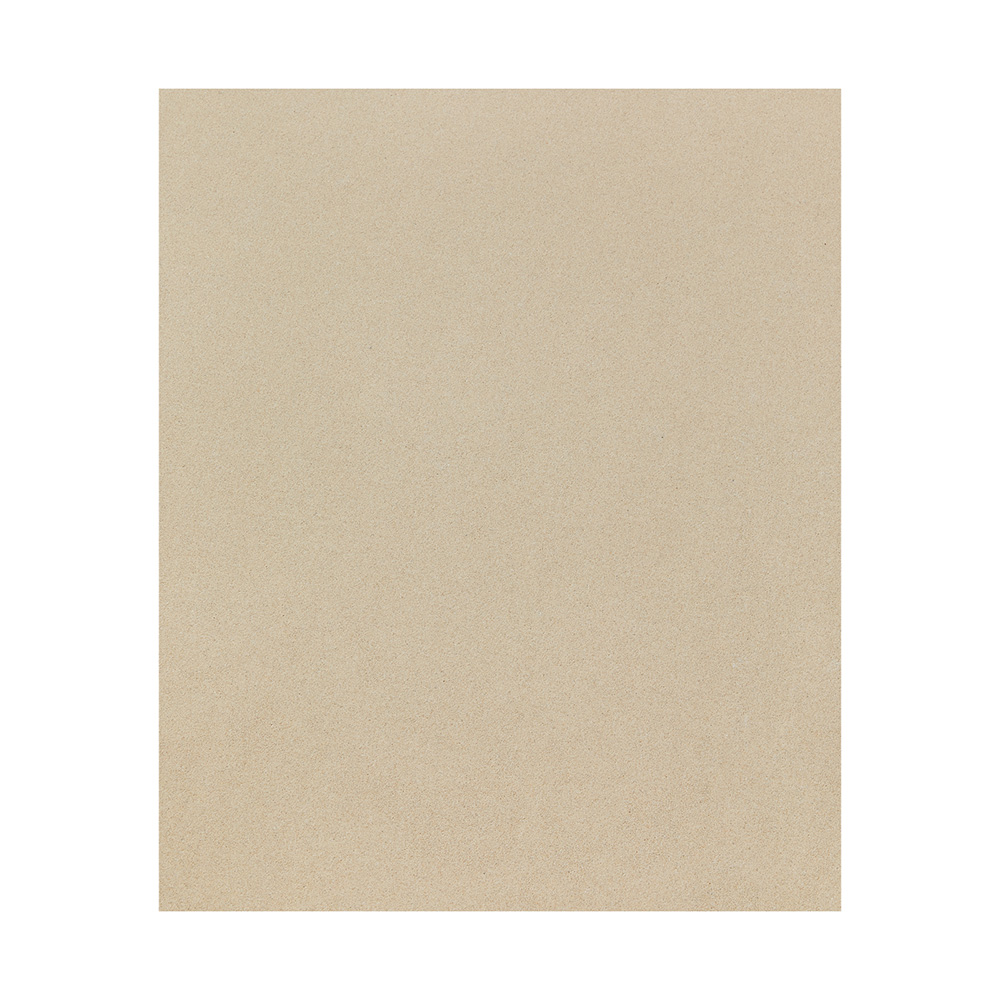
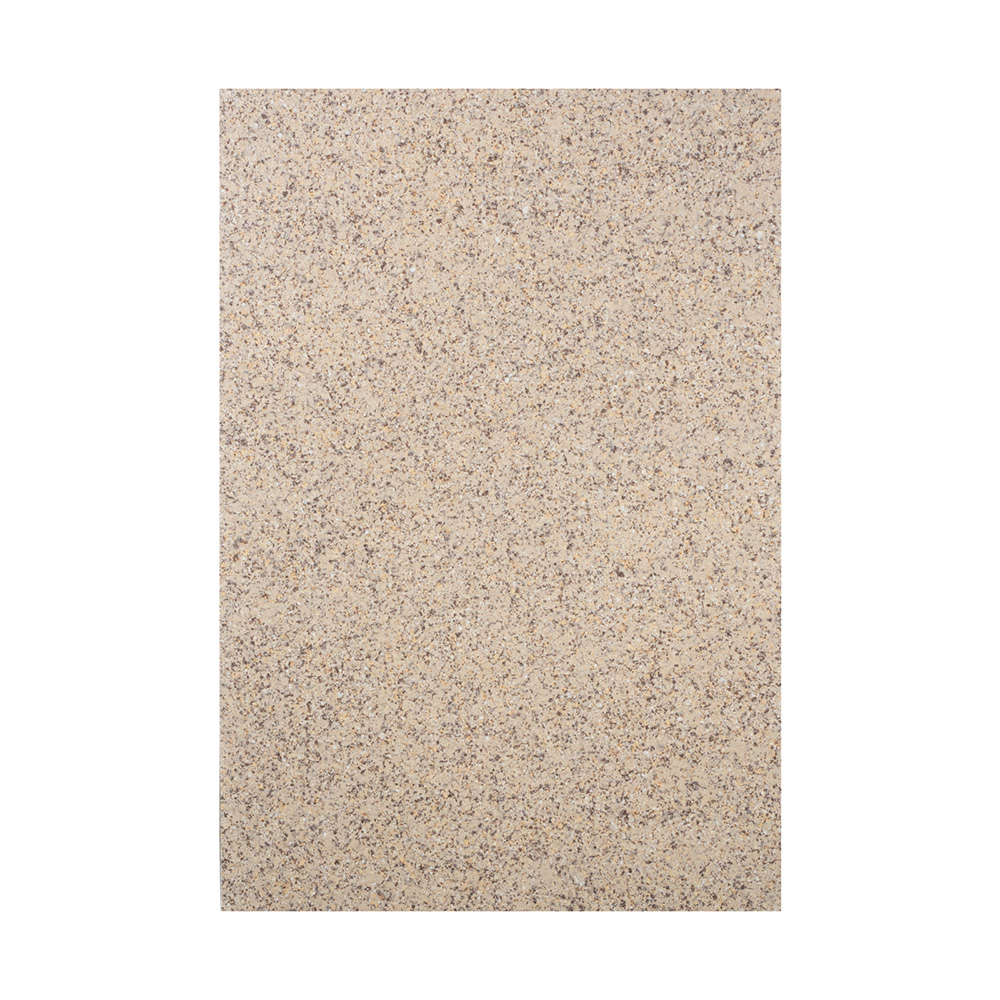
That gap between "we love this look" and "we can actually build this" is what pushed rammed earth flexible stone into the market. Instead of pouring and tamping earth on site, manufacturers mold thin, flexible sheets that replicate the layered texture and mineral tone of real rammed earth, then ship them ready to install.
The two materials can look nearly identical from three feet away, but they behave very differently once a project timeline and budget are involved.
| Factor | Traditional Rammed Earth | Flexible Stone Panels |
|---|---|---|
| Wall thickness | 200–600mm structural wall | 2.5-3.3mm veneer over any surface |
| Installation method | Formwork, ramming, weeks of curing | Direct adhesive application |
| Curved surfaces | Extremely difficult | Bends around columns and curves |
| Water exposure | Softens, cracks, or erodes | Waterproof surface layer |
| Structural load | Requires reinforced footing | No structural reinforcement needed |
The trade-off is honest: a real rammed earth wall is a load-bearing structure with genuine mass, while a flexible panel is a decorative skin. For anyone building from the ground up with rammed earth as structure, that mass matters. For anyone renovating, cladding a façade, or wrapping an interior column, the panel does the same visual job without touching the building's engineering.
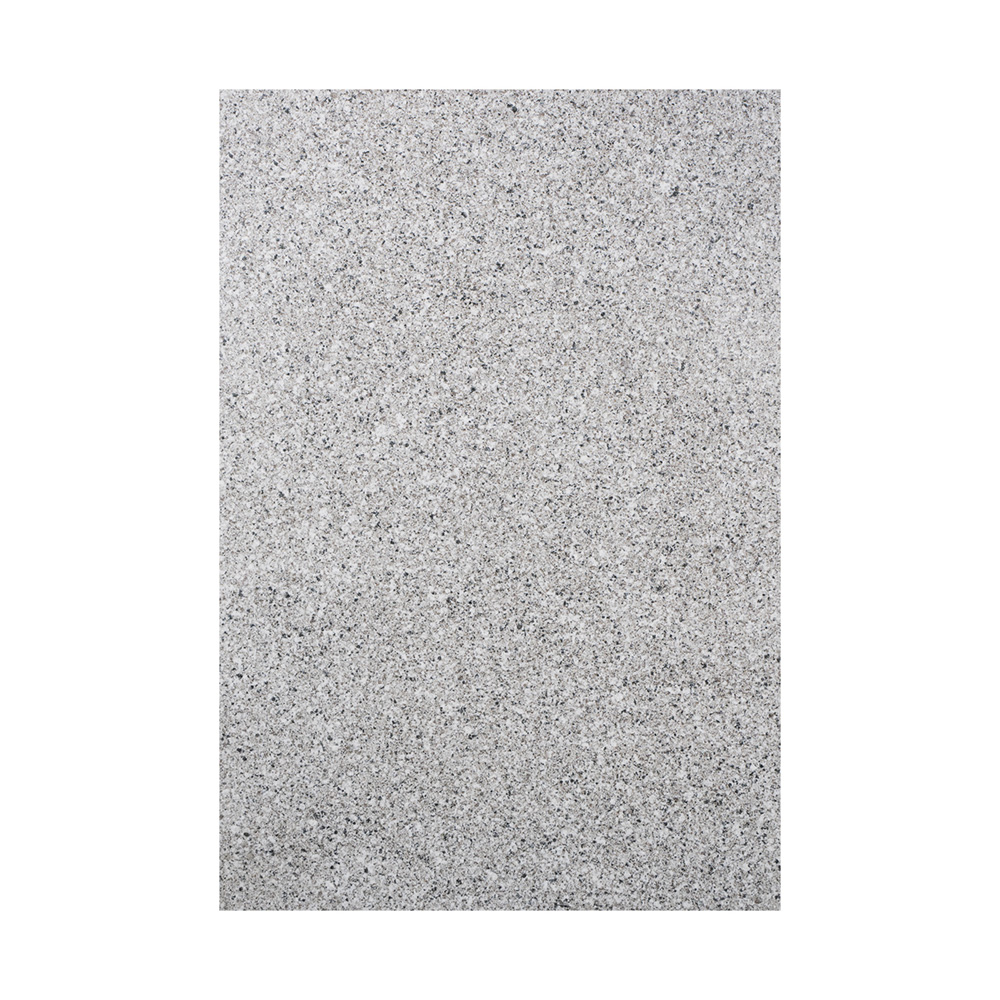
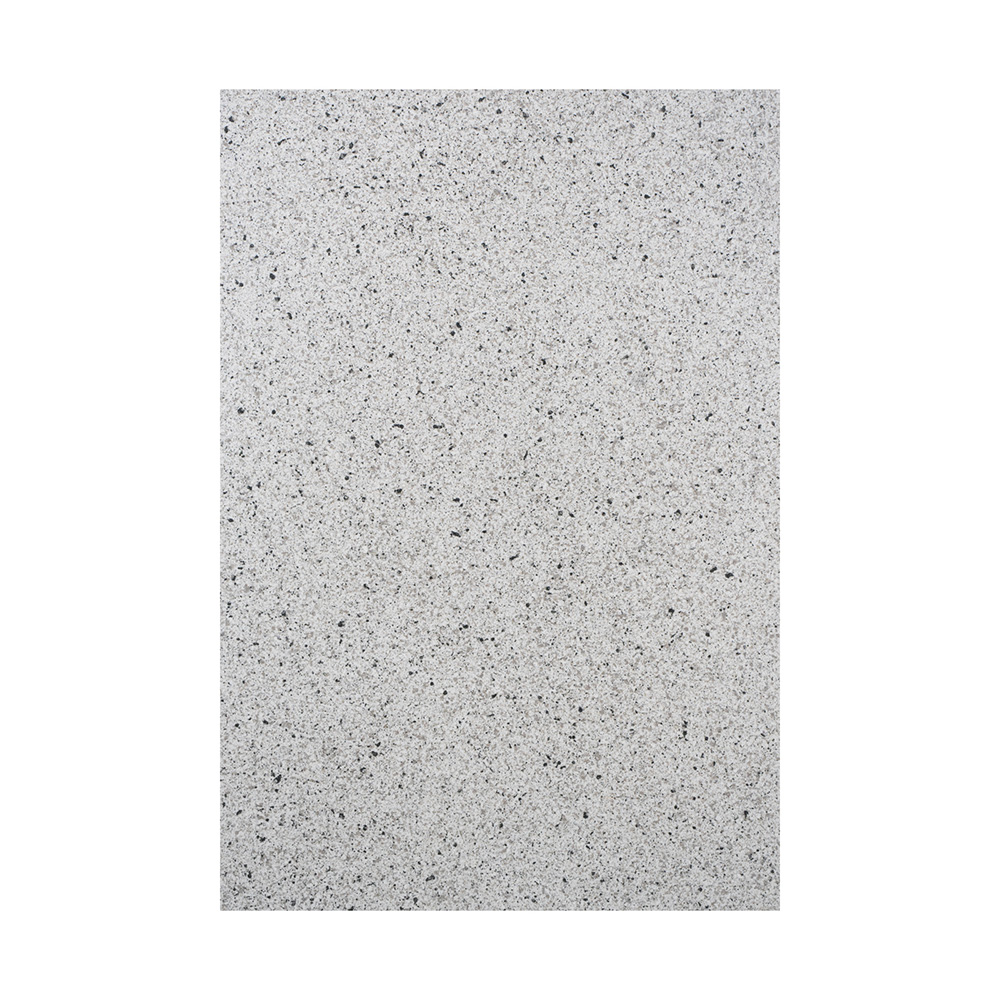
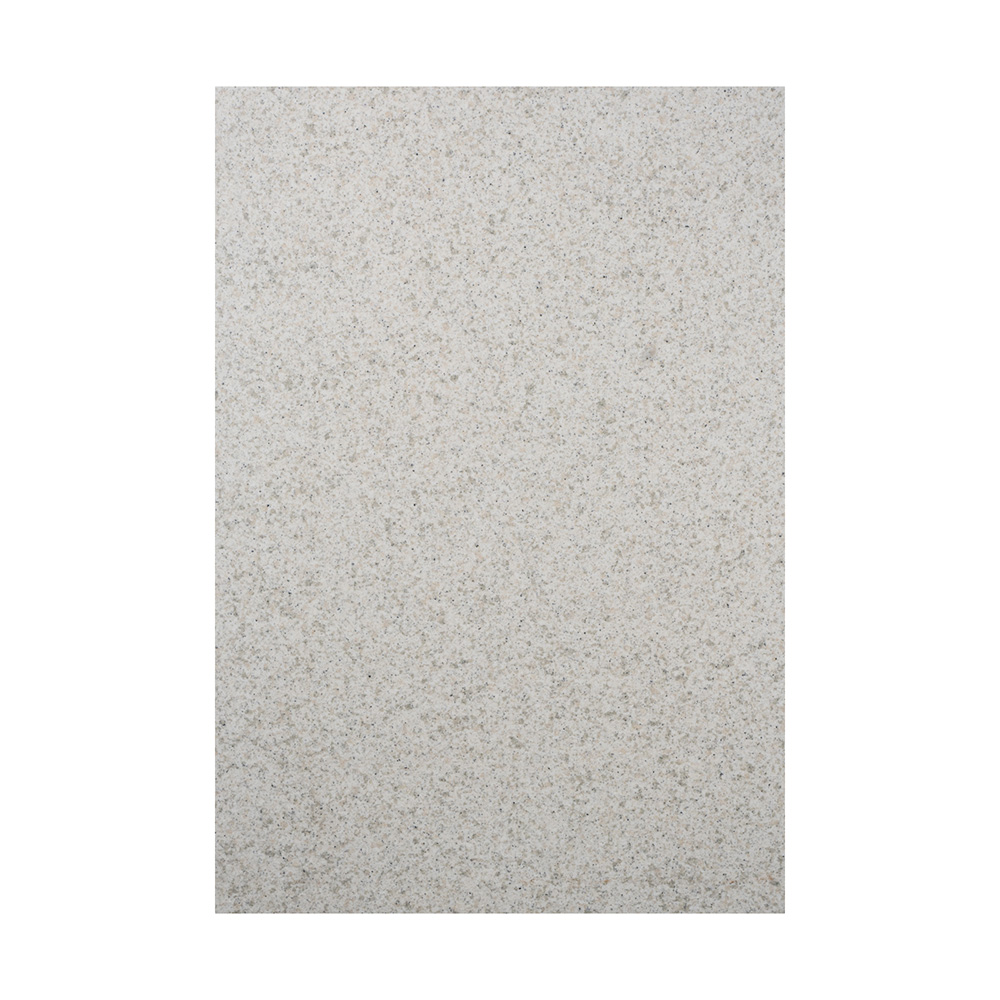
Not every flexible stone product is built the same way. Justone's version is molded from natural stone powder and quartz sand rather than dyed pigments, which means the color comes from the mineral itself — it won't fade, chalk, or shift tone the way painted or dyed finishes eventually do.
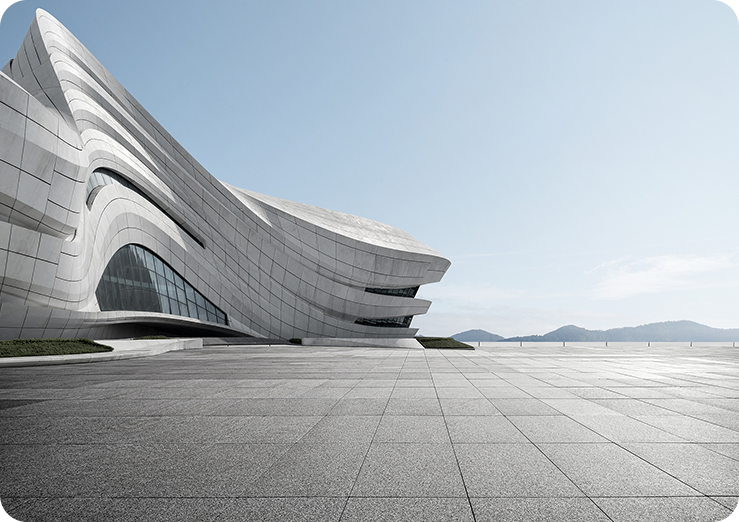
The panels are also engineered to go where real rammed earth structurally can't: curved walls and cylindrical columns, where a rigid material would need custom cutting or simply wouldn't bend. Combined with a flexible, waterproof surface layer, that makes the product a practical fit for both exterior façades and interior feature walls without splitting the design into "the flat parts" and "everything else."
One of the biggest arguments for flexible stone over the real material is what happens on installation day. There's no tamping, no formwork, no batch mixing on site. The panels are applied like a heavy-duty wall covering:
A crew that would spend weeks building and curing a traditional rammed earth section can usually finish the same wall area with panels in a matter of days. For a closer look at surface prep and sequencing, Justone's step-by-step installation guide walks through each stage in more detail.
Flexible rammed earth panels tend to show up on projects where the aesthetic matters as much as the timeline. Boutique hotels and homestays use it to get a grounded, earthy lobby or feature wall without waiting on a structural build. Cultural tourism sites and landscape architecture lean on it for retaining walls, courtyard partitions, and gateway structures that need to look rooted in the local terrain. Office lobbies and exhibition halls use it for the same reason interior designers reach for natural materials generally: it reads as calm and tactile in a way that painted drywall doesn't.
It also has a quiet advantage in renovation and adaptive reuse projects, where the existing wall can't take on extra structural load. Because the panel adds almost no weight and needs no reinforcement, older buildings that could never support a real rammed earth wall can still get the look, applied directly over the existing surface.
The honest way to think about it: if the project needs rammed earth as a load-bearing material, nothing replaces the real technique. If the project needs the look of rammed earth on a wall, column, or façade that was never going to be structural anyway, the flexible panel gets there faster, lighter, and with far less risk from water and weather.

Justone is Thin Flexible Stone Veneer Sheet Supplier in China.The company takes innovation-driven development as its core, regards promoting the progress of the industry as its responsibility, deeply engages in the chemical composite building materials track, and demonstrates its professional expertise in this field.



 English
 Français
 Español
 Português
 عربى
عربى