

Content
Most flexible stone walls that look tired after five years have not worn out. They were cleaned too hard, too often, or with the wrong chemistry, and the moulded surface now records every scrubbing brush that touched it. The material is a thin mineral sheet, so the way it holds soil, releases it, and punishes a careless cleaner is different from solid stone. What follows is the maintenance routine that keeps a finished wall close to its original appearance without quietly removing years of service life.
Flexible stone veneer should be washed with pH-neutral detergent, a soft brush and low-pressure water, because its surface is a mineral and polymer composite rather than a block of solid stone. Treat it like a durable painted surface and it will last; treat it like a driveway and the damage shows up months later, far from the brush that caused it.
Flexible stone veneer: a sheet of roughly 2 to 3 mm, made mainly from quartz sand and natural stone powder held in a polymer binder and backed with fiberglass mesh. Grain, grooves and chisel marks are cast into a mould, so colour runs through the full thickness of the sheet instead of sitting on top as a coating.
Three consequences follow from that construction, and each one turns into a repair bill when it is ignored.
A quick test before anyone fills a bucket: if the cleaner label warns about skin contact or etching, it is almost certainly too aggressive for a thin mineral sheet. Warm water, neutral detergent and a few minutes of patience handle the great majority of soiling on a flexible stone wall.
Most exterior flexible stone walls need two full washes a year, interiors need one light wash, and coastal, industrial or heavily shaded elevations need attention every two to three months. Frequency should follow the soil load and the drying behaviour of the elevation, not the calendar alone.
| Exposure zone | Interval | Method | Watch for |
| Interior wall, dry and sheltered | Once a year | Dry brush, then damp wipe with neutral detergent | Hand marks near switches and door handles |
| Interior wet area | Every 3 months | Soft pad, warm water, dry the joints afterwards | Soap film on lower panels |
| Exterior facade above 3 m, urban | Twice a year | Soft brush, low pressure, work upward then rinse downward | Streaking under sills and copings |
| Exterior ground level to 3 m | Every 3 to 4 months | Brush and rinse, two-bucket method | Splash-back, scuffing, cycle marks |
| Coastal or humid climate | Every 2 to 3 months | Fresh water rinse plus neutral wash | Salt film that stays tacky to the touch |
| Industrial or high-traffic pollution | Quarterly | Two-pass wash with dwell time | Soil that rainfall no longer clears |
Work in a fixed sequence and the wall stays even. Start with a dry soft brush to lift loose dust, because dry soil releases far more easily than mud. Pre-wet the surface, apply detergent from the bottom upward so dirty runoff does not streak finished areas, let it dwell, then rinse from the top down. Change the rinse water often; a second bucket matters more than a stronger bottle.
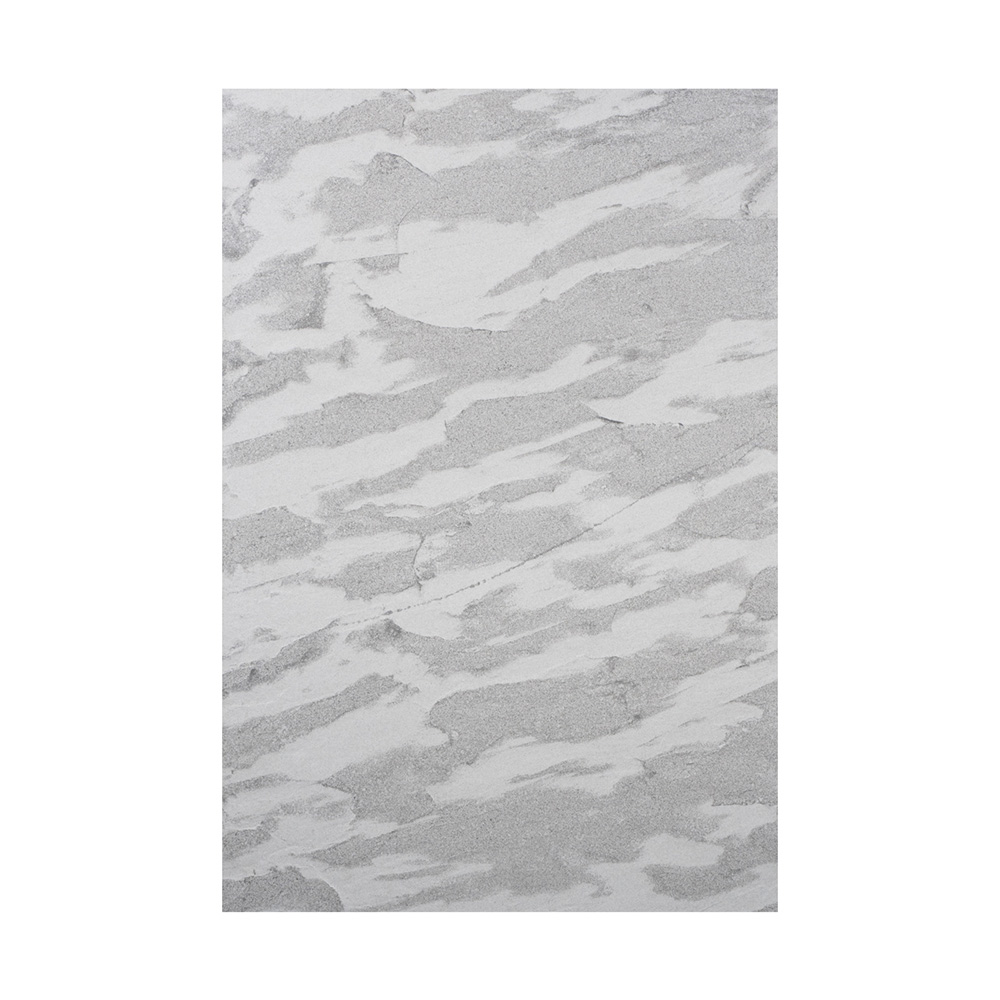
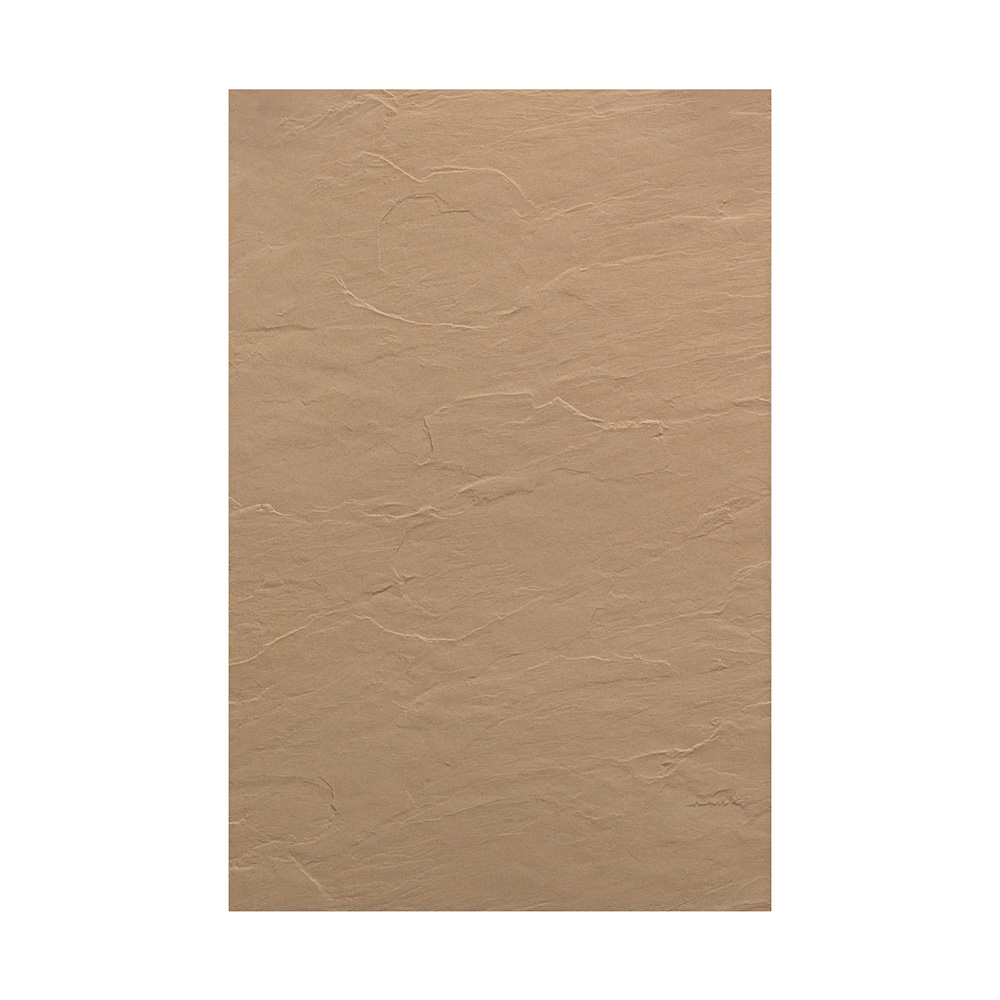 Waterproof Flexible Slate Stone Wall PanelA thin, flexible natural-stone veneer for interior and exterior walls, with a waterproof slate surface that suits textured facades needing careful routine cleaning.View Product →
Deeply textured surfaces such as slate and thin groove profiles hold soil in the low points, so brush in two directions rather than scrubbing harder in one.
Match the cleaner to the stain, not to the stone: mineral bloom responds to dry brushing and clean water, oils to an alkaline degreaser, rust to a spot-applied oxalic poultice, and organic growth to a dilute biocide. Test any product on an off-cut or a hidden corner before it touches a visible elevation.
Rule of thumb: if a product carries a warning about skin contact or etching, it is almost certainly too aggressive for a 3 mm mineral sheet. The exceptions are spot treatments, applied in gel form, flushed immediately.
Flexible stone walls age from four causes: abrasion of the moulded relief, acid attack on the binder and joint sealant, water driven behind laps, and moisture trapped on shaded or coastal elevations. Almost every premature failure on a project can be traced back to one of them.
The way a system manages movement and moisture before the finish is ever exposed is described in our construction advantages overview, which is worth reading if you are writing a maintenance scope for a large elevation.
Split maintenance into four seasonal checks: a spring wash after pollen and winter grime, a summer inspection of shaded elevations, an autumn clearance of drainage and joints, and a winter check for frost damage. Each visit takes hours rather than days, and together they replace the emergency clean that never quite works.
Keep two or three spare sheets from the same production batch on site. When a panel is gouged by a ladder or a trolley, replacing a single sheet is quicker and cheaper than blending a patch, and a spare from the original batch removes the colour-matching risk entirely.
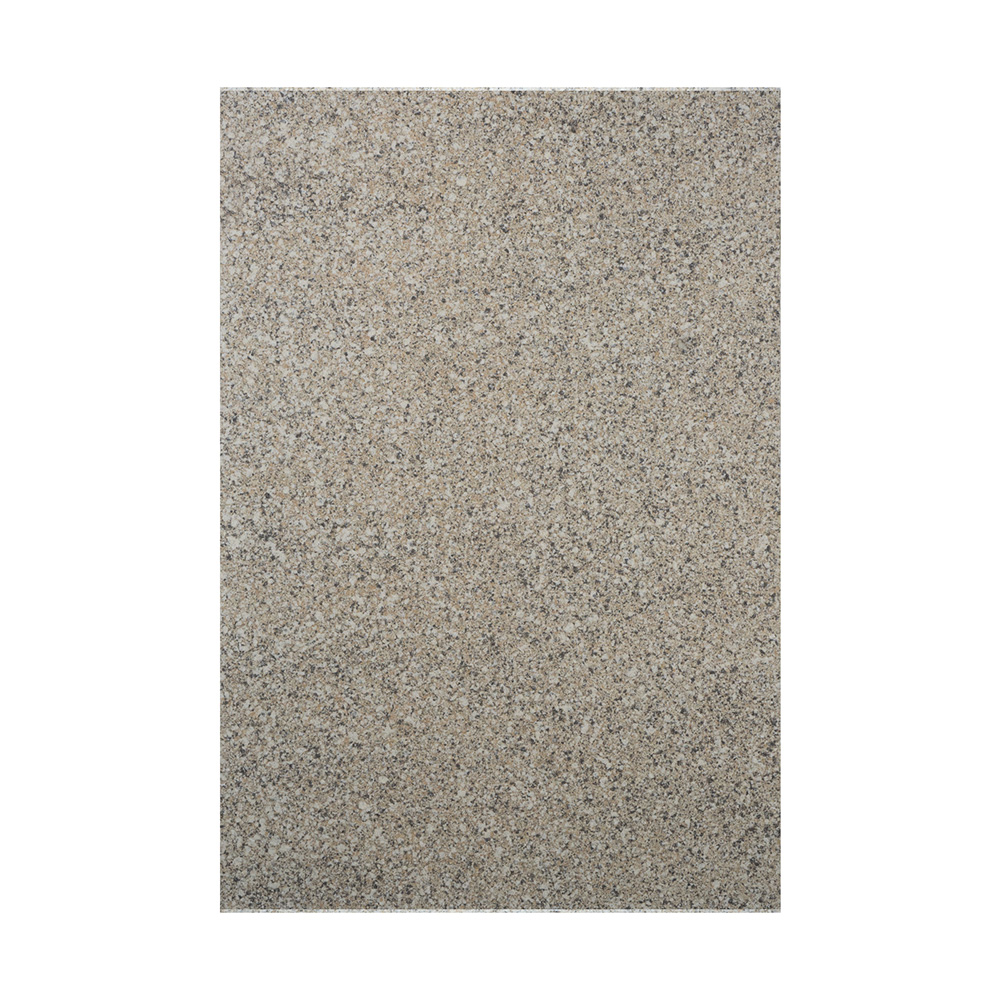
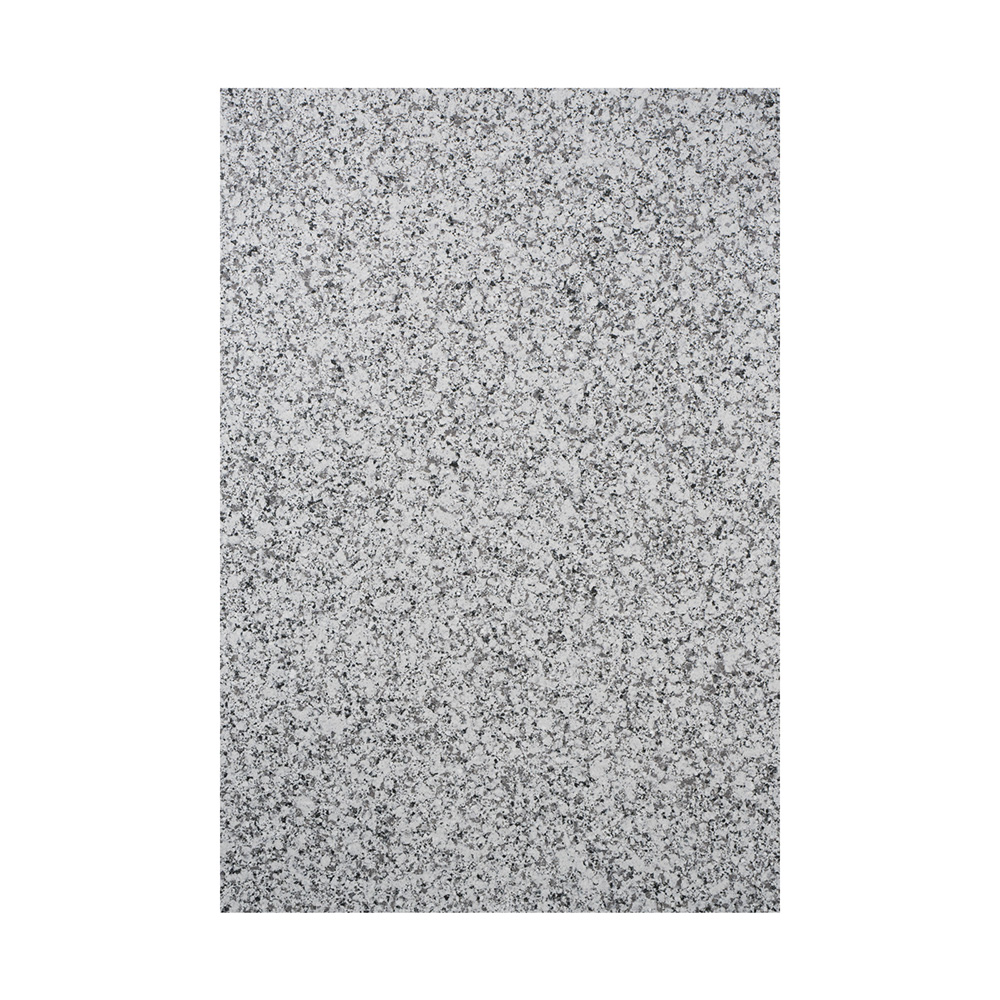 Ultra-Thin Flexible Granite Stone Veneer PanelA 2.5–3.3 mm flexible granite veneer for interior and exterior walls, useful for matching granite facades and keeping spare panels for repairs.View Product →
For granite-textured elevations, the same thickness range and fixing logic apply to replacement panels, so a repair does not introduce a step or a shadow line on the facade.
Yes, with limits. Keep the nozzle at least 30 cm from the surface, hold pressure under 40 bar at the tip, use a wide fan pattern, and never aim along a lap, corner or joint. A garden hose, a soft brush and a little dwell time usually achieve the same result with no risk at all.
That powder is normally efflorescence, salts carried to the surface by moisture and left behind as the water evaporates. Brush it dry, then wash with clean water. If it reappears within a few weeks, water is getting behind the sheet and the flashing, coping or joint detail above needs to be corrected before cleaning again.
Colour comes from mineral grains and pigment carried through the body of the sheet rather than from a surface coating, so peeling and chalking are not typical. Visible change over time is more often soil buildup, biological growth or a dirty runoff pattern than ultraviolet exposure.
A pH-neutral detergent, a soft brush on a pole, plenty of clean water and a separate rinse bucket cover most situations. Add a dilute biocide for shaded elevations and an alkaline degreaser for service areas and bin stores. Keep acidic products off the site entirely. More answers on substrates and project conditions are collected on our FAQ page.
Maintenance is not the place to save money. Two washes a year, neutral chemistry and someone who understands that a soft brush beats a stiff one will keep a flexible stone wall reading as stone for the whole service life of the facade. The wall rarely asks for much; it only asks to be treated as what it is.

Justone is Thin Flexible Stone Veneer Sheet Supplier in China.The company takes innovation-driven development as its core, regards promoting the progress of the industry as its responsibility, deeply engages in the chemical composite building materials track, and demonstrates its professional expertise in this field.


 English
 Français
 Español
 Português
 عربى