

Content
You are standing in front of a hotel facade and the drawings call for travertine. Natural travertine looks luxurious, but it is heavy, brittle, and expensive to support. The contractor is already worried about anchoring loads, seismic safety, and long-term adhesion. That is why travertine flexible stone has become the first choice for architects and builders who want the warm, pitted texture of classic travertine without the structural burden. It is a factory-made, ultra-thin stone veneer that bends around curves, cuts with a utility knife, and weighs a fraction of solid stone. The conclusion is simple: if your project needs stone character with modern safety and speed, travertine flexible stone is the answer.
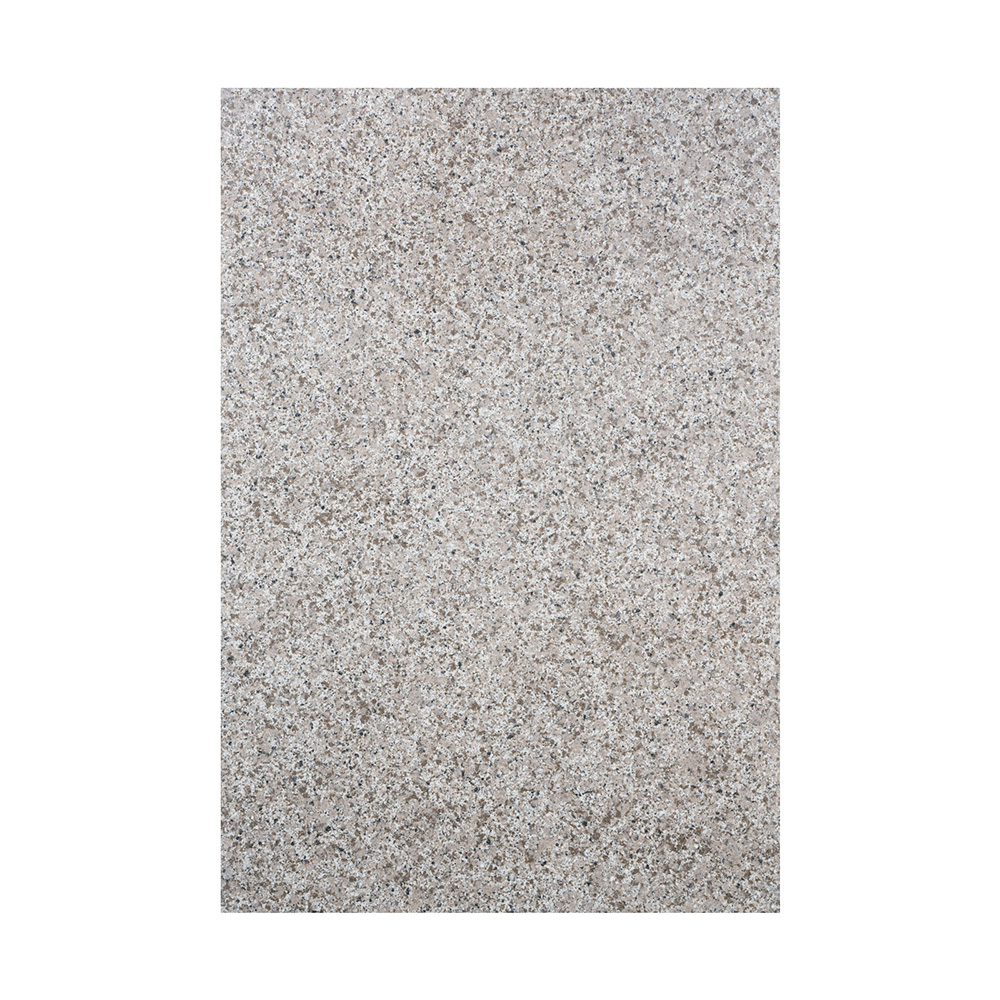
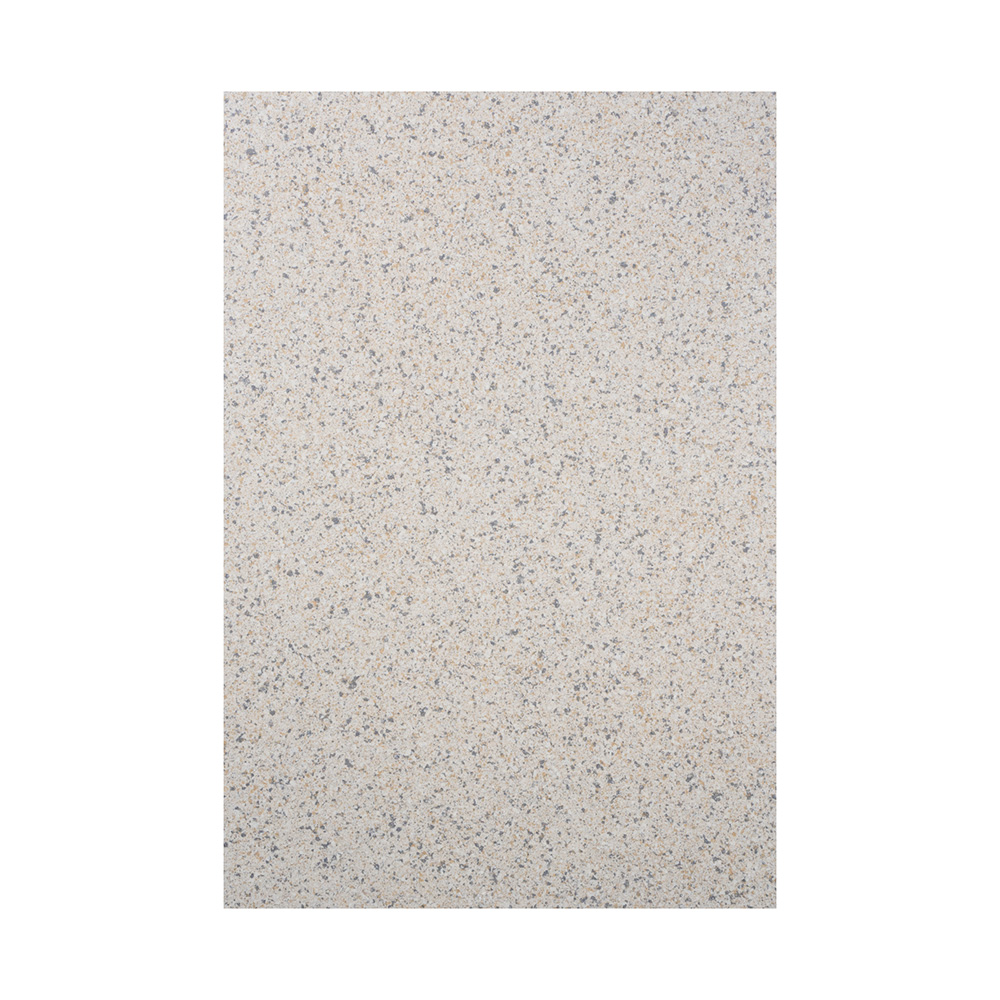
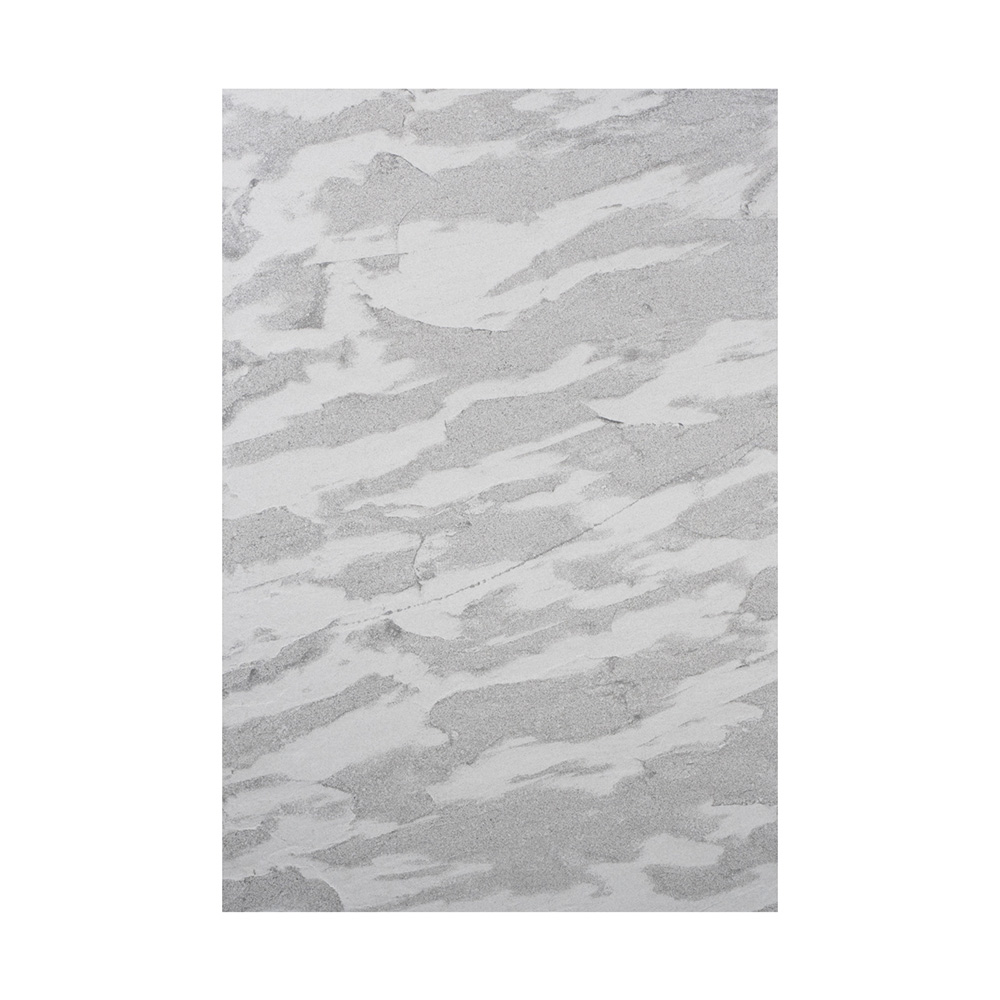
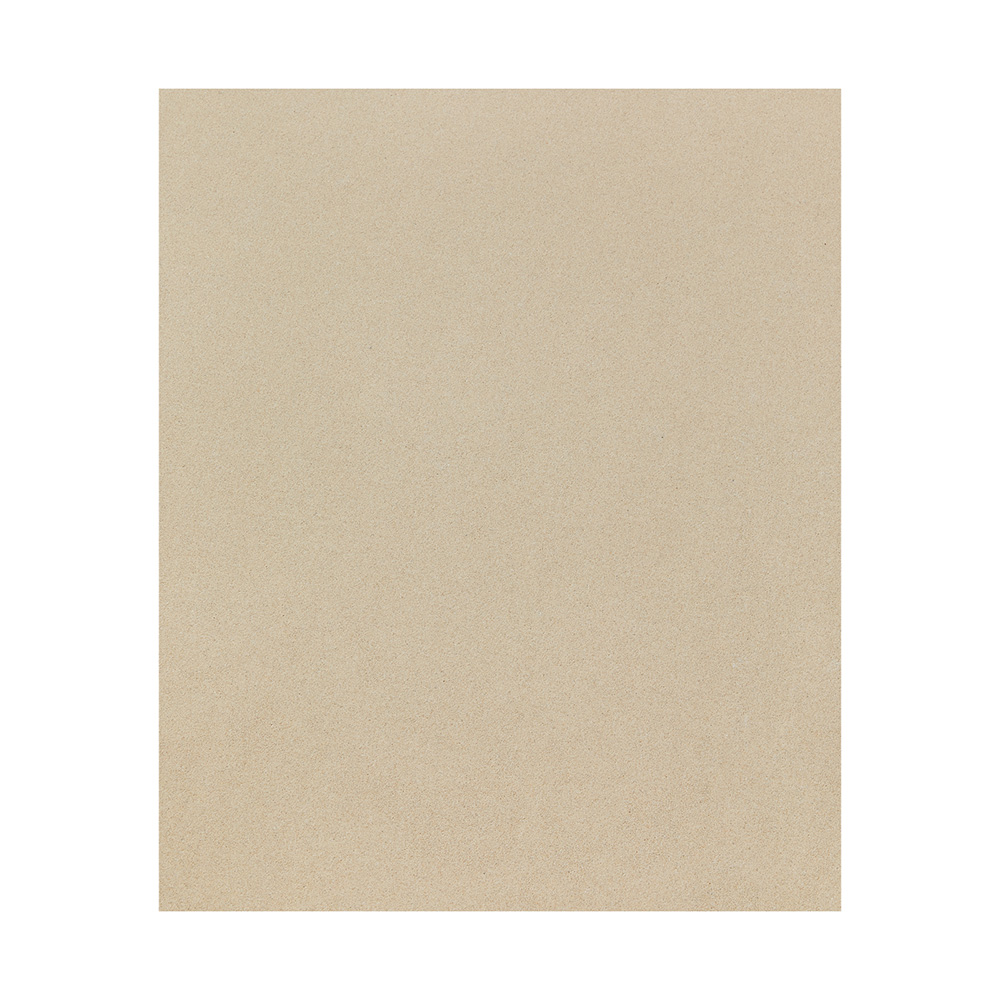
The product is manufactured from natural stone powder and quartz sand through a three-dimensional spray-molding process that produces the color from the minerals themselves, without pigment. This gives it the visual depth of natural travertine while keeping the sheet thin, flexible, and uniform. The result is a wall cladding material that can be applied to exterior facades, interior feature walls, columns, arches, and renovation surfaces with minimal structural reinforcement.
The core value of travertine flexible stone is that it removes the traditional trade-off between aesthetics and performance. You get the look of quarried travertine, but the panel behaves like a high-performance membrane. Here are the benefits that matter most on site.
In practice, these advantages translate into faster installation, fewer structural modifications, and a wider range of design possibilities than solid stone.
To understand where flexible travertine fits in a project, it is useful to compare it directly with natural travertine slabs or tiles. The table below summarizes the typical differences that influence material selection and cost.
| Aspect | Travertine Flexible Stone | Natural Travertine |
|---|---|---|
| Weight | 3-4 kg/m² | 20-40 kg/m² |
| Thickness | 2.5-3.3 mm | 10-20 mm |
| Bending capability | Can wrap small-radius curves | Limited, requires cutting |
| Substrate support | Minimal, works on flat/curved surfaces | Heavy anchors or structural backup needed |
| Installation speed | Fast with adhesive and cutter | Slow, requires wet saw and lifting |
| Safety in high-rise | Low falling risk | Higher risk without proper anchors |
| Appearance | Molded from natural stone powder | Natural quarried stone |
For most contemporary projects, flexible travertine offers a better balance of durability, safety, and design flexibility. It is especially valuable when the building structure cannot carry the dead load of natural stone.
Not all travertine flexible stone products are equal. The performance depends on raw materials, mold quality, and coating technology. When evaluating supplier samples, check these specifications first.
These values are not just engineering details; they determine whether the facade will look good and stay attached for decades.
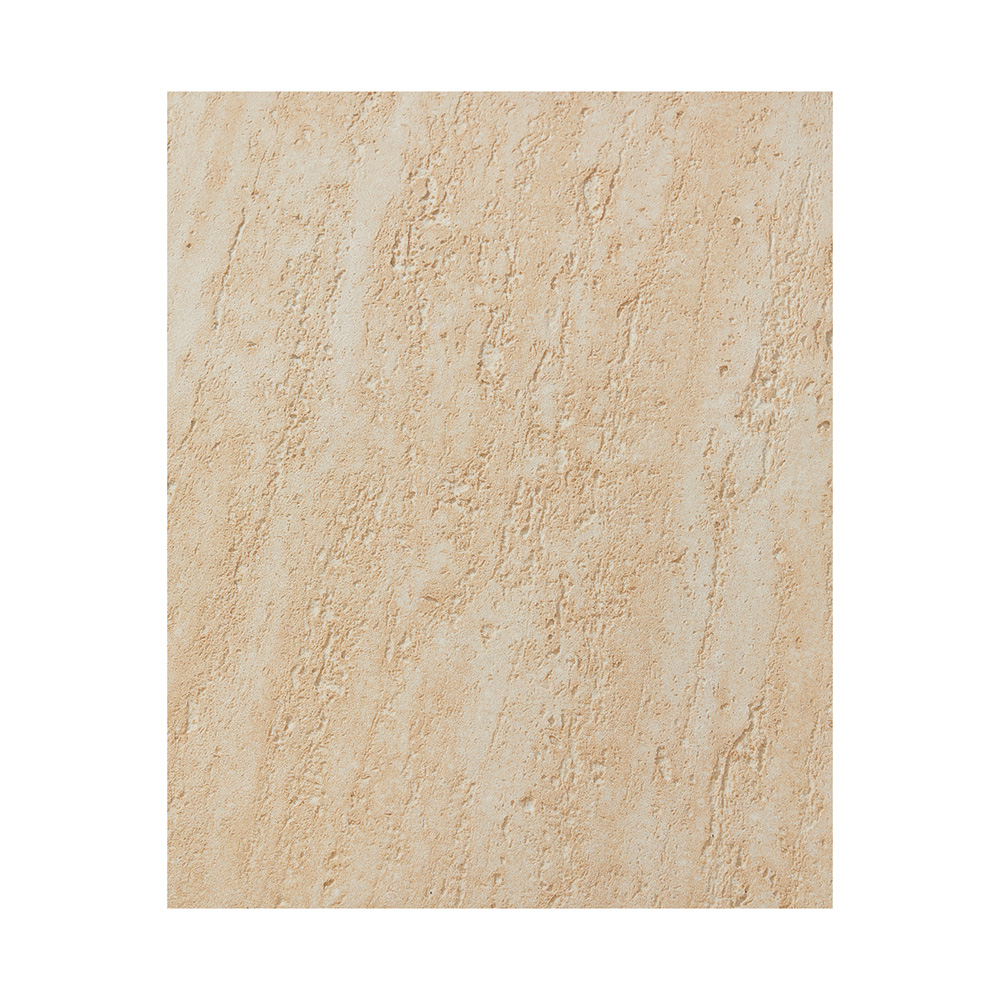 UV-Protected Travertine Flexible Stone Veneer for Interior and Exterior WallsThis ultra-thin, lightweight veneer combines natural stone appearance with a minimum bending radius under 100 mm, making it suitable for curved surfaces. Its double-layer mesh and UV protection support durable cladding on facades and renovation projects.View Product →
Travertine flexible stone is versatile enough for both new construction and renovation. It is used on exterior cladding, interior feature walls, entrance lobbies, office reception areas, and even curved elevator cores. Because it is so light, it is also a reliable option for cladding existing buildings that were not designed for stone weights.
Hotel and villa projects often use travertine texture in warm beige and ivory tones to create a resort feel. Schools and hospitals prefer fire-retardant and low-maintenance cladding that still looks natural. For public spaces such as community centers and underground garage ramps, the material's impact resistance and anti-falling properties make it a practical upgrade. If you need to see real-world context, the interior decoration case gallery shows how flexible stone performs in finished spaces.
For outdoor walls facing direct sunlight and rain, choose a product grade that is explicitly formulated for exterior use and has proven UV stability.
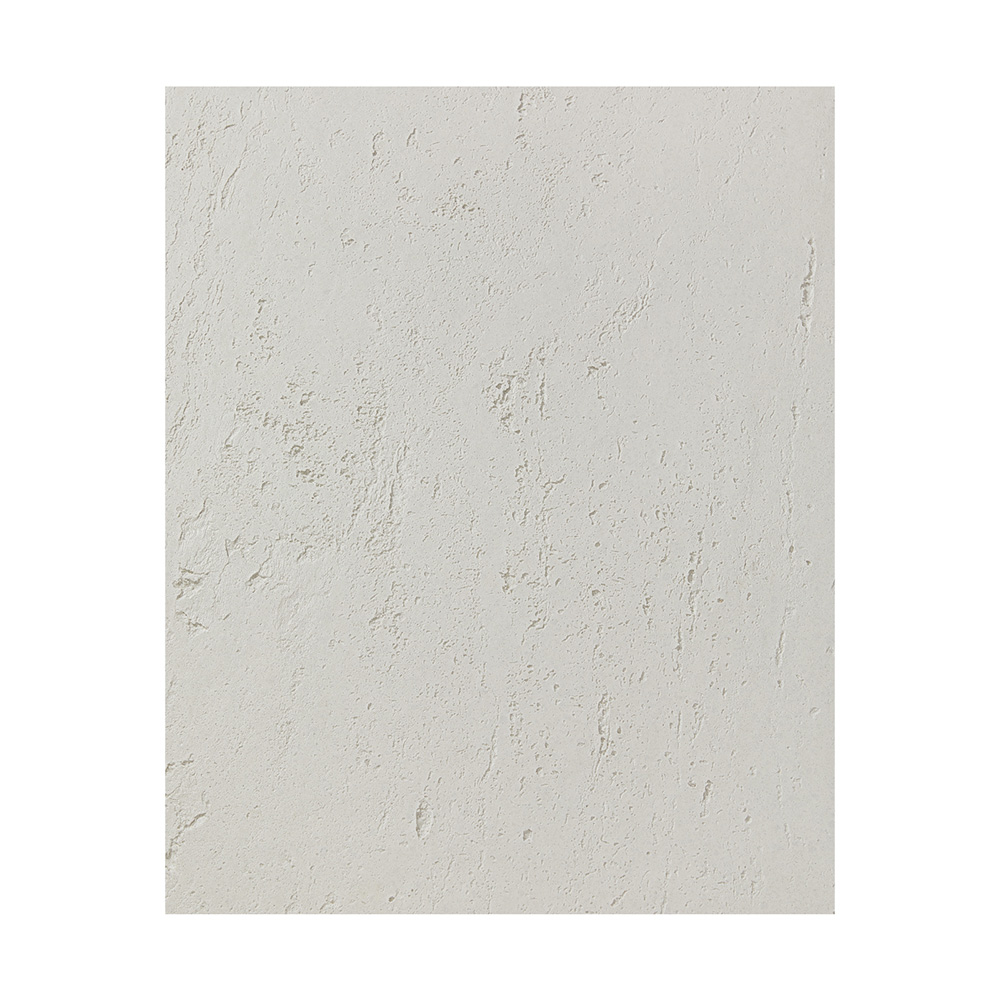 Fire-Rated Travertine Flexible Stone Veneer for Outdoor Wall CladdingEngineered for exterior use, this fireproof veneer reduces structural load at just 3–4 kg/m² while bending to under 100 mm radius. It suits curved and irregular walls, with reinforced mesh for stability in demanding climates.View Product →
Installation follows a similar workflow to high-quality wallcovering or large-format tile. The substrate must be flat, clean, and primed. Use a polymer-modified adhesive recommended by the manufacturer, and apply it with a notched trowel to achieve full coverage.
A complete step-by-step process is covered in the 7-step flexible stone veneer installation guide, which also addresses common issues like corner wrapping and seam alignment.
Quality consistency matters more in flexible stone than in many other cladding materials. Because it is factory-made, variations in raw material and press settings can affect color, thickness, and adhesion. Working with a manufacturer that has controlled production is the safest route.
Hangzhou Justone New Material Co., Ltd. is a national high-tech enterprise that started flexible stone research in 2011 and developed its own molding lines by 2015. The company makes travertine flexible stone under the Justone brand and provides documentation for UV resistance, fire performance, waterproofing, and tropical-climate installations. Their product range includes travertine panels for hotel and villa walls, exterior facades, and interior decorative walls. If waterproofing is a priority for your project, ask for the specifically treated grade.
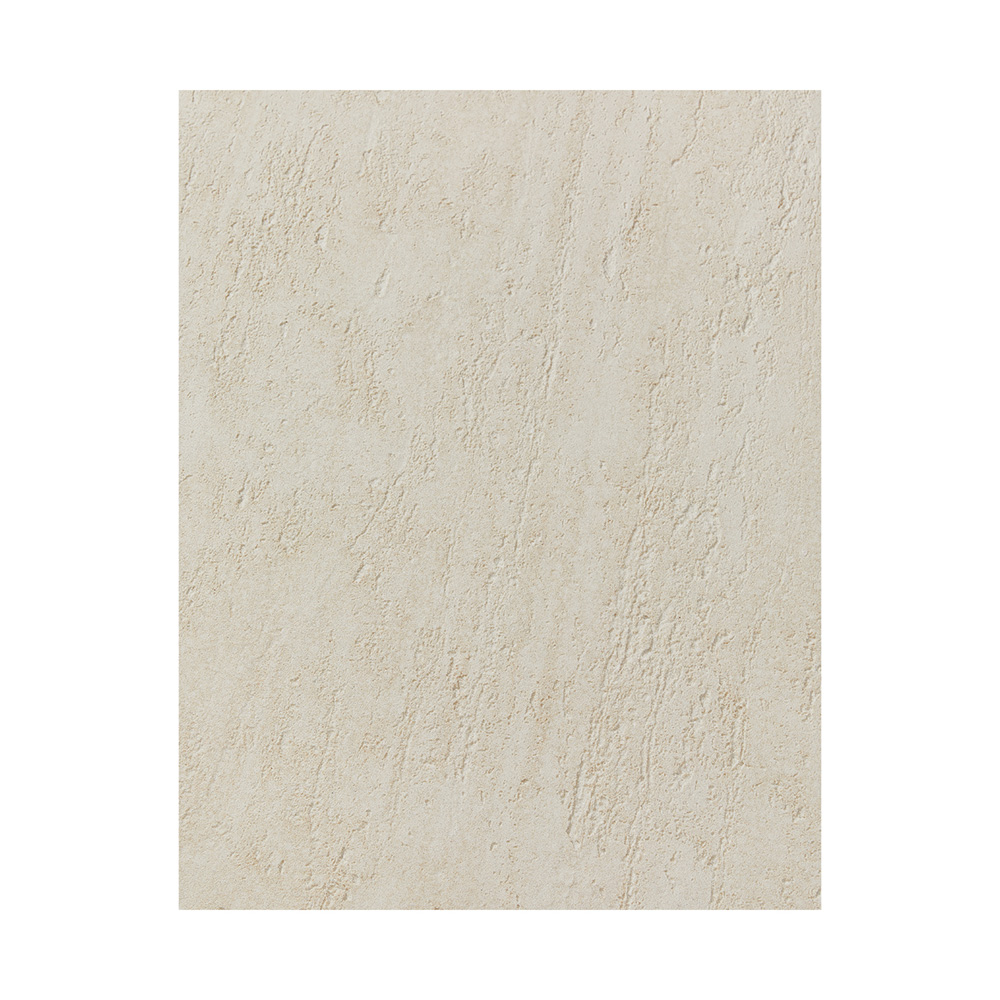 Waterproof Travertine Flexible Stone Panel for Exterior Building FacadesThis panel offers waterproofing alongside flexibility, with a 2.7 mm thickness and weight of only 3–4 kg/m². It adapts to curved or irregular surfaces, easing installation and transport for facade projects where moisture resistance matters.View Product →
A reliable supplier will provide product samples, installation guidance, and clear technical parameters before you commit to a large order. This level of support greatly reduces the risk of on-site problems.
Travertine flexible stone is more than a lightweight alternative to natural stone. It solves the real problems that come up during construction: weight, safety, curve geometry, and installation speed. By combining mineral-rich texture with a bendable backing, it gives you the visual authority of travertine in a panel that works with modern building systems. The key is to verify specifications, test samples, and choose a manufacturer with proven production experience. When you do, your walls get the timeless look of stone and the performance your structure deserves.
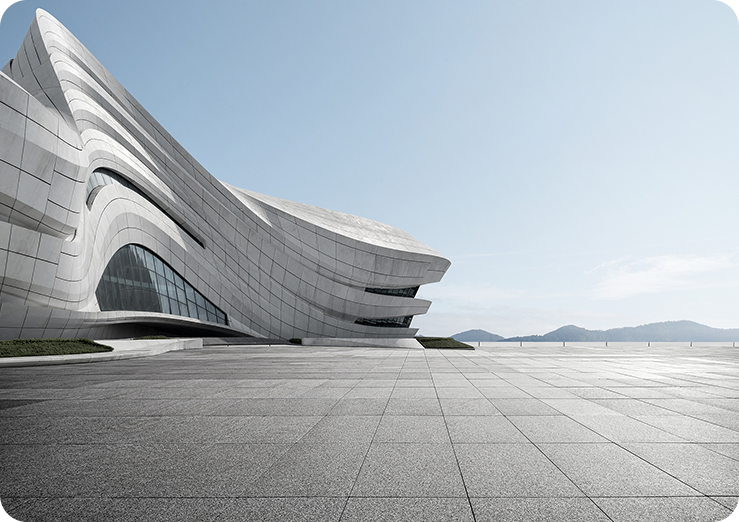

Justone is Thin Flexible Stone Veneer Sheet Supplier in China.The company takes innovation-driven development as its core, regards promoting the progress of the industry as its responsibility, deeply engages in the chemical composite building materials track, and demonstrates its professional expertise in this field.



 English
 Français
 Español
 Português
 عربى
عربى