

Content
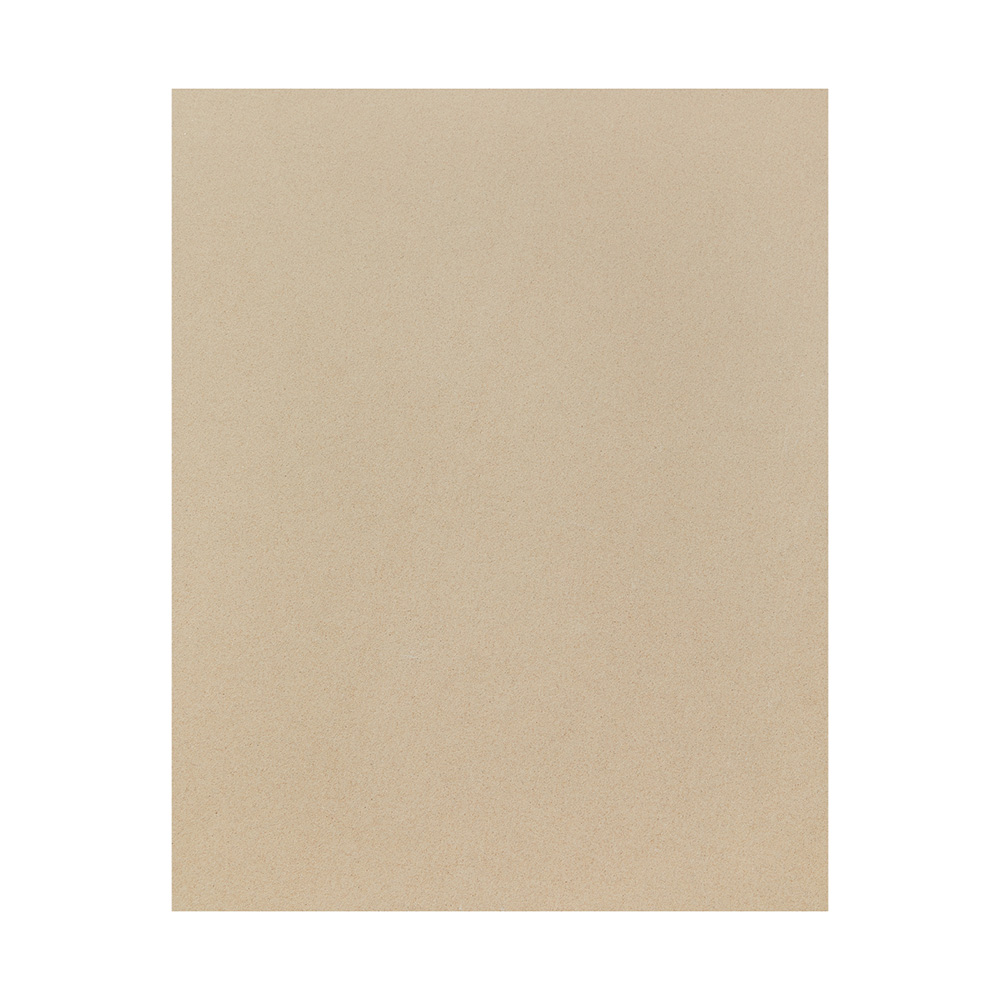
A resort owner wanted a twelve-meter welcome wall in real rammed earth. The quotes came back with custom formwork, soil testing for every batch, and a six-week compaction window — before anyone discussed how the wall would survive a season of monsoon rain. That project, like many, ended up specified differently: a rammed earth flexible stone veneer that reproduces the horizontal strata and warm mineral texture of compacted earth on a sheet roughly 3 mm thick.
The short version: if your project needs the rammed earth look on a conventional structure, budget, or schedule, the flexible veneer is the practical route. Poured rammed earth is a craft-built technique with its own engineering demands; the veneer is a wall finish any competent tiling crew can install. The sections below cover where the two diverge, how the texture is actually produced, and what to verify before ordering.
Rammed earth is genuinely ancient construction: soil, gravel, and stabilizer compacted in layers inside formwork. The result is beautiful, but the process carries constraints that surprise first-time specifiers.
None of this makes rammed earth a bad material. It makes it a site-built, craft-dependent system — and that is precisely the gap a factory-made veneer fills.
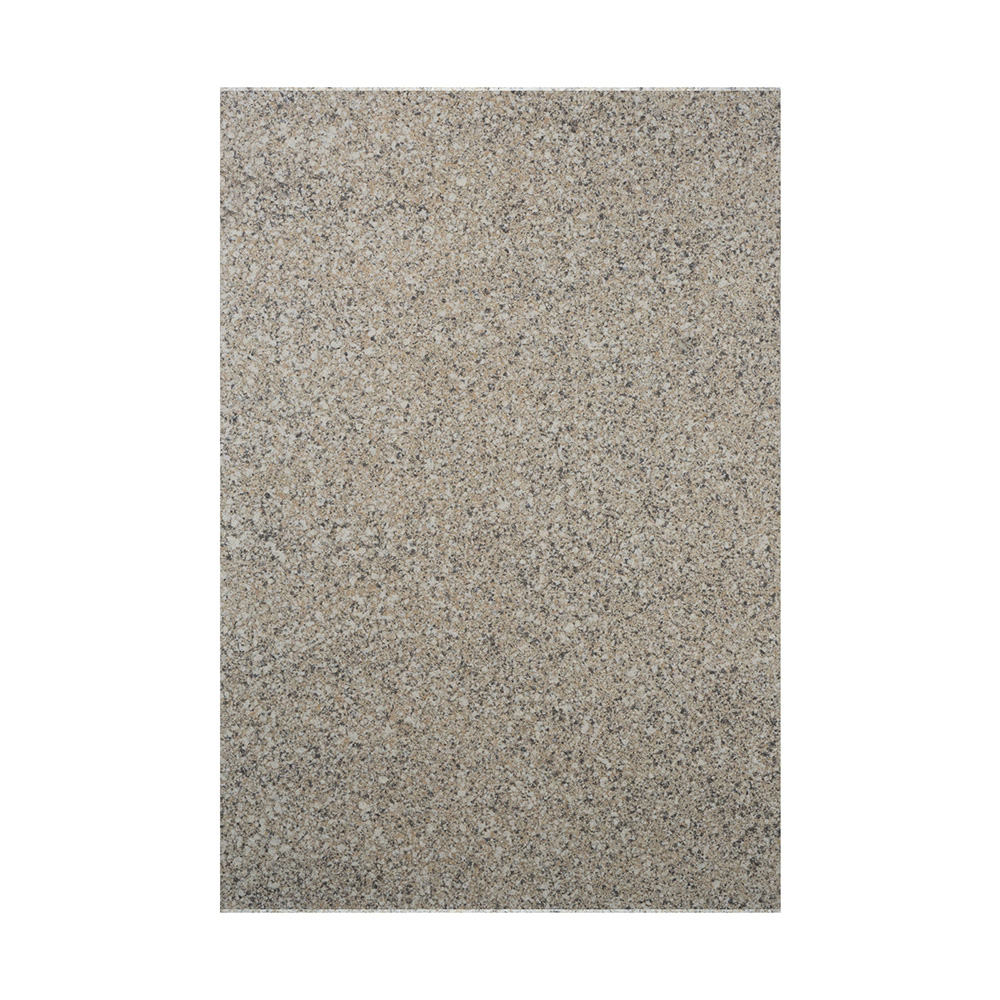
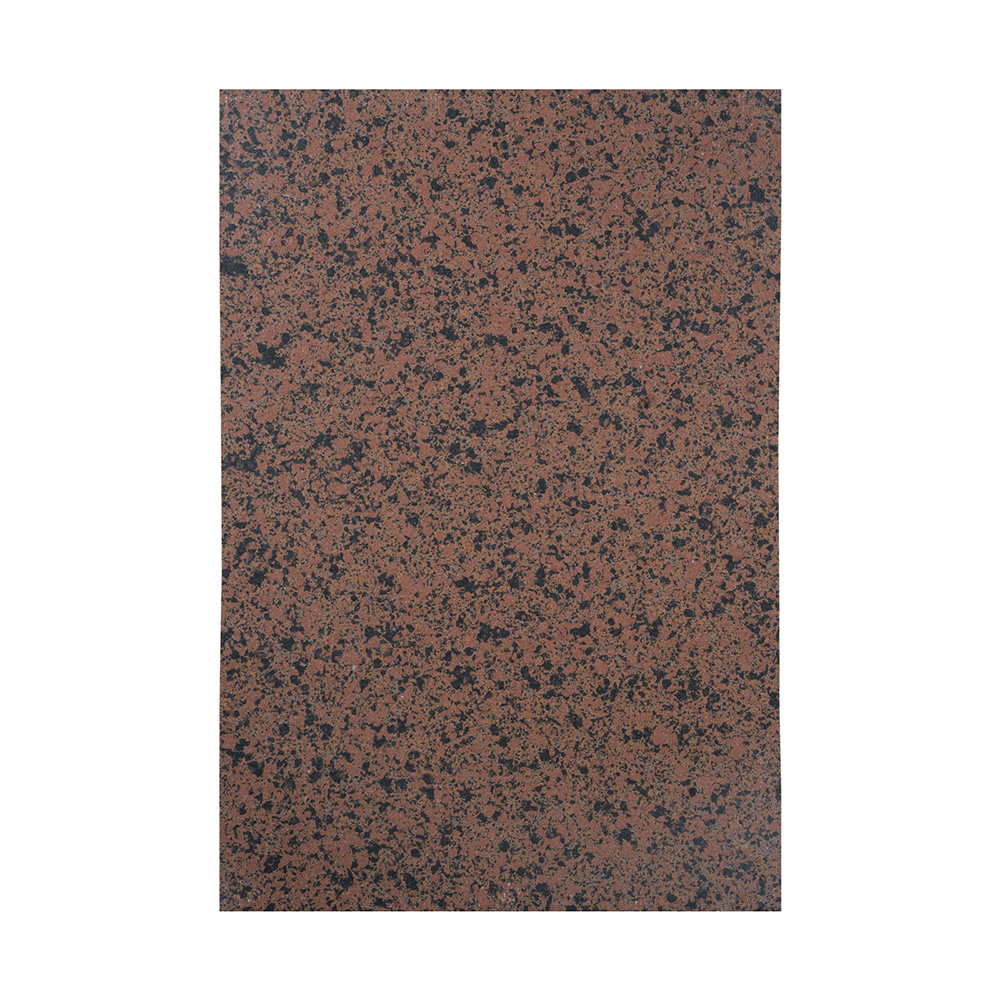
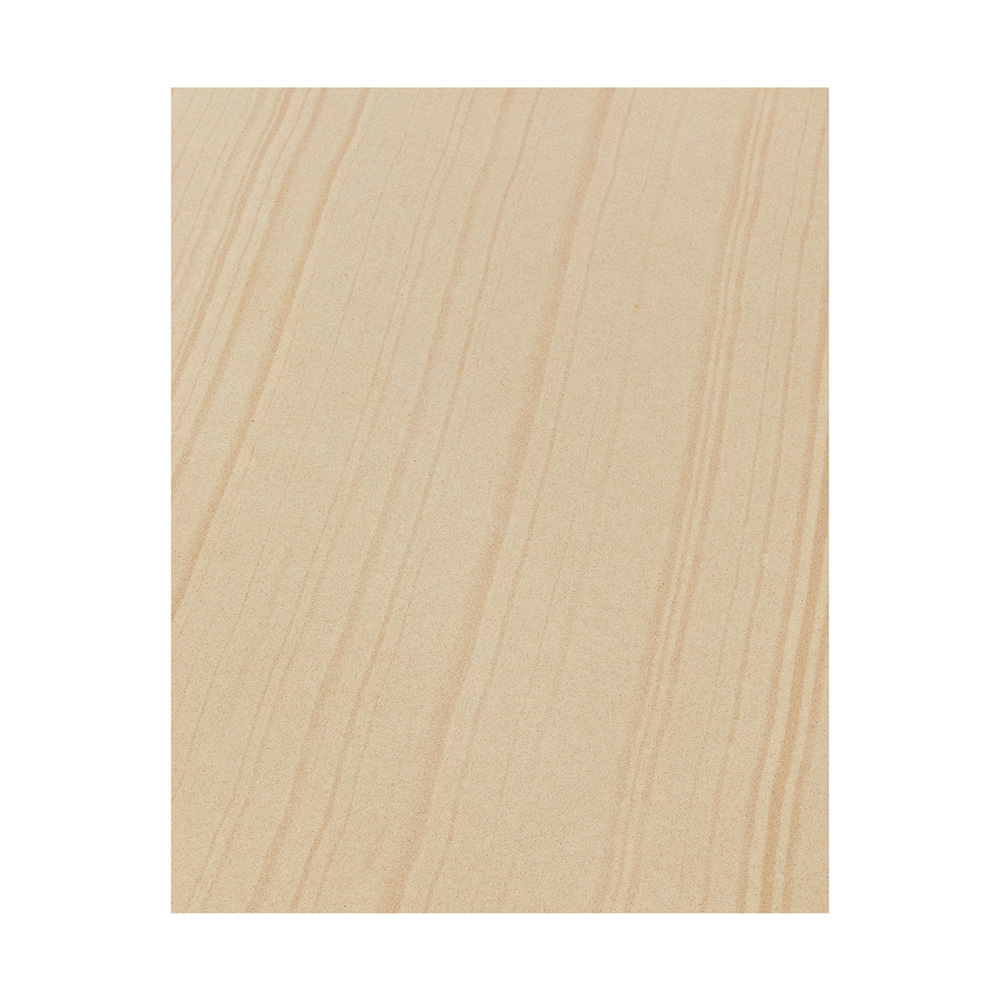
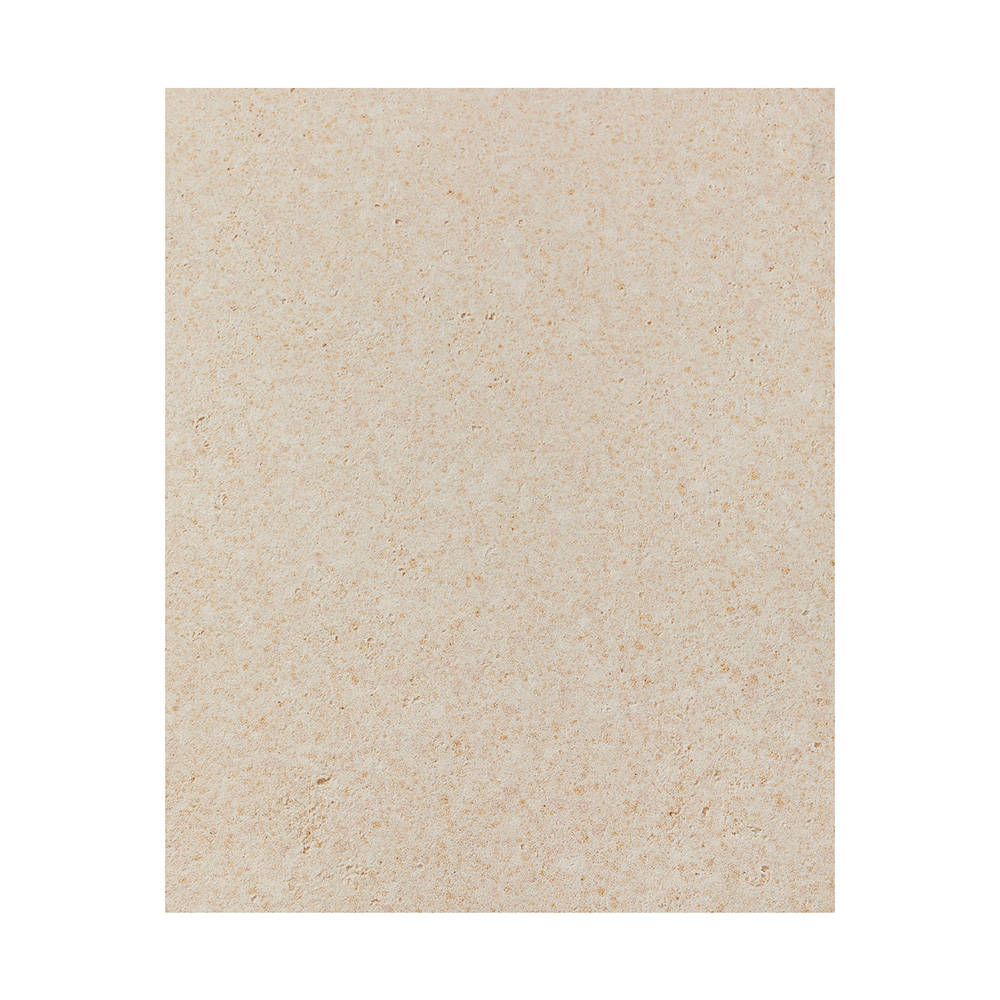
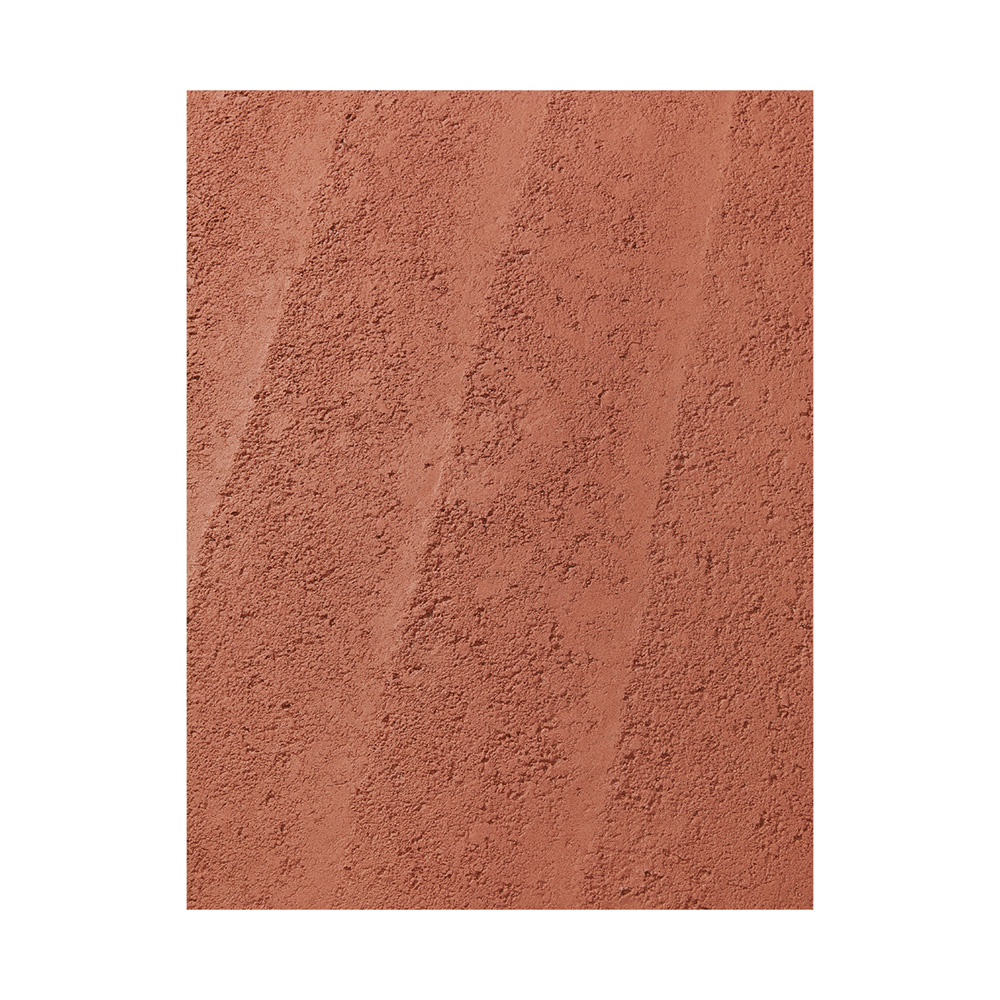
The question every architect asks first: can a 3 mm sheet really pass for compacted soil? The answer lies in how the surface is made. Justone's production starts with natural stone powder and quartz sand — not pigment slurries — and uses a 3D spray-casting process that forms the textured face in a single pass on an automated line. Color comes from the sand itself, which is why the strata read as mineral bands rather than printed graphics: light hits actual grain, not ink.
Simplified cross-section of the banded strata effect — irregular mineral layers alternating in tone, the pattern compacted earth leaves behind.
Three practical consequences follow from this production method:
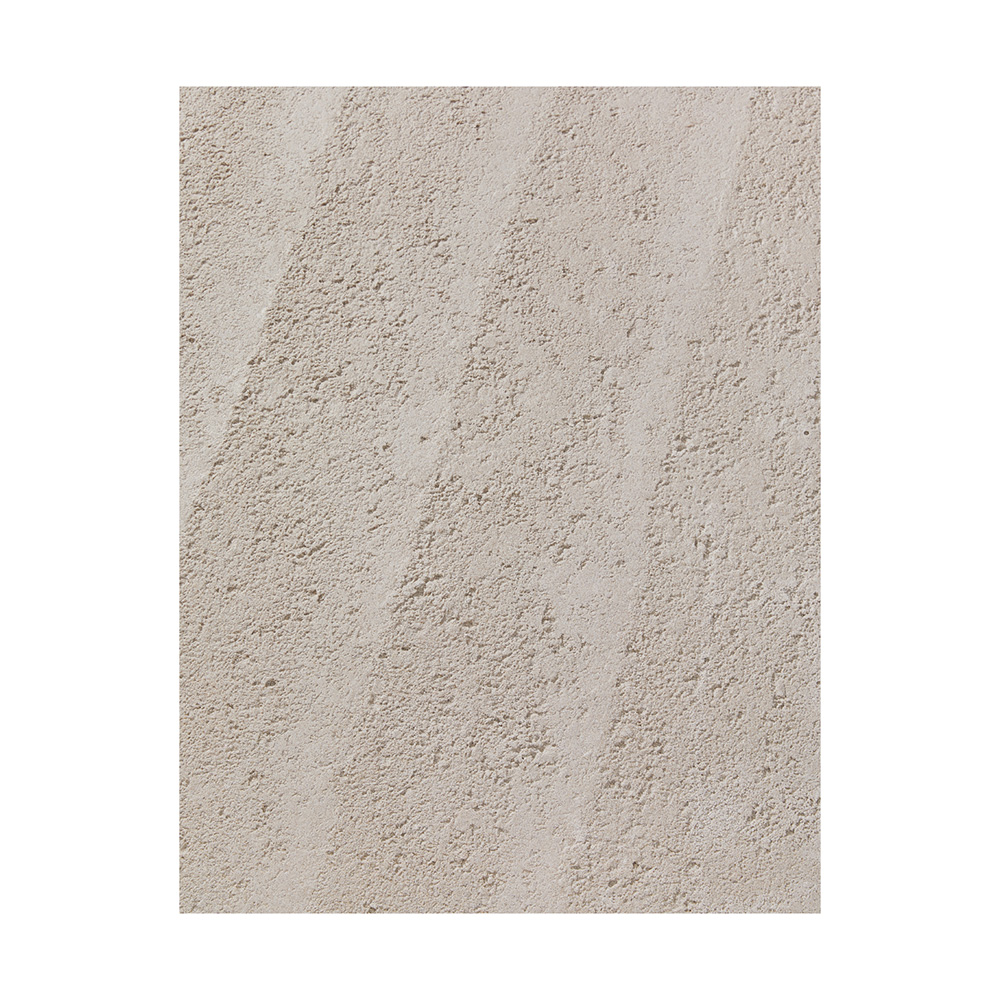 Eco-Friendly Durable Rammed Earth Flexible Stone PanelsUltra-thin 2.7mm panels weighing 3-4kg/m2 with natural quartz sand texture and a bending radius under 100mm, making them practical for curved interior and exterior surfaces.View Product →
Procurement teams usually need the trade-offs on one page. The table below summarizes where the two approaches differ in ways that affect budget, schedule, and long-term maintenance.
| Factor | Poured Rammed Earth | Flexible Stone Veneer |
|---|---|---|
| Thickness | 300-450 mm wall | About 3 mm sheet |
| Weight | Hundreds of kg per m² | Roughly 3-4 kg per m² |
| Cracking risk | Drying shrinkage cracks possible | No drying shrinkage; flexible |
| Rain exposure | Erodes if unstabilized | Waterproof, weatherproof surface |
| Fire behavior | Non-combustible mineral mass | Fire-prevention rated panel |
| Structure required | Engineered footings, thick walls | Installs over standard walls |
| Schedule | Weeks of formwork and compaction | Adhesive fixing, comparable to tiling |
| Color control | Depends on site soil and crew | Controlled by quartz sand formulation |
Two rows deserve emphasis for exterior work. Weight is the safety argument: at roughly 3-4 kg per square meter, the veneer removes the falling-hazard calculation that governs heavy cladding on high-rise facades. Waterproofing is the durability argument — the protection traditional rammed earth struggles to offer on exposed elevations is built into the panel itself.
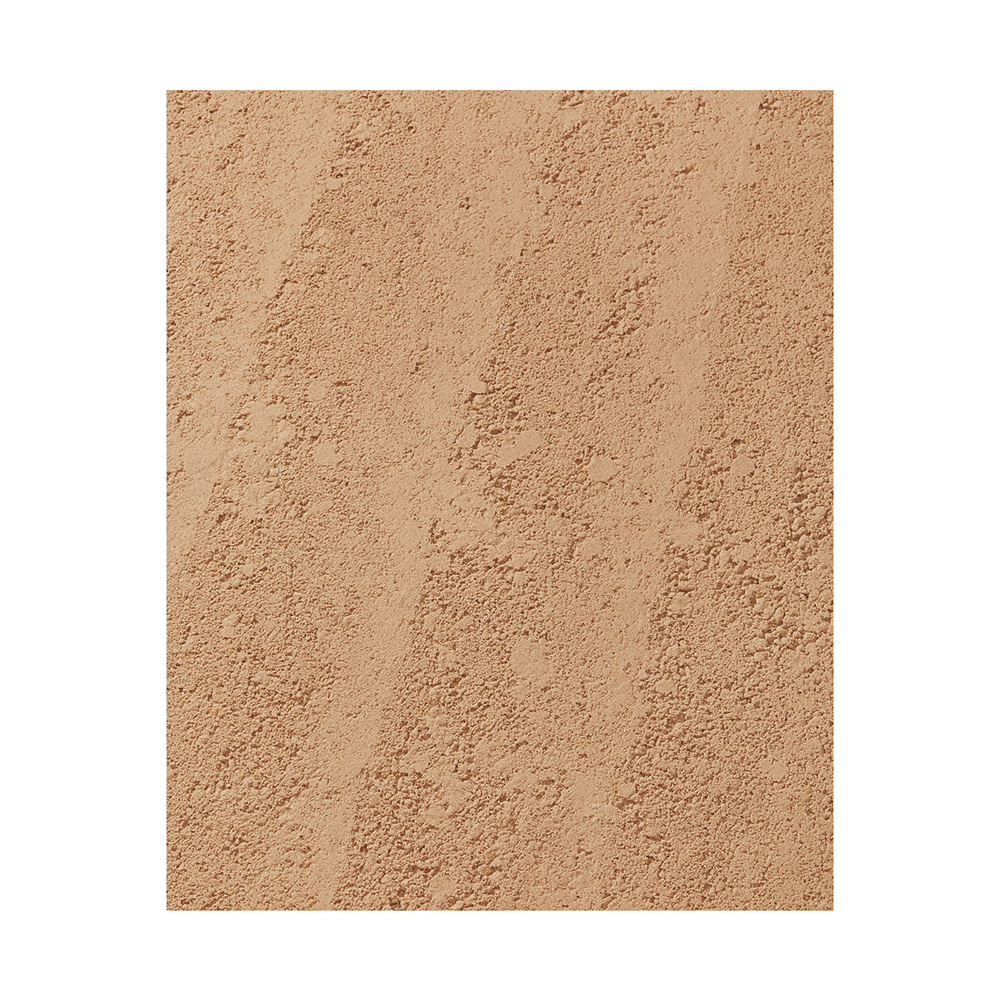 Waterproof Fire Prevention Rammed Earth Flexible Stone VeneerWith waterproof and fire-resistant performance at only 3-4kg per square meter, this veneer addresses the safety and durability concerns raised for exposed exterior elevations.View Product →
On hotels, resorts, community buildings, and villas, the veneer gives street-facing elevations an earthy depth that paint and flat panels cannot match. Because the panels are UV-resistant and weatherproof, they hold tone in high-irradiance climates such as the Middle East, and their moisture resistance suits the humid, tropical regions where porous earthen walls would deteriorate within a few seasons.
Lobbies, restaurants, and showrooms use the strata as a warm backdrop behind reception desks and seating areas. Sheets bend around curved partitions, and at a few millimeters thick they detail cleanly against glass, metal, and timber.
This is where the material quietly wins the most work. Old-town regeneration and vernacular-style projects want the memory of earth construction without demolishing sound walls, and a lightweight overlay keeps the structure untouched. Justone's published case portfolio includes a 16,000-square-meter old-town renovation along with industrial-park retrofits — exactly the project types where finish weight, construction dust, and schedule dominate the specification decision.
 Indoor and Outdoor Decorative Rammed Earth Flexible Stone VeneerStain-resistant, easy-to-clean veneer in customized colors, suited to renovation projects where lightweight overlay, minimal dust, and low maintenance matter most.View Product →
Flexible stone is straightforward to buy once you know which variables matter. Before approving a purchase order, run through this list with your supplier:
For a deeper walkthrough of how the ancient aesthetic is achieved without ancient construction methods, the dedicated guide to rammed earth flexible stone covers texture formation and application choices in more detail.
Rammed earth flexible stone is not a compromise version of poured rammed earth — it is a different tool aimed at a different problem. When the brief calls for the visual weight and warmth of compacted earth on a building that has conventional walls, budgets, and deadlines, the veneer delivers the strata, the mineral texture, and the tonal depth at roughly 3 mm of thickness, with waterproofing and fire performance included rather than negotiated on site.
Justone has produced flexible stone since 2013, when a hospital project served as the system's first full-process validation, and moved from laboratory production to an automated forming line by 2015. For procurement teams, that history translates into a simple advantage: a factory that controls formulation, tooling, and output in-house, and can support the batch consistency that large rammed earth elevations demand. Request samples, check them against your elevation drawings under real daylight, and order from a single production run — that is the shortest path from this texture to a finished wall.

Justone is Thin Flexible Stone Veneer Sheet Supplier in China.The company takes innovation-driven development as its core, regards promoting the progress of the industry as its responsibility, deeply engages in the chemical composite building materials track, and demonstrates its professional expertise in this field.



 English
 Français
 Español
 Português
 عربى
عربى