

Content
A 16,000 sqm old-town renovation and a 6,000 sqm factory dormitory refurbishment have almost nothing in common on paper, yet both came down to the same detail: whether the granite pattern on the wall would still read as a deliberate design from 40 metres away. Wide-groove granite sheets answer that question differently from every other granite finish, because the joint pattern is cast into the sheet instead of cut into a slab.
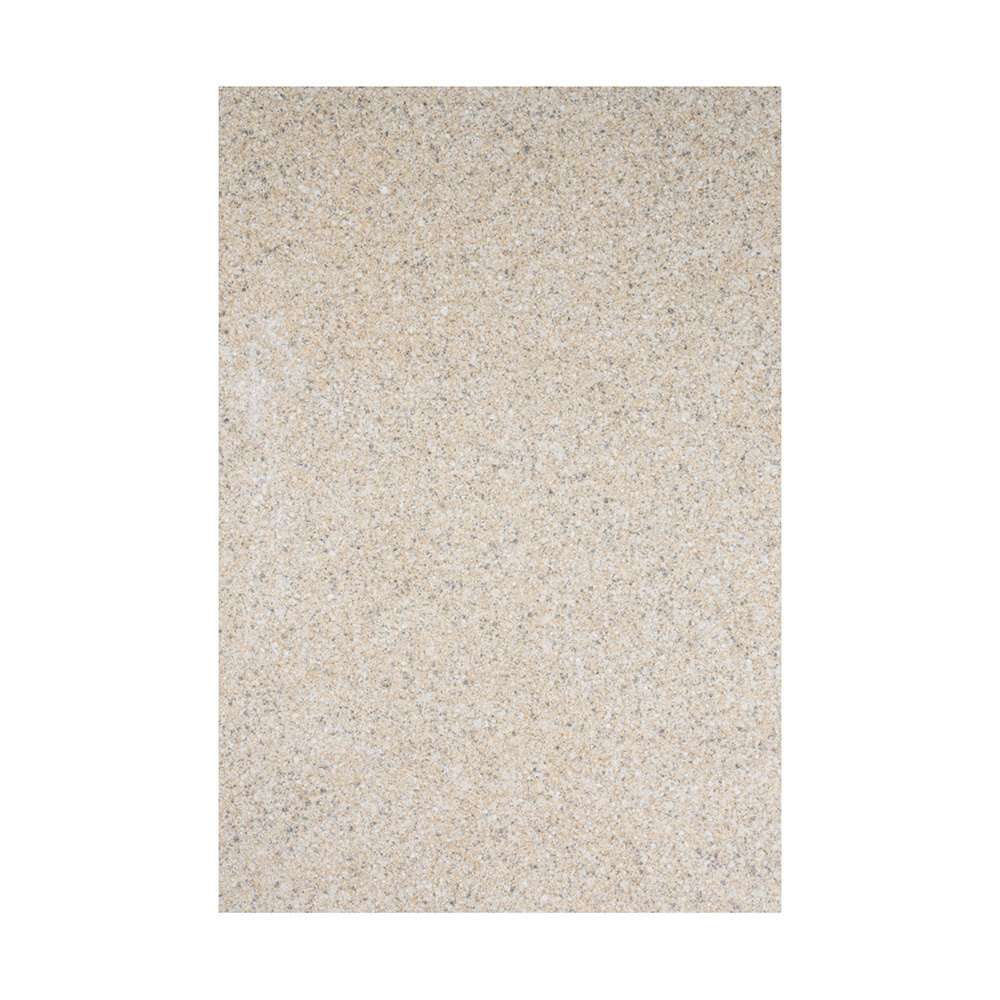
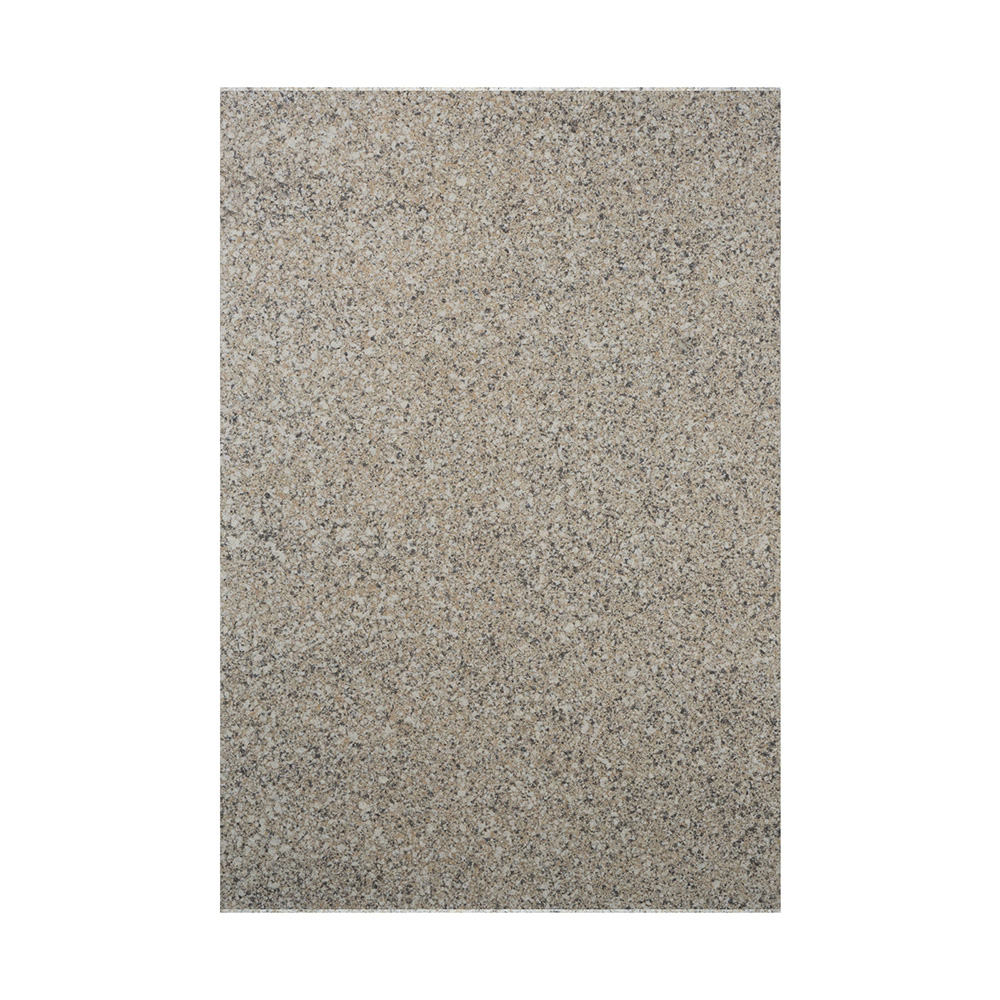
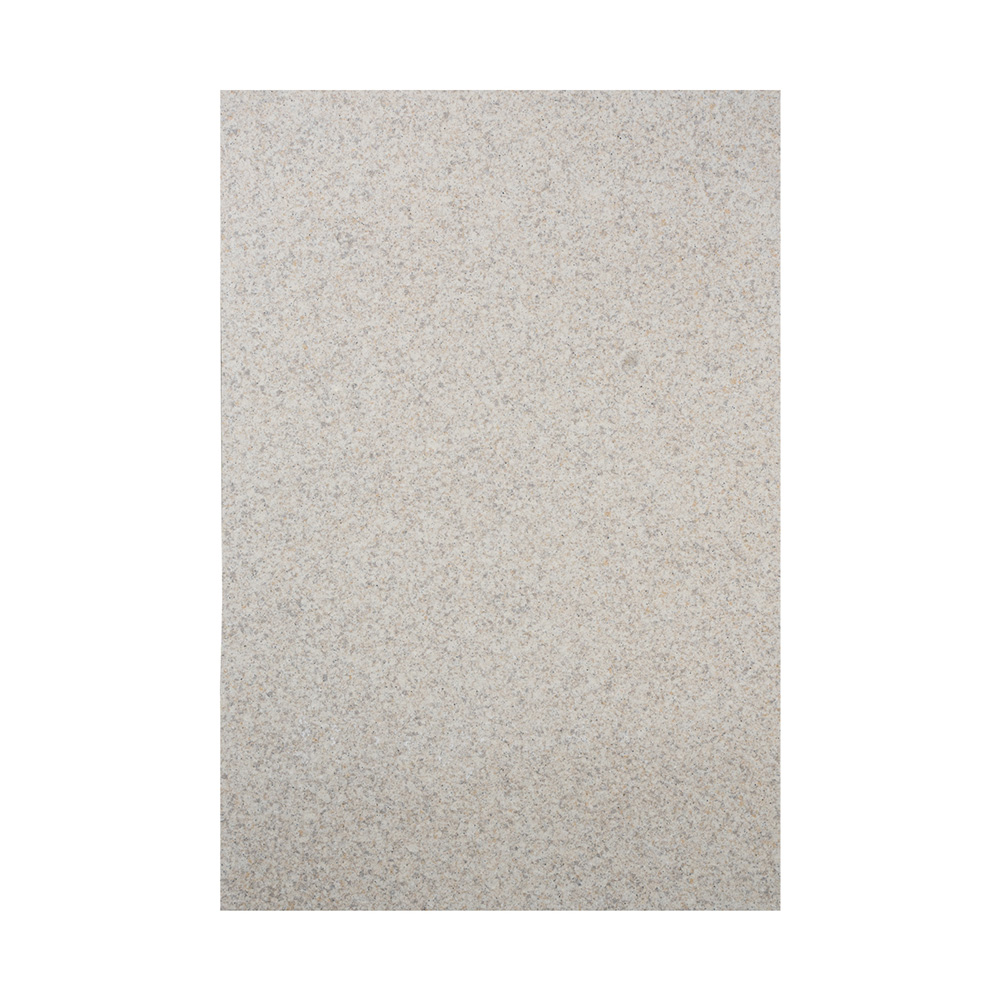
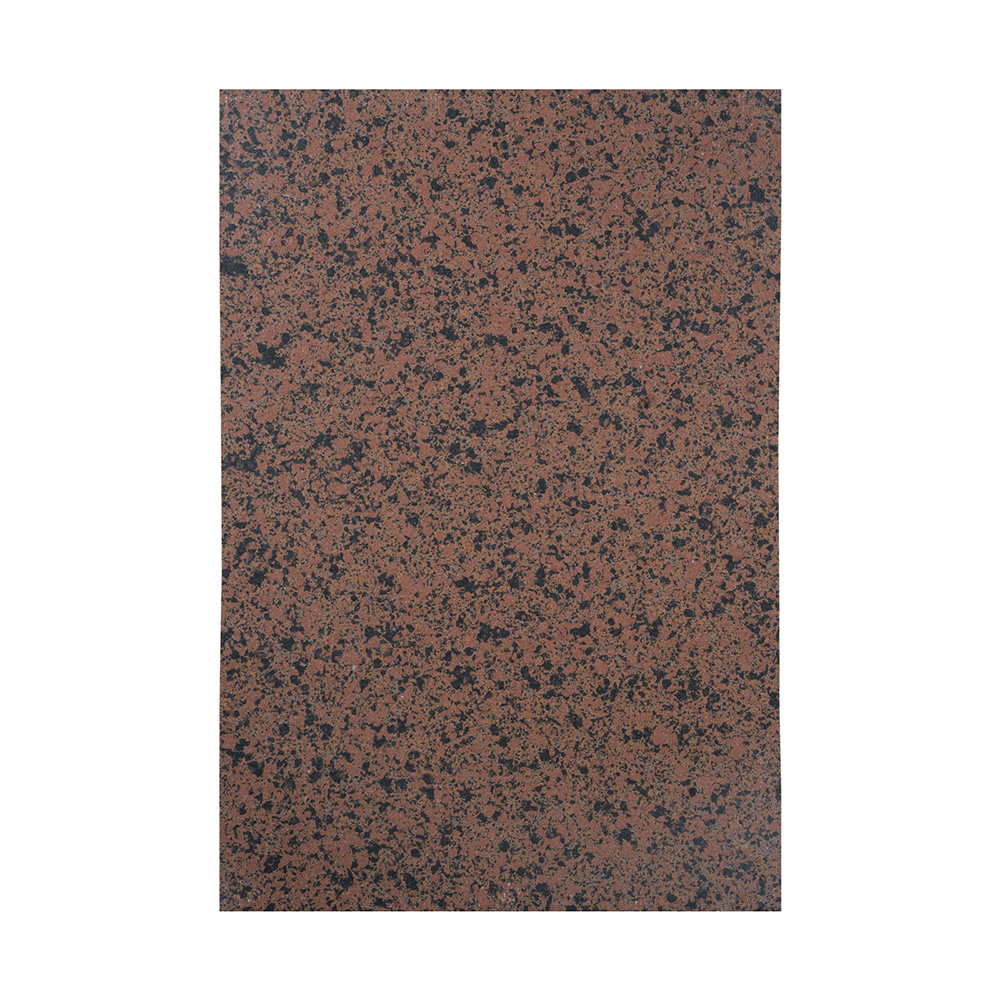
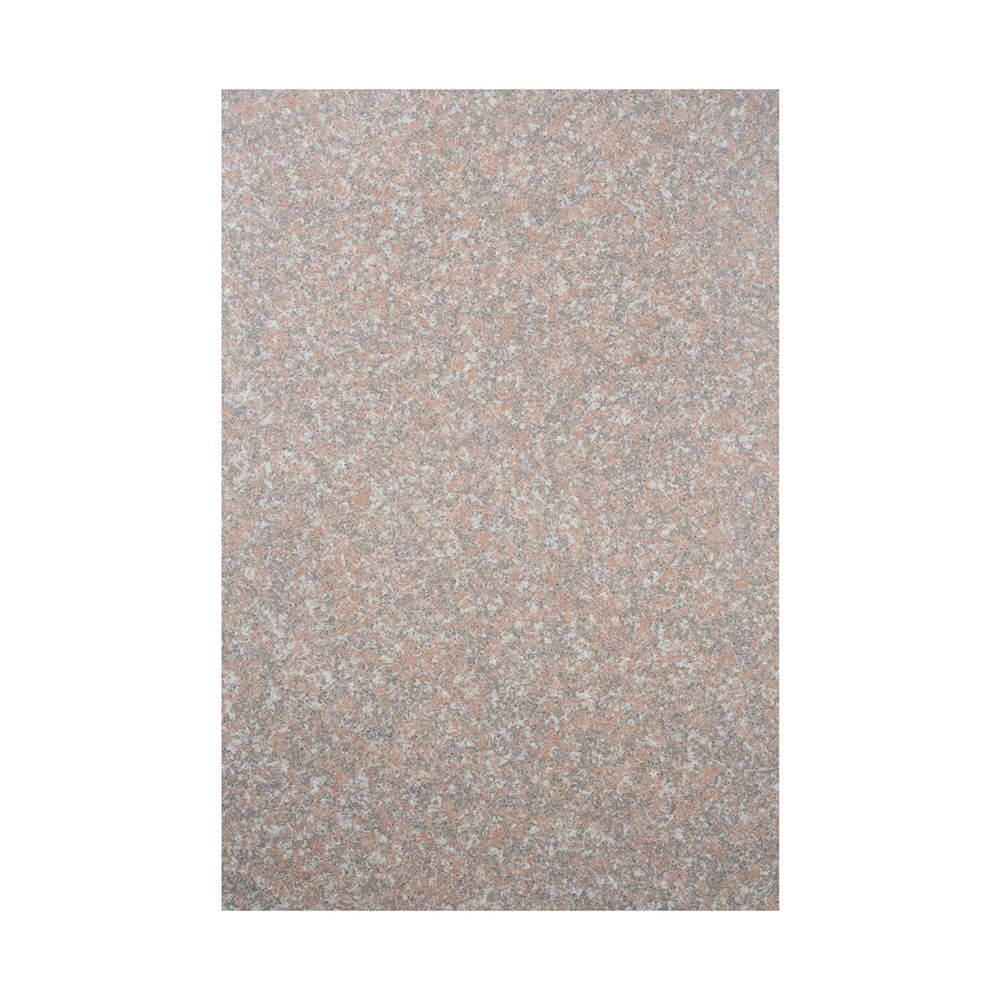
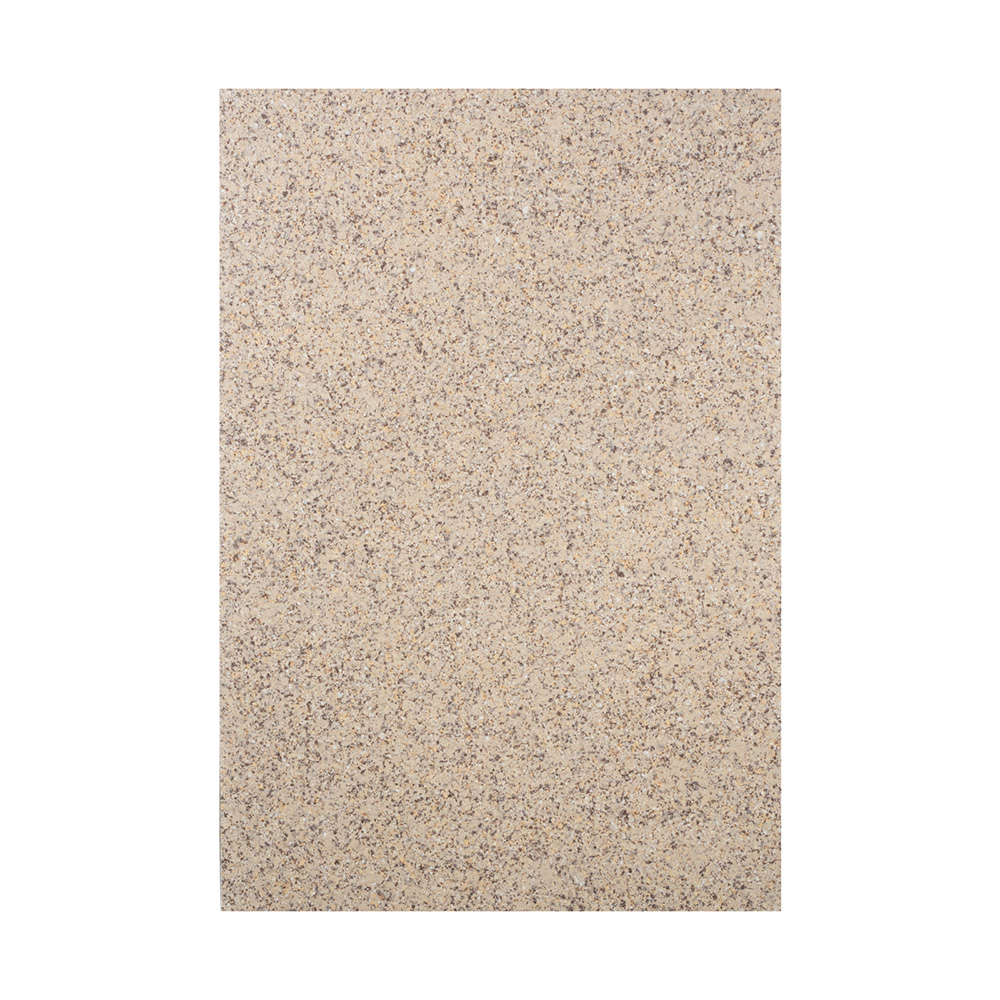
Wide Grooves Granite Flexible Stone is a flexible mineral veneer with a broad granite groove pattern moulded into its surface, supplied as thin bendable sheets rather than rigid slabs.
The sheet body is built from natural stone powder and quartz sand. Panels run 2.5 to 3.3 mm thick and weigh 3 to 4 kg per square metre, and they are supplied in 600-900 mm formats for interior and exterior walls. Colour comes from the mineral aggregate rather than added pigment, which matters on facades in high-UV regions where pigment-based surfaces drift first.
Choose wide grooves when the elevation should read as a repeating pattern of strong joints, and thin grooves when the same wall should read as one continuous field of stone.
Both come off the same flexible sheet platform, so the difference is visual and is settled at design stage. Solid granite stays the reference point for the raw material, but its weight and fixing depth change what is possible above ground level.
| Attribute | Wide grooves flexible granite | Thin grooves flexible granite | Solid granite slab |
| Visual rhythm | Broad, shadow-heavy joints | Fine lines close to a sawn face | Cut or honed at the quarry |
| Sheet weight | 3-4 kg per sqm | 3-4 kg per sqm | About 55 kg per sqm at 20 mm |
| Thickness | 2.5-3.3 mm | 2.5-3.3 mm | 20 mm and above |
| Supplied form | 600-900 mm flexible sheets | 600-900 mm flexible sheets | Rigid slabs |
| Best fit | Facades, high-rise bands, feature walls | Large calm interior and exterior fields | Ground-level cladding with structural support |
| Main risk to check | Mould consistency between batches | Loss of relief at viewing distance | Weight, fixing depth, fall hazard |
A practical note on how the narrower pattern behaves at scale is set out in this thin-groove granite facade comparison.
The two numbers that decide whether a granite facade is feasible at all are 2.5 to 3.3 mm and 3 to 4 kg per square metre, because together they set the load that the substrate and fixing system must carry.
The manufacturer lists this range as waterproof and moisture-proof, fire retardant, UV resistant, weather resistant, anti-cracking, anti-falling and scratch resistant. In tropical or high-UV markets the useful reading is simple: the surface layer is mineral, so the colour is not the part that fails first. Outdoor variants are specified by sheet format and surface pattern, and waterproof wide-groove options for exterior walls are grouped for exactly that use.
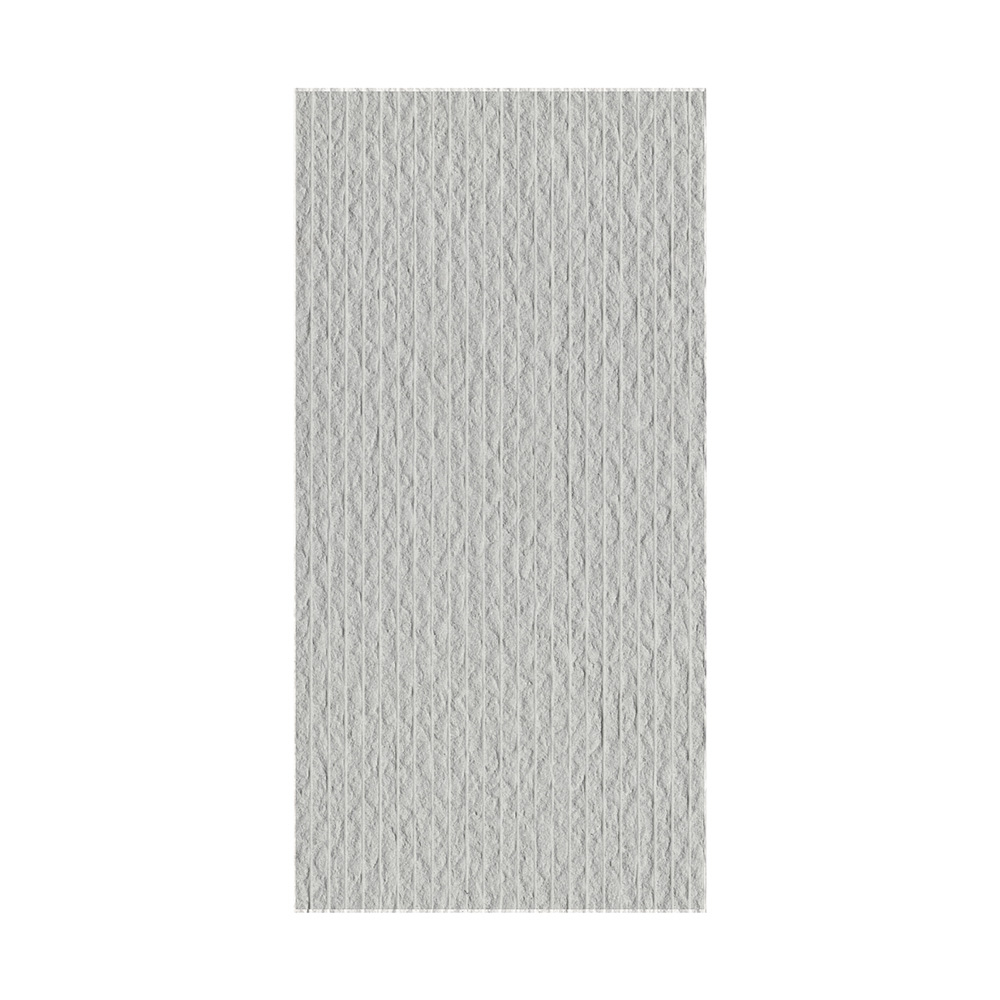 Waterproof Wide Grooves Granite Flexible Stone Veneer for OutdoorThis innovative stone veneer boasts an ultra-thin profile, measuring just 2.7mm±10%, and an exceptionally light weight of only 3–4kg/m2. It is available in standard si...View Product →
It suits projects where a large repeating granite pattern must cover a lot of wall without adding structural load: commercial facades, high-rise bands, hospitality and retail interiors, occupied-building renovation, and humid or high-UV climates.
Project references on the manufacturer's commercial building case studies run from industrial parks and factory dormitory refurbishment to a 16,000 sqm old-town renovation and a school campus. Wide-groove panels for wall design are the version normally chosen where the pattern itself is the feature.
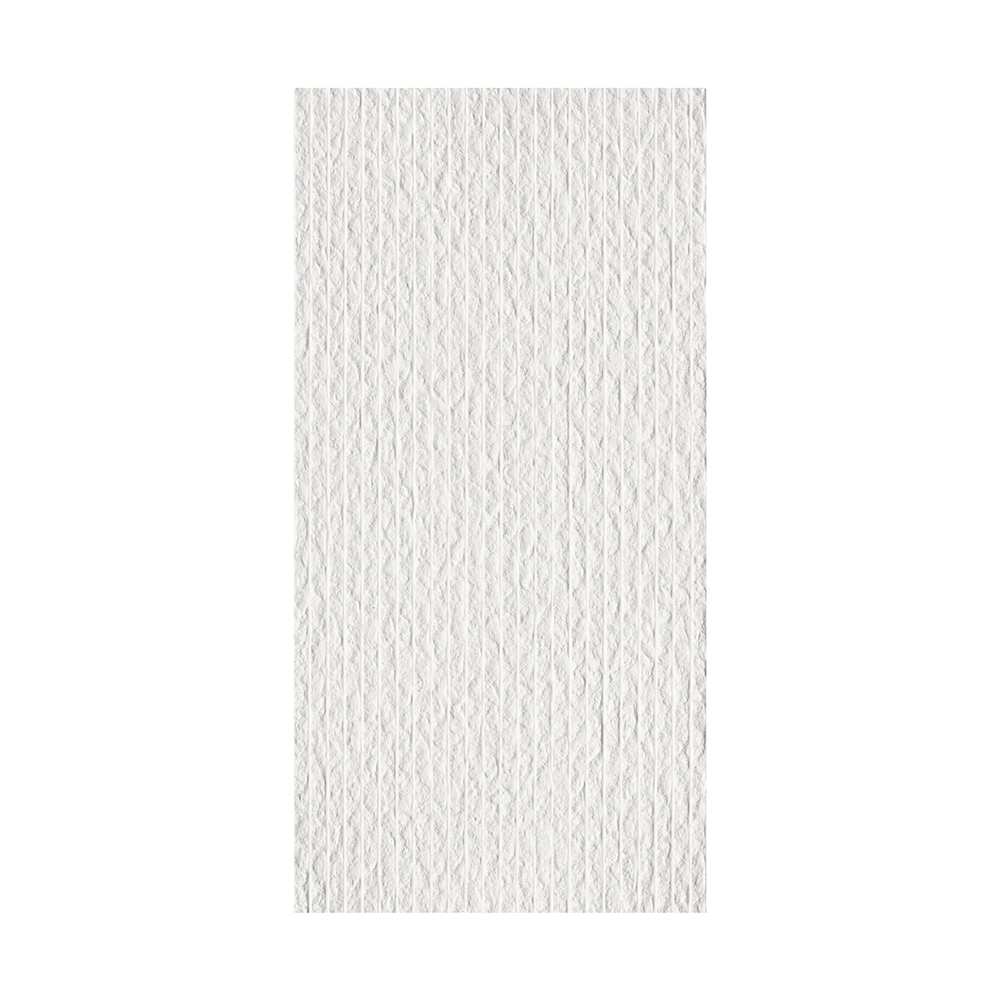 Wide Grooves Granite Flexible Stone Veneer for Wall DesignThis veneer is engineered for versatility, offering superior performance for both Internal and External Walls in diverse settings, including Schools, Houses, and Hospi...View Product →
Five items decide whether a wide-groove order arrives usable: mould reference, batch consistency, size and thickness tolerance, fire and UV documentation, and the origin of the surface colour.
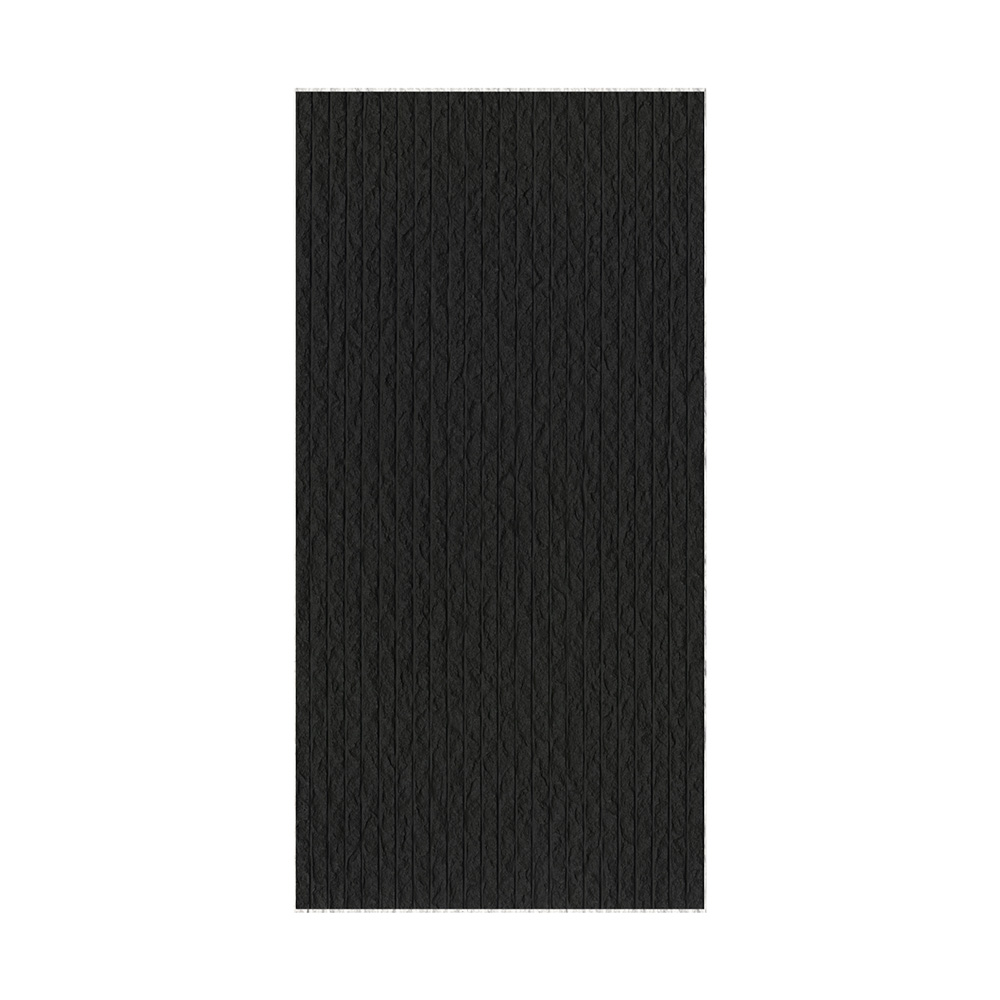 Fire-Retardant Wide Grooves Granite Flexible Stone Wall TilesThis product is defined by its exceptional slenderness and light weight, measuring an incredibly thin 2.7mm±10% and weighing a mere 3−4kg/m2. This significant weight r...View Product →
The wide-groove range comes from a manufacturer whose entire output has been flexible stone since research began in 2011, and whose first complete project validation was a hospital installation produced by hand in the laboratory.
Laboratory established and flexible stone research begins.
Company registered, experimental factory built, 3,000 sqm produced by hand in the laboratory.
Xinchang People's Hospital completes the first full-process validation, and the simulated granite flexible stone patent application is filed.
First forming production line commissioned and trial production started.
No. It reproduces a granite surface using natural stone powder and quartz sand pressed in a mould, so no quarry slab is involved. The result is a mineral surface with granite grain and a groove pattern that a cutting saw could not repeat economically.
A wide-groove flexible sheet weighs 3 to 4 kg per square metre at 2.5 to 3.3 mm thick. Solid granite at 20 mm weighs roughly 55 kg per square metre, so the flexible version is around one fifteenth of the load for the same visible surface.
Yes, and that is where specification matters most. Waterproof and moisture-proof exterior variants are available, UV and weather resistance are listed for the range, and the mineral surface layer means fading is driven by the binder rather than by pigment breakdown.
Confirm the mould ID, the production batch per elevation, the 600-900 mm sheet format, the 2.5-3.3 mm thickness band, the fire-retardant and UV documentation, and whether the colour comes from quartz sand aggregate rather than added pigment.


Justone is Thin Flexible Stone Veneer Sheet Supplier in China.The company takes innovation-driven development as its core, regards promoting the progress of the industry as its responsibility, deeply engages in the chemical composite building materials track, and demonstrates its professional expertise in this field.



 English
 Français
 Español
 Português
 عربى
عربى