

Content
Rammed earth flexible stone answers the question that stalls so many earth-toned projects: how do you get the warm, horizontal strata of a hand-compacted clay wall without the formwork, the compaction crews and the weeks of drying that real rammed earth demands? You bond a flexible sheet, a few millimeters thick, to the wall. The lift lines, the mineral grain and the earthy color live in the panel itself, the weight drops from several hundred kilograms per square meter to a few, and installation turns from a specialist earthworks job into a job for a competent tiling crew.
A genuine rammed earth wall starts with damp soil — clay, coarse sand, often a little lime — compacted layer by layer inside formwork with heavy tampers until every air pocket is driven out. Built by a skilled team, it is one of the most characterful wall systems in construction. Built on a tight programme by an untrained crew, it is one of the easiest to get wrong. That gap between the two outcomes is where the flexible version earns its place on a specification.
Traditional rammed earth is a structural building method, not a wall finish. Each wall rises in compacted lifts: soil goes into the formwork, is moistened to the right consistency, rammed until dense, and left to set before the next lift goes on. A two-storey facade can hold formwork and crews busy for weeks, and the pool of contractors who can execute it well is small almost everywhere.
Three practical risks follow. First, cracking: if the soil mix or the curing is off, shrinkage cracks open as the wall dries. Second, color drift: every lift and every soil batch reads slightly differently, which is either a design feature or a defect depending on what the client was promised. Third, water: unprotected earth erodes, so deep overhangs and protected plinths must be designed in from day one. Underneath all of it sits the weight — a 300 mm rammed earth wall weighs several hundred kilograms per square meter, which means engineered foundations and rules out reskinning an existing building with the real thing.
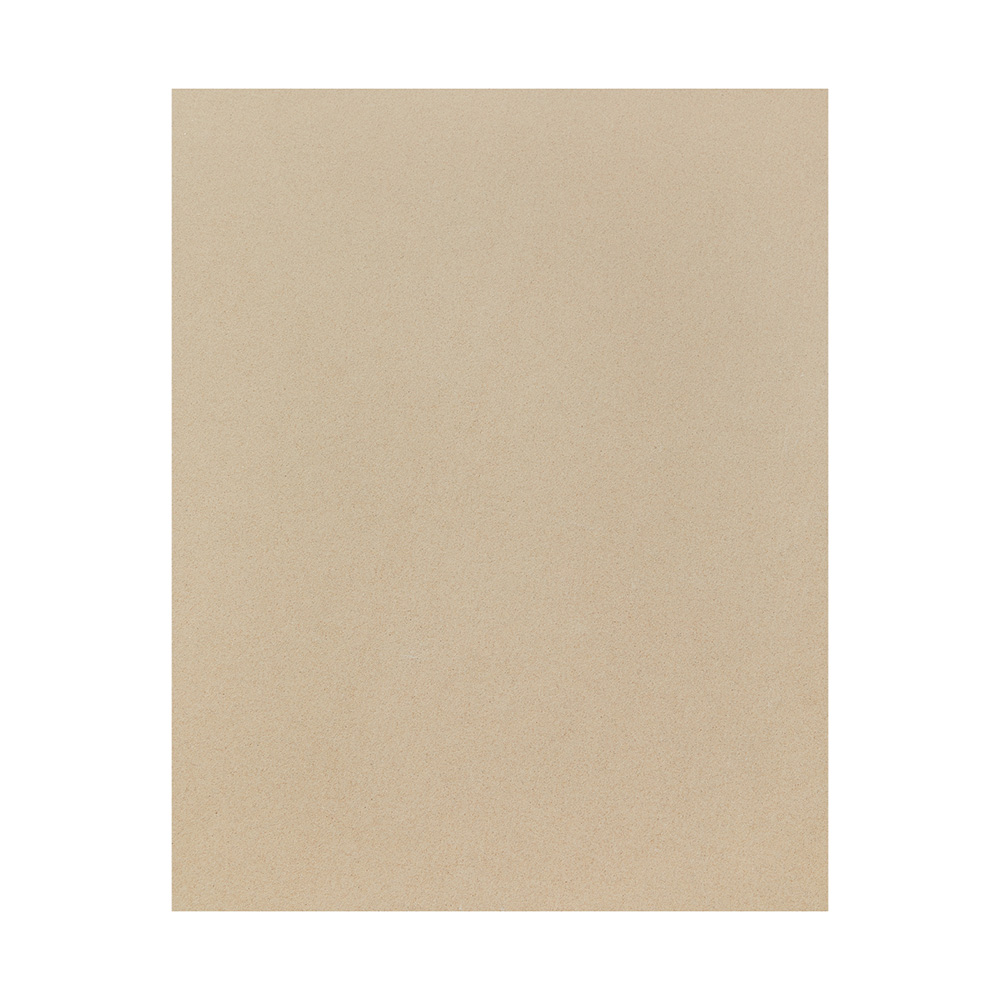
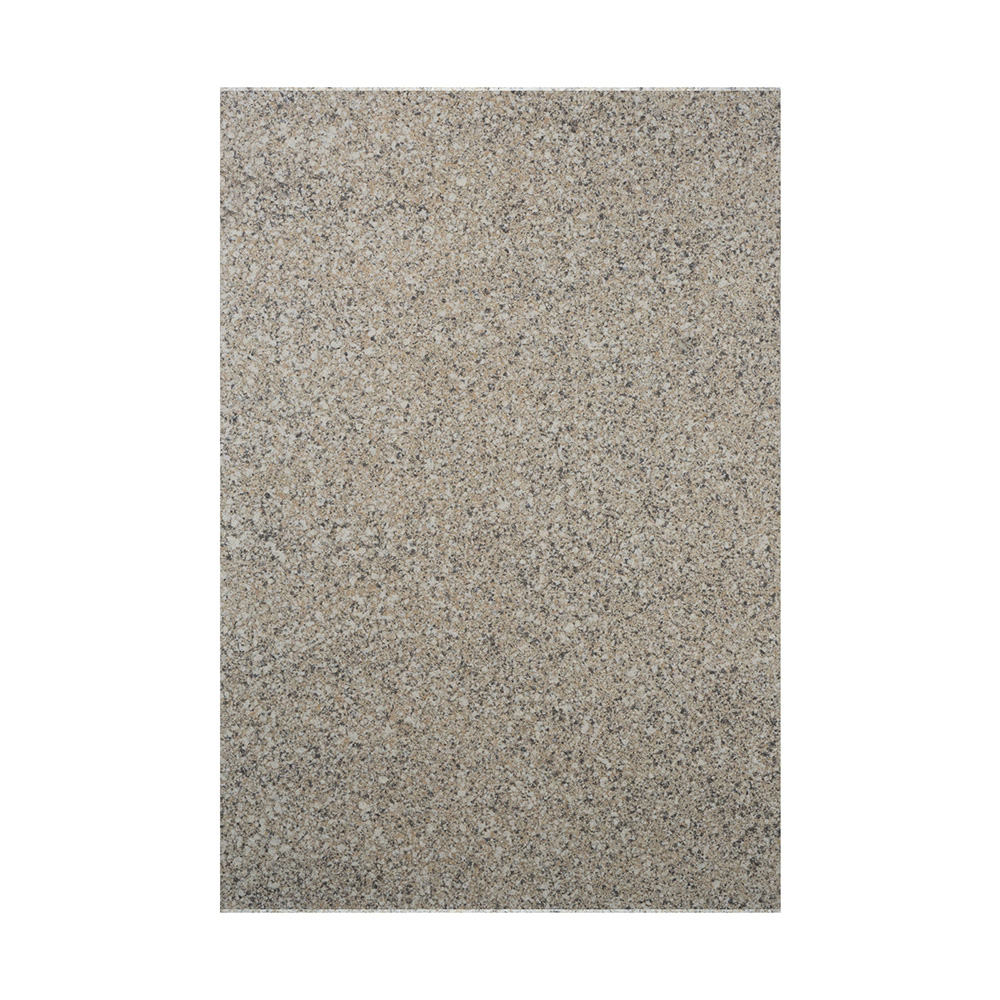
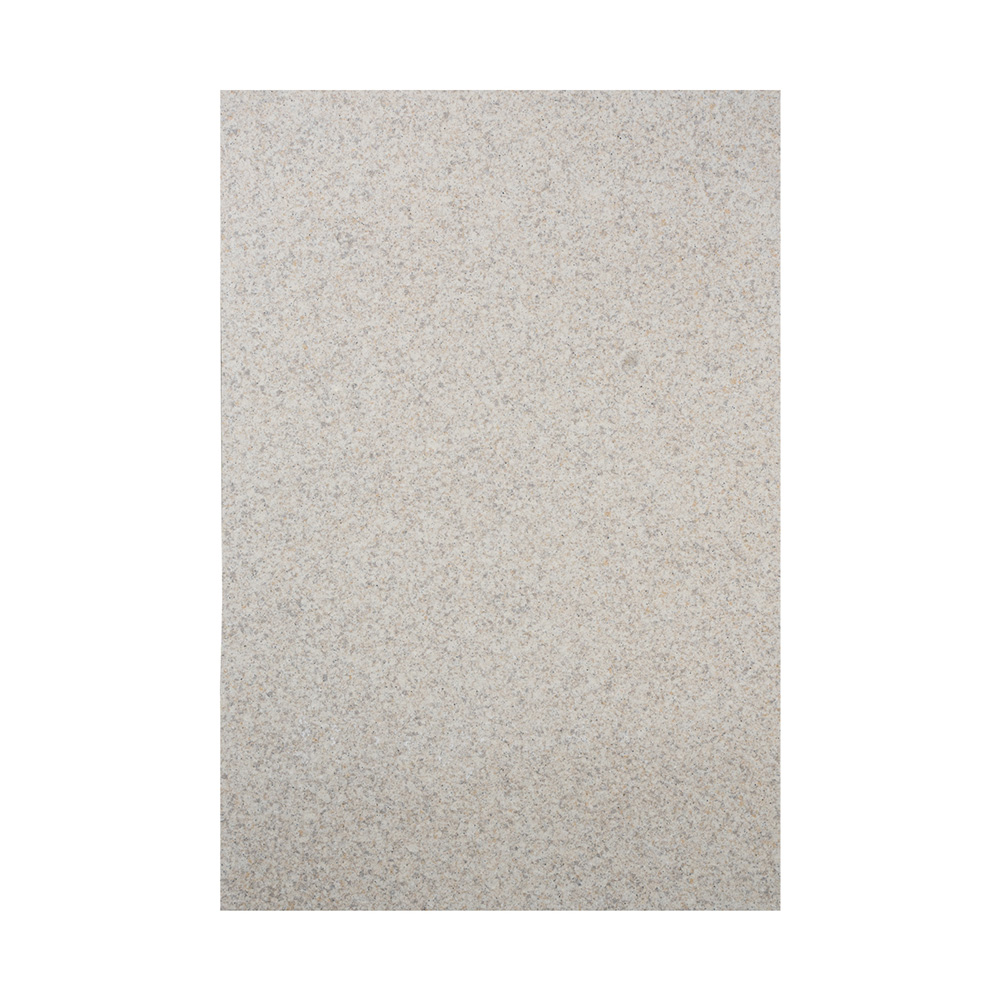
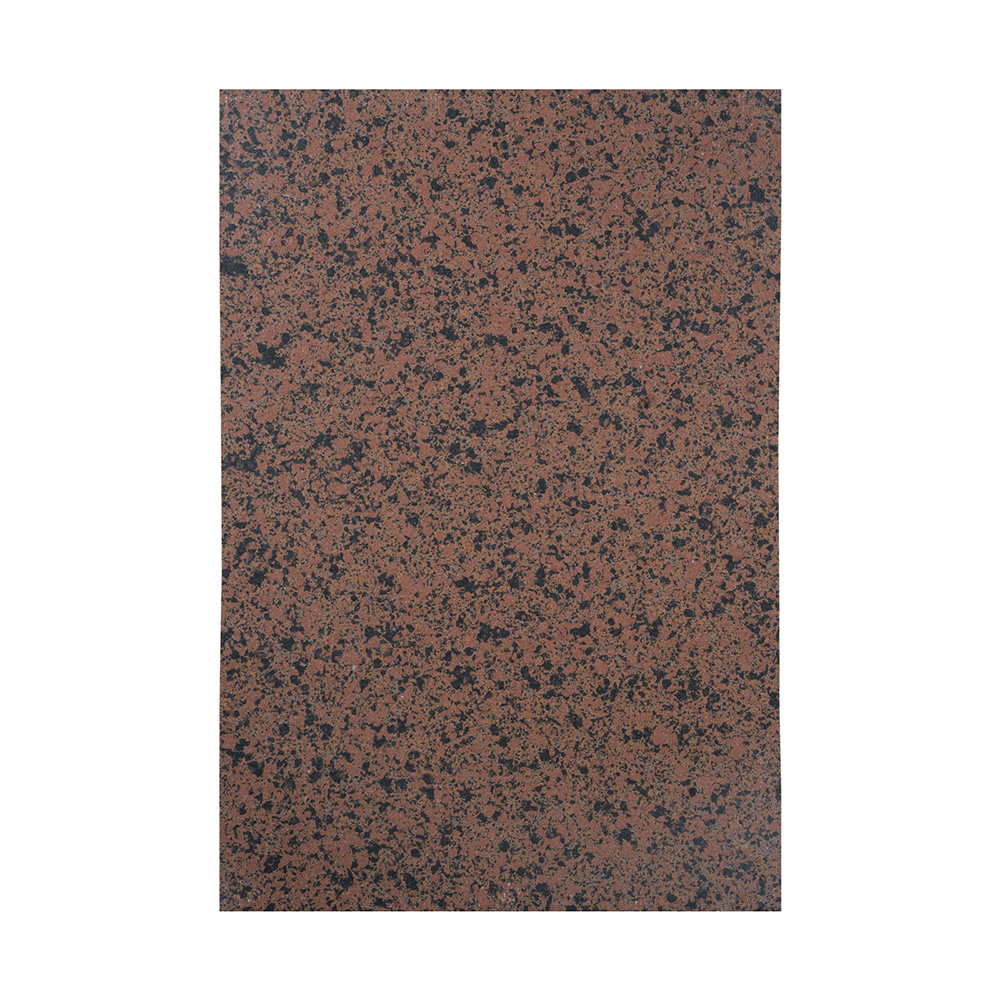
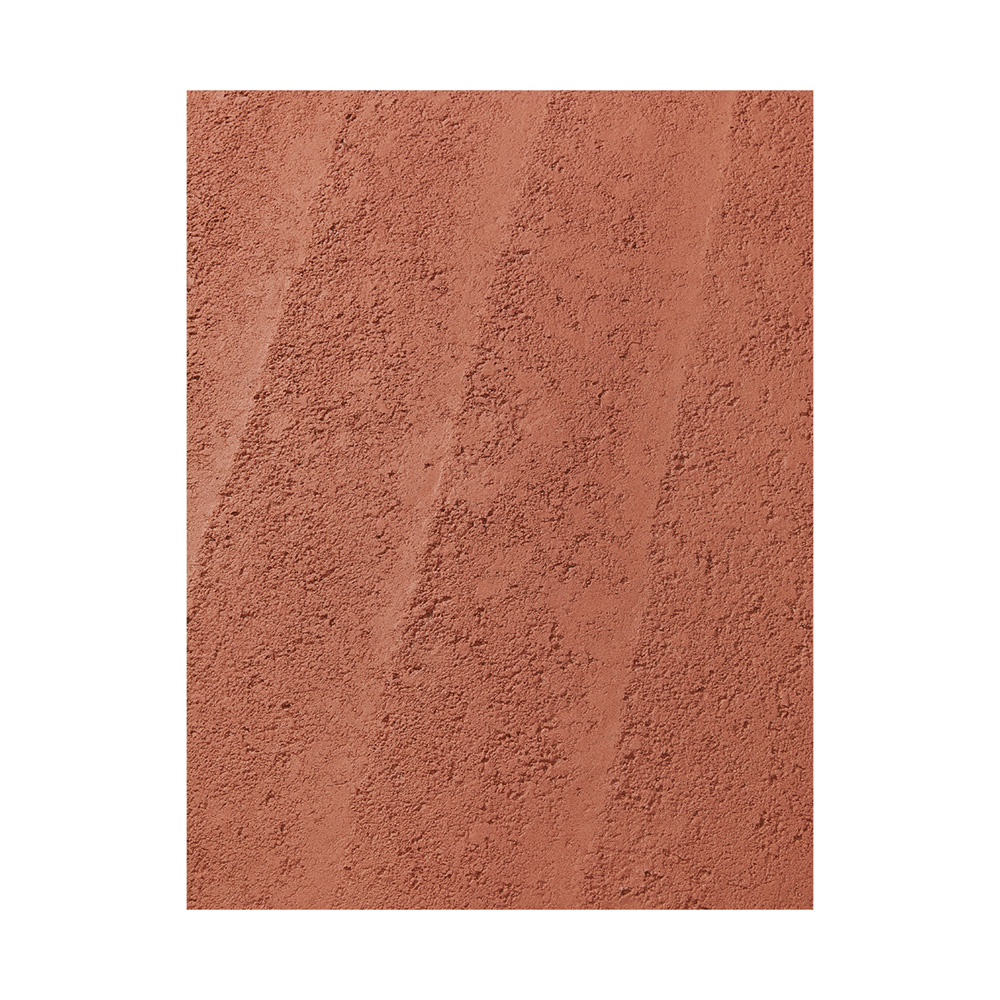
Rammed earth flexible stone is a thin, bendable wall veneer that carries the horizontal banding and grain of compacted earth. Justone produces it from natural stone powder and quartz sand, shaped by a 3D spray-casting process that molds the surface in a single pass on an automated line. The color comes from the quartz sand itself rather than a surface-applied color paste, so the tone sits in the body of the material instead of on a printed film — a difference that shows up on south-facing elevations, where surface-dyed products fade first.
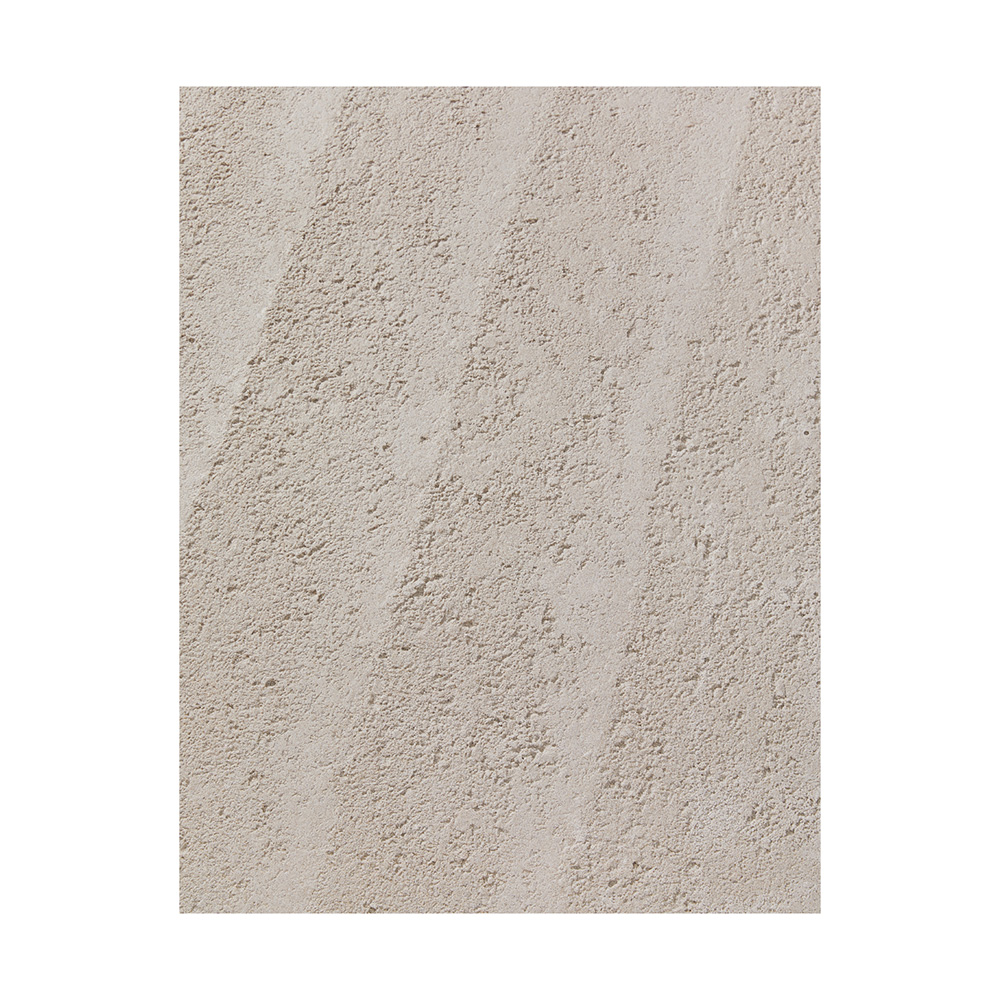 Rammed Earth Flexible Stone Wall PanelsA thin, bendable rammed earth veneer in 600×900mm or 600×1200mm sheets that weighs only 3-4kg/m², making it light enough for one installer to carry and curve around columns and walls.View Product →
Because the sheet is only a few millimeters thick and flexible, it bends around columns and curved walls, and a 600 x 1200 mm panel is light enough for one installer to carry and position. Sheet edges can be aligned so the strata read as continuous lifts across a whole elevation, which is what sells the effect from across the street.
The comparison below is the one worth settling with the client before drawings advance too far, because it covers the factors that actually decide the specification.
| Decision factor | Traditional rammed earth | Rammed earth flexible stone |
|---|---|---|
| Weight | Several hundred kilograms per square meter for a 300 mm wall | A few kilograms per square meter at a few millimeters thick |
| Structure | Engineered foundations and formwork; not retrofittable | Bonds to sound masonry, concrete or rendered walls |
| Schedule | Lift-by-lift compaction and drying over weeks | Adhesive fixing; days for a typical elevation |
| Cracking | Shrinkage cracks if the mix or curing is wrong | Flexible, anti-cracking sheet formulation |
| Water resistance | Erodes when exposed; needs overhangs and plinth protection | Waterproof and moisture-proof sheet |
| Color control | Varies between batches and lifts | Quartz-sand coloration molded into the sheet |
| Fire | Non-combustible earthen mass | Fire-retardant panel; confirm test reports for the building class |
The honest trade-off: a real rammed earth wall contributes thermal and acoustic mass that no thin sheet can replicate. Where the brief is the look, the surface performance and the programme — which describes most commercial and renovation work — the flexible panel wins on every practical line.
Most problems in this product category trace back to four things: water, sunlight, fire compliance and adhesion. Price gaps between suppliers usually reflect how well those four are covered, so put them ahead of price when you evaluate quotations.
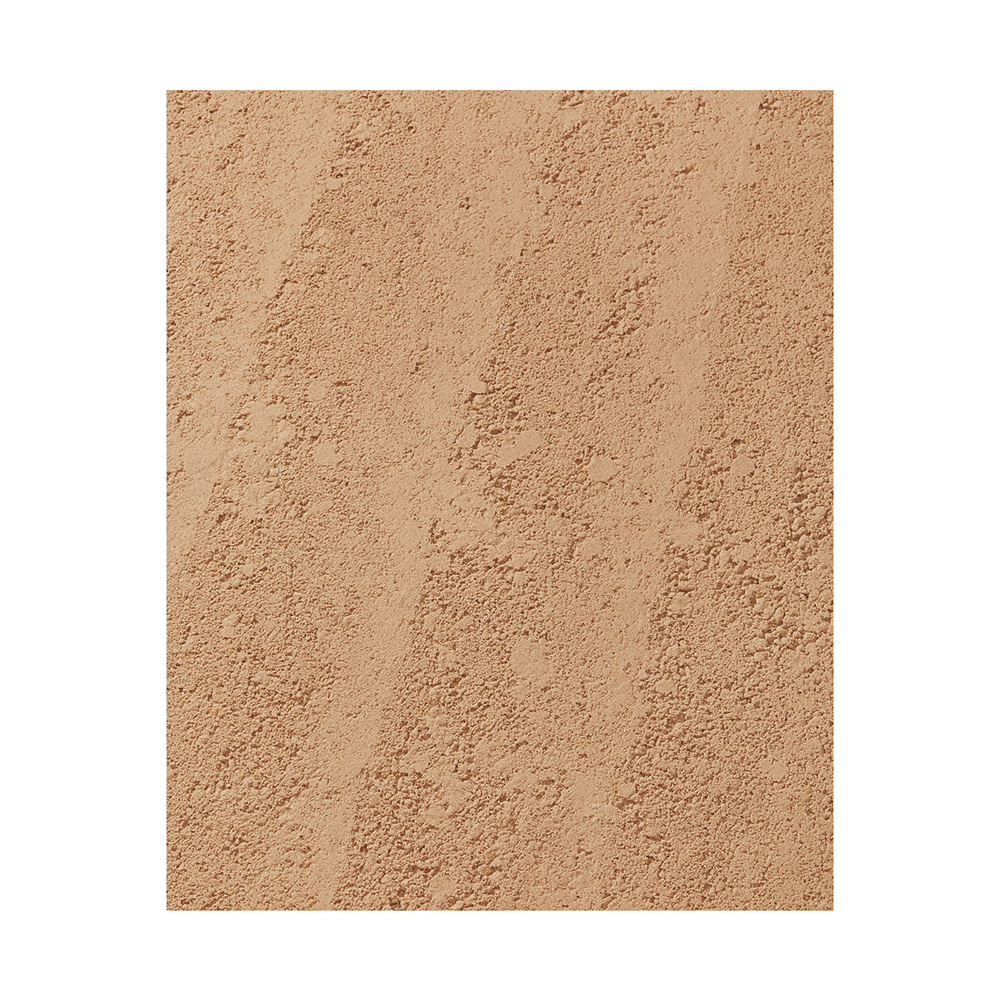 Waterproof and Fire-Rated Flexible Stone VeneerThis 2.7mm natural stone powder veneer combines water resistance, fire performance and UV stability, addressing the durability concerns that matter most when comparing quotations.View Product →
Scratch resistance deserves a separate question for interiors: lobby walls and corridors take trolley and furniture impacts, and a scratch-resistant surface keeps the strata looking crisp after fit-out traffic.
On hotels, villas and community buildings, the panel delivers the earth-wall identity without the structural upgrade a heavy wall would trigger. Lightweight cladding also lowers the consequence of anything working loose at height, which is why anti-falling performance is the first question schools and hospital project teams ask.
In lobbies, restaurants and reception areas, continuous horizontal strata lines under warm lighting reproduce the rammed earth effect at a fraction of the cost per square meter of a real build, and the thin profile keeps door reveals and skirting details simple.
This is where the product earns the most. Bonding a few millimeters of veneer onto a sound existing wall avoids demolition, dust and structural reinforcement entirely. The economics show up clearly at scale: a 16,000-square-meter old-town renovation is a different project when the existing masonry stays in place and crews simply reskin it, as this old-town renovation case documents.
 Indoor and Outdoor Rammed Earth Stone VeneerBonding this stain-resistant, easy-clean veneer onto sound existing walls avoids demolition and structural work, making it ideal for large-scale renovation reskinning projects.View Product →
The panels install like large-format tiles, with two details that decide whether the finished wall reads as rammed earth or as ordinary tiling: strata alignment and joint discipline.
For adhesive selection, curing times and surface-specific preparation, the seven-step flexible stone installation guide covers each stage in detail.
Before signing anything, run a short checklist. It takes a week and prevents the two most common procurement failures in this category: approving a sample that never matches the shipment, and discovering a compliance gap after the subcontract is priced.
Supplier track record is the other shortcut. Justone has been developing flexible stone since its laboratory opened in 2011, registered the company in 2013, validated the full system on a hospital project before moving to line production, and holds more than ten patents in the category — facts that are easy to verify against the project gallery when you shortlist suppliers. For most walls the verdict is straightforward: when the brief calls for the rammed earth look under modern safety, weight and schedule requirements, the flexible panel delivers it without the risks the ancient method carries.

Justone is Thin Flexible Stone Veneer Sheet Supplier in China.The company takes innovation-driven development as its core, regards promoting the progress of the industry as its responsibility, deeply engages in the chemical composite building materials track, and demonstrates its professional expertise in this field.



 English
 Français
 Español
 Português
 عربى
عربى